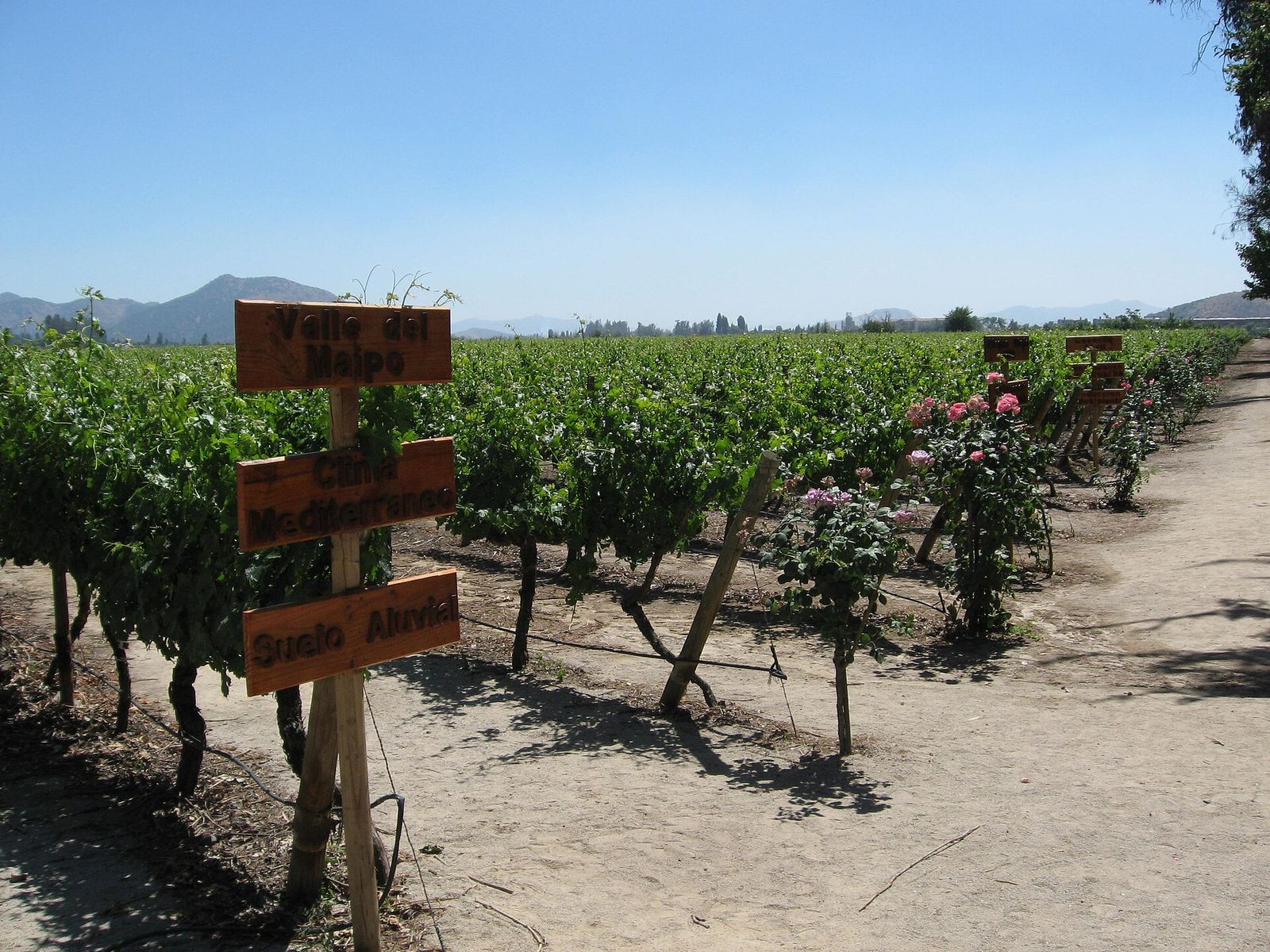
The Chile wine harvest season near Santiago runs from late February into early May, and the best stretch for a visit is roughly mid-March to mid-April. That is when the Maipo Valley picks its cabernet sauvignon, the cellars smell of fermenting fruit, and the valley towns, plus a few Santiago neighborhoods, hold vendimia festivals most weekends.
It is also the most oversold season in Chilean wine. At the big estates, a tour in late March follows exactly the route it follows in July, and the picking usually happens at first light, in rows you will never see from the visitor path. The harvest shows up far more at the small wineries, at the festivals, and in the vineyards themselves, which turn yellow and rust-red through April. This guide works out which grapes come in when, which valley to aim for, what a harvest-season day costs (prices checked September and October 2026), and when the season isn’t worth bending a trip around. For the estates, tours and valleys in full, start with our guide to wine tours from Santiago.
The harvest season at a glance
| If you are in Santiago in… | What is being picked | Where to go | What it is like | Verdict |
|---|---|---|---|---|
| Late February | Sparkling base, then sauvignon blanc and pinot noir on the coast | Casablanca | Average highs of 30°C in the city; no festivals near Santiago yet | Early. One for white-wine fans |
| Early March | Coastal whites in full swing; merlot and the first reds inland | Casablanca or the Maipo | The first festivals (Santa Cruz ran 6-8 March 2026); Lollapalooza fills hotels on 12-14 March 2027 | Very good |
| Late March | Maipo cabernet sauvignon starts; syrah | The Maipo | Peak festival weekends, 28.6°C days; Easter falls on 26-28 March in 2027 | The best two weeks of the year |
| Early to mid April | Cabernet sauvignon, the first carménère | The Maipo, or Colchagua with a night away | Vendimias inside Santiago itself; vine leaves turning; 25.7°C days | Excellent, and calmer |
| Late April to early May | Carménère, the last reds | Colchagua, Cachapoal | Cold nights, the first rain, harvest winding down | Good for color, light on action |
Two things move that calendar around. The first is the vintage. A hot summer pulls picking forward by a week or more, a cool one pushes it back, and even the wineries only know their exact dates a few weeks out. The second is geography and grape. The cool coastal valleys west of Santiago grow the early-ripening whites and pick first, the warmer Maipo follows with its Bordeaux reds, and the late carménère of Colchagua closes the season.
If one stage matters to you, say fruit still hanging for photographs or the crush pad in full swing, email the winery two weeks before you go and ask what they expect to be doing that week. Winemakers love that question, and the answer is more reliable than any calendar, including this one.
When is the wine harvest near Santiago?
Picking near Santiago starts in late February with sparkling-wine base and coastal whites in Casablanca and San Antonio, moves inland to the Maipo Valley’s reds from mid-March, and ends with carménère in late April and early May. Chile’s tourism board frames the season as February to April for visitors; the vines finish into May.
The order is set mostly by the grapes. The coastal valleys of Casablanca and San Antonio grow the early-ripening varieties, sauvignon blanc, chardonnay and pinot noir, and they pick them early on purpose, to keep the acidity that makes those wines taste fresh. Inland, the Maipo’s warmer and drier vineyards grow cabernet sauvignon, merlot, syrah and carménère, red grapes that need the long, sunny Chilean autumn to ripen fully. So the harvest moves from the coast toward the mountains and from white to red as the weeks go by.
| Grape | Typical picking window | Main valleys near Santiago | What it means for a visit |
|---|---|---|---|
| Base wine for sparkling | February | Casablanca, San Antonio | Picked very early for acidity; you will rarely see it |
| Sauvignon blanc | Late February to March | Casablanca, Leyda (San Antonio) | The first harvest you can catch; often picked at night or at dawn |
| Pinot noir and chardonnay | March | Casablanca, San Antonio | Early-season coastal visits |
| Merlot | March | Maipo, Cachapoal | The start of the red harvest inland |
| Syrah | Late March to April | Maipo, Aconcagua, Colchagua | Mid-season, across several valleys |
| Cabernet sauvignon | Late March to late April | Maipo: Pirque, Puente Alto, Buin | The Maipo’s main event, and the reason to come in late March |
| Carménère | Mid-April to May | Colchagua, Cachapoal, Maipo | The last grape in; it needs the longest season of all |
Treat those as typical windows rather than dates. They describe an average vintage, and an average vintage is the one you are least likely to get.
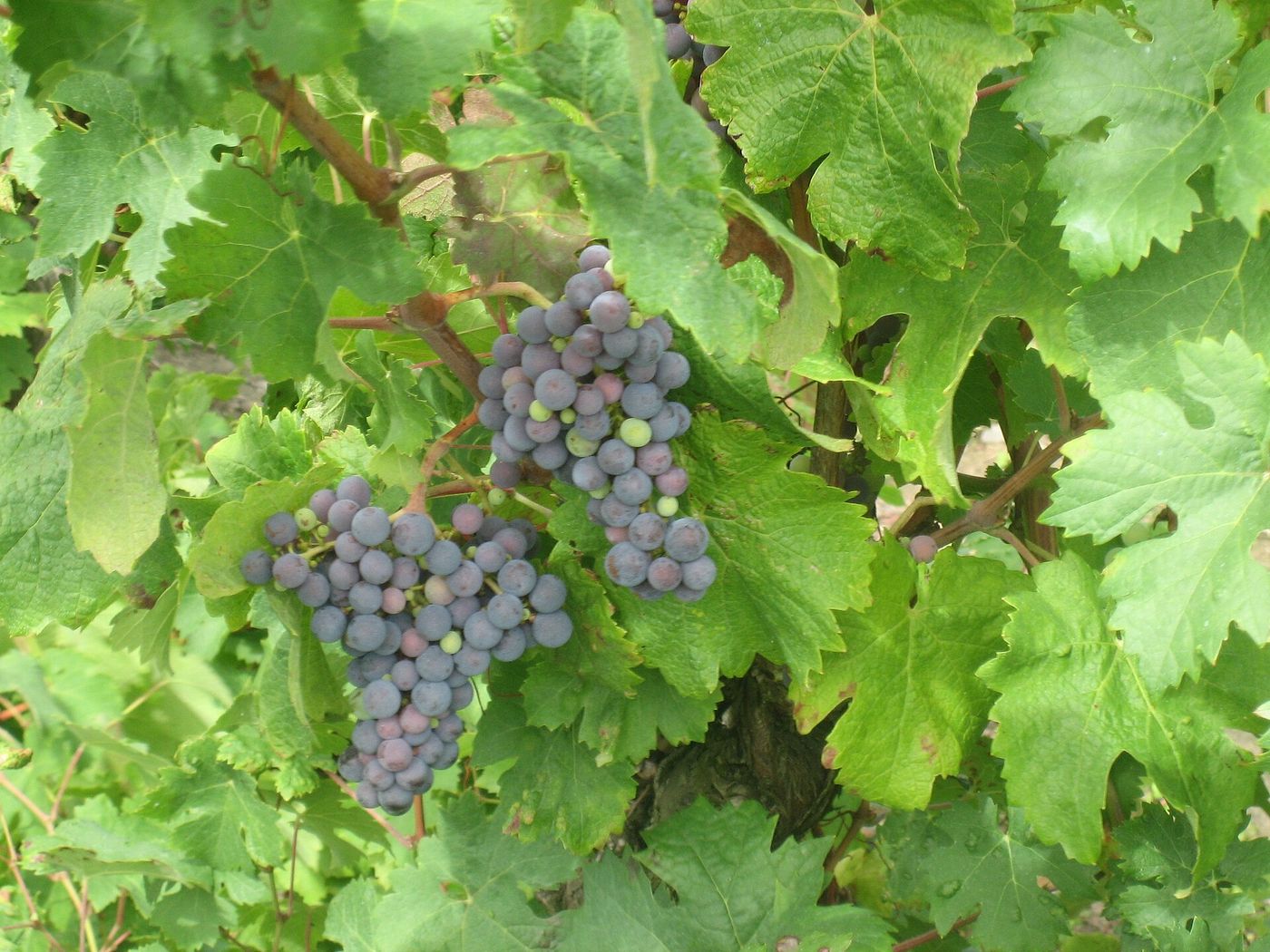
Carménère’s late finish explains one of the odder stories in wine. The grape came to Chile from Bordeaux in the 19th century, mixed into vineyards of merlot, and for well over a hundred years growers treated the two as a single variety and picked them on the same day. The carménère, several weeks short of ripe at merlot time, gave Chilean “merlot” its green, peppery edge. The French ampelographer Jean-Michel Boursiquot identified it in 1994, and now that it is picked separately and late, often into May, it has become Chile’s signature red. When you taste a carménère on a harvest-season tour in early April, the grapes for a future vintage of the same wine are very likely still hanging outside.
What this means in practice is that a trip chasing the most harvest action would split itself three ways: the coast in early March, the Maipo in late March or early April, Colchagua last. Almost nobody does that. The realistic plan for most visitors is one Maipo day in the last week of March or the first half of April, which catches the cabernet harvest at its height and the busiest festival weekends with it. For how the month feels in the city itself, the heat, the crowds and what reopens after the summer holidays, see Santiago in March.
What changes at a winery during the harvest
Less than the brochures suggest at the famous names, and a great deal at the small ones.
Start with the picking itself. Grapes are picked as early in the day as possible, because cool fruit reaches the winery in better shape, and whites are often picked at night for the same reason. By the time a 10:00 tour pulls into a Maipo estate, the morning’s crew may be finishing in a block several kilometers from the visitor center. The rows you walk through on a tour are a showcase, and showcases are rarely harvested in front of an audience.
The big estates also design their visitor circuits to run identically all year: a historic house or museum, a stroll past signposted rows, a showpiece cellar, a tasting room. At Concha y Toro in Pirque, the standard Visita Guiada Premium costs CLP 50,000 (about USD 53) for two hours and combines the museum, the park, the Casillero del Diablo cellar and a four-glass tasting (checked October 2026). Nothing in that published itinerary changes with the season. The industrial side of the harvest, the receiving bays, sorting lines and fermentation halls of one of the world’s largest wine companies, mostly happens out of sight.
What you will notice, even at the big estates, is the atmosphere. Tractors towing bins of fruit along the access roads. A sweet, yeasty smell near the cellars that no other month produces. Fruit flies around the tasting room. Vines either sagging with bunches or freshly stripped, depending on the block. Staff who are visibly busier than usual, and a guide who, asked about this year’s vintage, gives you a real answer rather than the script.
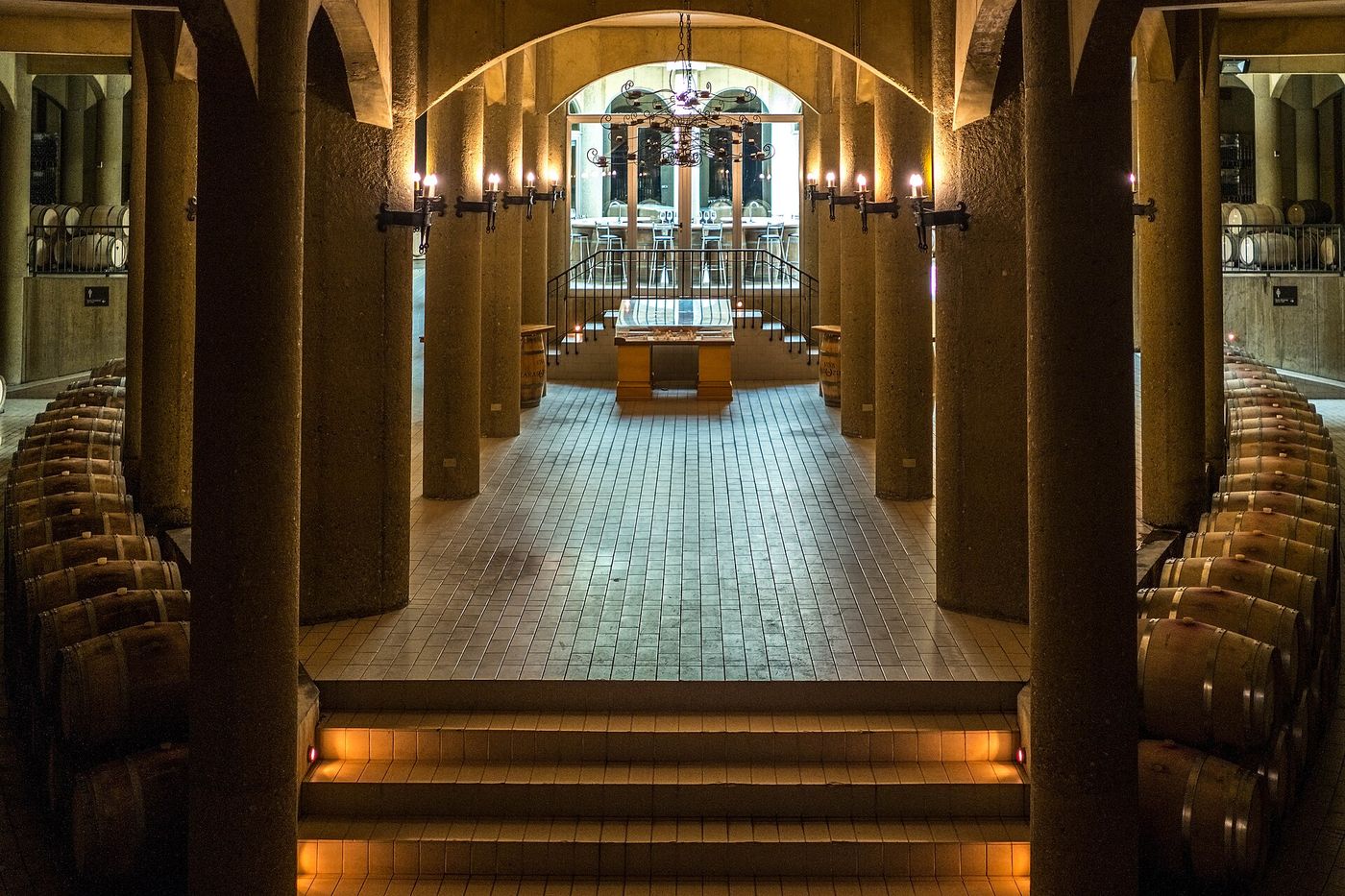
The smaller wineries are where the harvest becomes something you can watch. Visit Santiago’s wine-tourism page lists more than 40 Maipo wineries by commune (checked October 2026), from Pérez Cruz and Antiyal in Paine to De Martino, Tarapacá and Santa Ema in Isla de Maipo and Haras de Pirque and El Principal in Pirque. At estates of that size, the crush pad is often within sight of the tasting room, and the person pouring may have been sorting grapes an hour earlier.
The catch is that harvest is also the most demanding month of a small winemaker’s year. Some boutique estates scale visits back in March and April, because the people who give the tours are needed in the cellar. Others make the harvest the highlight of their year and build special days around it. You find out which by asking, not by turning up at the gate.
What you are likely to see between mid-March and mid-April:
- Fruit on the vines in blocks not yet picked, especially cabernet sauvignon into early April
- Bins and trucks of grapes arriving at the winery, mostly in the morning
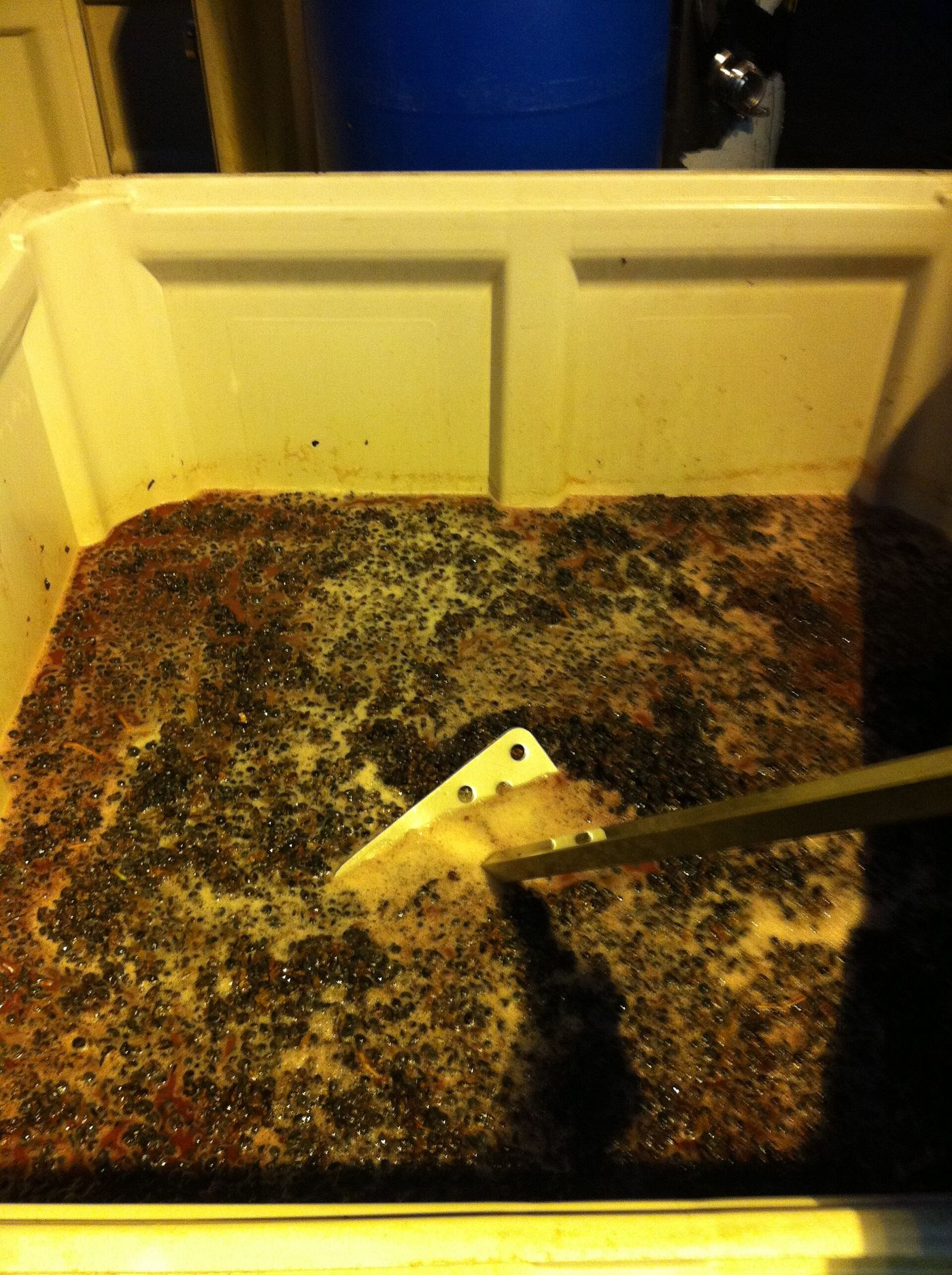
- Fermentation under way: tanks with hoses running for pump-overs and the smell of new wine in the cellars
- Vine leaves turning yellow and red from early April
- Festival stalls, cueca and grape-treading in the valley towns at weekends
What you probably won’t see:
- The picking itself, unless you book a hands-on experience or arrive very early
- The inside of a working fermentation hall at a large estate, which is closed to tours for hygiene and safety
- A winemaker with time for a long conversation, unless you arranged it in advance
Can you pick grapes or stomp them yourself?
Sometimes, but rarely at the famous estates. Hands-on harvest experiences (picking a few rows, sorting, treading grapes, then lunch) are mostly run by smaller wineries in March and April and announced in January or February, with limited places. Grape-stomping is easiest to find at the vendimia festivals, where it’s a competition.
None of the experiences on Concha y Toro’s booking site is a harvest product (checked October 2026). Its catalog runs from the two-hour standard visit to a night visit with dinner and a three-and-a-half-hour “Diablo Wine Sunset” at CLP 60,000 (about USD 63), and it reads the same in March as in August. That is typical of the big estates, which sell one menu year-round to a steady stream of visitors.
The harvest days, where they exist, come from smaller producers and from wineries further out in Colchagua and Casablanca. They appear in January and February on the wineries’ own websites and social media, and since most are aimed at Chilean visitors first, search in Spanish: vendimia, experiencia de vendimia, cosecha. An English-language search for “harvest tour” mostly finds tour operators repackaging the standard visits.
Before you book one, ask four questions:
- Is the picking real? A demonstration row is fine, as long as you know which one you are buying.
- What time does it start? Real picking starts early in the morning. A 15:00 “harvest experience” is a tasting with a basket.
- Is transport included? Most small wineries are a car ride from the nearest bus stop, and the day involves wine.
- What happens if the harvest runs early or late? If the block is already picked when you arrive, find out what replaces it.
Grape-stomping is the easy part. Treading competitions are a fixture of the vendimia festivals, and at Isla de Maipo in 2026 they shared the Plaza Central stage with the live music (checked September 2026). It is a fairground event with a lot of purple feet, and it is as close as most visitors get to the old way of crushing grapes.
Working a full vintage is a different matter altogether. Wineries hire their picking crews locally and take on harvest interns through winemaking schools and industry contacts, arranged months in advance. It is not something to improvise on a holiday.
Is it worth timing a trip for the harvest?
Only if wine is a main reason for the trip. Harvest adds loaded vines, fermentation smells and festival weekends, and Santiago’s March weather is excellent anyway. But a June estate tour covers the same ground, usually at the same price, with smaller groups. Don’t move a trip more than a week or two for it.
Who should aim for the harvest:
- Wine-first travelers. If you’ll spend two or more days in the valleys, the harvest adds texture to every visit, and the conversations are about this year rather than a script.
- Photographers. Fruit on the vines in late March, color in the leaves through April, and low autumn light by early May.
- Anyone who wants a festival. The vendimias are free or cheap to enter, very local, and they only happen in this window.
- Travelers who want good weather anyway. March is one of the best months to be in Santiago: warm, dry, and with the city back at work after the summer holidays.
Who shouldn’t bother:
- Skiers and snow-seekers. The ski slopes above Santiago are bare in March and April, and the ski season sits at the opposite end of the year; see skiing near Santiago for the winter months.
- Budget travelers on a short trip. The harvest weekends are the busiest of the wine year, and a weekday tour in June costs the same with fewer people beside you.
- Anyone with one half day for wine. A tour at Cousiño Macul, on the eastern edge of the city, works in any month, and the harvest adds little to a short visit.
The honest verdict: if your dates are fixed, don’t move them more than a week or two for the harvest. If they’re flexible, aim for the last ten days of March or the first ten of April, which gives you the cabernet harvest, the festival weekends and some of the best weather of the year in one go. February is quieter and hotter, and the Maipo reds aren’t ready yet; Santiago in February covers what else the month has going for it.
Harvest festivals near Santiago, and inside the city
The vendimias are municipal street fairs rather than winery events: a plaza, a stage, stalls from local producers, a commemorative glass, grape-treading, cueca, and wine sold by the glass and the bottle. Our guide to the Maipo Valley harvest festivals covers Isla de Maipo, Buin and Pirque in detail, including how each one runs and how to reach it without a car. What follows is the wider season.
Chile’s tourism board publishes the year’s festival list in January (the 2026 list went up on 19 January 2026), and the 2027 dates had not been announced when we checked in October 2026. The 2026 calendar is the best guide to the pattern:
| 2026 dates | Festival | Where | Getting there from Santiago |
|---|---|---|---|
| 6-8 March | Fiesta de la Vendimia de Colchagua | Plaza de Armas, Santa Cruz | About 2.5 hours; better with a night away |
| 7-8 March | Vendimia de San Francisco de El Monte | Plaza Independencia, El Monte | Lower Maipo, west of the city |
| 20-22 March | Fiesta de la Vendimia de Curicó (35th edition) | Parque La Granja, Curicó | About 3 hours; billed as Chile’s oldest |
| 21 March | San Antonio Valley harvest festival | Hacienda San Juan vineyard | Coastal; car or tour |
| 21 March | Melipilla harvest festival | Melipilla | Lower Maipo, west of the city |
| 28 March | Aconcagua harvest festival | Centro Turístico Los Manantiales, Panquehue | About 90 km (56 miles) north |
| 28-29 March | Fiesta de la Vendimia de Isla de Maipo | Avenida Santelices and the Plaza Central | About 50 km; buses from Terminal San Borja |
| 2-5 April | Santa Vendimia | Plaza Ñuñoa, Santiago | Metro Line 3, along Avenida Irarrázaval |
| 11-12 April | Vendimia Fest | Barrio Italia, Providencia | Metro Line 5 to Santa Isabel, then a 10-minute walk |
| 11-12 April | Pirque wine festival | Pirque | Metro Line 4 to Plaza de Puente Alto, then a colectivo |
| 11-12 April | Casablanca harvest festival | Casablanca | About an hour on Route 68 |
| 17-19 April | Maipo Valley Grape Harvest Festival | Parque Estadio Nacional, Ñuñoa | Metro Line 6 to Estadio Nacional |
| 1-3 May | Fiesta de la Vendimia de San Fernando | Plaza de Armas, San Fernando | About 2 hours south, toward Colchagua |
Three things stand out from that list.
First, the season comes to Santiago. The Ñuñoa, Barrio Italia and Estadio Nacional events all ran in April 2026, and all three were a Metro ride from the center. They are the easiest harvest experience near Santiago by a distance, and also the least connected to a vineyard: you are tasting in a park or a plaza, not among the vines. Go for an evening, not instead of the valley.
Second, Santa Cruz’s big festival comes early. It runs in the first week of March, weeks before Colchagua’s own carménère is picked, so it celebrates the harvest rather than marking its end. That is no reason to skip it; it is the largest and best organized of the lot. Just don’t expect to see carménère coming off the vines that weekend.
Third, the last weekend of March is crowded. Isla de Maipo, Melipilla, Aconcagua and Rengo all landed on 28-29 March in 2026. In 2027 that weekend is Easter, so some festivals may shift, and the roads out of the city will be busy either way.
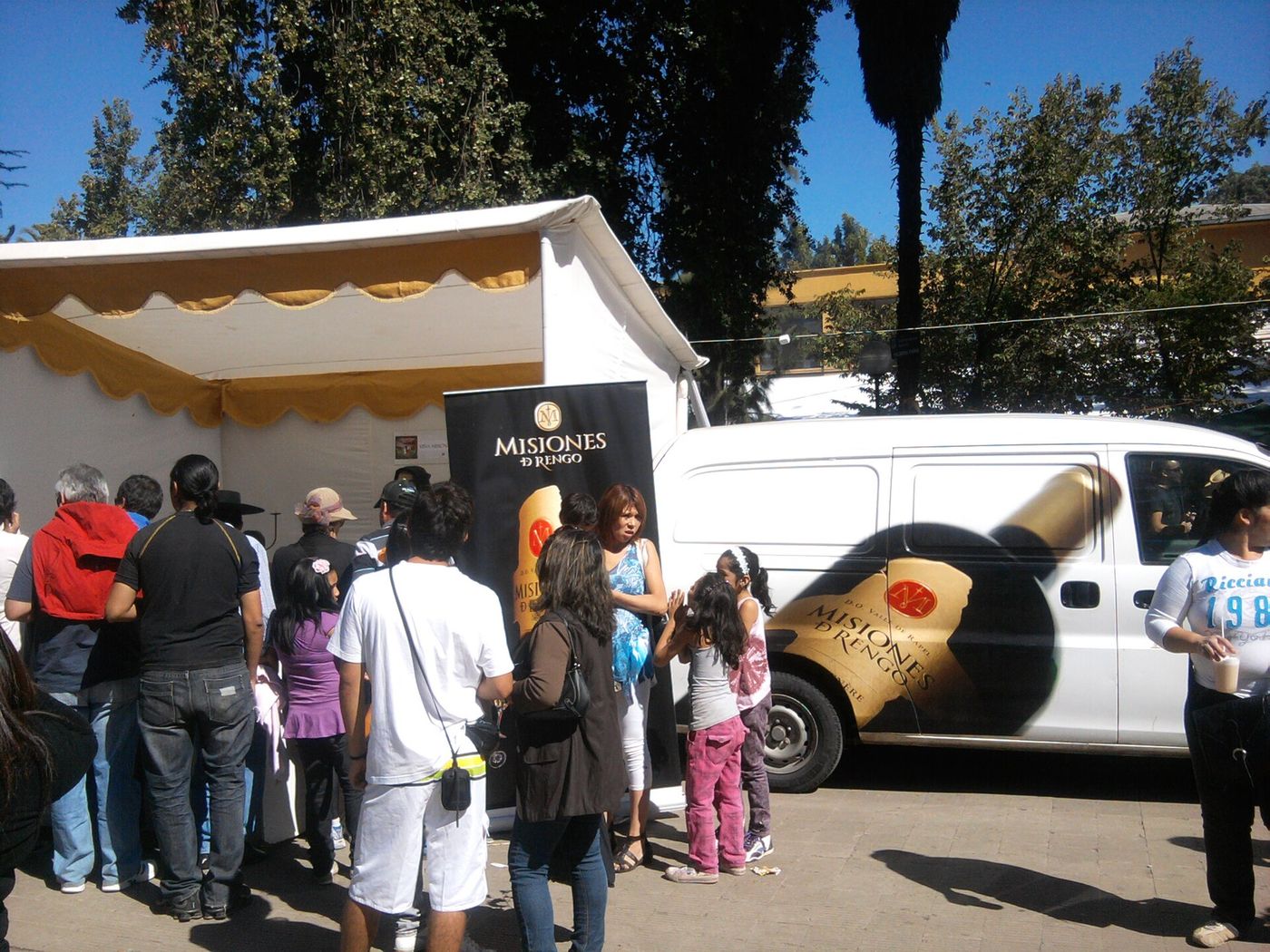
Festival crowds are friendly but dense, and the wine is cheap enough to go to your head in the afternoon heat. Eat early, drink water between glasses, and keep your phone in a front pocket. For every other event in the year, from Santiago a Mil in January to Fiestas Patrias in September, see the events and festivals guide.
Which valley to visit in harvest season
For a single day from Santiago, the practical choices are the Maipo and Casablanca. Everything else either needs a car and a very long day or deserves a night away. In harvest season, the date of your visit should decide between them.
Casablanca: first to pick, on the road to the coast
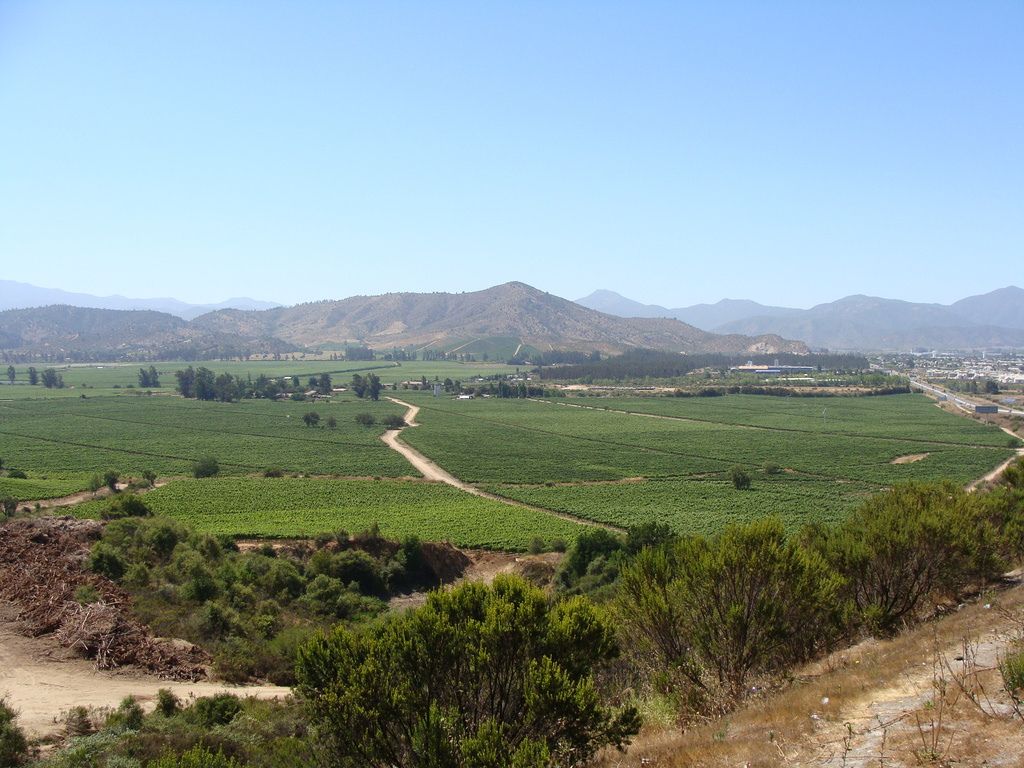
Casablanca is about an hour from Santiago by car on Route 68, the highway to Valparaíso and Viña del Mar, and it is the white-wine valley near the capital: sauvignon blanc, chardonnay and pinot noir, cooled by the Pacific. That makes it the place to be in late February and the first half of March, when the coastal harvest is at its height and the Maipo reds are still weeks away.
There is no practical public transport between Casablanca’s wineries, so you need a car, a driver or a tour. The valley works best as a stop on a coastal day rather than a destination in its own right: two wineries in the morning, Valparaíso’s hills in the afternoon. Casablanca’s own harvest festival came late in 2026, on 11-12 April, after most of its fruit was in. The day trips guide has the coastal routes and how they combine.
Maipo: the cabernet harvest, reachable by Metro
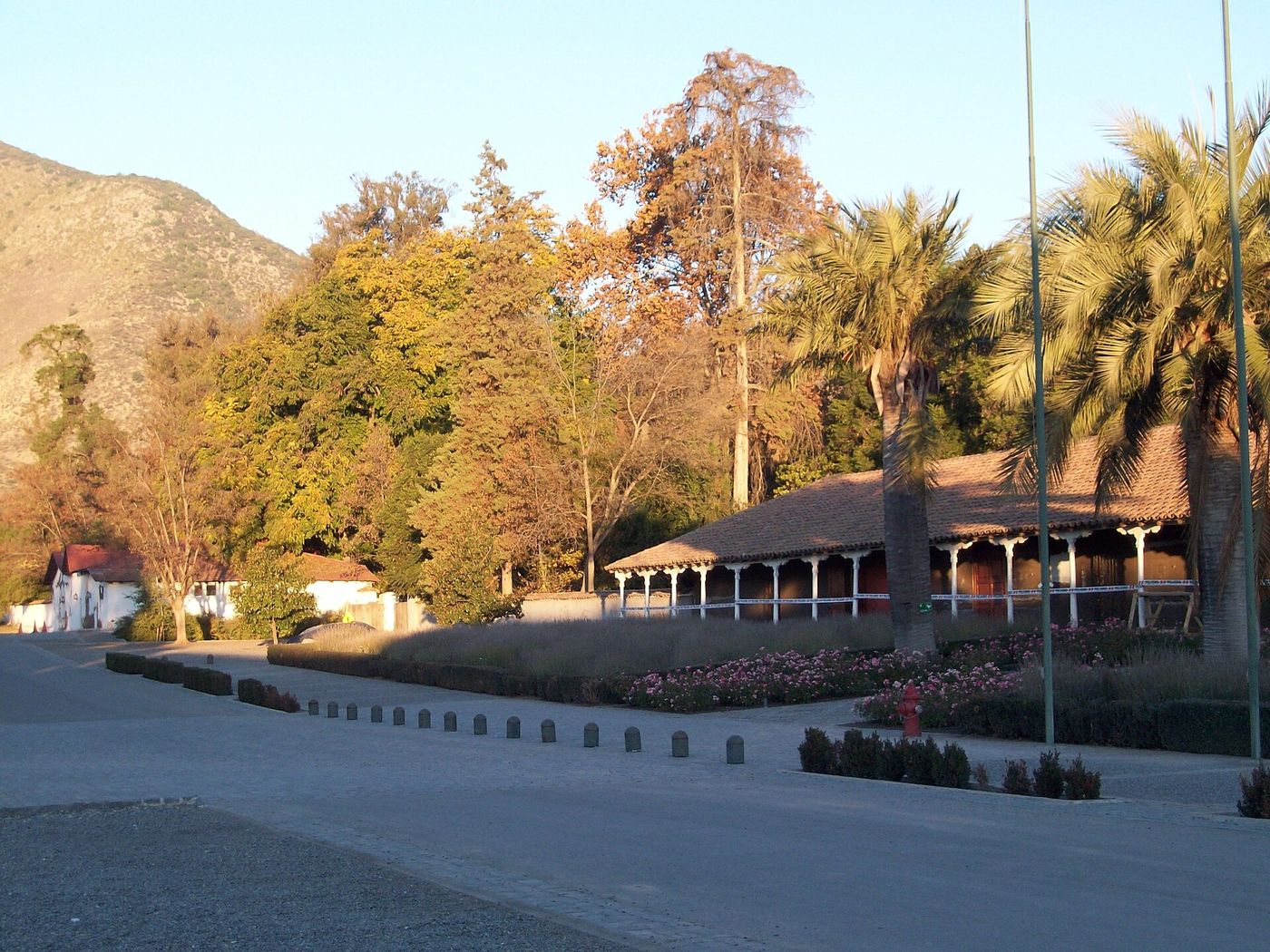
The Maipo is the valley to choose if you only do one, and late March to mid-April is its moment. Cabernet sauvignon, the grape the valley built its name on, comes in across those weeks, the festivals cluster around it, and from early April the vines and the poplars along the country roads start to turn.
It is also the only wine valley you can reach without a car. Pirque, home to Concha y Toro, Haras de Pirque and El Principal, is a ride on Metro Line 4 to Plaza de Puente Alto and then a short colectivo hop of about 10 minutes (checked September 2026). Isla de Maipo, with De Martino, Tarapacá and Santa Ema, is about 50 km (31 miles) from the city by bus from Terminal San Borja beside Estación Central. Buin has Santa Rita, Talagante has Undurraga, and Cousiño Macul sits on the eastern edge of Santiago itself, in Peñalolén. Our guide to getting around Santiago explains the Metro, which takes contactless bank cards, and the buses, which still need a bip! card.
A harvest-season Maipo day that works without a car: Metro to Puente Alto in the morning, a Pirque estate tour at 10:00 or 11:00 while the cellars are busiest, lunch in Pirque, and back to the city before the evening rush. On a festival weekend, swap the estate for Isla de Maipo’s plaza, or do the Pirque festival in the afternoon.
Colchagua and Cachapoal: the end of the season
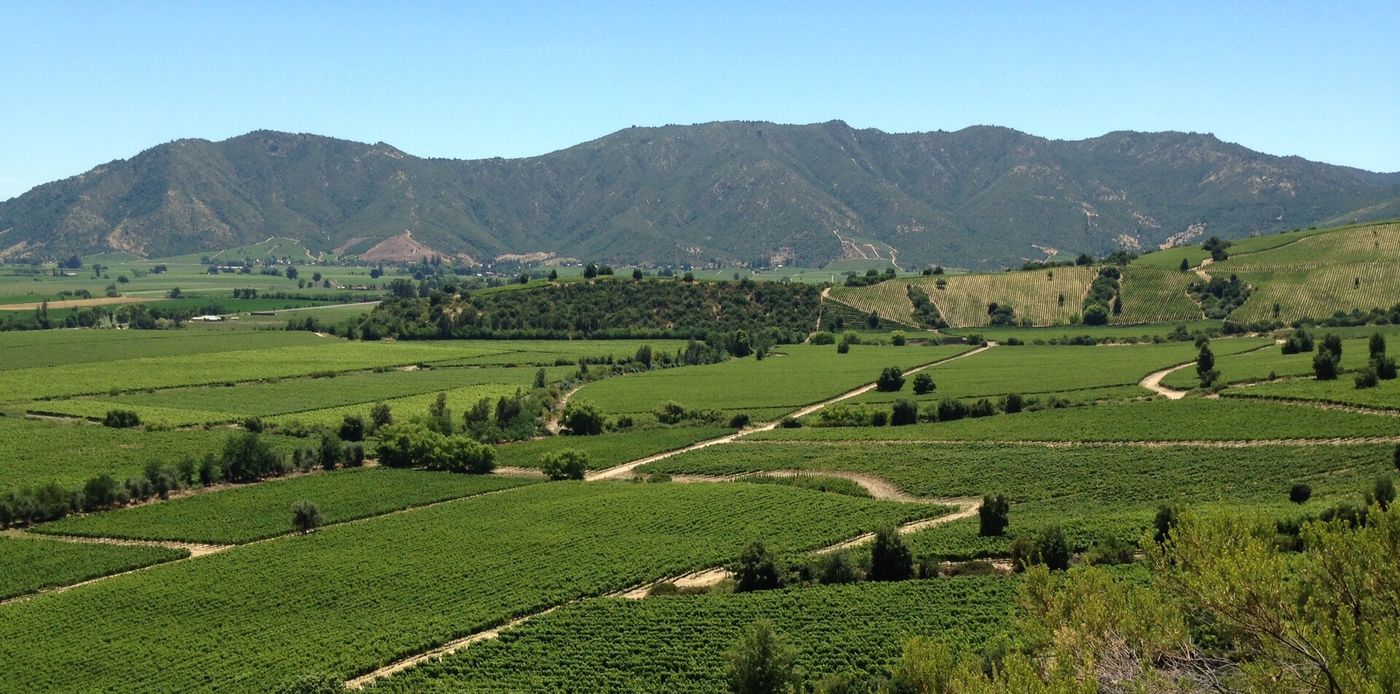
Colchagua, centered on Santa Cruz about two and a half hours south of Santiago, is the most developed wine-tourism valley in Chile, and its carménère and syrah keep the harvest going later than anywhere else within reach of the capital. Late April and early May there mean the last picking of the year, cool mornings, and vineyards in full autumn color.
It is too far to do well in a day. Two and a half hours each way leaves time for one or two wineries and a rushed lunch; one night in Santa Cruz turns it into the best wine trip you can make from Santiago. After the valley’s flagship festival on 6-8 March, smaller ones followed in 2026 at Peralillo (14-15 March), Marchigüe (21-22 March) and San Fernando (1-3 May), so even the late season has something on. Cachapoal, closer to Santiago around Rancagua, is quieter, has fewer visitor facilities and shares the same late carménère.
Aconcagua and San Antonio
These are the two valleys most visitors skip. Aconcagua, about 90 km north of Santiago, grows warm-climate reds and held its harvest festival at Los Manantiales in Panquehue on 28 March 2026. San Antonio and its Leyda zone, on the coast south of Casablanca, are cool-climate white and pinot noir country, and the San Antonio Valley festival took place at the Hacienda San Juan vineyard on 21 March 2026. Both need a car or a tour, and both reward a wine obsessive more than a first-time visitor.
What does a harvest-season wine day cost?
Budget CLP 25,000-50,000 (about USD 26-53) per person for a standard estate tour with tasting, plus transport. Cousiño Macul is the cheapest of the four big Maipo names and Concha y Toro the most expensive, at CLP 50,000 for its basic visit. Isla de Maipo’s festival has been free to enter; tastings there cost extra.
| Item | Price (CLP) | About (USD) | Checked |
|---|---|---|---|
| Cousiño Macul, Traditional tour | 25,000 | 26 | September 2026 |
| Cousiño Macul, Premium tour | 40,000 | 42 | September 2026 |
| Undurraga, Sibaris tour | 29,500 | 31 | September 2026 |
| Santa Rita, Clásico tour | 31,000 | 33 | September 2026 |
| Concha y Toro, Visita Guiada Premium (2 hours) | 50,000 | 53 | October 2026 |
| Concha y Toro, Premium + Marqués de Casa Concha tasting | 80,000 | 84 | October 2026 |
| Concha y Toro, Diablo Wine Sunset (3.5 hours) | 60,000 | 63 | October 2026 |
| Metro ride, by time band | 735-895 | under 1 | September 2026 |
| bip! card, needed for buses | 1,550 | 1.60 | September 2026 |
| Isla de Maipo vendimia entry | Free in 2026 | – | September 2026 |
Dollar figures use about CLP 950 to the US dollar, in line with the Chilean tax office’s observed rate for September 2026.
None of the rates we checked at the four big Maipo estates carried a harvest surcharge. What the harvest changes is availability, not price: the weekend slots in late March and early April fill first, and so do the tours with lunch.
The honest comparison is Concha y Toro against everyone else. CLP 50,000 for its basic visit is twice the price of Cousiño Macul’s Traditional tour, and Pirque, the most visited winery in Chile, is built for volume. It is worth paying if the Casillero del Diablo legend is the point of your day. If the harvest is the point, a smaller estate will show you more of it for less, and the money saved buys a long lunch in the valley.
Organized tours from Santiago with transport cost more than the entry price alone, and what they include varies widely: the number of wineries, whether lunch is included, group size, hotel pickup. Compare those rather than the headline price. For how a wine day fits into a whole trip’s budget, see what a trip to Santiago costs.
Booking, weather and safety from February to May
Book earlier than you would in winter
Weekends in the second half of March and the first half of April are the busiest of the wine year near Santiago. Book estate tours at least a week ahead for a Saturday, and more for a small winery or anything that includes lunch. Weekdays are easier to get, and they are also when the cellars are working hardest, which is what you came to see. Check which days each winery opens before you build a route around it, because opening days vary far more between estates than the museums’ standard Monday closure.
The 2027 dates that matter
- 12-14 March 2027: Lollapalooza Chile at Parque O’Higgins. Hotels fill and prices climb across the city that weekend; our Lollapalooza Chile guide has the details.
- 26-27 March 2027: Good Friday and Holy Saturday, both public holidays in Chile, with Easter Sunday on 28 March. Santiago empties toward the coast and the countryside, the roads to the valleys fill, and some wineries change their hours.
- The last weekend of March, which carried four festivals in 2026 and is Easter weekend in 2027.
- January and February 2027, when the year’s festival dates are announced. Check chile.travel’s harvest list and each commune’s website before you lock in a weekend.
Weather: hot in February, cool nights by May
| Month | Average high | Average low | Rain (approx.) | What to wear in the vineyards |
|---|---|---|---|---|
| February | 30.1°C (86°F) | 13.0°C (55°F) | 0.3 mm | Hat, sunscreen, light clothes, plenty of water |
| March | 28.6°C (83°F) | 11.4°C (53°F) | 0.9 mm | Hat and sunscreen; a layer for the evening |
| April | 25.7°C (78°F) | 9.5°C (49°F) | 3.9 mm | Layers; a jacket after dark |
| May | 21.7°C (71°F) | 5.2°C (41°F) | 12.9 mm | Warm layers and a rain jacket |
Those are 1991-2020 climate normals for Santiago’s Pudahuel weather station from Chile’s meteorological service; the monthly rain figures are derived from the station’s cumulative series and are approximate (checked September 2026). For the full year, see Santiago weather by month.
The swing between day and night is what to dress for. A 28°C afternoon in a March vineyard and an 11°C evening back in the city are the same day, and the cellars stay cool year-round, so a light layer earns its place even in February. Vineyard rows are dusty, uneven and occasionally muddy after irrigation: wear closed shoes, not sandals.
Drink-driving, heat and fire
- One driver does not drink. Chile’s drink-driving limit is close to zero and breath tests on the roads back from the valleys are common at weekends. Ride-hailing works from most Maipo estates, and Concha y Toro’s sunset experience is sold with an Uber transport option (checked October 2026).
- The midday sun is serious. Vineyard walks in February and March are hot and shadeless. Take water, book morning slots where you can, and don’t plan a festival afternoon straight after a long tasting.
- Fire season overlaps the early harvest. The Canadian government’s travel advice warns of wildfires between December and March from the Valparaíso region south to Araucanía (checked September 2026). A fire near a valley can close roads or cancel visits at short notice, and smoke can sit over the vineyards for days. Check the local news the evening before.
- Festivals draw pickpockets, as any crowd in Chile does. Our Santiago safety guide covers the patterns and the common scams.
Accessibility
Harvest-season wine visits are mixed for travelers with limited mobility. Vineyard walks are on dirt and gravel between the rows, underground cellars usually mean stairs, and festival plazas are flat but crowded and hot by mid-afternoon. Ask the winery directly about step-free routes before you book, and expect smaller estates to be more flexible than the big ones about adapting a visit. Our guide to accessible Santiago covers transport and the wider city.
Outside the harvest: what the other seasons look like
If your dates miss the harvest, the vineyards still have plenty to show, and some months are arguably better for a visit:
- September to November (spring). Budbreak and flowering, bright green rows, snow still on the Andes behind the Maipo, and the clearest air of the year. Fiestas Patrias on 18-19 September closes nearly everything for two days, so plan around it.
- December to February (summer). The grapes change color in January, the estates are busy with Chilean holidaymakers, and the afternoons are hot. Book morning tours and finish before the heat peaks.
- June to August (winter). Bare vines and pruning crews, quiet cellars and small groups. Concha y Toro sells combined packages with Valle Nevado: a Pirque tour plus the ski resort’s gondola for CLP 119,000 (about USD 125), or plus skiing and equipment rental for CLP 159,000 (about USD 167; checked October 2026).
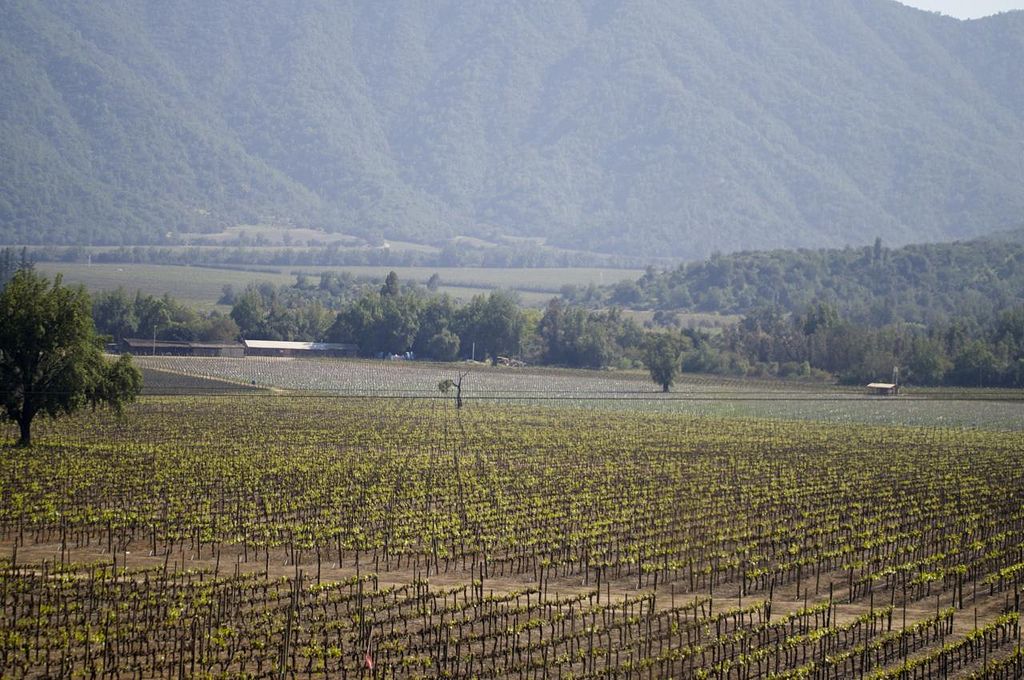
Spring has a real claim to being the better season for a first wine visit. The tours are the same, the light is softer, the mountains still carry snow, and nobody is too busy to talk to you. The harvest is the more exciting time and spring the more relaxed one, and plenty of wine people prefer the second.
Whatever the month, the wineries themselves are the constant. Our Santiago wine tour guide compares the estates, the valleys and the tour formats, and it’s the place to decide where to go once you know when.
Frequently asked questions
When is the grape harvest in Chile?
From February to May. Near Santiago, the coastal valleys pick their whites from late February, the Maipo Valley picks cabernet sauvignon from late March through April, and carménère in Colchagua and Cachapoal comes in last, into May. Exact dates shift by a week or more with each vintage.
What is the best month for a wine tour from Santiago?
Late March to mid-April, if you want the harvest. The Maipo is picking cabernet, the festivals run most weekends, and the weather is warm and dry, with average highs of 28.6°C in March and 25.7°C in April. October and November are the best months outside the harvest.
Can tourists help with the grape harvest near Santiago?
Sometimes, through hands-on harvest days at smaller wineries, which usually combine picking a few rows, treading grapes and lunch. They are announced in January or February and have limited places. Concha y Toro, the biggest estate, did not list a harvest-specific experience when we checked in October 2026.
Is there a wine harvest festival in Santiago itself?
Yes. In April 2026, Plaza Ñuñoa, Barrio Italia in Providencia and Parque Estadio Nacional all hosted vendimia events, each a Metro ride from the center. They are the easiest to reach but the least connected to a vineyard. Check chile.travel’s festival list from January for the 2027 dates.
Do wineries charge more during harvest season?
Not on the published rates we checked at the big Maipo estates in September and October 2026, none of which carried a harvest surcharge. Standard tours run from CLP 25,000 (about USD 26) at Cousiño Macul to CLP 50,000 (about USD 53) at Concha y Toro. What changes is availability: weekend slots in late March fill first.
Which valley near Santiago is best during the harvest?
The Maipo, for most people. It picks its cabernet sauvignon from late March, holds the most festivals, and is the only wine valley you can reach by Metro and bus. Casablanca is better in late February and early March, and Colchagua in late April, but both need a car or a tour.
Will the 2027 harvest festivals fall on the same dates as 2026?
Roughly, but not exactly. Communes confirm their dates weeks to a couple of months ahead, and chile.travel published its 2026 list in mid-January. In 2027 the usual last-weekend-of-March slot coincides with Easter (Good Friday is 26 March), so some festivals may move.
What should I wear to a vineyard in March or April?
Closed shoes for dusty, uneven rows, a hat and sunscreen for the afternoons, and a layer for the cellars and the evening. March averages 28.6°C by day and 11.4°C at night in Santiago; April is cooler at both ends, and the first rain usually arrives late in the month or in May.
Whatever the month, the tour you book shapes the day more than the season does. A small estate shows you more of the harvest than a big one, and a driver matters more on a day with two tastings. Our comparison of the best wine tours from Santiago sets the winery-run tours against the organized ones, with what each costs and how to get there.
Sources
- Chile Travel: Vineyards and grape harvests near Santiago (2026)
- Chile Travel: The main grape harvests in Chile 2026
- Visit Santiago: wine tourism in the Maipo Valley
- Concha y Toro: wine tourism experiences in Pirque
- Municipalidad de Isla de Maipo: Fiesta de la Vendimia 2026
- Viña Cousiño Macul
- Viña Santa Rita
- Viña Undurraga
- Dirección Meteorológica de Chile: climate normals, Santiago Pudahuel
- Metro de Santiago: fares and hours
- Lollapalooza Chile 2027
- Government of Canada: travel advice for Chile
- Servicio de Impuestos Internos: dólar observado 2026
Image credits
| Photo | Credit |
|---|---|
| Concha y Toro vineyard, Pirque (top of page) | MattStabile01 at English Wikipedia, public domain, via Wikimedia Commons |
| La Vendimia advertisement, Lontué | Unknown authorUnknown author, CC0, via Wikimedia Commons |
| Punching down fermenting carménère | Agne27, CC BY-SA 3.0, via Wikimedia Commons |
| Haras de Pirque barrel cellar | Sergej F., CC BY 2.0, via Wikimedia Commons |
| Winery stand at a vendimia | Aeveraal, CC BY-SA 3.0, via Wikimedia Commons |
| Casablanca Valley | Romulo A. Ceccon, CC BY 2.0, via Wikimedia Commons |
| Alto Jahuel, Buin | Nelson Pérez, CC BY-SA 3.0, via Wikimedia Commons |
| Viña Montes, Colchagua | Tjeerd Wiersma from Amsterdam, Netherlands., CC BY 2.0, via Wikimedia Commons |
| Carménère grapes | Simon-sake at Dutch Wikipedia, CC BY-SA 3.0, via Wikimedia Commons |
| Casablanca in spring | heppelpeppel, CC BY 2.0, via Wikimedia Commons |