The honest answer on Santiago Chile travel cost is that it sits between Buenos Aires and a mid-sized European capital: cheaper than Madrid, more expensive than Lima, and much cheaper than most visitors expect on food and transport while being surprisingly expensive on imported goods and organised tours. A backpacker gets by on around CLP 45,000 a day, a comfortable mid-range traveller spends CLP 110,000–150,000, and the city’s single best attractions — the hills, the parks, four of the major museums — cost nothing at all.
What does a day in Santiago cost?
Three scenarios, all per person per day, all excluding international flights. Prices checked September 2026 and converted at CLP 950 to USD 1 — the Chilean peso sat between 926 and 958 to the dollar across the first half of September 2026, with a month-to-date average of 936 (SII dólar observado).
| Budget | Mid-range | Comfortable | |
|---|---|---|---|
| Accommodation | 18,000 (hostel dorm) | 65,000 (3-star double, per person in a twin) | 140,000 (4-star, per person) |
| Breakfast | 2,500 | Included | Included |
| Lunch | 6,000 (menú del día) | 12,000 | 25,000 |
| Dinner | 7,000 | 20,000 | 45,000 |
| Transport | 2,500 (Metro) | 5,000 (Metro + a taxi) | 15,000 (taxis) |
| Attractions | 0–3,000 | 8,000 | 20,000 |
| Drinks and extras | 5,000 | 12,000 | 25,000 |
| Daily total (CLP) | 41,000–44,000 | 122,000 | 270,000 |
| Daily total (USD) | 43–46 | 128 | 284 |
What that means for a week. A seven-day trip, excluding flights, comes to roughly USD 300 for a backpacker, USD 900 for a mid-range traveller and USD 2,000 at the comfortable end. Two people sharing a room cut the mid-range figure substantially, because accommodation is the largest single line and the one that halves.
Where those numbers go wrong. Day trips. A guided day in the Cajón del Maipo, a wine tour or a day on the snow adds CLP 40,000–90,000 to a single day and is the thing most likely to blow a budget built on city prices.
Is Santiago expensive?
Not by the standards of North America, Western Europe or Australia, and yes by the standards of its neighbours. Food, transport, museums and domestic wine are cheap. Imported goods, electronics, organised tours and anything at altitude are expensive. Accommodation sits in the middle.
The short version: your money goes a long way on the things you do every day and a short way on the things you do once.
What things actually cost: the September 2026 price basket
Everything below was checked against operators’ own sites or published rates in September 2026. Chilean prices move, so treat these as a baseline and re-check the big-ticket items.
Transport
| Item | CLP | USD |
|---|---|---|
| Metro, off-peak (valle) | 815 | 0.86 |
| Metro, peak (07:00–08:59, 18:00–19:59) | 895 | 0.94 |
| Metro, early or late (bajo) | 735 | 0.77 |
| Metro, weekends and holidays | 815 | 0.86 |
| bip! card, one-off purchase | 1,550 | 1.63 |
| Minimum bip! recharge | 1,000 | 1.05 |
| Bus to Valparaíso, one way | 4,900–6,180 | 5.16–6.51 |
| Taxi app, short city hop | 3,000–6,000 | 3–6 |
| Taxi app, across the city | 8,000–15,000 | 8–16 |
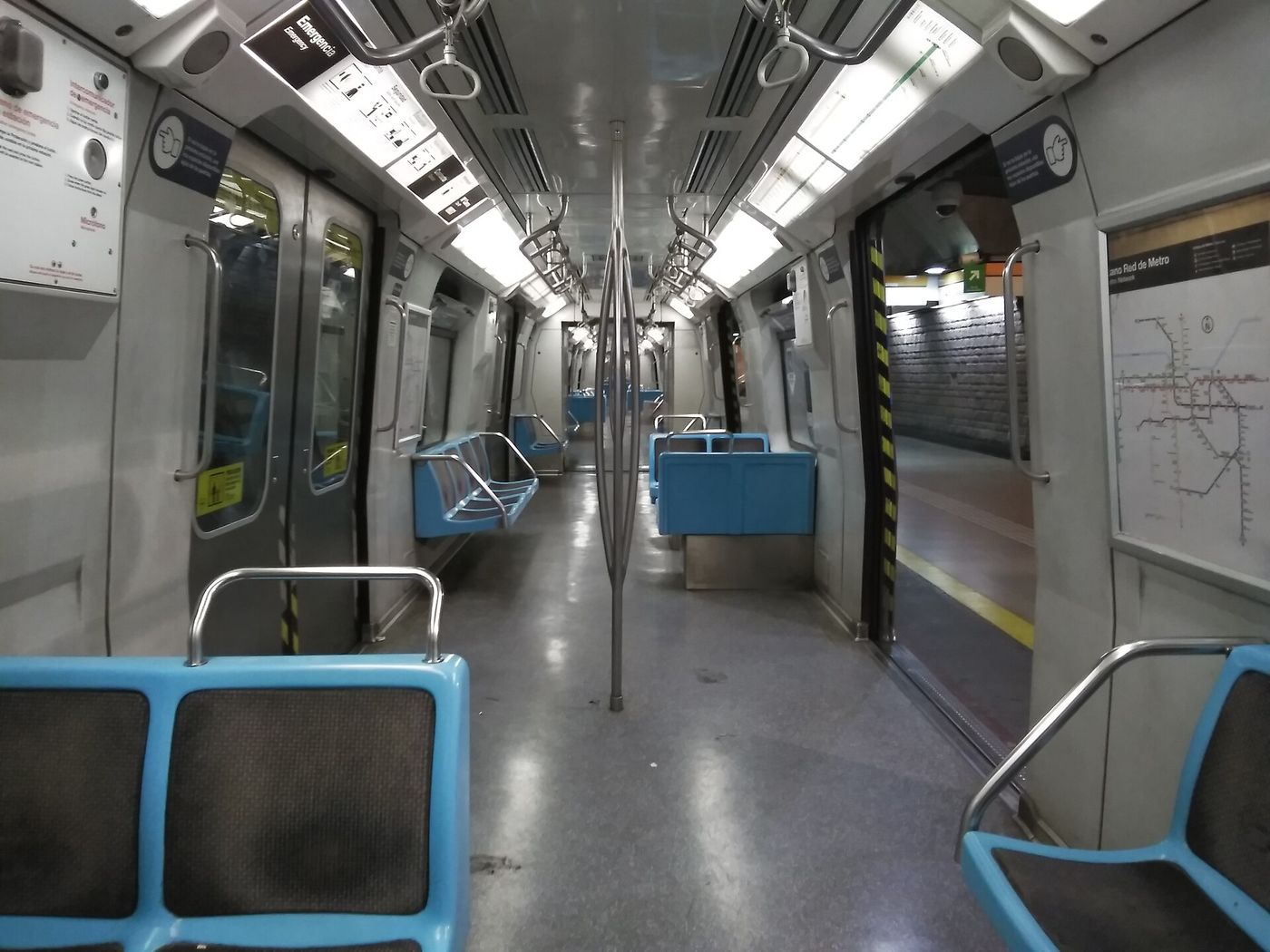
One fare covers a trunk bus, a feeder bus and the Metro within a two-hour window. Contactless Visa and Mastercard work on the Metro gates since 13 February 2026 but not on RED buses, which still need a physical bip! card. Details are in our getting around Santiago guide.
Attractions
| Item | CLP | USD |
|---|---|---|
| Museo de la Memoria, MNBA, MAC, Natural History | 0 | 0 |
| Zoológico Nacional (advance booking required) | 0 | 0 |
| Parque Metropolitano, Cerro Santa Lucía | 0 | 0 |
| MAVI UC | 2,000 | 2.11 |
| CCLM, several galleries | 0 | 0 |
| Teleférico, Pío Nono line, return | from 1,130 | from 1.19 |
| Funicular, return | 2,060–2,250 | 2.17–2.37 |
| Teleférico, Pedro de Valdivia line, return | from 2,630 | from 2.77 |
| Embalse El Yeso, adult entry | 3,450 | 3.63 |
| La Chascona (Neruda’s house) | 11,000 | 11.58 |
| Museo Precolombino, foreign visitor | 12,000 | 12.63 |
| Sky Costanera, adult | 25,000 | 26.32 |
| Sky Costanera, child 5–12 | 10,000 | 10.53 |
| Sky Costanera, sunset slot 18:00–20:00 | 30,000 | 31.58 |
The pattern worth noticing: Santiago’s best-value attractions are free and its most-advertised one is the most expensive. Cerro San Cristóbal costs CLP 1,130 to ride up and gives you a better view than the CLP 25,000 tower.
Food and drink
| Item | CLP | USD |
|---|---|---|
| Menú del día set lunch | 6,000–12,000 | 6–13 |
| Lunch at a La Vega comedor | 4,000–7,000 | 4–7 |
| Empanada | 2,000–3,500 | 2–4 |
| Completo (hot dog) | 2,000–4,000 | 2–4 |
| Dinner, mid-range restaurant | 18,000–30,000 | 19–32 |
| Dinner, good restaurant in Lastarria or Vitacura | 40,000–70,000 | 42–74 |
| Coffee | 2,500–4,500 | 3–5 |
| Schop (draught beer) | 3,000–5,000 | 3–5 |
| Craft beer pint | 5,000–8,000 | 5–8 |
| Glass of wine | 4,000–9,000 | 4–9 |
| Pisco sour | 5,000–9,000 | 5–9 |
| Bottle of good Chilean wine, in a shop | 8,000–25,000 | 8–26 |
| Supermarket shop, one person per day | 8,000–14,000 | 8–15 |
Our food and restaurant guide explains where the menú del día actually works, which is the single biggest lever on a food budget here.
Tours and day trips
| Item | CLP | USD |
|---|---|---|
| Free walking tour (tip-based) | 10,000–20,000 tip | 11–21 |
| Cousiño Macul winery, Traditional tour | 25,000 | 26.32 |
| Cousiño Macul, Premium tour | 40,000 | 42.11 |
| Undurraga, Sibaris tour | 29,500 | 31.05 |
| Santa Rita, Clásico tour | 31,000 | 32.63 |
| Guided day trip, Cajón del Maipo | 40,000–70,000 | 42–74 |
| Half-day Maipo rafting with transfer | 40,000–70,000 | 42–74 |
| Ski day: lift, transfer, rental, lunch | 130,000–190,000 | 137–200 |
Winery prices are per person and were checked against the wineries’ own sites in September 2026. Our wine tours guide covers which of them is worth the money.
How do you pay for things?
Cards work almost everywhere. Visa and Mastercard are accepted in supermarkets, malls, restaurants, hotels, most craft workshops and all taxi apps. American Express is patchier. Contactless is standard.
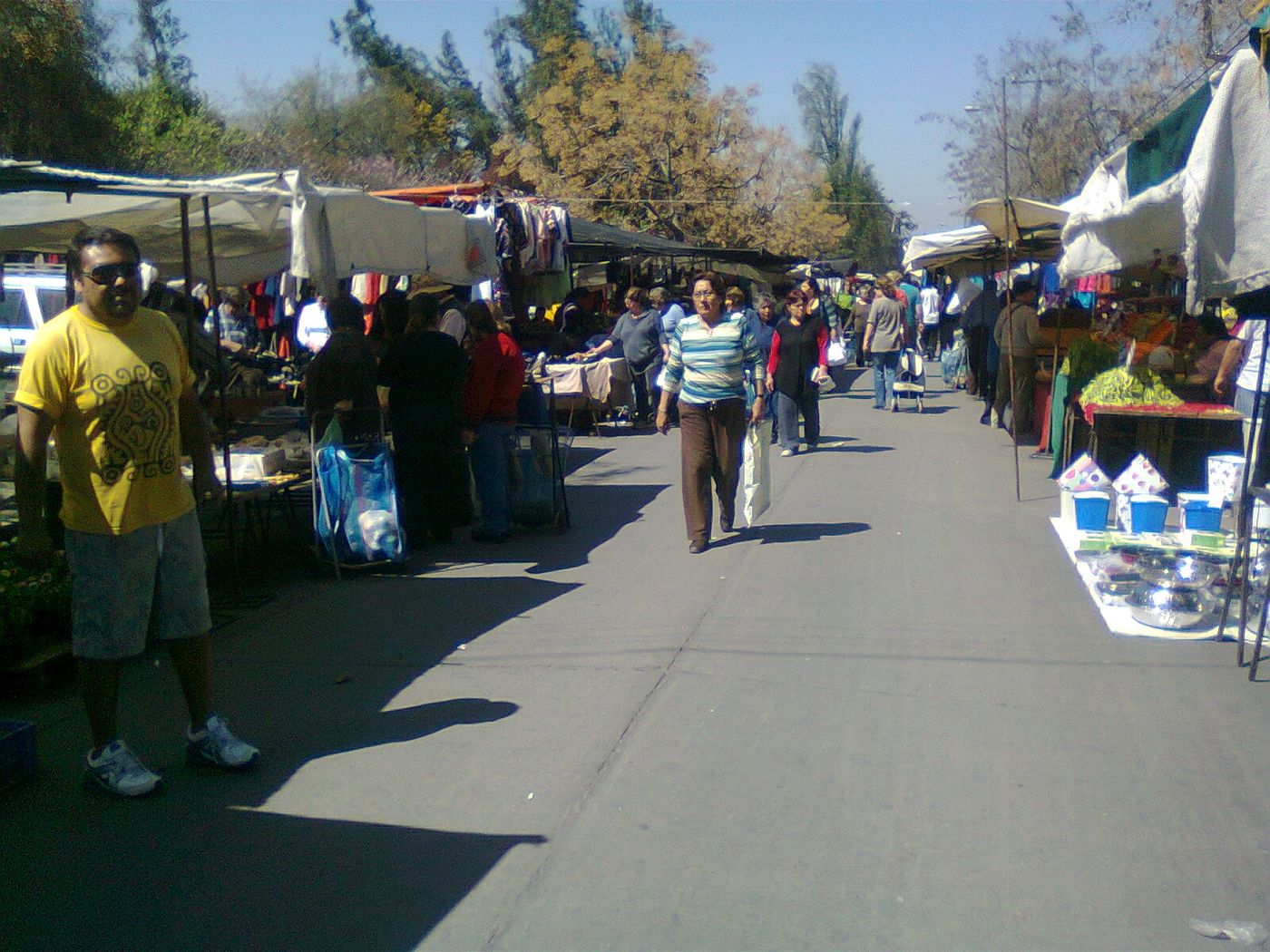
Cash still matters in specific places: market stalls, ferias libres, small comedores, flea markets, some park entrances, street food, and the smaller museums. Carry CLP 20,000–40,000 in mixed notes and you will not get caught out.
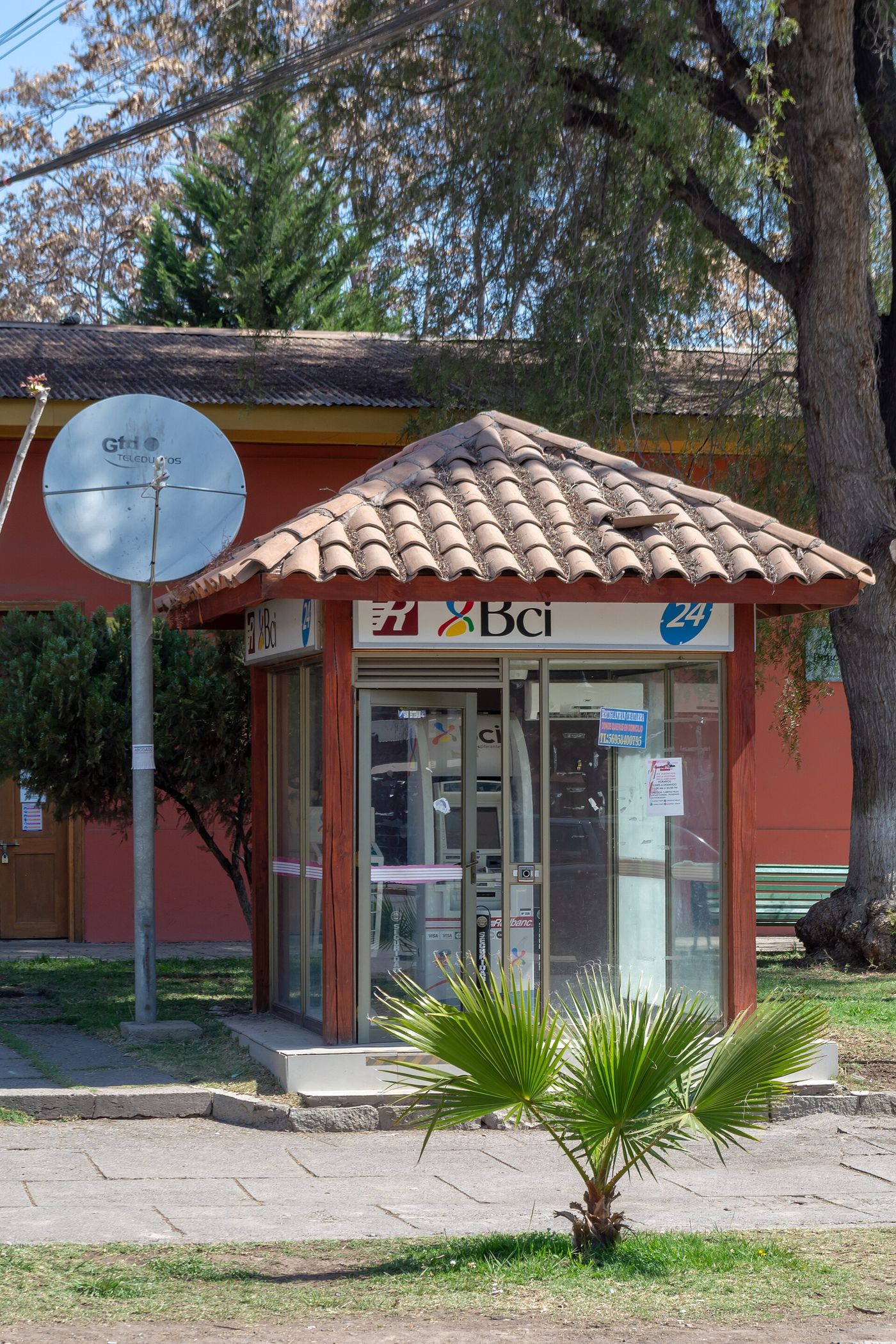
ATMs — cajeros automáticos — are common in malls, Metro stations and bank branches. Three frictions worth knowing:
- Most Chilean ATMs charge foreign cards a fee, typically a few thousand pesos per withdrawal, on top of whatever your own bank charges. Withdraw larger amounts less often.
- Withdrawal limits per transaction are often lower than you are used to, which multiplies the fee problem.
- The machine may ask whether you want to be charged in your home currency. Always decline and pay in Chilean pesos — dynamic currency conversion costs 3–7% and there is no upside to it.
Where to change money. Casas de cambio in Providencia and the historic centre give better rates than the airport or hotels. Compare two before committing; the spread between them is real. Do not change money on the street.
Bring some US dollars if your hotel applies the tourist VAT exemption, since paying in foreign currency is one way to trigger it — more on that below.
What to avoid. Airport exchange counters, hotel exchange desks, dynamic currency conversion at any terminal, and taking out CLP 20,000 at a time from a fee-charging ATM.
Do tourists pay VAT in Chile?
Chile’s IVA is 19% and is already included in every displayed price, so what you see on the label is what you pay. There is no general retail VAT refund scheme for visitors of the kind the EU operates — there is no refund desk at Santiago airport and nothing to claim on shopping.
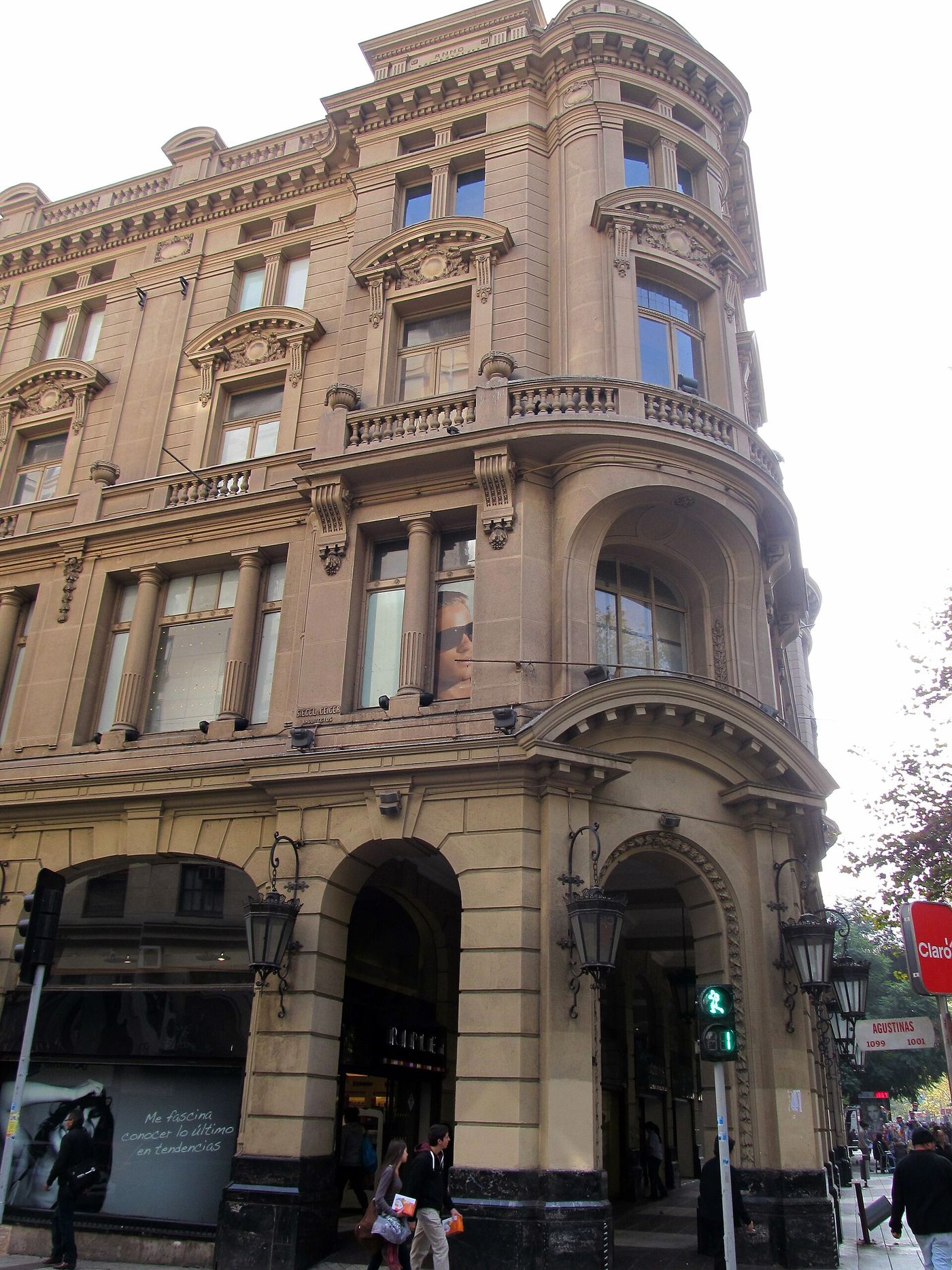
The one exemption most travellers encounter applies to hotel accommodation. Under article 12, letter E, number 17 of Chile’s VAT law, hotel services supplied to foreign tourists without residence in Chile are exempt from IVA. In practice this means:
- The hotel must be registered with the SII, Chile’s tax authority. Smaller guesthouses and many apartment rentals are not, and cannot apply it.
- You must show your passport and the tourist card issued on arrival.
- Payment is generally made in foreign currency or with a foreign-issued card.
- The exemption is applied by the hotel at check-out. It is not something you reclaim afterwards.
What this is worth. On a CLP 100,000 room, 19% is nearly CLP 19,000 a night — about USD 20. Over a week that is real money, and it is the single largest saving available to a visitor here.
How to actually get it. Ask at booking, not at check-out, and ask specifically: “does your hotel apply the IVA exemption for foreign tourists?” Some hotels quote net-of-IVA rates to foreign bookers automatically; others quote gross and adjust at the desk; a few simply do not participate. A quoted rate that seems 19% higher than a competitor’s may be the same room priced differently.
What it does not cover. Restaurants, shops, transport, tours and attractions all charge IVA with no exemption. Long stays are also outside it — the exemption is designed for tourists, not for people living here.
What does accommodation cost?
The biggest single line in almost every budget, and the one with the widest range.
| Type | Per night (CLP) | USD |
|---|---|---|
| Hostel dorm bed | 14,000–22,000 | 15–23 |
| Hostel private room | 35,000–55,000 | 37–58 |
| Budget hotel or guesthouse, double | 45,000–70,000 | 47–74 |
| Mid-range hotel, double | 80,000–140,000 | 84–147 |
| Apartment rental, one bedroom | 60,000–120,000 | 63–126 |
| Four-star hotel, double | 150,000–250,000 | 158–263 |
| Five-star, El Golf or Vitacura | 250,000+ | 263+ |
Ranges reflect what was typical in September 2026 and move with season and demand. Three things shift these numbers more than the star rating:
Neighbourhood. Providencia runs 20–30% cheaper than an equivalent room in Lastarria for a more convenient base. The historic centre is cheapest of all and empties out after dark. Our where to stay guide sets out the trade-offs.
Season. January and February are the Chilean summer holidays and the most expensive months in the city, along with the week around 18 September. June to August is the cheapest, and the mountains are the reason to be here then.
The IVA exemption, which is effectively a 19% discount at hotels that apply it and no discount at all at those that do not.
How to spend less without having a worse trip
The genuinely effective levers, in order of how much they save.
1. Eat the big meal at lunch. The menú del día — a set lunch of soup or salad, a main, and often a drink and dessert — runs CLP 6,000–12,000 at places that charge three times that in the evening. This is how Chileans eat, and it is the single largest saving available on food.
2. Get the hotel IVA exemption. Nineteen per cent of your largest expense, for the cost of asking a question at booking.
3. Use the free attractions. Four major museums, both hills, the zoo, every park and the Cementerio General cost nothing. A week of genuinely good sightseeing here can cost under CLP 20,000 in entry fees.
4. Buy the bip! card on day one. It covers buses the Metro does not reach and the transfer window makes a bus-plus-Metro trip a single fare.
5. Drink Chilean. Domestic wine, pisco and beer are cheap and good. Imported spirits carry heavy duties.
6. Shop at supermarkets and La Vega, not tourist shops. The same bottle of wine costs a third as much in a Jumbo as at the airport, and fruit at La Vega is a fraction of supermarket prices.
7. Skip Sky Costanera. CLP 25,000 for a view you can get for CLP 1,130 on the teleférico or nothing on Cerro Santa Lucía.
8. Go independently where you can. Public transport reaches the foothill trailheads, the wine train to Pirque, and every neighbourhood in this city. Tours earn their price in the high Cajón del Maipo and on the ski road, and rarely elsewhere.
9. Travel in the shoulder seasons. March–May and September–November give you better weather than either extreme and lower prices than January.
Money safety: what to carry and what to leave behind
Chile is a card economy with a street-theft problem, and the two facts together shape how you should carry money here.
What to carry on a normal day. One card, CLP 20,000–40,000 in cash split between two pockets, and your phone. That is enough for a market lunch, a taxi and an entry fee, and small enough that losing it is annoying rather than trip-ending.
What to leave in the hotel safe. Your passport (carry a photocopy or a photo of it, plus the tourist card), your second card, the bulk of your cash, and anything you would not want to hand over.
Where the risk actually is. Crowded markets — La Vega, Mercado Central, Persa Bío Bío — the pedestrian streets in the historic centre, Metro carriages at rush hour, and bar entrances at night. The UK Foreign Office reports that pickpocketing and mugging are common in Santiago and that distraction thefts, including liquid-spill scams, are a recurring pattern; the Government of Canada notes that armed robberies have increased in recent years and mentions express kidnappings involving forced ATM withdrawals.
The practical rules. Use ATMs inside banks and malls in daylight, not street machines at night. Do not count money in public. Keep your phone in a front pocket rather than in your hand while walking. Decline unsolicited help at a cash machine. And if someone spills something on you, that is the scam — step away rather than letting a stranger help you clean it off.
Taxis and fare fraud. Use an app, where the fare is agreed before you get in. The UK Foreign Office documents an airport taxi fraud in which a visitor was charged 5,000,000 CLP instead of 50,000 CLP — a decimal-place manipulation that is easy to miss when the currency is unfamiliar. Look at the number of zeros. Our safety guide has the full picture.
One reassurance. None of this makes Santiago a dangerous city to handle money in. It makes it a city where carrying your whole trip’s cash in one wallet is a bad idea, which is true almost everywhere.
What should you tip?
Restaurants: 10%. It is usually added to the bill as propina sugerida — a suggested tip — and you are asked whether you want to include it. Almost everyone says yes. You can decline without drama if the service was bad.
Bars where you order at the counter: nothing expected.
Taxis: round up. No percentage tip expected.
Hotels: CLP 1,000–2,000 per bag for porters, similar per night for housekeeping if you want to. Not obligatory.
Free walking tours: these run entirely on tips, and CLP 10,000–20,000 per person is the reasonable range for a two- to three-hour tour. Anything less is undertipping a guide who has worked for two hours.
Guides and drivers on day tours: 5–10% of the tour price if they were good.
Market stalls, shops, petrol stations: nothing. There is often an informal car-park attendant who will expect a few hundred pesos, which is customary.
Tipping culture here is moderate — more than Japan, much less than the United States. Ten per cent covers almost every situation.
What does each part of a trip cost, start to finish?
Rather than a daily average, here is the shape of a typical seven-day trip with the one-off costs called out, because those are where budgets break.
Getting in and out. The airport is 20 km west of the centre. A shared shuttle, an official taxi and a taxi app all cost different amounts and take different lengths of time; our Santiago airport guide sets out which is which. Budget for both directions and do it before you arrive, because the arrivals hall is where people overpay.
The first hour. A bip! card at CLP 1,550, a first recharge, and enough cash from an ATM to cover a day. That is the whole of your setup cost.
Days in the city. Metro plus walking plus free attractions is the cheapest kind of day in Santiago and, because of what is free here, also one of the best. Four of the major museums, both hills, the zoo and every park cost nothing.
Days out of the city. These are the expensive days and they are worth budgeting individually. A wine tour is CLP 25,000–40,000 for the tasting plus transport. A guided Cajón del Maipo day runs CLP 40,000–70,000 all in. Valparaíso costs CLP 4,900–6,180 each way on the bus plus whatever you spend there, which makes it by far the best-value day trip. A ski day with transfer, lift, rental and lunch is the single most expensive thing most visitors do here.
Eating. The lever, as above, is lunch versus dinner. The same food costs a third as much at 13:30 as it does at 21:30.
The souvenir budget. Modest, if you buy the right things in the right place. Craft at Pueblito Los Dominicos and wine from a supermarket cost a fraction of the equivalent at the airport or in the historic centre — our shopping guide covers where prices are fair.
Contingency. Add 10–15%. Chile is not a country where you get stung by scams at every turn, but taxis at 03:00, a closed road on the day you planned the mountains, and a meal that ran longer than expected all cost money.
How does Santiago compare to other cities?
Useful context, because “expensive” only means anything relative to something.
Cheaper than Santiago: Lima, La Paz, Bogotá, Quito, most of Southeast Asia. Noticeably so on accommodation and restaurants.
Roughly comparable: Buenos Aires (though Argentina’s prices swing wildly with its exchange rate), Montevideo, Mexico City at the upper end, Lisbon, Athens.
More expensive than Santiago: Madrid, Rome, Sydney, Toronto, and every major North American city. A mid-range Santiago restaurant meal costs roughly half what the equivalent costs in Madrid.
Where Santiago is unusually cheap. Public transport — under a dollar for any Metro journey across a city of seven million. Museums, several of which are free. Domestic wine. Fruit and vegetables. Domestic flights within Chile, which are competitive.
Where Santiago is unusually expensive. Imported electronics and clothing, which carry import duties and serve a small market. Organised tours, which are priced for a captive market. Anything at a ski resort. And accommodation relative to its neighbours, because Santiago has more business travel and less budget inventory than Lima or Buenos Aires.
When is Santiago cheapest?
Season moves prices more than anything except your choice of hotel.
| Period | Accommodation | Flights | Crowds | Verdict |
|---|---|---|---|---|
| January–February | Highest | Highest | Chilean holidays, city half-empty | Avoid if budget matters |
| March–May | Mid | Mid | Low | Best value overall |
| June–August | Lowest | Lowest | Low in the city, high in the mountains | Cheapest, with caveats |
| September | Mid, spiking 15–20 Sep | Mid | High around Fiestas Patrias | Book around the holiday |
| October–November | Mid | Mid | Low | Excellent weather, fair prices |
| December | Rising | Rising | Building | Fine until about the 20th |
The counter-intuitive one is winter. June to August is the cheapest time to be in Santiago and the most expensive time to be in the mountains above it, because the ski season sets prices there. If you are not skiing, a July trip is genuinely good value: the museums are empty, the hotels are cheap, and the only real costs are grey skies and the winter smog.
The one to plan around is 18–19 September. Fiestas Patrias closes most museums and attractions for two days, fills the parks with fondas, and pushes accommodation prices up for the week around it. It is a wonderful time to be here and a bad time to expect a normal city at normal prices. Our best time to visit guide covers the weather side of this in full.
February is the odd one. Chileans leave the city for the coast, so Santiago itself is quiet and some restaurants close for the month, while the beach towns and Valparaíso are at their most expensive. If you are staying in the capital, February is quieter and cheaper than its reputation.
What hidden costs catch people out?
The line items that are missing from most budgets.
ATM fees. A few thousand pesos per withdrawal, plus your own bank’s charge, plus a bad rate if you accept dynamic currency conversion. Three withdrawals a week is a real number on a two-week trip.
Airport transfers. The taxi into town is not the cheap part of arriving. Our Santiago airport guide sets out the options and what each costs.
Day trips. The single largest budget-breaker. One guided day can cost more than two days in the city.
The teleférico and funicular on a Monday. They are closed, so a planned free-ish day on the hill becomes a taxi somewhere else.
Bottled water, if you insist on it. Tap water is safe.
Tours to things you could reach yourself. The foothill trailheads, the Metro to Pirque, Los Dominicos and every barrio in this guide are all reachable independently.
Imported anything. If you forget a jacket, buying one here costs more than it would at home. Bring what you need.
18 and 19 September. Fiestas Patrias closes most attractions for two days and raises accommodation prices around them. If your dates overlap, budget for a different kind of trip rather than the one you planned.
A reproducible way to budget your own trip
Rather than trusting someone else’s daily figure, build it from four numbers. This takes five minutes and gives you something you can adjust.
Step 1: accommodation. Take your nightly rate, divide by the number of people sharing, and subtract 19% if the hotel applies the IVA exemption. This is usually 40–60% of the total.
Step 2: food, at one of three levels.
- Cheap: CLP 15,000/day (market lunch, supermarket breakfast, cheap dinner)
- Middle: CLP 35,000/day (set lunch, a proper dinner, coffee)
- Generous: CLP 80,000/day (restaurants twice, wine)
Step 3: transport. CLP 2,500/day on the Metro if you are using it, CLP 8,000–15,000/day if you are taking taxis. Add the bip! card once.
Step 4: the one-offs. List them individually rather than averaging: airport transfer both ways, each day trip, each paid attraction. This is the part of the budget people get wrong, because these are lumpy rather than daily.
Worked example, two people, five days, mid-range.
| Line | CLP |
|---|---|
| Hotel, 4 nights at 110,000, IVA-exempt | 356,400 |
| Food, 2 people × 5 days × 35,000 | 350,000 |
| Transport, 2 × 5 × 3,000 plus two bip! cards | 33,100 |
| Airport transfers, both ways | 50,000 |
| One wine tour, 2 × 31,000 | 62,000 |
| One Cajón del Maipo day, 2 × 55,000 | 110,000 |
| Museums and the hill, 2 people | 40,000 |
| Total | 1,001,500 |
That is about USD 1,054 for two people for five days, excluding flights — roughly USD 105 per person per day. Drop the two day trips and it falls to USD 87 a day; upgrade the hotel to a four-star and it rises to about USD 145.
Three sample budgets, itemised
Three real trip shapes with the numbers written out, so you can see where the money actually goes rather than trusting a daily average.
The backpacker: 7 days, hostel, no tours.
| Line | CLP |
|---|---|
| Hostel dorm, 6 nights at 18,000 | 108,000 |
| Food, 7 days at 15,000 | 105,000 |
| Metro and bip! card | 19,000 |
| Airport, shared shuttle both ways | 16,000 |
| Attractions (Precolombino, teleférico, El Yeso entry) | 17,000 |
| Valparaíso day trip, bus both ways plus lunch | 22,000 |
| Total | 287,000 (~USD 302) |
The mid-range couple: 5 days, three-star hotel, two tours.
| Line | CLP |
|---|---|
| Hotel, 4 nights at 110,000, IVA-exempt | 356,400 |
| Food, 2 people × 5 days × 35,000 | 350,000 |
| Transport and bip! cards | 33,100 |
| Airport transfers both ways | 50,000 |
| Wine tour, 2 people | 62,000 |
| Cajón del Maipo day, 2 people | 110,000 |
| Museums and hills, 2 people | 40,000 |
| Total | 1,001,500 (~USD 1,054) |
The family of four: 6 days, apartment, self-catering.
| Line | CLP |
|---|---|
| Two-bedroom apartment, 5 nights at 130,000 | 650,000 |
| Supermarket and market food, 6 days | 180,000 |
| Eating out, 4 lunches for 4 | 144,000 |
| Transport, bip! cards and taxis | 70,000 |
| Airport transfers, private van both ways | 70,000 |
| MIM, Sky Costanera for two adults, teleférico for four | 75,000 |
| Farellones snow day, 4 people with transfer | 220,000 |
| Total | 1,409,000 (~USD 1,483) |
Three things those tables show. Accommodation dominates every budget, which is why the IVA exemption and the choice between a hotel and an apartment matter more than anything else. The tours are the swing factor — the mid-range couple spends 17% of their trip on two days out. And the city itself is cheap: strip out accommodation and one-off excursions and a day in Santiago costs very little indeed.
Understanding Chilean prices and the peso
Two quirks of Chilean money confuse visitors more than anything else.
The zeros. The peso has no subdivision in practical use and prices carry a lot of digits: a coffee is 3,000, a meal is 20,000, a hotel night is 120,000. Arriving from a currency where a coffee costs 3 or 4 units, it is genuinely easy to misread a price by a factor of ten — which is exactly the gap that makes the airport taxi fraud work. The habit worth building in the first hour: divide by a thousand and you have roughly the dollar figure. A 12,000-peso meal is about 12 dollars. It is close enough for every decision you will make.
The UF. You will see prices quoted in Unidades de Fomento for rents, some long-stay accommodation and financial products. The UF is an inflation-indexed unit of account whose peso value is republished daily, and it exists because Chile spent decades managing high inflation. Visitors rarely need it, but if you are renting an apartment for a month, the quoted UF price is not a peso price and the difference is large.
Notes and coins. Chilean banknotes are polymer, hard to tear and come in 1,000, 2,000, 5,000, 10,000 and 20,000. Coins run 10, 50, 100 and 500. Two practical things follow: breaking a 20,000 note in a market stall or a small comedor is a problem, so keep small notes for those, and the 10-peso coin is worth so little that many shops round cash totals to the nearest 10 or 50 and nobody minds.
Prices are almost never negotiable outside the flea markets. The displayed price includes 19% IVA and is what you pay. Where you will see a variation is efectivo — a small discount for cash at some independent businesses, because card processing costs them.
Inflation. Chile has been comparatively stable in recent years by regional standards, but any price you read in a travel guide more than a year old is likely to be low. Everything in this guide carries a September 2026 date for exactly that reason, and the peso itself moved from 926 to 958 to the dollar within the first two weeks of that month.
Frequently asked questions
How much money do you need per day in Santiago?
Around CLP 45,000 (USD 47) per day as a backpacker staying in hostels and eating set lunches, CLP 120,000 (USD 126) per day at a mid-range level, and CLP 270,000 (USD 284) at the comfortable end. Day trips and tours sit on top of these and add CLP 40,000–90,000 each.
Is Santiago cheaper than Buenos Aires?
Broadly comparable, though Argentina’s prices swing sharply with its exchange rate and can be dramatically cheaper or more expensive depending on the month. Santiago is more predictable. Accommodation tends to cost more in Santiago; restaurant meals and taxis are similar.
Can tourists claim back VAT in Chile?
Not on shopping. Chile’s 19% IVA is included in displayed prices and there is no retail refund scheme or airport refund desk. The exception is hotel accommodation for foreign tourists without Chilean residence, which is exempt under the VAT law — the hotel applies it at check-out if it is SII-registered and you show your passport and tourist card.
Should you use cash or card in Santiago?
Card for most things — supermarkets, restaurants, hotels, malls, taxi apps — and cash for markets, street food, small comedores, flea markets and some park entrances. Carry CLP 20,000–40,000 in mixed notes. Always decline dynamic currency conversion and pay in pesos.
How much is the Metro in Santiago?
CLP 735 to 895 depending on the time of day, which is roughly USD 0.77 to 0.94. Peak hours are 07:00–08:59 and 18:00–19:59 at CLP 895; the off-peak fare is CLP 815 and the early and late fare is CLP 735. Contactless bank cards work on the Metro but not on the buses.
Do you tip in Chile?
Ten per cent in restaurants, usually added to the bill as a suggested tip you are asked to approve. Round up for taxis. Free walking tours run on tips, where CLP 10,000–20,000 per person is reasonable. No tipping is expected in bars where you order at the counter, in shops or at markets.
What is the exchange rate for Chilean pesos?
The Chilean peso traded between roughly 926 and 958 to the US dollar across the first half of September 2026, with a month-to-date average of 936 (SII dólar observado). This guide uses CLP 950 to USD 1 as a working figure. Check a current rate before you travel, because the peso moves.
How much should you budget for a week in Santiago?
Excluding international flights: roughly USD 300 for a week as a backpacker, USD 900 mid-range, and USD 2,000 at the comfortable end. Two people sharing a room cut the mid-range figure significantly. Add USD 45–75 for each guided day trip and around USD 150–200 for a day of skiing.
Sources
- Servicio de Impuestos Internos — dólar observado
- Servicio de Impuestos Internos — IVA
- Biblioteca del Congreso Nacional — Ley sobre Impuesto a las Ventas y Servicios
- Metro de Santiago — fares and hours
- Santiago Turismo — public transport and the bip! card
- Teleférico Santiago — fares
- Funicular Santiago — fares
- Sky Costanera — tickets
- Museo Chileno de Arte Precolombino — tickets
- Fundación Pablo Neruda — La Chascona
- Viña Cousiño Macul — tours
- Viña Santa Rita — tours
- Viña Undurraga — tours
- Banco Central de Chile
Image credits
| Photo | Credit |
|---|---|
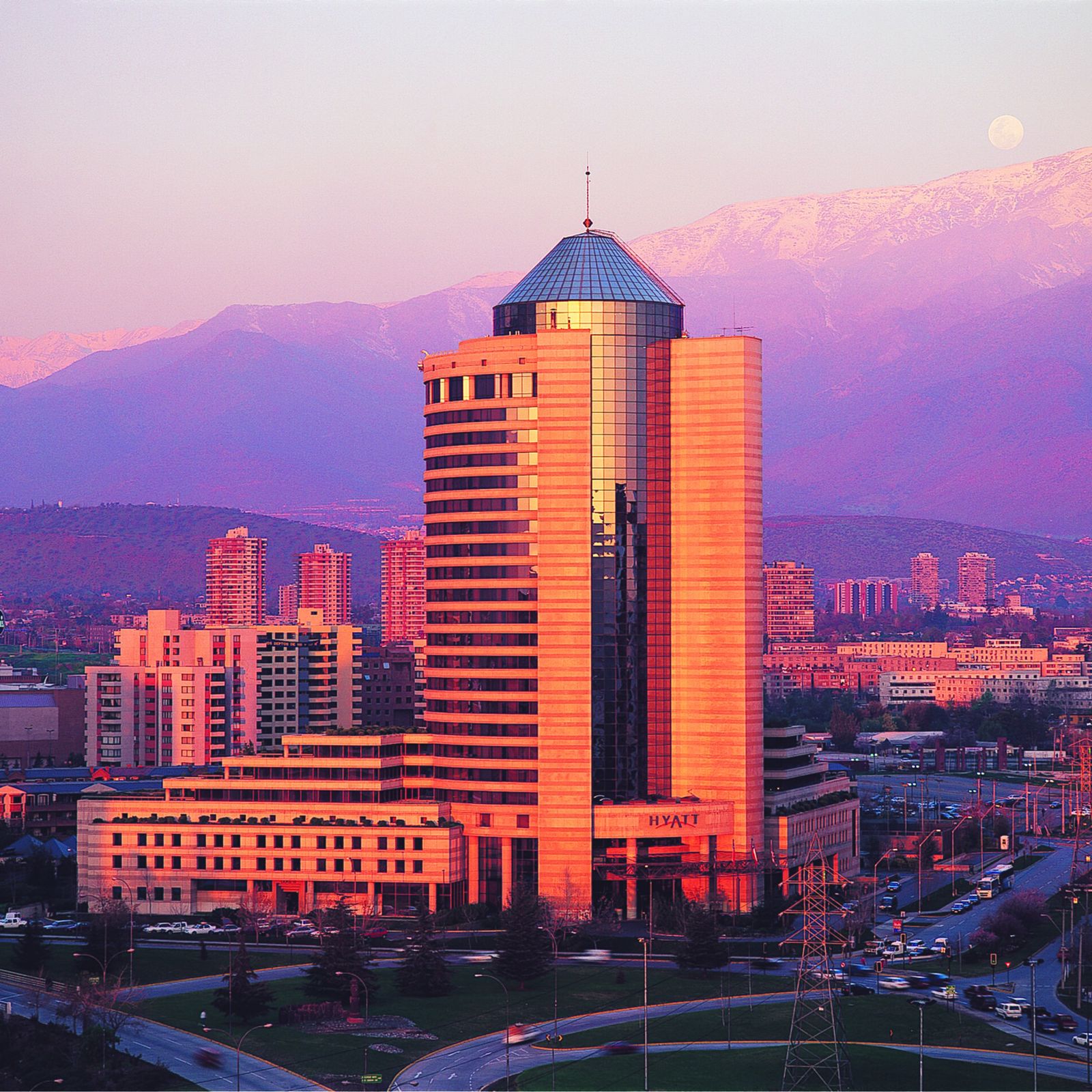
| Hotel tower at sunset (top of page) | Pauchileperu, CC BY-SA 3.0, via Wikimedia Commons |
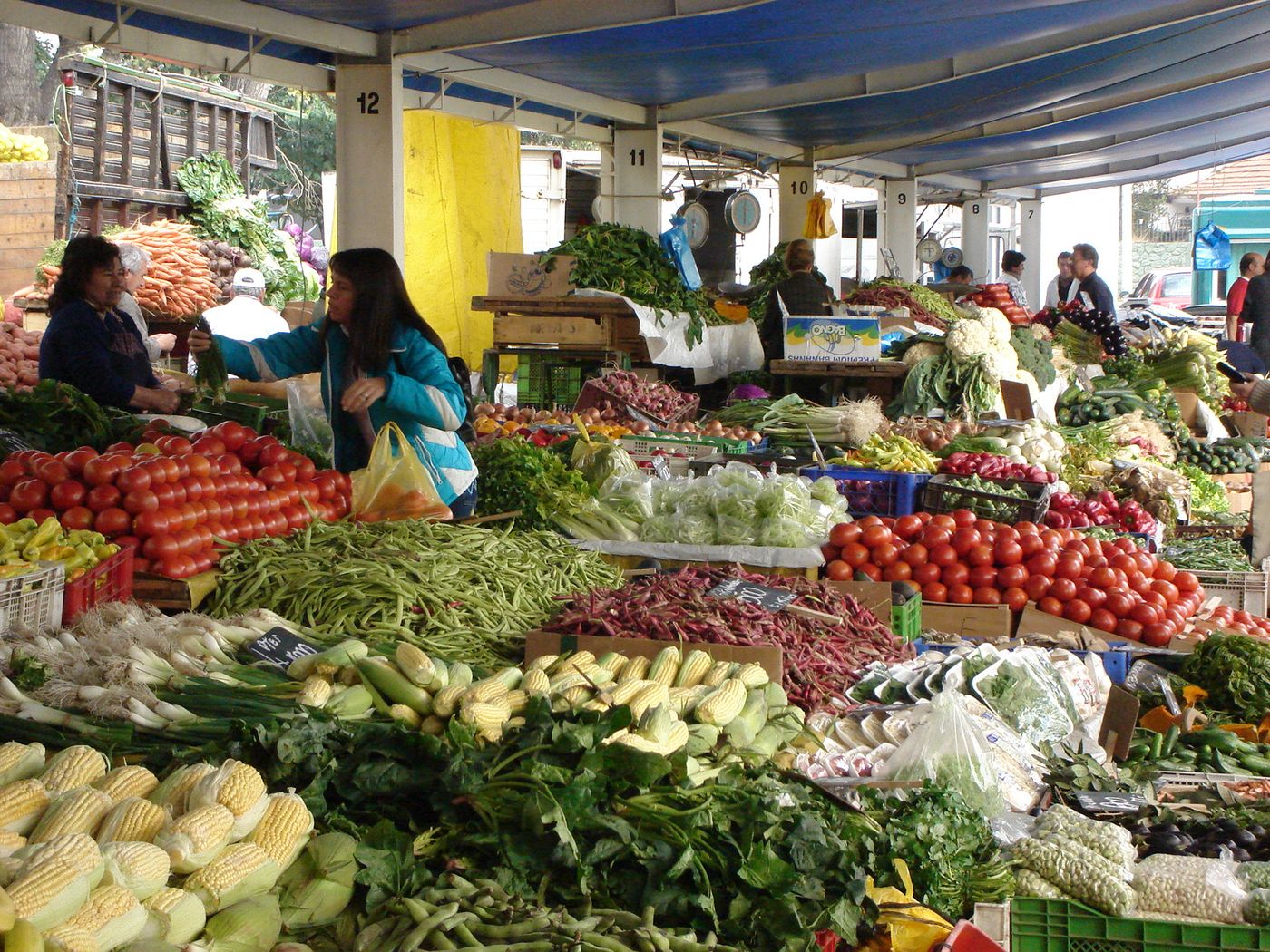
| Feria libre produce stall | Jorge Valdés R. Jorval, public domain, via Wikimedia Commons |
| Metro de Santiago train interior | Sfs90, CC BY-SA 4.0, via Wikimedia Commons |
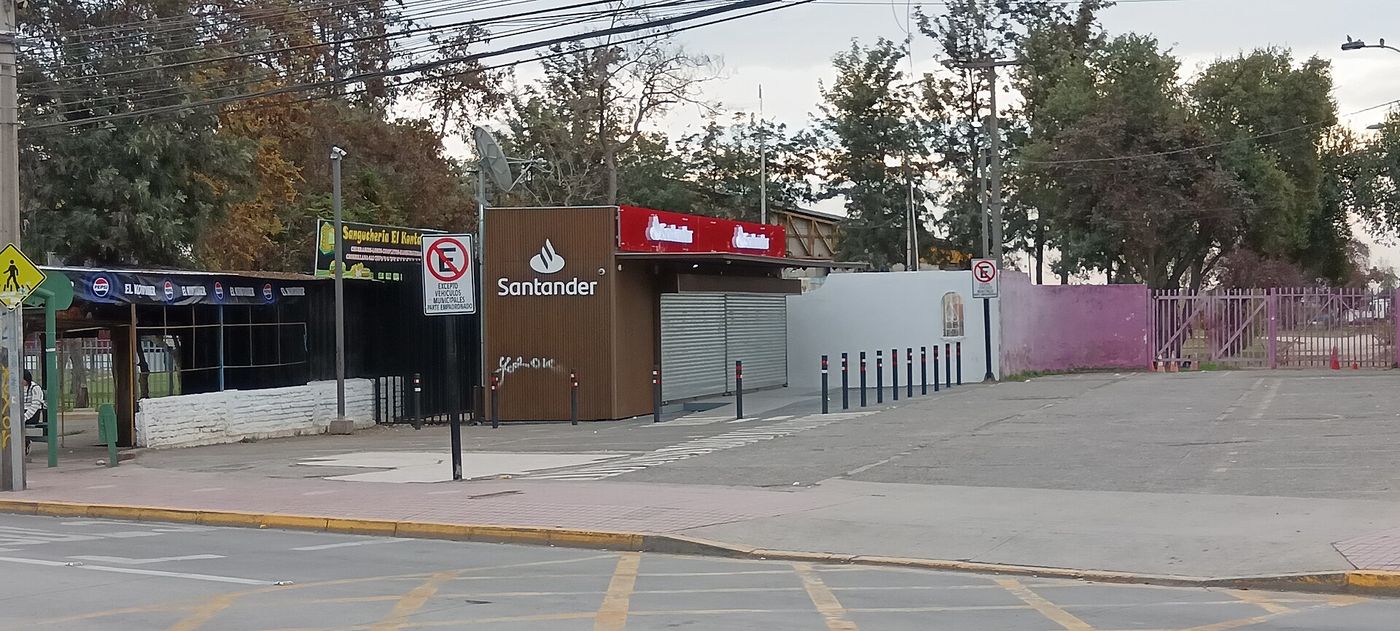
| Bank branch, Santiago | Alexisaherven, CC BY 4.0, via Wikimedia Commons |
| Cash machine, Chile | Carlos Figueroa Rojas, CC BY-SA 4.0, via Wikimedia Commons |
| Historic hotel building, central Santiago | Warko, CC BY-SA 3.0, via Wikimedia Commons |
| Feria libre, Santiago | Jorgebarrios, CC BY 3.0, via Wikimedia Commons |