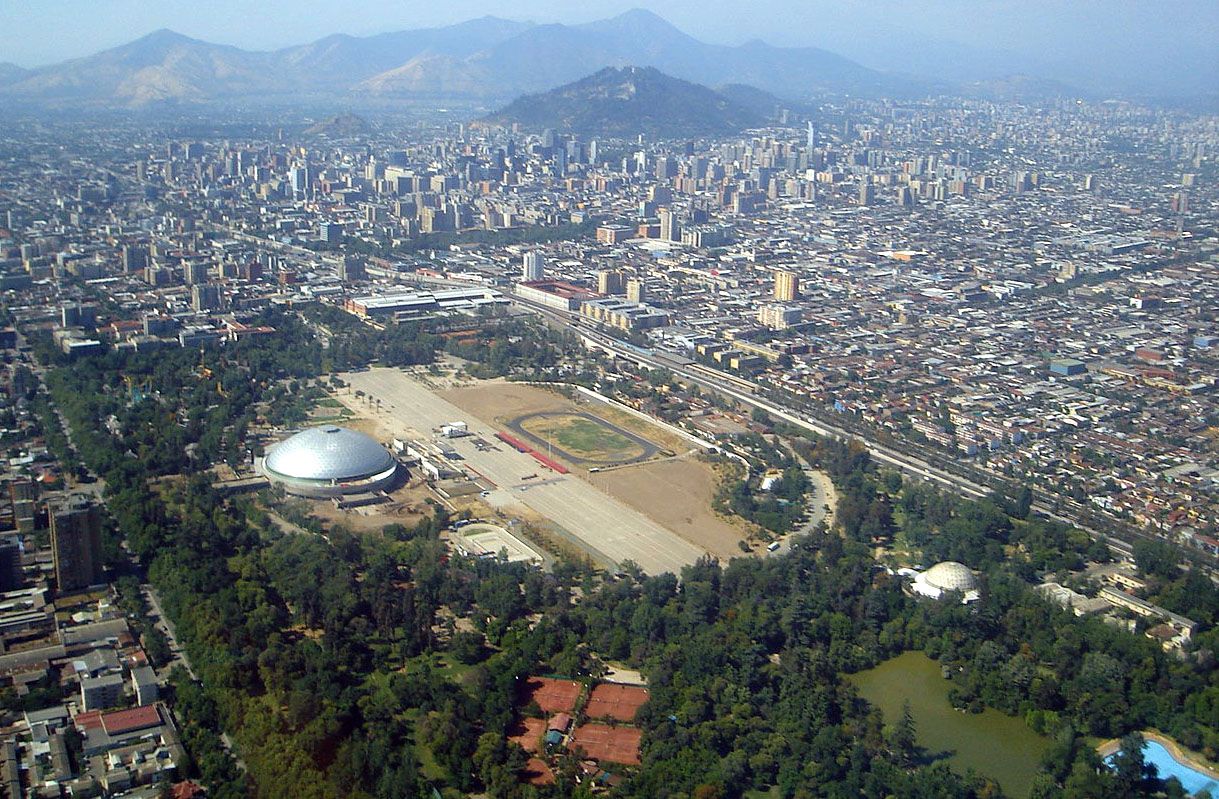
Lollapalooza Chile 2027 runs on 12, 13 and 14 March 2027 at Parque O’Higgins in Santiago, with three-day passes on sale through Ticketmaster Chile. This Lollapalooza Chile visitor guide covers the verified pass prices, which tier is actually worth paying for, how to get in and out of the park, and what March weather does to a three-day festival.
Sales opened before the line-up was announced, which is normal here: the festival sells on reputation and reveals the bill later. Early Bird passes for 2027 started at CLP 168,000 including fees, and the current stages run higher (checked September 2026). Everything below comes from the festival’s own pricing and accessibility pages rather than from resellers. For the rest of the Chilean event calendar, see the events and festivals guide.
Lollapalooza Chile 2027 at a glance
| Detail | 2027 edition |
|---|---|
| Dates | Friday 12, Saturday 13 and Sunday 14 March 2027 |
| Venue | Parque O’Higgins, Santiago |
| Nearest Metro | Parque O’Higgins, Line 2 |
| Tickets | Ticketmaster Chile, ticketmaster.cl |
| Passes available | Three-day passes only at this stage |
| Cheapest pass sold | Early Bird, CLP 168,000 with fees, 1,000 units |
| Current general tier | Preventa 2 at CLP 294,600 with fees |
| Children | Under 10 enter free with a ticketed adult |
| Line-up | Not announced as of September 2026 |
| Weather | March averages 28.6°C by day, 11.4°C at night, almost no rain |
Two things shape a visit here more than the line-up. The first is the ticket ladder: prices climb through Early Bird, Preventa 1 and Preventa 2 to general sale, and bank or mall promotions knock roughly 20% off the base fare at every stage. The second is transport, because the Metro closes at 23:00 and a festival night does not.
When and where is Lollapalooza Chile?
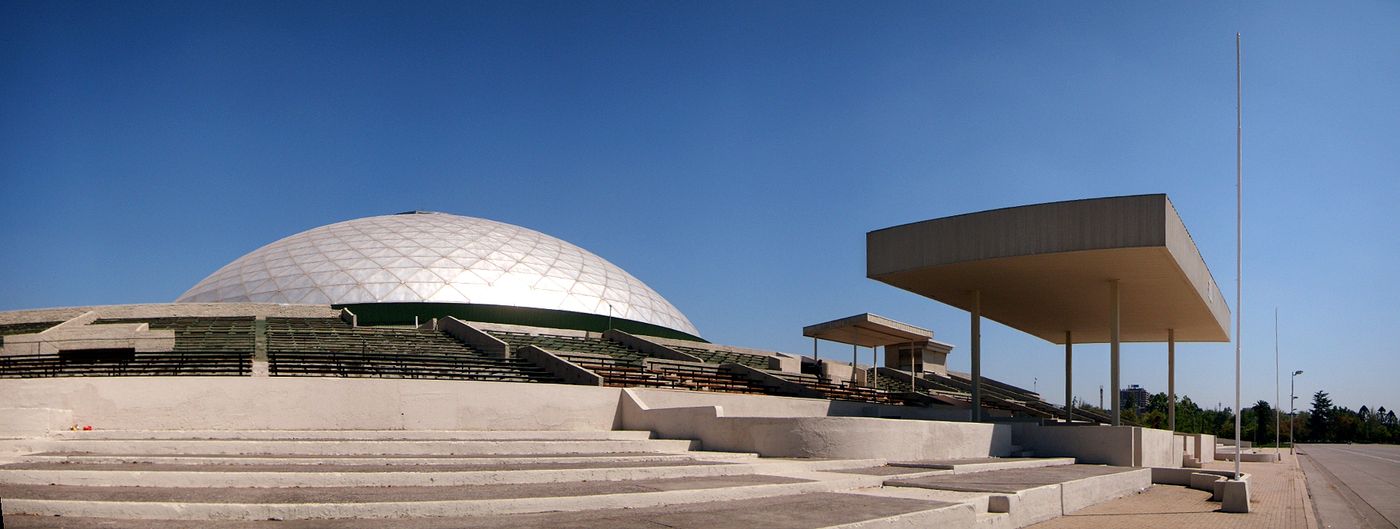
Lollapalooza Chile 2027 takes place on 12, 13 and 14 March 2027 at Parque O’Higgins, the large public park south of Santiago’s historic center. The festival has used the park for most of its Chilean editions, and the nearest station is Parque O’Higgins on Metro Line 2.
March is a deliberate choice. It sits at the end of the Chilean summer, after the January and February holidays, when the city is back at work and the weather is still reliably dry. Average highs that month run 28.6°C with about 0.9 mm of rain across the entire month, which makes an outdoor festival close to weatherproof.
The Latin American Lollapalooza legs cluster in the same window, with Argentina and Brazil running their editions around the same weekends. That matters if you are traveling: artists on the Chilean bill usually play the neighboring countries within days, and flights between Santiago, Buenos Aires and São Paulo fill up around those dates.
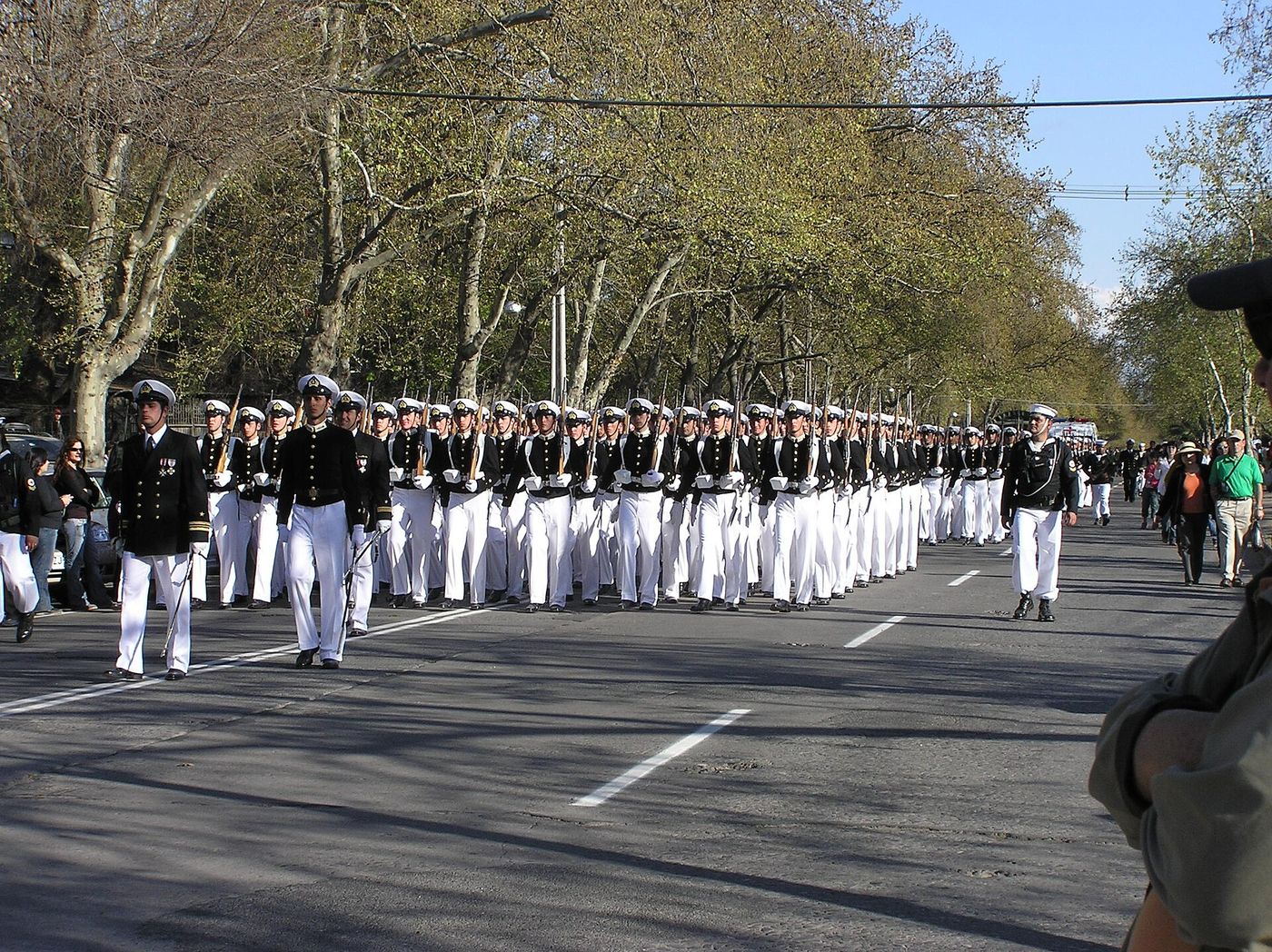
Parque O’Higgins itself is worth knowing outside the festival. It is one of the city’s largest parks, with wide lawns, an amusement park at one edge and space for the crowds that Fiestas Patrias brings in September. On a normal weekend it is a local park rather than a tourist attraction, which is part of why the festival site works.
How much do Lollapalooza Chile tickets cost?
Three-day passes started at CLP 168,000 including fees for the 1,000 Early Bird units and rise through each sale stage. Preventa 2 general passes were CLP 294,600 with fees, or CLP 242,000 with a Banco de Chile or Cenco Malls promotion. Premium tiers run far higher, up to CLP 1,306,000 for Platinum at general sale.
Full verified pricing for the 2027 edition, as published by the festival (checked September 2026). Prices are in Chilean pesos and include the service charge:
| Pass | Sale stage | Final price | USD approx. |
|---|---|---|---|
| General 3-day | Early Bird | CLP 168,000 | 177 |
| General 3-day | Preventa 1 | CLP 277,800 | 292 |
| General 3-day | Preventa 1, bank or mall promo | CLP 228,200 | 240 |
| General 3-day | Preventa 2 | CLP 294,600 | 310 |
| General 3-day | Preventa 2, bank or mall promo | CLP 242,000 | 255 |
| Lolla Lounge 3-day | Preventa 1 | CLP 617,200 | 650 |
| Lolla Lounge 3-day | General sale | CLP 835,600 | 880 |
| Platinum 3-day | Preventa 1 | CLP 1,047,200 | 1,102 |
| Platinum 3-day | General sale | CLP 1,306,000 | 1,375 |
| Lolla Upgrade by Pepsi | Normal | CLP 126,600 | 133 |
Converted at CLP 950 to USD 1, the September 2026 working rate. A few structural notes that are easy to miss:
- The service charge is separate and substantial. A CLP 263,000 Preventa 2 general pass carries a CLP 31,600 fee, which is how it becomes CLP 294,600.
- Bank and mall promotions cut about 20% off the base fare, not off the fee. In 2027 those were tied to Banco de Chile cards and Cenco Malls, with limited stock at each stage.
- Stock is capped per stage. Early Bird was 1,000 units; Preventa 1 general was 18,000; the promotional allocations were 6,500 each. When a tier sells out, the price steps up.
- No single-day tickets were listed at the time of writing. Historically some editions have released day passes later, but the published 2027 structure is three-day only.
- Children under 10 enter free with a ticketed responsible adult, which makes this an unusually affordable festival for families with young children.
Which pass is actually worth buying?
The general three-day pass, bought at the earliest stage you can commit to. Lounge and Platinum multiply the price by two to four times for shade, better toilets, dedicated bars and elevated viewing, which is a real upgrade in a hot, dusty park but not a proportional one.
The honest breakdown:
- General. Full access to every stage. You stand, you queue, you walk a lot, and you see the same shows as everyone else. At CLP 242,000 to 294,600 for three days, it is the only tier that represents good value on the numbers.
- Lolla Upgrade by Pepsi. At CLP 126,600 on top of a general pass, this is the mid-tier add-on. Worth considering if the general experience is what you want and one comfort is what you are missing.
- Lolla Lounge. Between CLP 617,200 and CLP 835,600. You are paying roughly two general passes for comfort. Defensible for three consecutive days at 28°C, hard to justify otherwise.
- Platinum. CLP 1,047,200 to CLP 1,306,000, which is over USD 1,300 at general sale. This is a premium hospitality product and it is priced like one. Unless someone else is paying, skip it.
The other lever is timing rather than tier. The gap between Early Bird and Preventa 2 general is CLP 126,600, which is a 75% increase for the same access. If you are confident about your dates, buying in the first hours of a sale stage is worth more than any upgrade.
One caution that applies to every tier: passes sell before the line-up is announced. That is the deal Lollapalooza Chile offers, and if the bill matters more to you than the weekend, wait for the announcement and accept the higher price.
Getting to Parque O’Higgins and, more importantly, home again
The Metro gets you there easily. Parque O’Higgins station on Line 2 opens directly onto the park, and fares run CLP 735 to 895 depending on the hour, with contactless bank cards accepted on the Metro since February 2026. Arriving is simple.
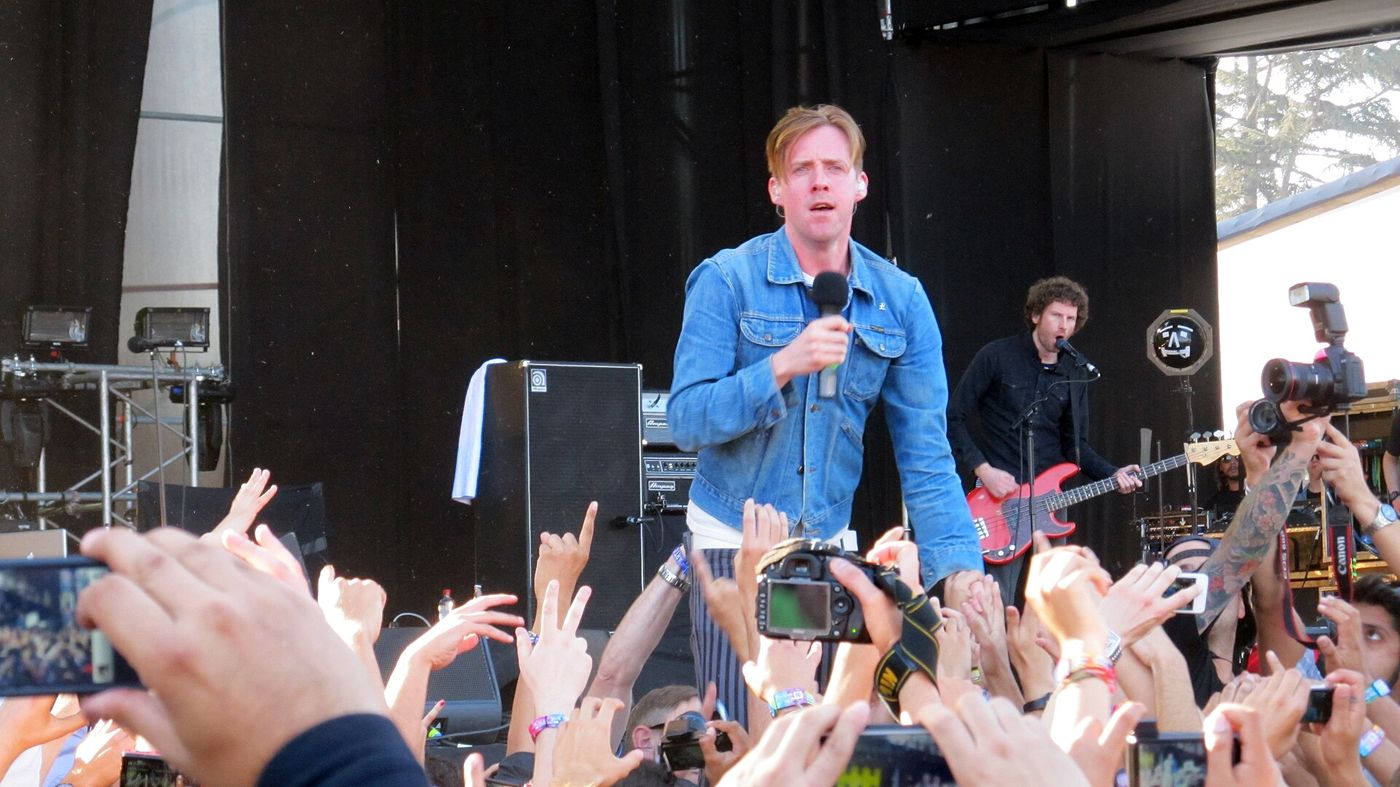
Leaving is the problem, and it is the single most important practical point in this guide. The Metro’s normal service ends at 23:00, and festival headliners routinely play to that hour or later. Some editions have run extended Metro service on festival nights, but that is announced each year rather than guaranteed. Check the Metro’s own announcements in the week before the festival, and have a fallback.
Your realistic options after the last act:
- Extended Metro service, if the operator announces it for that edition. Confirm rather than assume.
- Ride-hailing apps, which work but surge heavily and struggle with pickup points around a park exit shared by tens of thousands of people. Walk 10 or 15 minutes away from the gates before ordering.
- Walking, which is realistic if you are staying in the centro, Barrio Brasil or Santa Isabel, all within a 30 to 45 minute walk.
- Staying nearby, which is the reason the accommodation section below matters.
Arrival timing is easier. Gates typically open in the early afternoon and the crowd builds through the evening, so anyone arriving before about 16:00 walks straight in. The getting around guide covers fares, cards and the Metro’s hours in full.
How Lollapalooza Chile became the anchor of the Chilean music calendar
Lollapalooza Chile was the festival’s first edition outside the United States, and it has run at Parque O’Higgins since the early 2010s. That head start matters: the Chilean edition established the template that the Argentine and Brazilian legs followed, and it turned March in Santiago into the busiest weekend of the country’s live music year.
The consequences for a visitor are practical rather than sentimental. Touring acts route South America around these dates, which means the weeks either side of the festival carry a heavy load of standalone shows in Santiago’s own venues. The Movistar Arena sits next to the festival site in Parque O’Higgins, and the Teatro Caupolican and Movistar Arena between them host most of the sideshows that artists play before or after their festival sets.
It also means the city knows how to handle the weekend. Transport, policing and the park’s own infrastructure have been doing this for more than a decade, and the festival’s accessibility programme is more developed than most events of its size in the region. What has not improved is the fundamental late-night transport problem, which remains the one thing worth planning around.
For context on how this fits the rest of the year, Santiago’s event calendar runs Teatro a Mil in January, Lollapalooza and the wine harvest in March, Fiestas Patrias in September, and a dense concert season through the southern spring and summer.
What the festival site is like
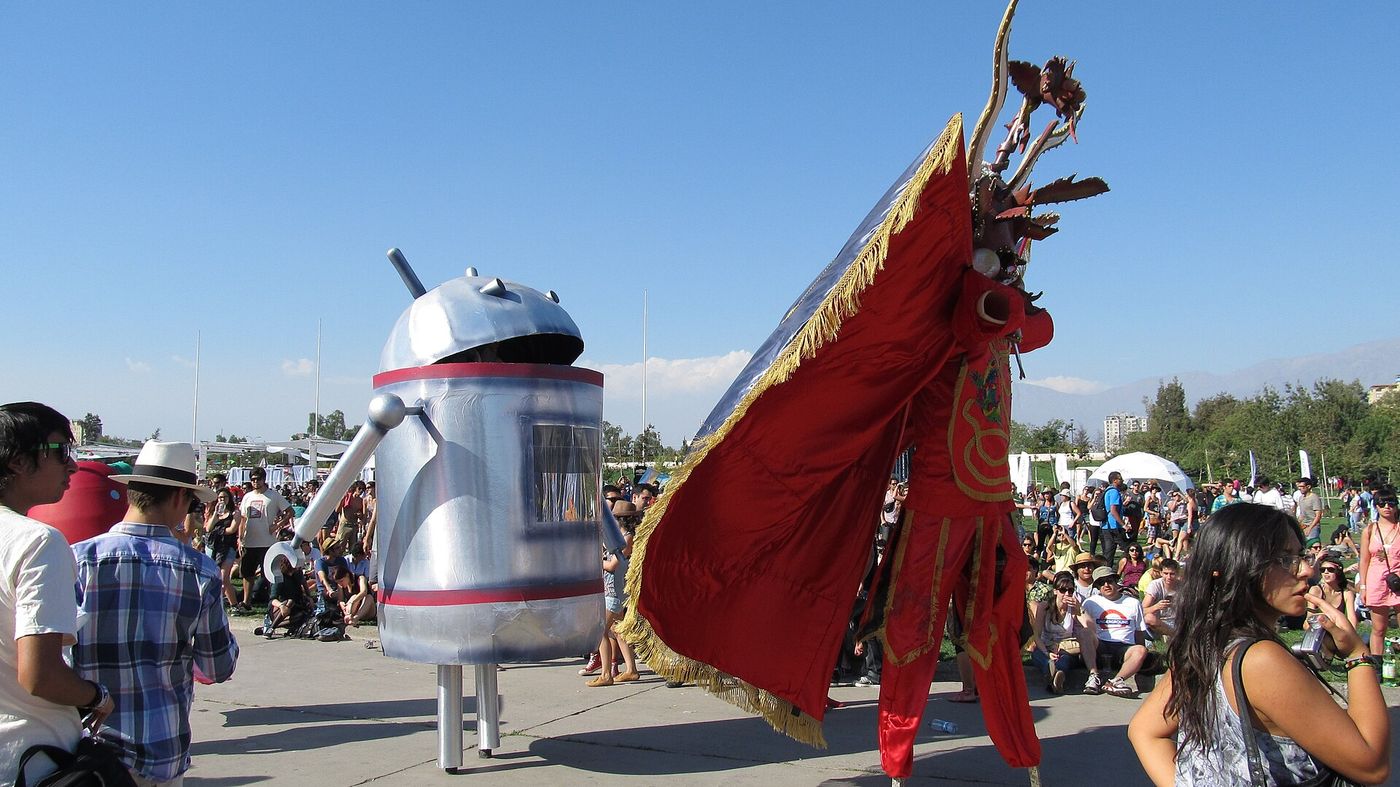
Parque O’Higgins is flat, open and largely unshaded, with multiple stages spread across the park and long walks between them. Three days there is a lot of standing on dry grass and dust in late-summer heat, which is worth factoring into your footwear and your expectations rather than your ticket tier.
What to expect on site:
- Multiple simultaneous stages, which means clashes. Decide in advance which act you are committing to rather than trying to catch halves of both.
- Kidzapalooza, the children’s area, which alongside the free entry for under-10s makes this one of the more family-workable major festivals.
- Food and drink concessions across the site, generally with Chilean options alongside the usual festival fare.
- Long queues at peak times for entry, bars and toilets, all of which concentrate around headliner sets.
- Dust. Late summer in a dry basin means a dusty park by day three. Contact lens wearers should bring glasses as a backup.
Prohibited items, bag rules and cashless payment arrangements were not published on the festival’s site at the time of writing. Those are usually released in the weeks before the event, so check the official FAQ close to your dates rather than relying on a previous year’s rules.
Accessibility at Lollapalooza Chile
The festival publishes a universal accessibility programme, and it is more developed than most Latin American festivals of this size. It includes accessible viewing platforms at the stages for people with reduced mobility, a signed preferential access lane, and accessible routes across the site.
Also published (checked September 2026):
- Sensory pause zones staffed by specialists, for visitors who need a space for emotional or cognitive regulation.
- Sign language interpretation at the main stages and at Kidzapalooza.
- Trained volunteers on site to assist.
- Universal service modules at various points around the park.
- A dedicated contact address, [email protected], for accessibility questions.
What is not published is equally worth knowing: the site does not state companion ticket policy, accessible parking, accessible toilet provision or any accreditation deadline. If you need any of those confirmed, email the accessibility address well before the festival rather than arriving and hoping. For how the rest of the city handles accessibility, see the accessible Santiago guide.
Going with children
Lollapalooza Chile is unusually workable with young children. Under-10s enter free with a ticketed responsible adult, the festival runs a dedicated Kidzapalooza area, and sign language interpretation is provided there as well as at the main stages. Very few festivals at this scale make that combination available.
The constraints are physical rather than policy. Parque O’Higgins is flat but large, the walk between distant stages is long, and late-summer afternoons in an unshaded park are hard on small children. What works:
- Arrive early and leave before the headliners. Crowd density at the main stages after dark is the single biggest problem for anyone with a child.
- Base yourself near Kidzapalooza rather than trying to follow a full schedule across the site.
- Bring ear protection. Stage volume at a festival of this size is not child-appropriate without it.
- Plan for heat. Hats, sunscreen, water and a shaded spot to retreat to matter more than any part of the line-up.
- Stay within walking distance. A tired child at 22:00 in a surge-priced taxi queue is the scenario to avoid entirely.
For the rest of the city with children, including the zoo’s advance booking requirement and the parks that work in the heat, see the Santiago with kids guide.
Where to stay for Lollapalooza
Stay within walking distance of the park if you can, and within one Metro line of it if you cannot. The late-night transport problem is solved almost entirely by geography, and Santiago’s central neighborhoods are close enough to make that practical.
| Area | Distance to the park | Notes |
|---|---|---|
| Barrio Brasil and Yungay | 25 to 40 minutes on foot | Cheapest central beds, walkable after midnight in a group |
| Santa Isabel and Matta Sur | 20 to 35 minutes on foot | Closest residential options, quieter |
| Centro and Lastarria | 35 to 45 minutes on foot, or Line 2 | Best for combining the festival with sightseeing |
| Bellavista | Line 1 to Line 2 change | Best if you want the after-party rather than sleep |
| Providencia | Two Metro lines | Comfortable, but the furthest to get home from |
Accommodation prices rise around the festival weekend, and the city is also busy in March with the return from summer holidays. Book as soon as your tickets are confirmed. The where to stay guide compares the neighborhoods properly, including what each is like at night.
March weather and what to bring
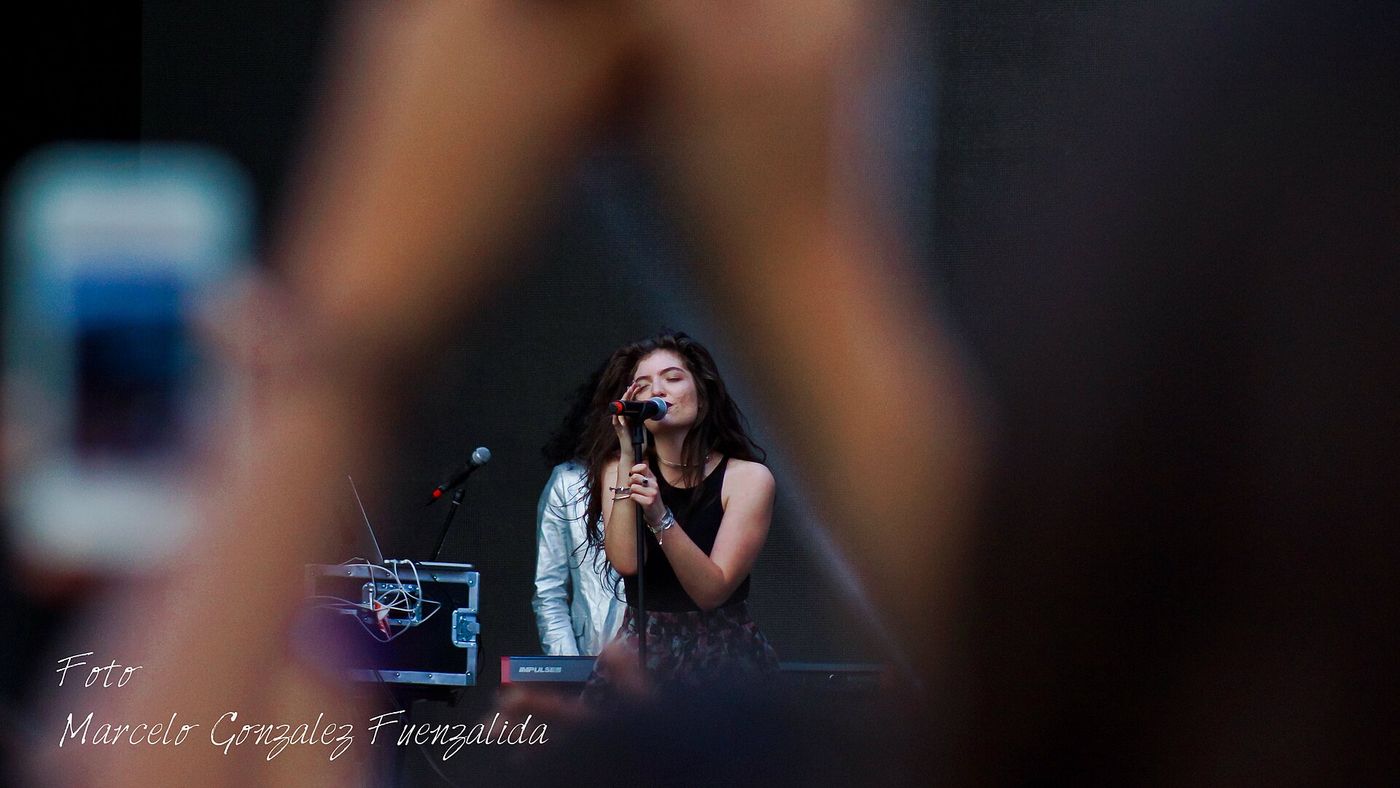
March in Santiago averages 28.6°C by day and 11.4°C at night, with roughly 0.9 mm of rain across the entire month. In practice that means hot, bright afternoons, a sharp drop after sunset and almost no chance of a washout.
That 17-degree daily swing is the thing to plan for. Afternoons need sun protection; late nights need a layer. Specifically:
- SPF 50, a hat and sunglasses. The park has very little shade and the sun at this latitude is strong until late afternoon.
- A light jacket or sweater that you are prepared to carry all day, because 23:00 in the park is not 16:00 in the park.
- Closed shoes you can stand in for eight hours. The ground is dry grass and dust, not mud.
- A refillable bottle, if the festival permits it; check the current rules, which are published closer to the date.
- A power bank, because three days of phone use for maps, tickets and meeting points drains a battery fast.
The packing guide covers the wider seasonal picture, and Santiago weather by month has the full monthly data if you are extending the trip.
A three-day plan that survives the weekend
Three consecutive festival days in late-summer heat is an endurance exercise, and most people who struggle do so because they treated day one like a one-off concert. The pattern that works looks like this.
Before the festival. Arrive in Santiago at least a day early if you can, both for jet lag and because the last afternoon before the festival is the time to buy sunscreen, a hat and a power bank rather than discovering you need them on site. Check the official FAQ for that year’s bag and prohibited-item rules, which are published close to the date.
Day one, Friday. Gates open in the early afternoon and the crowd builds slowly, so an early arrival gets you an easy entry and time to walk the site, find the stages and work out where the shade, water and toilets are. That reconnaissance pays back across the next two days. Leave before the final headliner if you want to test the transport situation with a smaller crowd.
Day two, Saturday. The busiest day, usually with the strongest bill. Eat properly before you go, arrive with a plan for the clashes, and accept that moving between distant stages during peak hours takes longer than the schedule suggests. This is the day to have accommodation within walking distance.
Day three, Sunday. The dust is at its worst and everyone is tired. Shorter days work better: arrive later, pick two or three acts, and stop trying to see everything. Sunday nights also finish into a Monday, when museums are closed anyway, so plan a slow recovery day rather than an itinerary.
After. Keep the Monday free. Most Santiago museums close that day, which makes it a natural park, market and long-lunch day, exactly what three days at a festival calls for. The itineraries pillar has structures for the days either side.
Food, drink and money on site
Festival food at Parque O’Higgins covers the standard range plus Chilean options, and prices are what festival prices always are: higher than the street, lower than a European festival. The more useful planning question is how you will pay.
Chilean commerce runs heavily on cards, and large events here typically operate cashless or card-preferred bars. The 2027 rules had not been published when this guide was written, so carry a small amount of cash as a backup and expect card to be the default. Foreign cards generally work, though a card that has not been flagged for travel can decline at a high-volume festival terminal.
Two practical habits:
- Eat before you arrive. The lunch window in Santiago runs 13:00 to 15:30 with a fixed-price menu at a fraction of dinner prices. Eating properly before the gates beats queuing for food during a set you wanted to see.
- Hydrate on a schedule. Late-summer heat plus dry basin air plus standing means most people are behind on water by mid-afternoon. Whether you can bring a refillable bottle depends on that year’s rules, so check.
For eating in the city between festival days, the neighborhoods around the park, particularly Barrio Brasil and Santa Isabel, carry good, unfussy options, and the food and restaurants guide covers the wider picture.
Is Lollapalooza Chile worth it for an international visitor?
If you are already in Santiago in March, yes without hesitation. If you are considering flying in specifically for it, probably not, unless the announced line-up is genuinely better than what you can see closer to home. The passes sell before the bill is published, which makes that a difficult bet to place.
The case for it:
- Price. A three-day general pass at CLP 242,000 to 294,600, roughly USD 255 to 310, undercuts the equivalent US and European festivals substantially.
- Weather. March in Santiago is close to a guarantee of dry, warm days, which is more than most northern festivals can say.
- Setting. A major international festival in a Latin American capital with the Andes on the skyline is a different experience from a field in Europe.
- Family access. Under-10s free, plus a dedicated children’s area, is unusual at this scale.
The case against:
- The line-up overlaps heavily with the Argentine and Brazilian legs and, often, with the northern festival circuit later in the year.
- You buy blind. Committing at the cheapest stage means committing before the announcement.
- Three days is a lot of standing in a hot, dusty park, and the premium tiers that fix that cost two to four times as much.
- Getting home after headliners is genuinely awkward unless you have planned for it.
The comparison that matters locally: Teatro a Mil in January is free for most of its audience and culturally deeper, while Lollapalooza is a commercial festival you can plan around because the dates are published a year ahead. The Santiago a Mil guide covers the other end of that spectrum, and the full Santiago events calendar shows where both sit in a year that also includes Fiestas Patrias, the marathon and the summer concert season.
If you cannot get tickets, or the line-up disappoints
The festival weekend is not the only live music in Santiago that week, and the fallback options are genuinely good. Touring artists routinely play their own shows in the city around the festival dates, in venues that hold a few thousand people rather than tens of thousands.
Where to look:
- Movistar Arena, in Parque O’Higgins itself, which hosts the largest indoor shows in the city.
- Teatro Caupolican, the classic mid-size Santiago venue in the centro.
- Smaller clubs in Bellavista and Barrio Brasil, which pick up the acts that are not headlining anything.
- The city’s own cultural calendar, which runs full programmes at GAM, Matucana 100 and the Teatro Municipal through March.
The practical advantage of a sideshow over the festival is substantial: you see one act properly, indoors, at a normal hour, for a fraction of a three-day pass, and you can get home on the Metro. The disadvantage is that you see one act. The nightlife guide covers the venues and the neighborhoods they sit in.
If your reason for the trip was the festival specifically and you missed the tickets, the honest answer is that March in Santiago still works: harvest season in the Maipo Valley, warm, dry weather, a full cultural calendar and the city back at work after the summer holidays. The day trips guide covers what to do with the extra days.
What else to do around the festival
Three days at Parque O’Higgins leaves plenty of Santiago untouched, and March is one of the best months to see it. The weather holds summer temperatures while the city is fully back at work, so restaurants, museums and the cultural calendar are all running normally.
Ideas that fit around festival days:
- A recovery morning. Museums open Tuesday to Sunday and most close on Monday, so plan a museum for the day before the festival rather than the day after a Sunday finish.
- A hill at sunset. The teleférico up Cerro San Cristóbal runs Tuesday to Sunday 10:00 to 19:45, closed Monday, from CLP 2,630 return (about USD 2.75).
- Harvest season in the vineyards. March is when the Maipo Valley picks, which makes it the most interesting month of the year for a winery visit. The wine tours guide covers the estates and their harvest events.
- A coast day. Valparaíso is 1.5 to 2 hours by bus from Terminal Pajaritos or Alameda at roughly CLP 4,900 to 6,180 each way, and it is cooler than the city.
- The rest of the city. The things to do round-up covers what to prioritize if this is your first visit.
Safety, money and practical rules
Standard Santiago precautions apply, with the usual festival amplification: large crowds concentrate opportunistic theft, and phone snatching is the common method rather than pickpocketing. Keep a bag zipped and in front of you, do not carry a phone loose in your hand in a dense crowd, and agree a meeting point with your group before you separate.
A few festival-specific notes:
- Cards work almost everywhere in Chile, and festivals here typically run cashless bars, but the 2027 rules had not been published at the time of writing. Carry a small amount of cash as a backup.
- Bring ID. Chilean venues check it for alcohol, and festival entry can require matching identification for certain pass types.
- Buy only from the official platform. With stock capped per tier, resale markups are steep, and counterfeit tickets circulate around big Chilean events.
- Drink water. Three days at 28°C, standing, dehydrates people faster than they notice, and the dry air hides it.
- Know the emergency numbers. Police 133, medical 131, fire 132.
The safety guide covers the city-wide picture, including the scams that catch visitors outside festival grounds.
Frequently asked questions
When is Lollapalooza Chile 2027?
Friday 12, Saturday 13 and Sunday 14 March 2027, at Parque O’Higgins in Santiago. The dates were confirmed on the festival’s official site well before the line-up, which is the normal pattern for this event (checked September 2026).
How much is a Lollapalooza Chile ticket?
Three-day general passes ranged from CLP 168,000 for the 1,000 Early Bird units to CLP 294,600 at Preventa 2, including service charges. Banco de Chile and Cenco Malls promotions cut roughly 20% off the base fare, bringing Preventa 2 general down to CLP 242,000.
Are there one-day tickets for Lollapalooza Chile?
Not in the published 2027 structure, which lists three-day passes only. Some editions have released day tickets closer to the event, so check the official site if a single day is all you want, and do not buy a resale day pass on that assumption.
How do you get to Parque O’Higgins?
Metro Line 2 to Parque O’Higgins station, which opens onto the park. Fares run CLP 735 to 895 and the Metro takes contactless bank cards. The complication is the return trip, since normal service ends at 23:00; check whether extended service is running for that edition.
Does Lollapalooza Chile announce the line-up before tickets go on sale?
No. Passes for 2027 went on sale while the bill was still unannounced, which is the festival’s standard practice. Early stages are the cheapest and the blindest; waiting for the announcement costs more. Decide which matters more to you before the next stage sells out.
How late does the festival run each night?
Headline sets typically run to around 23:00, which is exactly when the Metro’s normal service ends. Plan the return trip before you go, either by staying within walking distance, checking whether extended Metro service is running that year, or budgeting for a surge-priced ride once you have walked clear of the gates.
Is Lollapalooza Chile family friendly?
More than most. Children under 10 enter free with a ticketed adult, and the festival runs a dedicated Kidzapalooza area with sign language interpretation. The limits are heat, dust and crowd density, so plan shorter days and a shaded base.
What is the weather like at Lollapalooza Chile?
Warm and dry. March averages 28.6°C by day and 11.4°C at night in Santiago, with under 1 mm of rain for the whole month. Expect strong sun in the afternoon and a genuinely cool late evening, which is why a carried layer matters more than a rain jacket.
Can I buy tickets from outside Chile?
Yes, through Ticketmaster Chile, though foreign cards occasionally fail on Chilean payment platforms. If that happens, try a different card or browser before resorting to a reseller, since resale prices for capped-stock tiers climb quickly.
The festival lands in the middle of the best month in the Santiago calendar, which is worth exploiting: March runs 28.6C by day with under a millimetre of rain, the city is fully back at work after the summer holidays, and the wine valleys are picking. Our guide to Santiago Chile in March covers what to do with the days either side of the park.
Sources
- Lollapalooza Chile: official site
- Lollapalooza Chile: ticket prices
- Lollapalooza Chile: universal accessibility
- Lotus, the festival’s producer
- Metro de Santiago: fares and hours
- Metro de Santiago: contactless payment
- Dirección Meteorológica de Chile: climate normals, Santiago Pudahuel
- Teleférico Santiago
- Santiago Turismo: municipal visitor information
- Visit Santiago: official visitor site
- UK FCDO travel advice: Chile safety and security
Image credits
| Photo | Credit |
|---|---|
| Parque O’Higgins (top of page) | Andrés de la Cruz Bauerle, CC BY 2.5, via Wikimedia Commons |
| Lollapalooza Chile 2012 | warkoholic, CC BY-SA 2.0, via Wikimedia Commons |
| Lollapalooza Chile 2013 | warkoholic, CC BY-SA 2.0, via Wikimedia Commons |
| Lollapalooza Chile 2014 | Marcelo Gonzalez, CC BY-SA 2.0, via Wikimedia Commons |
| The elipse, Parque O’Higgins | Jorge Barrios, CC BY-SA 3.0, via Wikimedia Commons |
| Parque O’Higgins in September | Gillermo Adolfo, CC BY 3.0, via Wikimedia Commons |