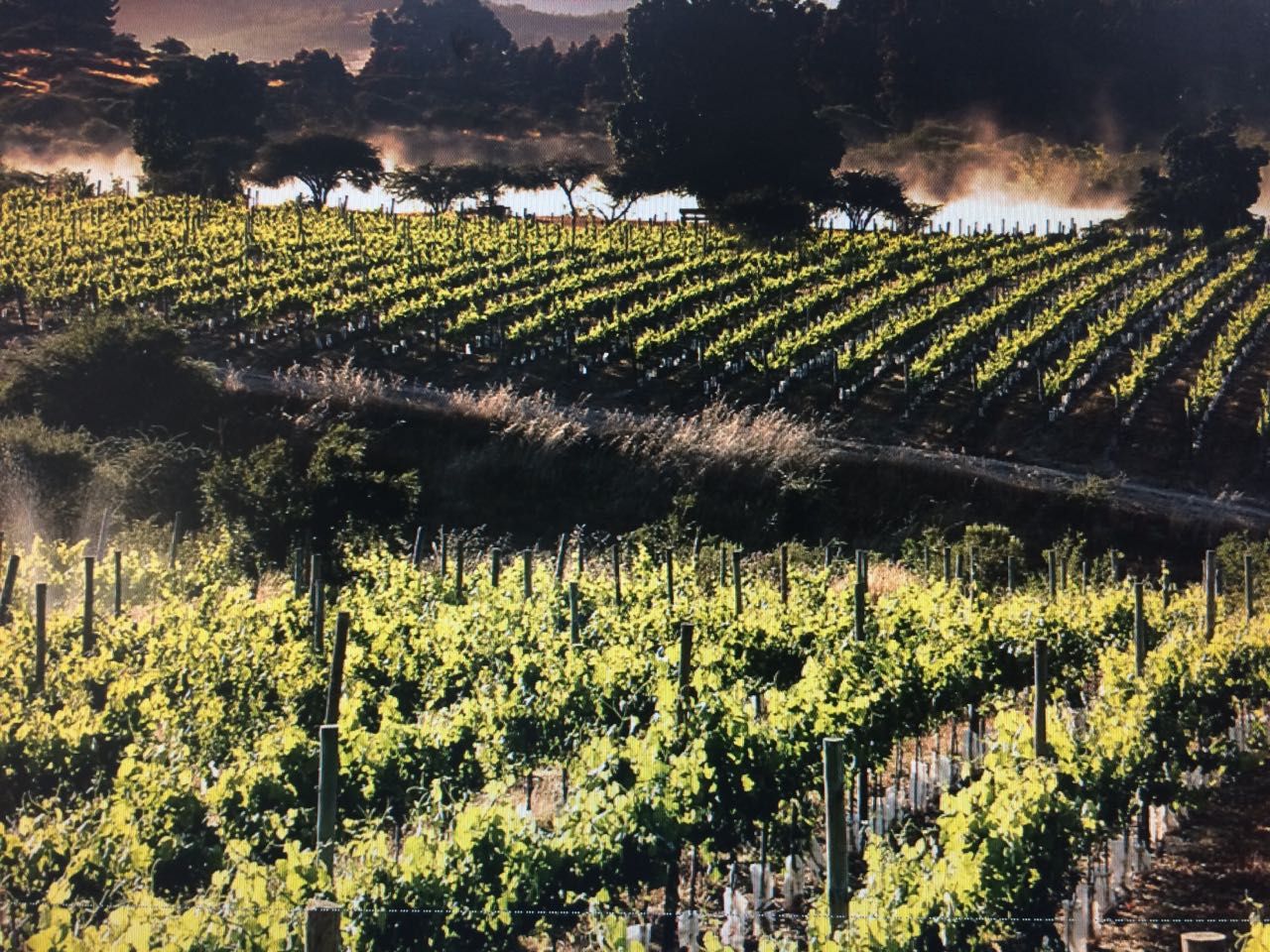
Wine tours from Santiago Chile are the easiest world-class wine day on earth: the Maipo Valley starts inside the city limits, and Casablanca is on the road to Valparaíso. The real questions are which valley suits your taste, whether you need a tour at all, and what the whole day costs. Compared below, checked September 2026.
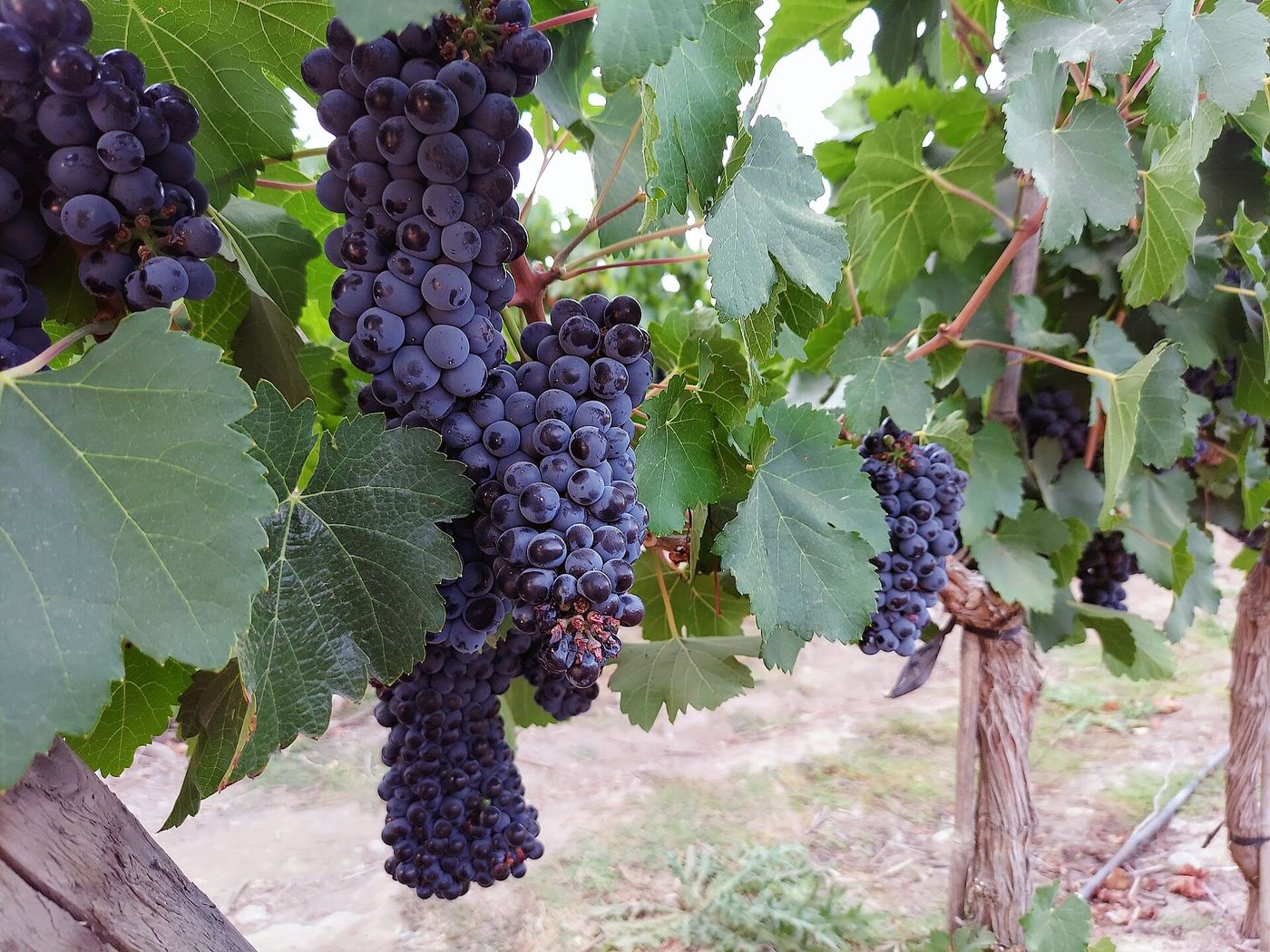
Chile has been making wine since the sixteenth century and exporting it seriously since the 1990s, and Santiago sits in the middle of it. Within 90 minutes of the city there are four distinct wine regions producing genuinely different wines: cabernet country in the Maipo, cool-climate whites in Casablanca and San Antonio, and the visitor-focused estates of Colchagua a little further south.
The valleys around Santiago, compared
| Valley | Distance | Known for | Public transport | Tour needed |
|---|---|---|---|---|
| Maipo | 30-60 min | Cabernet sauvignon, carménère, the historic estates | Yes, partly | No |
| Casablanca | 60-90 min | Sauvignon blanc, chardonnay, cool-climate pinot | No | Effectively yes |
| San Antonio / Leyda | 90-100 min | Sauvignon blanc, pinot noir, saline whites | No | Yes |
| Colchagua | 150-180 min | Carménère, syrah, wine-tourism infrastructure | Bus to Santa Cruz | Better as an overnight |
| Cachapoal | 90-120 min | Cabernet, carménère, quieter estates | Limited | Usually |
| Aconcagua | 90 min | Big reds, warm-climate syrah | Limited | Usually |
For a single day from Santiago, the realistic choices are Maipo and Casablanca. Everything else either eats the day in transit or deserves an overnight.
Which wine tour should you take?
Maipo if you want the classic Chilean reds and a half day that leaves your afternoon intact. Casablanca if you prefer whites and can combine it with Valparaíso. Colchagua only as an overnight. A guided tour costs CLP 45,000-90,000 per person; doing Maipo yourself costs CLP 25,000-50,000 for the winery’s own tour, plus transport.
The decision in one paragraph: if you drink cabernet and carménère, go to the Maipo, and go to one estate properly rather than three in a hurry. If you drink sauvignon blanc, chardonnay and pinot, go to Casablanca, ideally on the way back from Valparaíso. If wine is the whole point of your trip rather than a day of it, go to Colchagua and stay the night in Santa Cruz.
The Maipo Valley: the classics
The Maipo is Chile’s oldest and most famous wine region, running south and east of Santiago along the river of the same name. It is cabernet country: warm days, cool nights coming off the Andes, and a structure in the reds that made Chilean cabernet an export success.
Four estates take visitors from Santiago easily, and they are genuinely different experiences.
| Winery | Where | Getting there | Tour price (Sept 2026) | Suits |
|---|---|---|---|---|
| Cousiño Macul | Peñalolén, inside the city | Metro plus a short ride | Traditional CLP 25,000; Premium CLP 40,000 | A half day with the afternoon free |
| Concha y Toro | Pirque | Metro L4 to Plaza de Puente Alto, then colectivo | Visita Guiada Premium CLP 50,000, the cheapest visit (Oct 2026) | First-timers; the famous name |
| Santa Rita | Alto Jahuel, Buin | Bus then taxi, or tour | Clásico CLP 31,000 | A full day and the best grounds |
| Undurraga | Talagante | Bus then taxi, or tour | Sibaris CLP 29,500; English 10:00 and 15:00 | Fixed English departures |
Why the Maipo tastes the way it does. The valley runs east to west from the Andes to the coastal range, and the sub-regions within it are genuinely different. Alto Maipo, closest to the mountains and highest, gets the biggest day-night temperature swing and produces the most structured, mineral cabernet; this is where the icon wines come from. Central Maipo, around Pirque and Buin, is the historic heart with the old estates. Coastal or Bajo Maipo, out toward Isla de Maipo and Talagante, is cooler and wetter, and does softer reds and some good whites.
If a guide tells you Maipo cabernet has a particular character, they are usually describing Alto Maipo. Ask which sub-region the wine in your glass came from; it is the single question that most improves a tasting here.
Weather and what to wear. Vineyard tours involve walking on unpaved ground in full sun, and Maipo summers pass 32°C. Hat, sunscreen and closed shoes. In winter the cellars are genuinely cold, several degrees below the outside temperature, so a jumper matters more than you expect.
Concha y Toro: the famous one
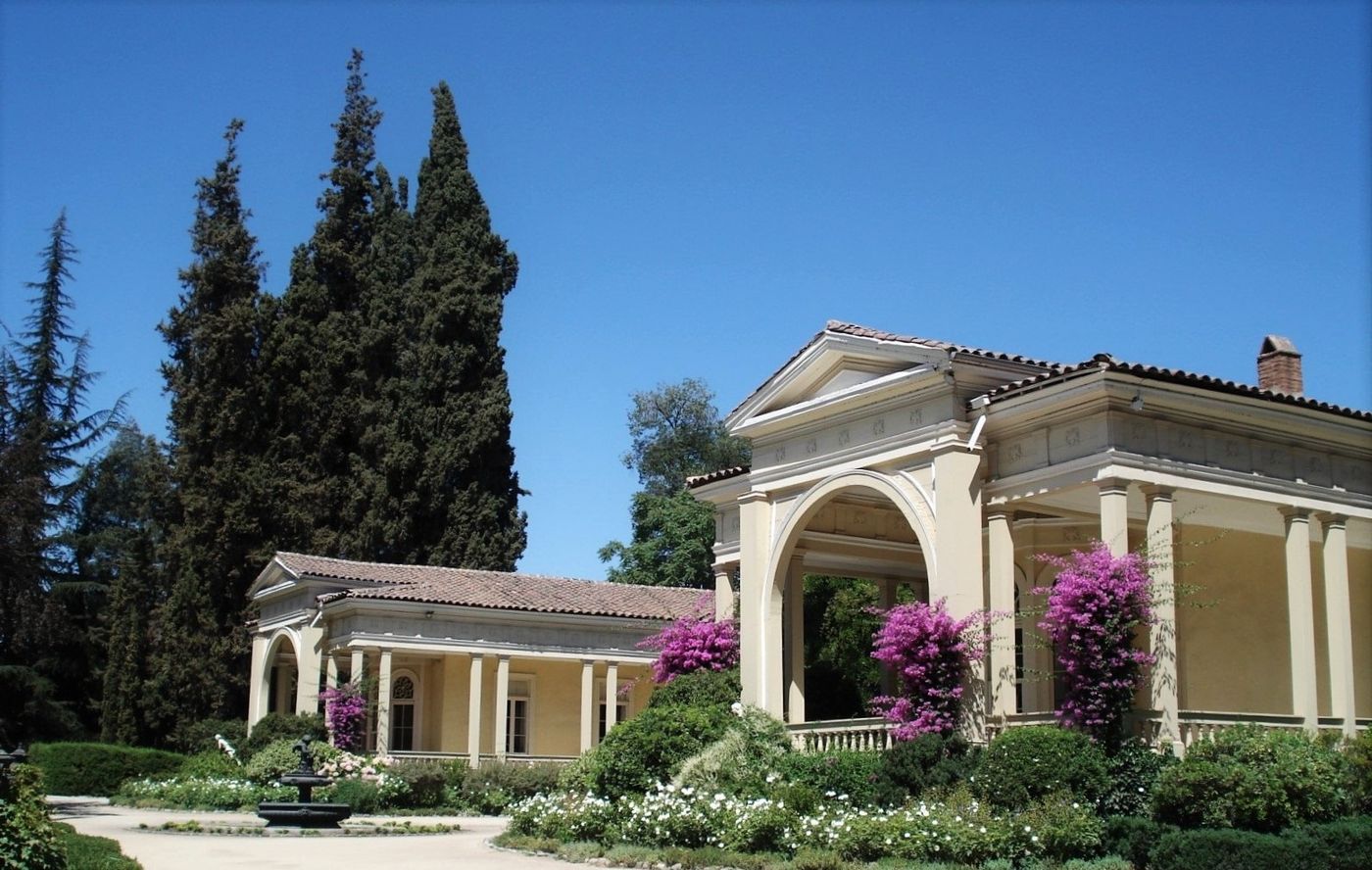
Concha y Toro at Pirque is the most visited winery in Chile and one of the most visited in the world. It has the nineteenth-century Casona, formal gardens, the Casillero del Diablo cellar with its devil legend, and a well-drilled multilingual tour operation.
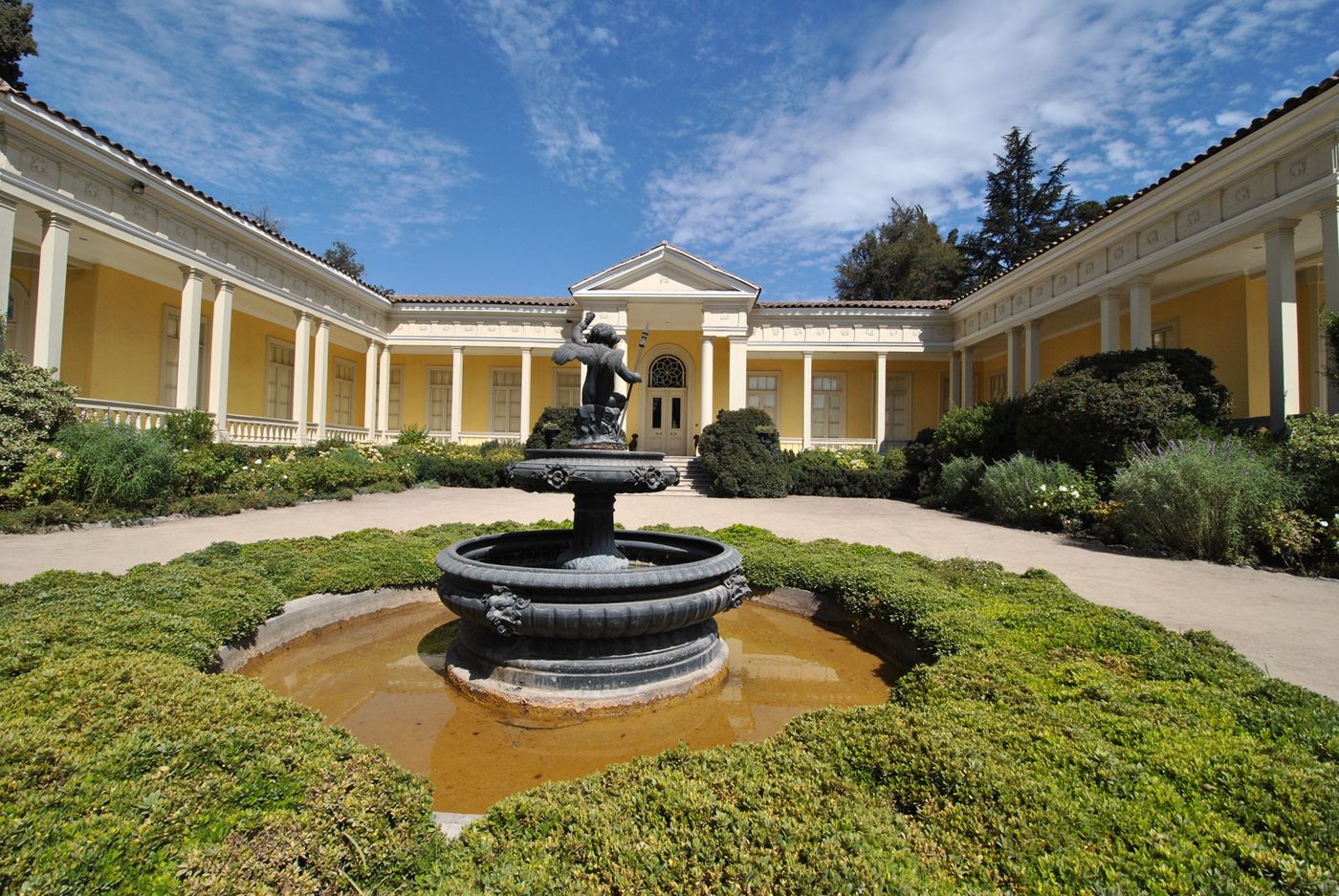
Getting there independently is the easiest of the four: Metro Line 4 to Plaza de Puente Alto, then a colectivo or local bus for about ten minutes. Total travel time from central Santiago is 45-60 minutes and the transport costs under CLP 3,000 each way.
The honest verdict. It is well run, the gardens are lovely, the Casillero del Diablo story is good theatre, and it is also the most industrial visitor experience of the four: large groups, tight timings, a shop at the end. If you want to understand how Chilean wine got to the world, come here. If you want a conversation with a winemaker, go to a boutique estate instead.
Book on their own site rather than through a reseller, and confirm the current tour formats and prices before you travel, because the lineup changes seasonally.
Santa Rita: the one with the grounds
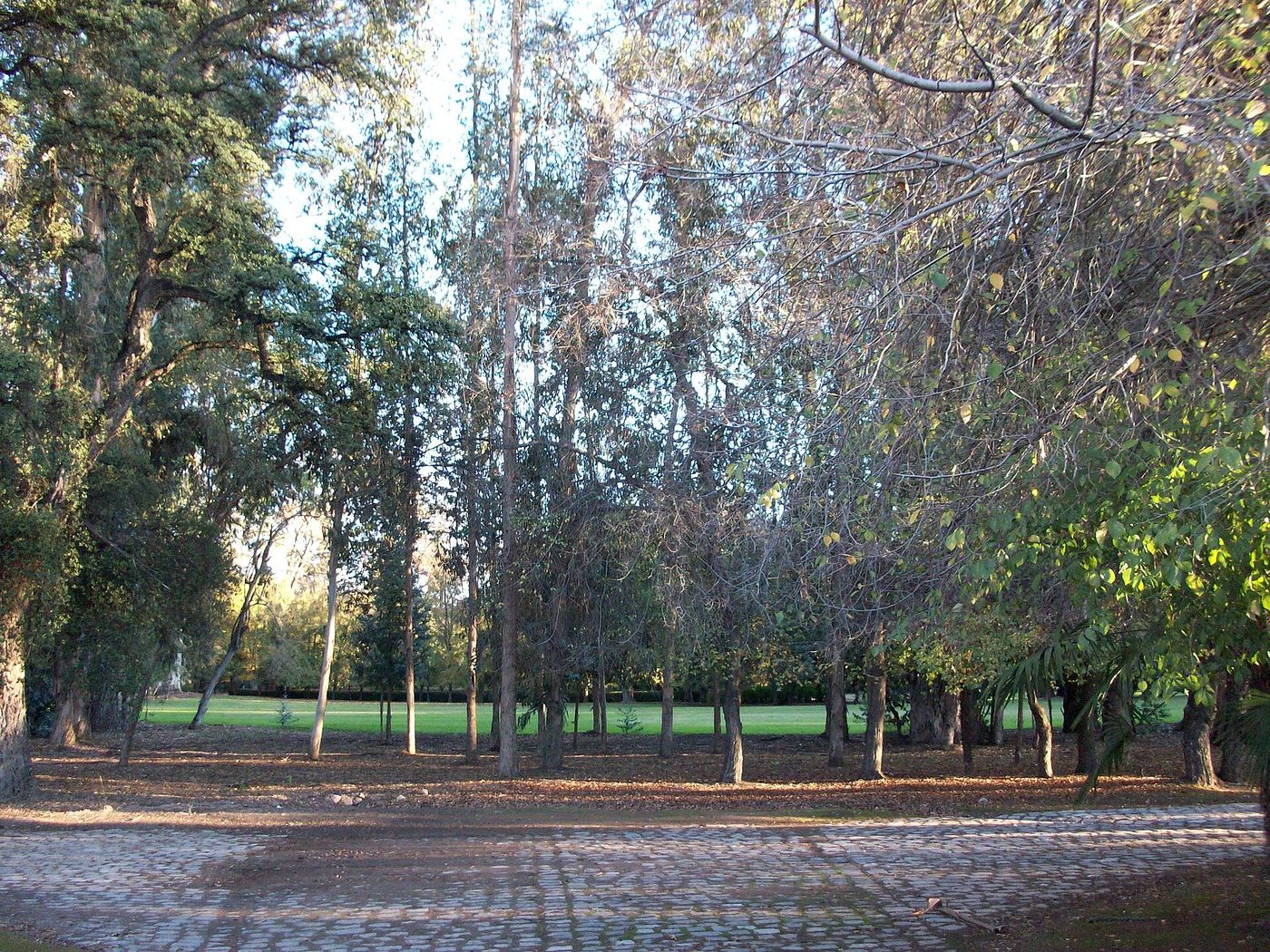
Santa Rita at Alto Jahuel in Buin has the finest setting of any winery near Santiago: a 40-hectare park laid out in the nineteenth century, an enormous avenue of trees, a colonial-era house, a hotel, a restaurant and the excellent Museo Andino, a private collection of pre-Columbian art that would be a destination in its own right.
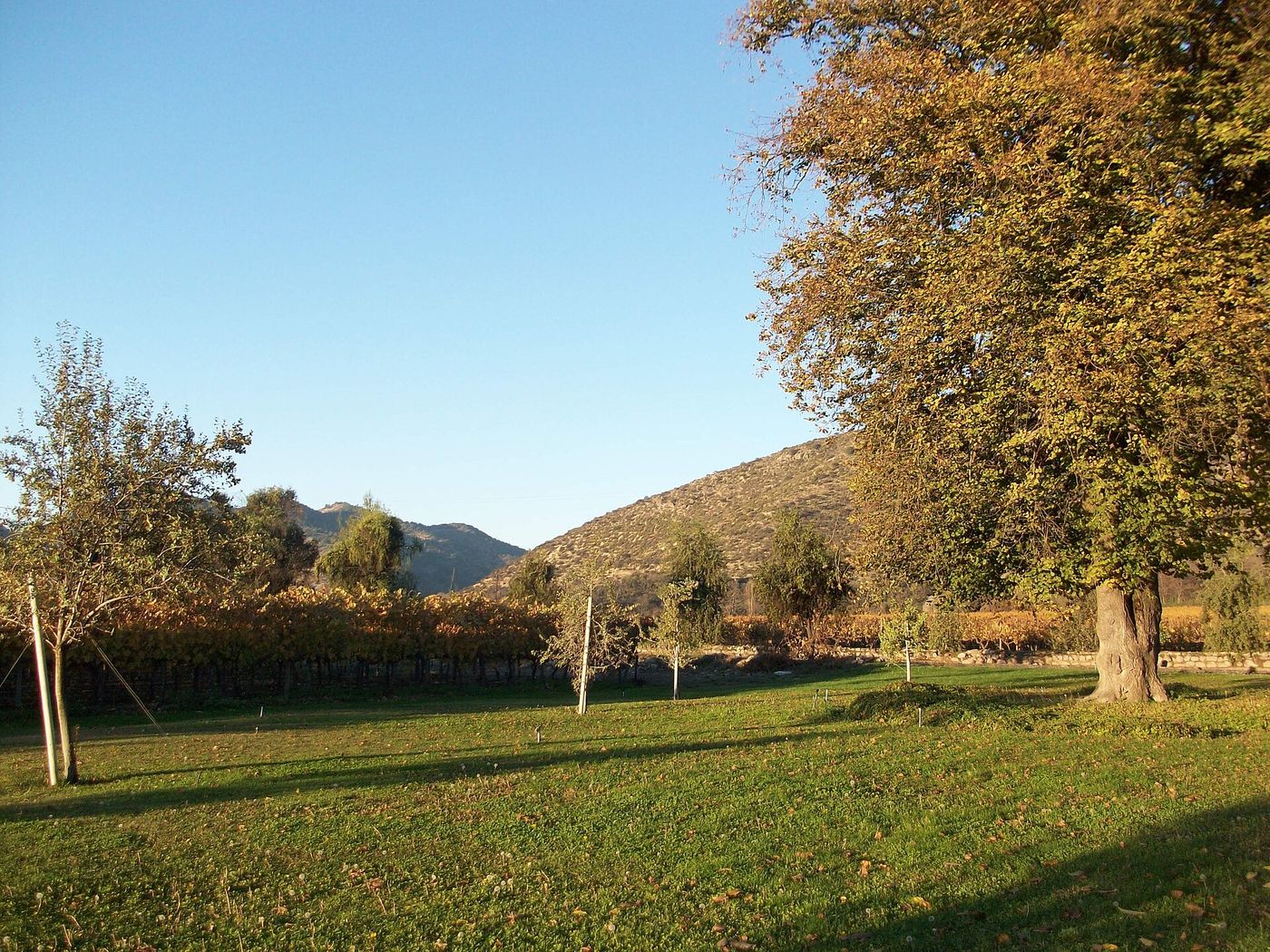
The Clásico tour was CLP 31,000 when checked in September 2026. There are longer and more expensive formats, and the restaurant lunch is worth the extra hour.
The honest verdict. This is the estate to choose if you have a full day and want the whole experience rather than a tasting. It is further out than Concha y Toro and less convenient without a car, and it rewards the extra effort more than any other Maipo estate. The 120 legendary soldiers of the independence war supposedly sheltered in its cellars, which is the story every guide will tell you.
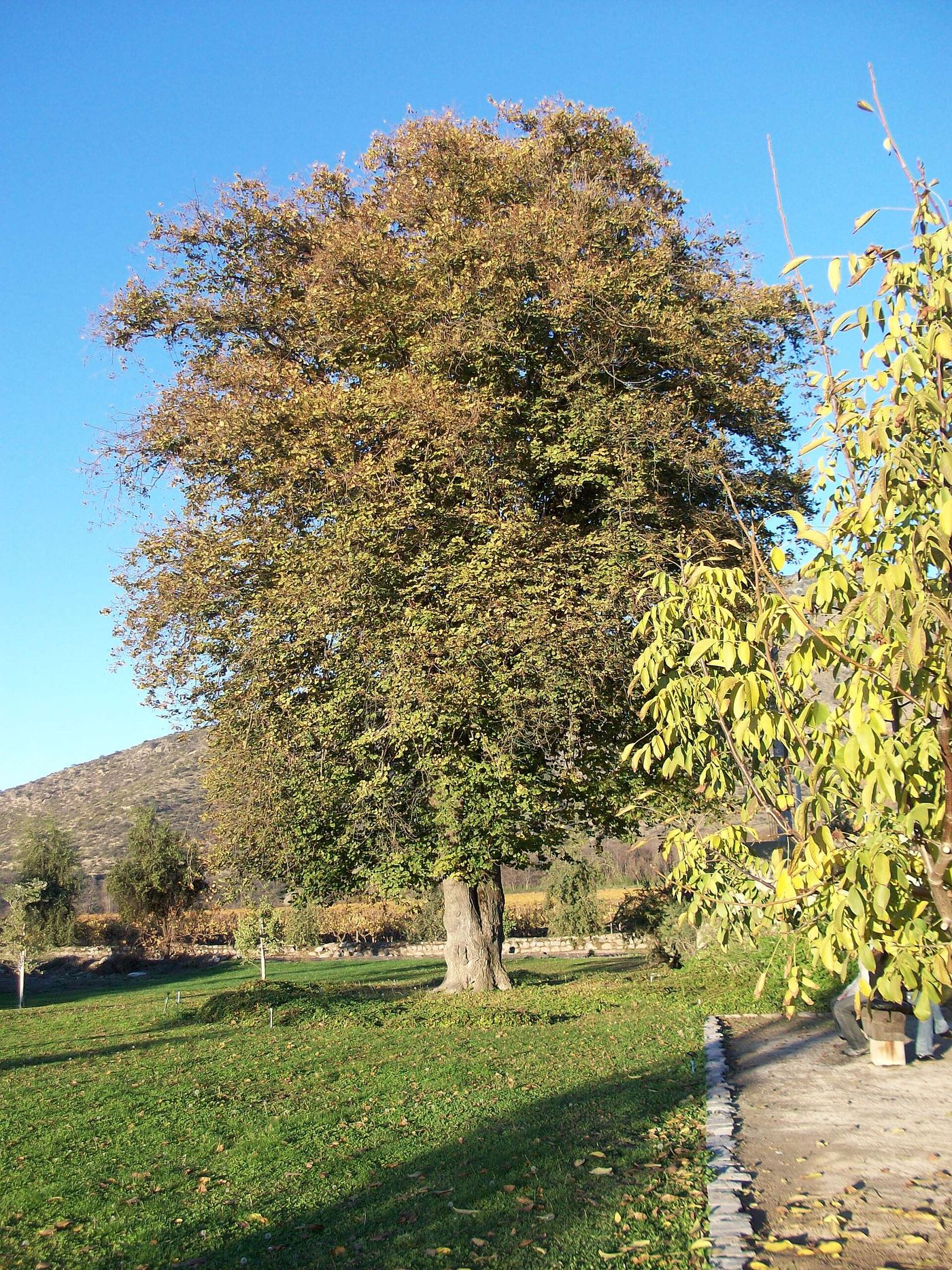
What to do with the rest of the day at Santa Rita. The Museo Andino is included with some tour formats and inexpensive otherwise, and it holds Mapuche silver, Diaguita ceramics and Andean textiles in a purpose-built gallery. The estate restaurant, in the old house, serves a proper Chilean lunch rather than a tourist menu. Between the tour, the museum, lunch and an hour in the park you have a full and genuinely good day, which is why this estate rewards a car or a private driver more than the others.
Cousiño Macul: the half-day option
Cousiño Macul is the pragmatic choice, and the one most guides underrate. It sits in Peñalolén, technically inside Santiago’s urban area, which means you can be there in half an hour, take a proper tour of the old cellars and the vineyard, taste, and be back in the city for a late lunch.
The Traditional tour was CLP 25,000 and the Premium CLP 40,000 when checked in September 2026.
It is the oldest family-owned winery in Chile still in the hands of its founding family, with cellars dating from the 1870s. The vineyard around it is a fraction of what it once was, because the city grew over it, which is itself an interesting thing to see.
Choose it if you have one spare morning rather than a whole day, or if it is your last day and you have a flight.
Undurraga: the fixed English departures
Undurraga at Talagante, southwest of the city, is the least-hyped of the four and a good visit. The Sibaris tour was CLP 29,500 in September 2026, with English departures at 10:00 and 15:00, which makes it the easiest of the four to plan around if your Spanish is thin and you want a guaranteed English guide at a known hour.
The park was designed by the same landscape architect responsible for much of Santiago’s Parque Forestal, which shows.
A note on the two names. Cousiño Macul and Concha y Toro are frequently confused by visitors, partly because both are nineteenth-century family foundations with grand houses. The distinction that matters: Cousiño Macul is small, inside the city, and still family-owned; Concha y Toro is one of the largest wine companies in the world and its Pirque site is the visitor operation attached to a global business.
Boutique Maipo: the alternative to the big four
The large estates are what appear on booking sites. The Maipo also contains a tier of small producers who take visitors by appointment, where the person pouring is frequently the person who made the wine, and where the tasting is a conversation rather than a script.
These places do not turn up on aggregator listings, they take twelve people a day rather than four hundred, and they cost broadly the same as the Clásico tour at a large estate. You find them through specialist operators, through a wine bar in Lastarria or Barrio Italia that knows the growers, or by emailing directly.
Worth doing if you have already visited big-name wineries elsewhere, or if the point of the day is the wine rather than the setting. A small-producer visit in Alto Maipo or Isla de Maipo will teach you more than a second big estate.
How to find them. Three routes work. Ask at a Santiago wine bar with a serious Chilean list, because the staff usually know which growers take visitors. Use a specialist operator that advertises boutique or small-producer tours rather than the standard three-estate circuit. Or email the winery directly, in Spanish if you can manage it, a week or two ahead; small Chilean producers answer email and are often delighted that a foreigner asked.
Expect to pay CLP 25,000-45,000, to be shown around by someone with an actual stake in the place, and to be sold a bottle you cannot buy anywhere else.
Casablanca and San Antonio: the whites
Casablanca lies between Santiago and Valparaíso, close enough to the Pacific that morning fog rolls up the valley almost daily. That fog is the entire point: it slows ripening and produces the sauvignon blanc and chardonnay that changed Chile’s reputation as a red-only country.
The estates worth knowing: Matetic, biodynamic and architecturally striking, with a restaurant and lodge; Bodegas RE, experimental, with amphora ageing and unusual blends; Casas del Bosque, the most visitor-ready with a good restaurant; Emiliana, organic and biodynamic with a farm full of animals that keeps children occupied; and Kingston Family, small and pinot-focused.
San Antonio and its Leyda sub-region, further south and closer to the coast still, makes the most saline, mineral whites in Chile and some very good pinot noir. It is less set up for visitors and further from Santiago, which makes it a specialist trip.
The transport problem. Casablanca estates are strung along Route 68 with 10-20 km between them and no useful public transport. This is the one wine region near Santiago where a tour or a hired driver is genuinely the right answer, unless you are driving and nominating a non-drinking driver.
The best way to do it: on the way back from Valparaíso, in a car or with a driver, stopping at one or two estates in the late afternoon. That turns two mediocre half-days into one excellent full one.
Why Casablanca is a recent invention. Chile made almost no serious white wine until the 1980s, when producers started planting toward the coast on the theory that the fog and the cold Humboldt air would slow ripening enough to hold acidity. It worked, and Casablanca went from nothing to the country’s benchmark white region within two decades. Nearly every vine you see there was planted within living memory, which is unusual in the wine world and gives the valley a distinctly experimental feel.
That history shows up in the visits. The Casablanca estates are newer, more architecturally ambitious and more interested in showing you their winemaking than their family portraits, which is the opposite of the Maipo.
Colchagua: the overnight, not the day trip
Colchagua, around the town of Santa Cruz roughly two and a half to three hours south, is Chile’s most developed wine-tourism region: a wine train, a genuinely good museum, estates built for visitors, and carménère and syrah that are among the country’s best.
It is also past the comfortable day-trip ceiling. Six hours of driving for four hours in the valley is a poor trade, and you will spend the return leg wishing you had stayed.
Do it as an overnight. Stay in Santa Cruz, visit three estates over two days, eat well, and come back rested. If you have a week in central Chile and wine is a priority, this is a better use of two days than two separate Maipo day trips.
Can you visit Chilean wineries without a tour?
Yes, in the Maipo. Concha y Toro is reachable on Metro Line 4 plus a ten-minute colectivo, Cousiño Macul is inside the city, and Santa Rita and Undurraga are a bus and a short taxi away. Book the winery’s own tour in advance. Casablanca and Colchagua are impractical without a car or a driver.
The independent Maipo day, costed for one person in September 2026:
| Item | Cost |
|---|---|
| Metro to Plaza de Puente Alto | CLP 815 |
| Colectivo to Pirque | CLP 1,500-2,500 |
| Winery tour and tasting | CLP 50,000 (Concha y Toro’s cheapest visit, Oct 2026) |
| Lunch at the estate or in the town | CLP 12,000-25,000 |
| Return transport | CLP 2,500-3,500 |
| Total | CLP 67,000-82,000 |
The equivalent organized tour runs CLP 45,000-90,000 and includes a driver, hotel pickup, usually two or three wineries, and someone who has already checked that the estate is open. At the lower end of that range the tour is genuinely competitive; at the upper end you are buying convenience and a guide.
What the DIY route gets you is time. A tour gives you 45 minutes per estate and a schedule. On your own you can take the 11:00 tour, eat a two-hour lunch on the terrace, and catch the 16:00 colectivo back.
Colchagua by public transport, for the determined. Buses run from Terminal Santiago to Santa Cruz in about three hours, and once there, several estates are reachable by taxi or the local wine route. The Museo de Colchagua in Santa Cruz is a serious institution and worth a couple of hours on its own. Two nights makes this comfortable; one night makes it tight but workable.
What a tour costs, and what is in it
| Tour type | Typical price per person | What you get |
|---|---|---|
| Half-day, one winery, group | CLP 45,000-60,000 | Transport, one tour, 3-4 tastes |
| Full-day Maipo, two or three wineries | CLP 60,000-90,000 | Transport, two or three tours, lunch sometimes extra |
| Full-day Casablanca | CLP 70,000-110,000 | Transport, two estates, usually lunch |
| Private tour, up to four people | CLP 150,000-300,000 total | Your own driver and schedule |
| Colchagua day trip | CLP 120,000-180,000 | Long day, two estates, lunch |
Check three things before booking any of them: whether lunch is included (it frequently is not, and estate lunches run CLP 25,000-45,000), how many tastes each stop includes, and the group size, because a sixteen-seat van and a four-seat car are different days.
Questions worth asking before you pay. Is the tour in English, and is it a dedicated English departure or a bilingual one? Does the price include the tasting, or is the tasting extra? How many people are on the tour? Is there a restaurant on site and do I need to book it separately? Is there a shop, and can they ship? Five questions, answered by email in a day, that determine whether the visit is good.
What is included in a tour price, and what is not. Hotel pickup is normally included in Santiago tours and its absence is a red flag for a cheap listing. Winery entry fees are almost always included. Lunch frequently is not, and an estate lunch adds CLP 25,000-45,000. Wine purchases are obviously extra, and the shop is the last stop of every tour for a reason.
Tasting formats, decoded
Chilean wineries sell tiers, and the words are not always self-explanatory.
- Tour clásico / tradicional. A walk through the vineyard and cellars with three or four tastes of the standard range. 60-90 minutes. This is the right choice for most visitors.
- Premium / reserva. The same walk with better wines, often including an icon bottle. Roughly 50-70% more expensive, and worth it only if you already know you like the estate’s style.
- Cata / tasting only. No walk, just the pour, usually in a tasting room or the shop. Cheaper and much less interesting; not worth an hour of travel each way.
- Maridaje. A tasting paired with food, usually cheese and charcuterie. Good value and a decent substitute for lunch.
- Vertical. The same wine across several vintages. For enthusiasts.
Tastes are small, deliberately, and spitting is normal and provided for. Nobody will think less of you.
When is the best time for a wine tour from Santiago?
March and April, during the vendimia harvest, when the estates are working rather than performing and the harvest festivals run most weekends. October and November are the next best, with the vines in leaf and clear Andes views behind them. Winter tours run year-round and are quiet, cheap and less atmospheric.
The seasonal shape in more detail:
- March-April (harvest). Fruit coming in, tanks filling, the smell of fermentation in the cellars, festivals in the valley towns. The most interesting time to visit by a distance, and the busiest, so book earlier.
- May-August (winter). Bare vines, pruning, quiet cellars. Tours run, groups are tiny, and you get more of the guide’s attention. The grounds at Santa Rita are beautiful in autumn colour through May.
- September-November (spring). Budburst and flowering, green vines, long light evenings and the cleanest air of the year for the Andes backdrop.
- December-February (summer). Hot, green, and the estates are at their busiest with domestic visitors in January. Perfectly good; just start early to avoid the afternoon heat.
For the wider seasonal picture, see our guide to the best time to visit Santiago.
Harvest festival specifics. The vendimia festivals are municipal events rather than winery ones: a town square, stalls from local producers, grape-treading competitions, food, and a queen of the harvest. They run across March and into April in the valley towns, with Isla de Maipo, Pirque and Curicó among the closest to Santiago, and Santa Cruz the biggest in Colchagua. They are free or nearly free to enter, genuinely local, and a very different experience from a cellar-door tasting. If your dates fall in March, check what is on in the valley you are visiting.
What to taste: Chilean grapes beyond cabernet
The estates will steer you toward cabernet sauvignon, and Maipo cabernet at the top end genuinely is world class. But the interesting story in Chilean wine over the last fifteen years has been elsewhere, and the bottles worth asking for are the ones that barely leave the country.
- Carménère. Chile’s signature grape, a Bordeaux variety thought extinct after phylloxera and rediscovered in Chile in 1994, having been mistaken for merlot for a century. Herbal, dark, at its best in Colchagua and the Maipo.
- País. The old colonial grape, planted in the sixteenth century and dismissed for decades as peasant wine. Old-vine país from Itata and Maule is now one of the most interesting light reds in South America.
- Cinsault. Similar story, similar regions, a pale, fresh, chillable red that upends the Chilean stereotype entirely.
- Carignan. Dry-farmed old bush vines in Maule, concentrated and structured, protected by a producers’ association with strict rules.
- Cool-climate syrah from Elqui, Limarí and San Antonio: peppery, restrained, nothing like Australian shiraz.
- Sauvignon blanc from Casablanca, San Antonio and Leyda, which is the best value white in Chile and frequently better than the New Zealand wines it is compared with.
Ask the estate for the wines they do not export. Most keep a few.
The one Chilean wine term worth learning. Chilean labels use Reserva, Gran Reserva and Reserva Especial without the legal force those words carry in Spain or Italy. They indicate the producer’s own hierarchy rather than a defined ageing period. The genuinely meaningful indicators on a Chilean label are the valley and, increasingly, the Costa, Entre Cordilleras and Andes designations introduced in 2011, which tell you whether the fruit came from the coastal influence, the central valley floor or the Andean foothills. That single word tells you more about what is in the glass than the word Reserva ever will.
Tasting in the city, without leaving Santiago
If you do not have a whole day, Santiago itself has a serious wine-bar scene, and it is the most efficient way to taste widely.
Bocanáriz in Lastarria is the best-known, built specifically around Chilean wine flights organised by style and region, with staff who can talk through what you are drinking. Baco in Providencia is the long-standing bistro version. Several smaller natural-wine bars in Barrio Italia and Ñuñoa pour the país, cinsault and carignan producers you will not find at the big estates.
A flight of three at a good wine bar costs CLP 9,000-18,000, and you can taste six regions in an evening that would take three days to visit. For anyone with a short trip, this is the honest answer: one winery visit for the experience, and a wine bar for the range.
Specialist wine shops worth knowing are concentrated in Providencia, Vitacura and Lastarria, and they will sell single bottles from small producers at CLP 8,000-25,000, a fraction of the export price. For where to eat alongside all this, see the best food in Santiago.
Buying and shipping wine home
Three routes, in ascending order of cost.
In your suitcase. Chilean wine shops sell purpose-made bottle protectors for a few thousand pesos, and a hard-shell case with clothes packed around the bottles works. Check your airline’s checked-baggage allowance and your home country’s duty-free alcohol limit before you buy six bottles.
Shipped by the winery or a specialist shop. Most large estates and several Providencia wine shops will ship internationally. It is not cheap, typically a substantial per-case cost plus destination duties, and it takes weeks. Worth it for something you cannot buy at home.
At the airport. Convenient, more expensive than the city, and the selection favours export labels you can already buy. Buy your interesting bottles in town.
One practical note: wine bought at a winery is not always cheaper than in a Santiago supermarket, because estates price their cellar door at retail. What the estate has that the supermarket does not is the limited bottlings.
Drink-driving, and getting home
Chile enforces a near-zero blood alcohol limit for drivers, with severe penalties including license suspension and, above a threshold, custody. Roadside breath tests are common at weekends on exactly the roads back from the wine valleys.
The practical consequences:
- If you rent a car, one person does not drink. Not “drinks a little”. The limit is close to zero.
- Ride-hailing works from most Maipo wineries back to the city, and from Pirque and Buin in particular.
- Colectivos and buses serve Pirque, Buin and Talagante, and run into the evening.
- A hired driver for the day costs less than a private tour and more than a group one, and for two to four people it is often the best answer.
For how these trips fit against everything else outside the city, see our comparison of day trips from Santiago.
A short history of Chilean wine, and why it matters to your day
Understanding three dates makes every winery tour better.
The 1850s. Chile’s wealthy landowning families, enriched by mining, imported French vines and French winemakers and built estates modelled on Bordeaux. Cousiño Macul, Concha y Toro, Santa Rita and Undurraga all date from this period, which is why they have grand houses, formal parks and a cellar architecture that looks European. These are the estates you will visit.
The 1870s and the phylloxera escape. The louse that destroyed European vineyards never reached Chile, protected by the Atacama to the north, the Andes to the east, the Pacific to the west and the ice to the south. Chilean vines are consequently ungrafted, growing on their own roots, which is rare in the world and a point of considerable local pride. Every guide will mention it; now you know why it matters.
1994. A French ampelographer identified vines in Chilean vineyards, long assumed to be merlot, as carménère, a Bordeaux variety believed extinct since phylloxera. Chile suddenly had a signature grape nobody else grew. The subsequent thirty years have been spent working out how to make it well, which involves letting it ripen much longer than merlot, and the results in the Maipo and Colchagua are now very good.
The fourth date, less often told, is the 1980s and 90s, when export money rebuilt the industry around stainless steel and international varieties, and nearly finished off the old país vineyards in the south. The revival of those vines by a younger generation of producers is the most interesting thing happening in Chilean wine now, and almost none of it is visible on a standard Maipo tour.
Planning the day around the rest of your trip
A winery day is a substantial commitment: the shortest useful version is four hours and the standard version is seven or eight. That has consequences for a short trip.
On a three-day visit, a winery day costs you a third of your Santiago. The better trade is usually Cousiño Macul as a half day, or skipping the vineyard entirely and doing a wine bar flight in the evening.
On a five-day visit, one full winery day is easily justified, and the Maipo is the right choice because it leaves you back in the city by mid-afternoon.
On a week, do both: one Maipo day and one Casablanca stop folded into the Valparaíso trip. That gives you reds and whites, two landscapes and one fewer full travel day.
If you are continuing south to the Lake District or Patagonia, consider saving the wine for Colchagua or Maule on the way, rather than spending a Santiago day on it.
One more piece of sequencing advice: do the winery day after a wine bar evening, not before. An hour with a good list in Lastarria tells you whether you care about carménère or país, and that determines which valley is worth your day.
Frequently asked questions
Which wine valley is best to visit from Santiago?
Maipo for reds and convenience, Casablanca for whites. Maipo estates are 30-60 minutes out and partly reachable by Metro and colectivo; Casablanca is 60-90 minutes toward Valparaíso and needs a car or a tour. Colchagua is better as an overnight than a day trip.
How much is a wine tour from Santiago?
Group tours run CLP 45,000-90,000 per person depending on length and number of estates, and private tours CLP 150,000-300,000 for up to four people. Doing the Maipo independently costs CLP 67,000-82,000 for a day at Concha y Toro, including its CLP 50,000 tour, transport and lunch; Cousiño Macul, inside the city, is cheaper, with tours from CLP 25,000.
Can you get to Concha y Toro by Metro?
Almost. Take Metro Line 4 to Plaza de Puente Alto, then a colectivo or local bus for about ten minutes to Pirque. The whole journey takes 45-60 minutes from central Santiago and costs under CLP 3,000 each way. Book the winery tour in advance on their own site.
Do you need to book Chilean winery tours in advance?
Yes. Walk-ins are unreliable at all four of the main Maipo estates, and English-language departures run at fixed times. Book three to seven days ahead in normal season, and earlier during the March-April harvest, which is the busiest period of the year.
What is the best time of year for wine tasting near Santiago?
March and April, during the vendimia harvest, when the cellars are working and the valley towns hold festivals. October and November are the next best for weather and views. Winter tours are cheaper and quieter, with bare vines and smaller groups.
Is Chilean wine only cabernet sauvignon?
No, though that is the export story. Ask for carménère, the rediscovered Bordeaux variety Chile now owns, old-vine país and cinsault from Itata and Maule, dry-farmed carignan, cool-climate syrah from Elqui, and sauvignon blanc from Casablanca and Leyda. Most of it never leaves the country.
Can you visit wineries in Santiago itself?
Cousiño Macul in Peñalolén is inside the city’s urban area and runs tours from CLP 25,000, which makes it the only true half-day option. Otherwise, the city’s wine bars, particularly in Lastarria and Barrio Italia, let you taste across every Chilean region in one evening.
Can you drink and drive between wineries in Chile?
No. Chile’s blood alcohol limit is close to zero and enforced with roadside breath tests, especially at weekends on the routes back from the wine valleys. Penalties are severe. Use a tour, a hired driver, ride-hailing, or nominate a driver who does not taste.
Timing matters more for wine than for almost anything else in Chile. March and early April are the vendimia, when the valleys within reach of Santiago run harvest festivals with grape treading, food and music — and because the dates depend on when the grapes ripen, they are announced only a few weeks ahead. Our Santiago events calendar explains how to track them.
Timing changes what a winery visit actually is. Between February and May Chile picks, and in March the estates around Santiago are working rather than performing: fruit arriving, tanks fermenting, tastings pulled from the barrel. Our guide to Santiago Chile in March covers the harvest festivals in Colchagua, Casablanca and Curico, and what a Maipo estate day looks like in the busiest month.
The valley also throws its own parties. Isla de Maipo, Buin and Pirque each hold a vendimia between late March and late April, free to enter, with a dozen or more local wineries pouring alongside grape-stomping competitions and cueca on a town plaza. Our guide to the Maipo Valley wine harvest festivals covers the dates, how to reach each town without a car, and whether a festival beats a straight estate tour.
Harvest is not one moment but a ten-week sequence. Casablanca picks its sauvignon blanc and pinot noir from late February, the Maipo brings in its cabernet sauvignon from late March through April, and Colchagua’s carménère comes in last, into May. Our guide to the Chile wine harvest season near Santiago sets out which valley to visit in which week, what actually changes on a tour, and when the season isn’t worth moving a trip for.
Prices have moved since most guidebooks went to print. Concha y Toro’s standard visit now costs CLP 50,000, twice Cousiño Macul’s Traditional tour, while Pérez Cruz in the Alto Maipo sells a bike tour through its vineyards and private operators start at about USD 168 per person for a Maipo half day. Our ranking of the best wine tours from Santiago compares ten specific tours with checked prices, the ones worth booking and the ones to skip.
The Maipo is easier to tour than most visitors assume, as long as you take it one area at a time. Peñalolén is a ride-hail away, Pirque sits at the end of Metro Line 4, EFE’s Rancagua train stops at Buin, Linderos and Paine, and buses from Terminal San Borja reach Isla de Maipo, where De Martino’s tasting room is in the town itself. Our Maipo Valley wine tour guide sets out four routes with the wineries, tour prices and transport for each.
Sources
- Visit Santiago — enoturismo
- Wines of Chile
- Viña Concha y Toro
- Viña Santa Rita
- Viña Cousiño Macul
- Viña Undurraga
- Viña Matetic
- Viña Emiliana
- Casas del Bosque
- Museo Andino, Santa Rita
- Bocanáriz
- Metro de Santiago — mapa de red
- CONAF and SAG import rules for travelers
- Chile Travel — gastronomy and wine
- Comisión Nacional de Seguridad de Tránsito (CONASET)
Image credits
| Photo | Credit |
|---|---|
| Chilean vineyard (top of page) | Jmiguelbarros, CC BY-SA 4.0, via Wikimedia Commons |
| Grapes at Vina Undurraga | P. Hughes, CC BY 4.0, via Wikimedia Commons |
| Casona de Pirque, Concha y Toro | Michaël Lejeune, CC BY-SA 3.0, via Wikimedia Commons |
| Courtyard at Concha y Toro | Apincheira, CC BY-SA 3.0, via Wikimedia Commons |
| Avenue at Santa Rita | Nelson Pérez, CC BY-SA 3.0, via Wikimedia Commons |
| Parkland at Santa Rita | Nelson Pérez, CC BY-SA 3.0, via Wikimedia Commons |
| Grounds at Santa Rita | Nelson Pérez, CC BY-SA 3.0, via Wikimedia Commons |