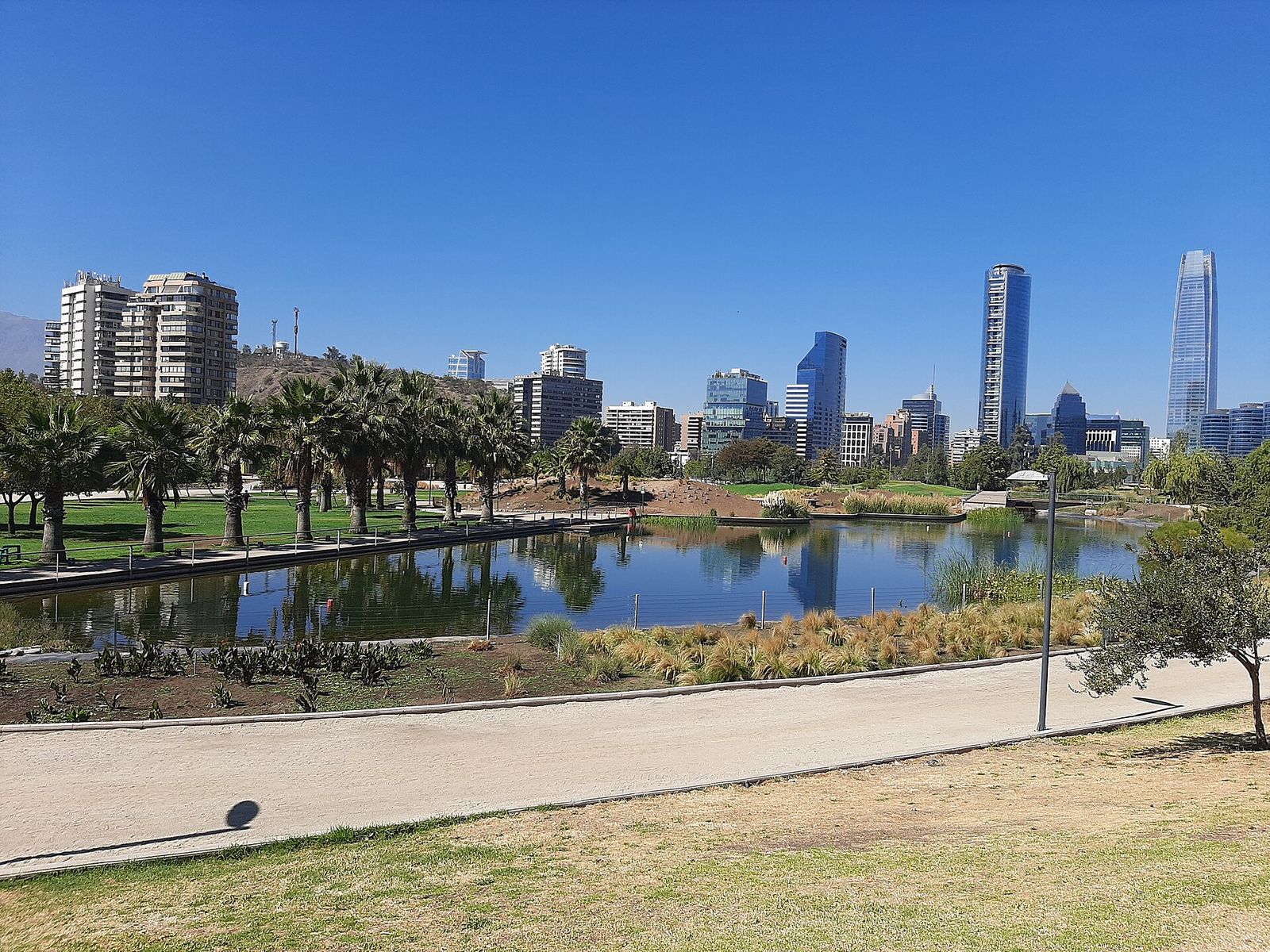
January is the hottest, driest and emptiest month of the Santiago year. Santiago Chile in January averages 30.2°C by day and 12.4°C at night, with effectively no rain, while half the city leaves for the coast and the Festival Internacional Teatro a Mil takes over the plazas.
That combination makes January genuinely good and genuinely awkward at the same time. Museums are quiet, the Metro is comfortable, the Andes are clear and the evenings are long. Meanwhile neighborhood restaurants close for weeks, the middle of the day is unusable outdoors, and accommodation runs at peak rates. This page covers what is open, what to skip and how to shape a day around the heat. For the year in context, see the best time to visit guide, and for the raw figures, Santiago weather by month.
Santiago in January at a glance
| Question | Answer |
|---|---|
| Average high | 30.2°C / 86°F |
| Average low | 12.4°C / 54°F |
| Rainfall | Effectively zero, under 1 mm |
| Daylight | Sunset near 21:00, usable light to about 21:30 |
| Crowds | Few Chileans, more foreign visitors |
| Prices | Peak season for accommodation |
| Big event | Teatro a Mil, which ran 3-25 January in 2026 |
| Closures | 1 January, most museums on Monday, many restaurants for the month |
| Best hours outdoors | Before 11:00 and after 18:00 |
| Best day trips | The coast for cool air, the Cajón del Maipo for altitude |
The single most useful thing to know is that January in Santiago has two personalities. Until about 11:00 and after about 18:00, it is one of the most pleasant cities in South America. Between those hours it is a hot, exposed basin with very little shade, and every sensible plan works around that.
What is the weather like in Santiago in January?
Hot and dry, with a big overnight drop. The Chilean weather service’s 1991-2020 normals for Santiago Pudahuel give a January mean maximum of 30.2°C and a mean minimum of 12.4°C, with essentially no rainfall. Skies are clear, humidity is low, and the Andes are visible on most mornings.
Three details matter more than the averages. First, the average is not the ceiling: 35°C afternoons happen most summers, and heat waves can push higher. Second, the overnight drop of nearly 18°C means evenings are genuinely cool, so a layer is not optional even in midsummer. Third, the UV is strong. At 33° south, 570 m above sea level, with clear, dry air, midday sun burns unprotected skin quickly, and the exposed sections of Cerro Santa Lucía and Cerro San Cristóbal offer almost no shade.
| January detail | Figure |
|---|---|
| Mean maximum | 30.2°C / 86°F |
| Mean minimum | 12.4°C / 54°F |
| Approximate rainfall | Under 1 mm, the driest month |
| Typical day-night swing | About 18°C |
| Air quality | Good; the winter inversion does not apply |
The air quality point is worth spelling out, because Santiago’s reputation for smog is a winter story. In January, heat and wind keep the basin ventilated, and the mountain views that vanish in June and July are reliably available. If your priority is seeing the Andes from the city, summer delivers.
What is open and what is closed in January
More is closed than visitors expect, and almost none of it is on a published list. The Chilean summer holiday runs from late December through February, and small, owner-run businesses simply shut for two to four weeks. Museums, transport and the big attractions stay open; your favourite neighborhood restaurant may not.
The closures that catch people out:
- 1 January. Nearly everything closes, including most museums, many restaurants and a large share of the retail sector. Plan a park day, not a museum day.
- Mondays. Most museums close on Monday, along with the teleférico and the zoo. This is a year-round rule that a summer visit does not exempt you from.
- Neighborhood restaurants. Many close for anywhere from a week to a month, with a handwritten sign in the window. Barrio Italia and Ñuñoa thin out noticeably.
- Cultural institutions on reduced schedules. Some galleries and smaller venues run shorter summer hours.
What stays reliably open:
- The Metro, from 06:00 to 23:00 Monday to Friday, 06:30 on Saturday and 07:30 on Sunday and holidays.
- The major museums, Tuesday to Sunday. The Museo de la Memoria and the Museo Nacional de Bellas Artes are both free.
- La Chascona, Neruda’s Bellavista house, which extends its hours to 19:00 through January and February, at CLP 11,000 (about USD 11.60, checked September 2026).
- Parque Metropolitano, daily 06:00 to 19:00, with the teleférico Tuesday to Sunday 10:00 to 19:45 from CLP 2,630 return.
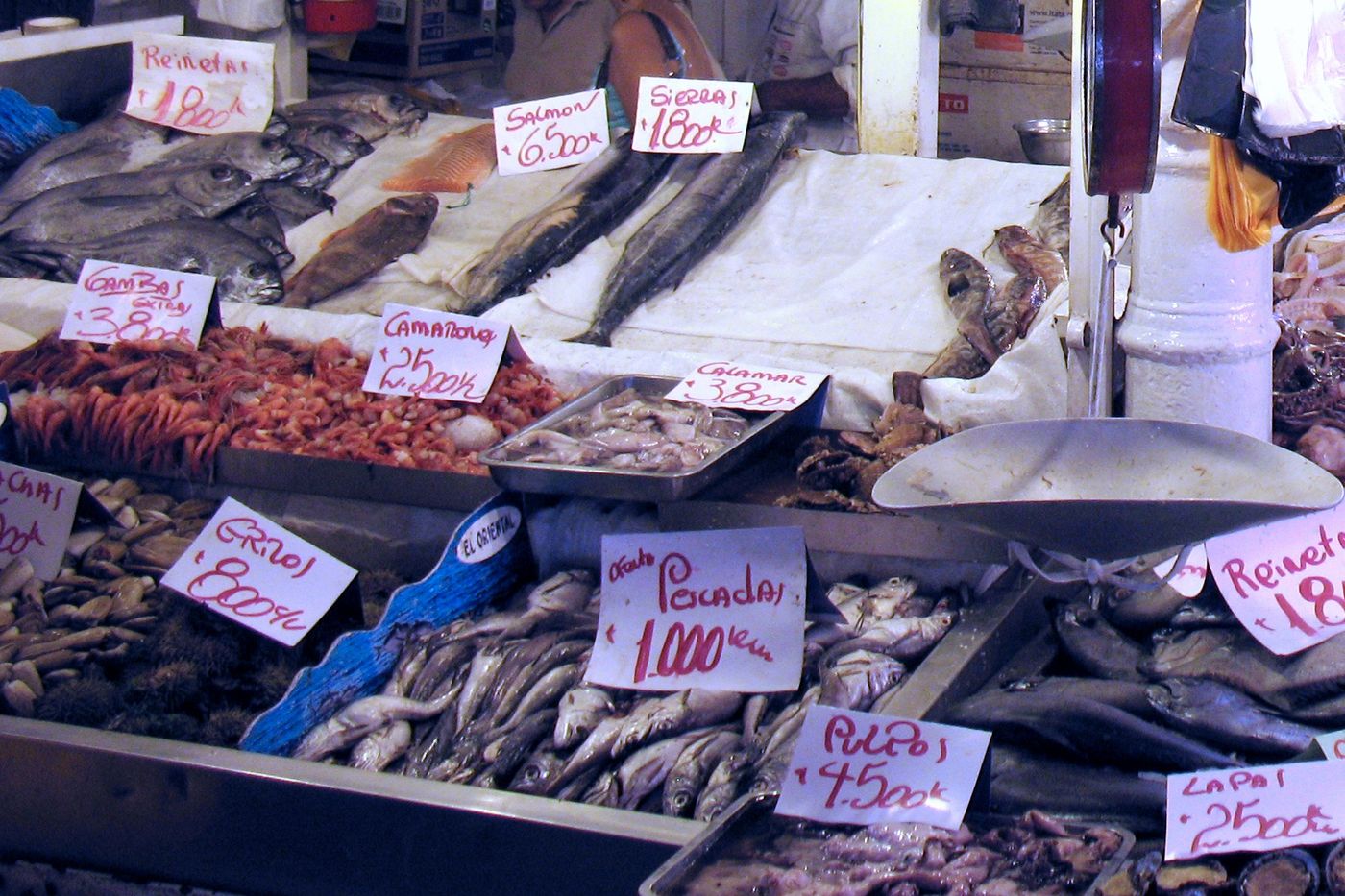
- Markets. The Mercado Central runs Sunday to Thursday 07:30 to 17:00, Friday to 20:00 and Saturday to 19:00, and La Vega Central runs roughly Monday to Saturday 07:00 to 17:00.
All hours checked September 2026. The practical approach is to confirm any specific restaurant the same day rather than relying on listings, and to treat the big institutions as your reliable backbone.
The best things to do in Santiago in January
Everything worth doing in January is shaped by the sun. The good news is that the city’s best experiences fall naturally into the cool hours: markets in the morning, hills at sunset, theatre in the evening, water in between.
Early morning, before the heat. Cerro Santa Lucía opens at 07:00 Tuesday to Sunday in summer and closes at 20:30, with Monday opening at 12:00. It is a staircase rather than a stroll, which is why doing it at 08:00 rather than 14:00 matters. The Mercado Central and La Vega are at their best before 10:00, and January is peak season for Chilean fruit, which is the single best argument for visiting a market here at all.
Midday, indoors. The Museo Chileno de Arte Precolombino runs Tuesday to Sunday 10:00 to 18:00 with last entry at 17:15, at CLP 12,000 for foreign visitors. The Museo de la Memoria is free and takes two hours. The Centro Cultural La Moneda’s galleries are underground and cool, running Tuesday to Sunday 10:15 to 18:45. Shopping centers are air-conditioned and unglamorous but they solve a 15:00 problem.
Late afternoon and evening. The teleférico up Cerro San Cristóbal is the classic summer sunset, Tuesday to Sunday 10:00 to 19:45, closed Monday, from CLP 2,630 return (about USD 2.75). Piscina Tupahue and the Parque Metropolitano pools run a summer season. And Teatro a Mil, the festival that ran 3 to 25 January in 2026, puts free street productions in plazas across the city, with the festival guide covering how to find and attend them.
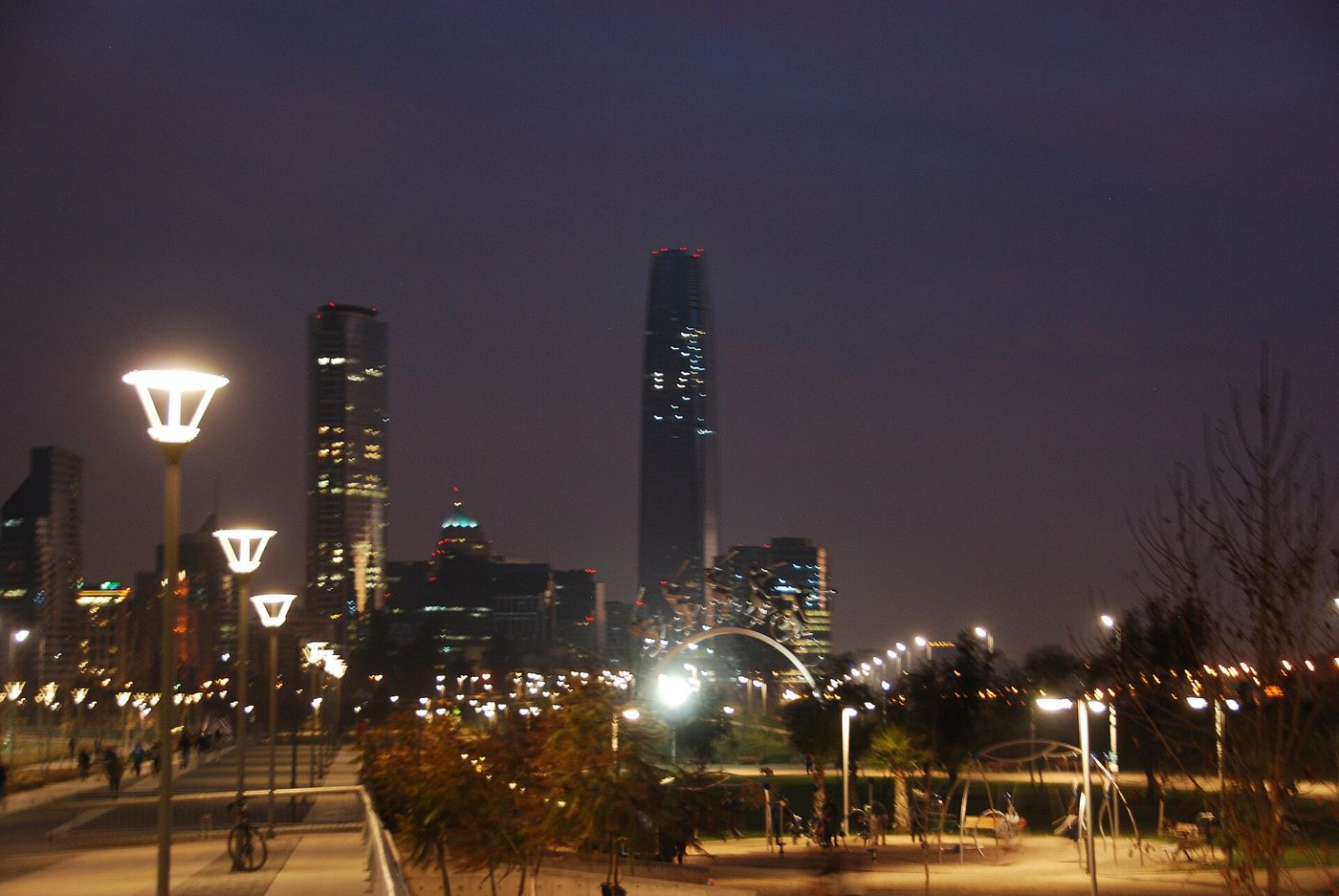
After dark. Santiago eats late in summer, with kitchens busy from 21:00 and terraces full until midnight. Bellavista, Lastarria and Barrio Italia carry the evening trade even when individual places are closed for the holidays. The nightlife guide covers the areas, and the food guide covers where to eat.
How to shape a January day around the heat
Split the day in three: an outdoor morning, an indoor or aquatic afternoon, and a long outdoor evening. That pattern is how Santiaguinos handle summer, and fighting it is the most common mistake visitors make with a January itinerary.
A day that works:
- 07:30 to 11:00. The cool window. Hills, markets, the centro on foot, a walking tour. The free tours from Plaza de Armas leave at 10:00 and 15:00 daily; take the morning one.
- 11:00 to 13:00. Transition. A shaded park, a gallery, a café with a fan.
- 13:00 to 15:30. Lunch, ideally the fixed-price menú del día that most restaurants serve at a fraction of dinner prices. This is the meal to eat properly in January.
- 15:30 to 18:00. Indoors or in water. Museums, a pool, a long siesta. Nothing outdoors in direct sun.
- 18:00 to 21:00. The second cool window. The teleférico, a park, a plaza, a street performance.
- 21:00 onward. Dinner. Sunset lands near 21:00 in early January and the terraces do not empty until late.
Two practical notes. The Metro is the most comfortable way to cross the city in the afternoon, since carriages and most stations are shaded and moving air helps; fares run CLP 735 to 895 depending on the hour. And hydration is a real planning item, not a platitude: the air is dry enough that you lose water without noticing.
Is January a good time to visit Santiago?
It depends on what you came for. January suits travelers who want long evenings, clear mountain views, festivals and day trips, and who can work around the heat. It suits food-led trips badly, because so many kitchens close, and it suits anyone who wants to walk all day even worse.
The honest balance:
| January is good for | January is bad for |
|---|---|
| Andes views and clear photography | Midday sightseeing on foot |
| Long evenings and outdoor dining | Neighborhood restaurant hopping |
| Teatro a Mil and free street culture | Anyone who dislikes 30°C |
| Quiet museums and an easy Metro | Budget travel, at peak accommodation rates |
| Coast and mountain day trips | A trip built around a packed daytime schedule |
If your dates are flexible, March and April deliver most of January’s warmth with none of its shutdown, and October gives you clearer air and green foothills. If your dates are fixed to January, the answer is not to avoid the city but to plan a two-speed day. The travel styles guide covers how different kinds of trips handle that split, and the pillar on timing compares January directly with the other eleven months.
One more consideration. January is when Santiago is at its least crowded with locals and its most crowded with international visitors, which shifts the texture of the city rather than its volume. Popular restaurants that stay open are busy with tourists; ordinary neighborhoods are quiet.
What to eat in Santiago in January
Chilean summer food is seasonal in a way that has not been engineered away, and January is the best month of the year to eat here even though it is the worst month for finding your chosen restaurant open. Corn, stone fruit, tomatoes and fresh beans are all at their peak, and the classic summer dishes are built around them.
What is in season and worth ordering:
- Pastel de choclo. A baked corn pie over beef, chicken and an olive, sweetened slightly and browned on top. It only makes sense when the corn is fresh, which is exactly now.
- Humitas. Ground fresh corn steamed in its own husks, served with tomato salad. The same seasonal logic, in a simpler form.
- Porotos granados. Fresh cranberry beans stewed with corn and squash. A genuinely Chilean dish that most visitors never encounter because it disappears after summer.
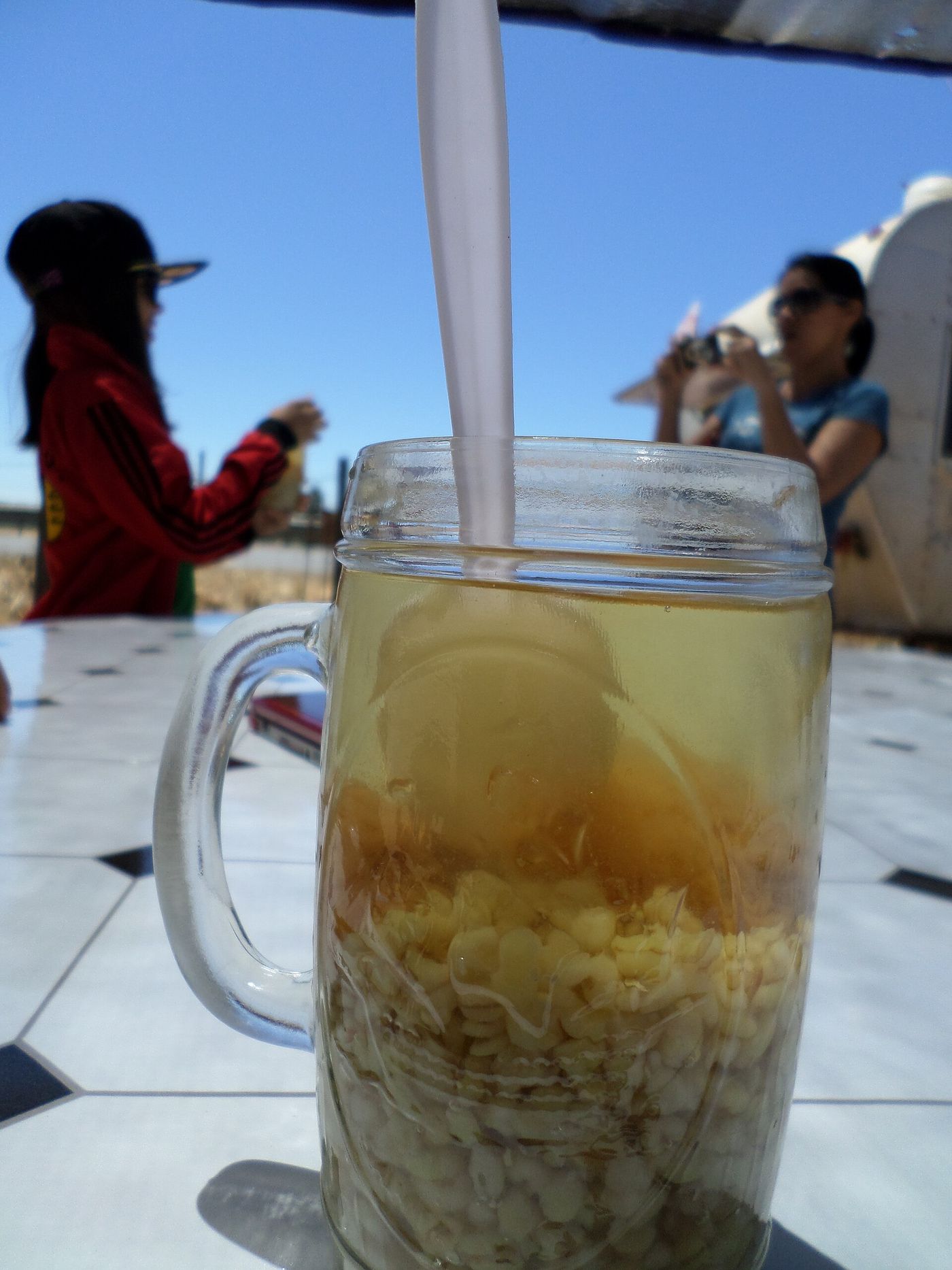
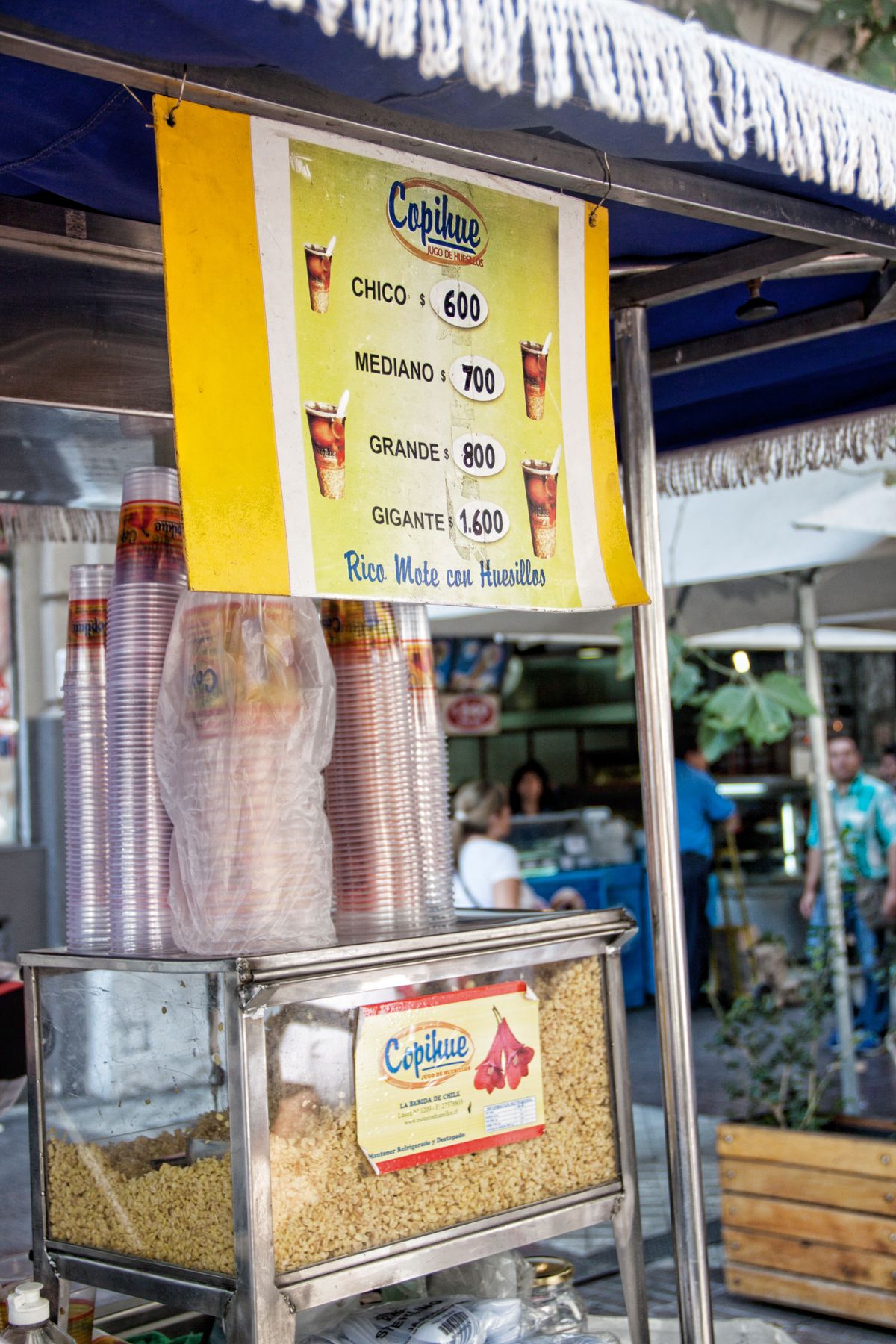
- Mote con huesillo. Husked wheat and a rehydrated dried peach in sweet syrup, sold from street carts and drunk rather than eaten. It is the sound and taste of a Santiago summer, and it costs almost nothing.
- Stone fruit and grapes. January is the middle of the Chilean fruit season. Peaches, nectarines, plums, table grapes, melons and watermelon fill La Vega and every corner stall, and they are better and cheaper than anything exported.
- Ceviche and raw fish. The cold Humboldt Current means Chile’s seafood is excellent, and the Mercado Central’s edge counters handle it better than its central hall, where touts work the aisles.
Two practical notes. Lunch is the meal to spend money on in January, because the fixed-price menú del día runs at a fraction of dinner prices and gets you out of the sun between 13:00 and 15:30. And the terrace culture that defines Santiago summer evenings means booking matters for anywhere popular, particularly in Lastarria, Bellavista and Barrio Italia where the outdoor tables are the point. The food and restaurants guide covers the neighborhoods, the dishes and where to find them outside the holiday closures.
Where to cool off
Santiago is 100 km from the ocean and sits in a dry basin, so the water options are engineered, high or coastal. All three work, and they define the shape of a January afternoon for most people who live here.
The Parque Metropolitano pools. Piscina Tupahue and Piscina Antilén sit on the slopes of Cerro San Cristóbal with city views, and they run a summer season that typically ends in March. The 2025-26 season closed on 15 March 2026, with adult entry at CLP 7,000 in that season (checked September 2026). Prices and dates change each summer, so confirm before making the trip.
Hotel and apartment pools. The single most useful amenity in a January booking, and the reason a slightly more expensive room can be worth it. If you are traveling with children, treat a pool as a requirement rather than a luxury.
The Cajón del Maipo. The river is cold, fast and not for casual swimming, but the canyon’s altitude makes it 5 to 8 degrees cooler than the city, and there are hot springs at the upper end for anyone who wants water at the other extreme.
The coast. Valparaíso and Viña del Mar are the classic Santiago escape, but the Humboldt Current makes the Pacific here genuinely cold year-round. People swim, briefly. The real benefit is the air temperature, which runs far below the city’s.
The honest verdict: a rooftop or hotel pool beats all of it for a hot afternoon in the city, and the coast is better treated as a cooler day out than as a beach holiday.
How busy is Santiago in January?
Quieter than you would expect, and busier in specific places. Chileans leave the capital for the coast and the south through January, which empties residential neighborhoods, thins weekday traffic and frees up museum queues. International visitor numbers rise at the same time, concentrating in the centro, Bellavista and Lastarria.
The practical effects:
| Where | January feel |
|---|---|
| Residential comunas like Ñuñoa and Providencia | Noticeably quiet, with closures |
| Centro and Plaza de Armas | Busy with visitors, fewer office workers |
| Museums | Quiet, particularly midweek |
| Metro at rush hour | Easier than any other month |
| Restaurants that stay open | Busy, and worth booking |
| Coastal day trips | Very busy, especially at weekends |
| Accommodation | Peak rates, book well ahead |
The weekend pattern inverts too. Santiago at a January weekend can feel semi-abandoned while Valparaíso and the coastal towns are packed, so a coast day trip works better midweek. Long weekends around 1 January are the exception, when everything everywhere is full.
Day trips that work in January
Two directions solve the heat. West to the coast, where the Humboldt Current keeps temperatures far lower than the city. East and south into the Andes, where altitude does the same thing and adds water.
The coast: Valparaíso and Viña del Mar. Buses run from Terminal Pajaritos and Alameda every 10 to 20 minutes, take 1.5 to 2 hours and cost roughly CLP 4,900 to 6,180 one way. The coast in January is often 8 to 10 degrees cooler than Santiago, and morning fog is normal. Pack a jacket even when the city is at 30°C.
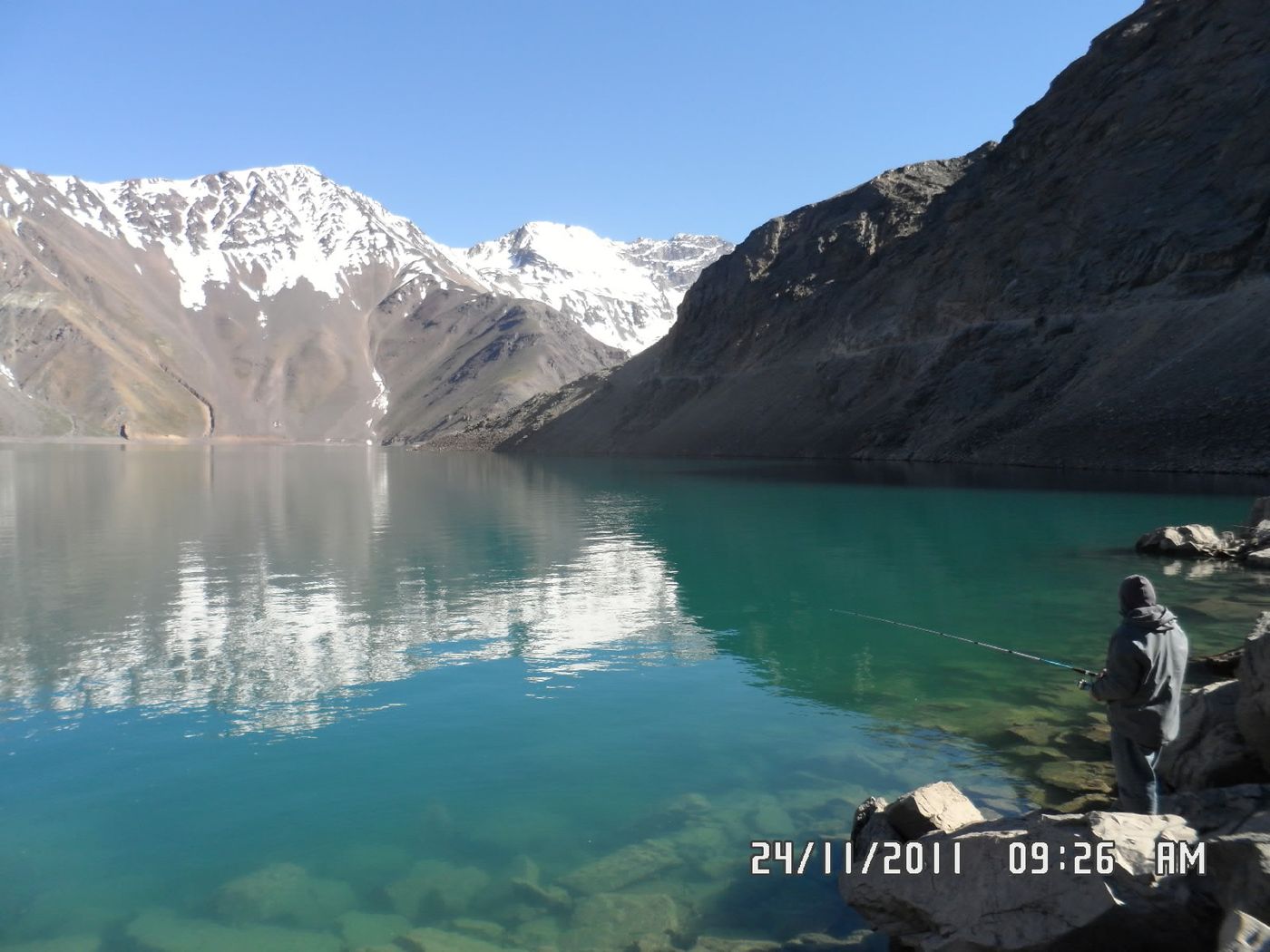
The Cajón del Maipo. The canyon climbs southeast of the city, with the Maipo river, hot springs and hiking. The road to the Embalse El Yeso, closed to private vehicles from April to August, is open in summer; the park runs Thursday to Monday 08:00 to 18:00 with last entry at 11:00 and an adult fee of CLP 3,450 (checked September 2026). Go early, take water, and treat the altitude seriously.
Wine country. The Maipo Valley estates are in full growing season in January, with harvest starting from late February. Cousiño Macul runs traditional tours at CLP 25,000 and premium at CLP 40,000, Santa Rita’s Clásico is CLP 31,000 and Undurraga’s Sibaris is CLP 29,500 with English departures at 10:00 and 15:00. The wine tours guide covers which estates suit which kind of day.
The mountains without snow. Farellones and the ski areas turn into hiking and cycling territory in summer, at 2,400 m and above where the air is 10 degrees cooler than the city. The Andes and outdoors guide explains the routes and the day trips guide covers the logistics of each direction.
A week in Santiago in January
Seven days is enough to see the city properly, take two day trips and still spend the worst hours of each afternoon out of the sun. This version assumes arrival on a Saturday and works around the Monday closures.
- Saturday: settle in. Walk Lastarria and Bellas Artes in the late afternoon, eat late on a terrace. Do not attempt anything ambitious on arrival day in 30°C heat.
- Sunday: centro and markets. The free walking tour from Plaza de Armas at 10:00, the Mercado Central for a look and the edge counters for lunch, an indoor afternoon, then the teleférico at sunset.
- Monday: parks and neighborhoods. Museums, the zoo and the teleférico are closed. Use the day for Barrio Italia, Parque Bicentenario, Parque Forestal and a long lunch, or move it to the coast.
- Tuesday: museums. The Precolombino in the morning, the Museo de la Memoria or Bellas Artes in the afternoon, both indoors and both cool. La Chascona opens until 19:00 in January.
- Wednesday: the Cajón del Maipo. An early start, water, and back before the worst of the afternoon. The El Yeso road is open in summer; the park runs Thursday to Monday with last entry at 11:00, so check the day before you commit.
- Thursday: wine country. A Maipo Valley estate in the morning, lunch among the vines, back to the city for a late-afternoon rest and an evening show.
- Friday: the coast or the festival. Valparaíso for cooler air and hill funiculars, or a full day of Teatro a Mil productions if the programme is running.
That shape is deliberately loose. January’s one non-negotiable is the middle of the day, and any itinerary that ignores it will be abandoned by Wednesday. For alternative structures, including three-day and five-day versions, see the itineraries pillar.
What January costs
More than the shoulder months, mostly because of accommodation. Attraction prices, transport and food do not change with the season, so the January premium is concentrated in beds and, if you are flying from the Northern Hemisphere, in airfares over the holiday period.
| Item | Price (checked September 2026) | USD approx. |
|---|---|---|
| Metro, off-peak | CLP 735-815 | 0.77-0.86 |
| Metro, peak hours | CLP 895 | 0.94 |
| bip! card for buses | CLP 1,550 | 1.63 |
| Teleférico return | From CLP 2,630 | 2.77 |
| Funicular return, weekday | CLP 2,250 | 2.37 |
| La Chascona | CLP 11,000 | 11.58 |
| Museo Precolombino, foreign visitor | CLP 12,000 | 12.63 |
| Museo de la Memoria | Free | – |
| Sky Costanera adult | CLP 25,000 | 26.32 |
| Embalse El Yeso park entry | CLP 3,450 | 3.63 |
| Bus to Valparaíso, one way | CLP 4,900-6,180 | 5.16-6.51 |
Converted at CLP 950 to USD 1, the September 2026 working rate. The honest verdict on Sky Costanera in January: it costs ten times a teleférico ticket, and the hill gives you the same skyline with the Andes in the frame and moving air. Take the tower only if the heat has driven you fully indoors.
Booking accommodation early matters more in January than in any other month, and the first week is usually easier than the middle. The trip cost guide has the full breakdown including beds and a sample budget.
Heat, sun and wildfire season
Three January-specific risks, none of them exotic, all worth planning around. Heat, ultraviolet exposure and the central Chilean wildfire season, which runs roughly December to March.
Heat. Afternoons in the mid-30s happen most summers. The standard precautions apply: water, shade between 13:00 and 17:00, and no unshaded hill climbs at midday. Santiago’s hills look modest and are steeper than they photograph.
Sun. SPF 50, a brimmed hat and sunglasses. This is not a cautious recommendation at this latitude and altitude, and it matters more on day trips, where the ski-area roads climb above 2,400 m and the UV climbs with them.
Wildfires. Central Chile’s fire season runs December to March, generally away from the city itself but occasionally close enough to fill the basin with smoke and to close roads in the foothills. Check conditions before a Cajón del Maipo or coastal drive on a hot, windy day, and follow local guidance rather than a forecast.
Ordinary city safety does not change with the season, though crowds at free festival events concentrate the usual risks. Keep a bag zipped and in front of you, avoid holding a phone loose in a crowd, and use an app for taxis rather than flagging one. The safety guide covers the full picture.
What to pack for January
Light clothing for the day, something warm for the evening, and serious sun protection. That is the whole list, and the evening layer is the part people forget: a 30.2°C afternoon becomes a 12.4°C night, and dinner on a terrace at 22:00 is genuinely cool.
- Breathable shirts, shorts or light trousers, and one long-sleeved layer.
- A light sweater or jacket for evenings, every single day.
- SPF 50, a real hat, sunglasses.
- Comfortable walking shoes with grip for the hills.
- Swimwear, for hotel pools and the Parque Metropolitano pools.
- A refillable bottle, because hydration is a daily planning item.
- A jacket for any coastal day trip, regardless of the Santiago forecast.
The full seasonal version, including the dress codes that catch people out in the eastern neighborhoods, is in the Santiago packing guide.
Getting around in the heat
The Metro is the January default. It runs 06:00 to 23:00 Monday to Friday, from 06:30 on Saturday and 07:30 on Sunday and holidays, fares run CLP 735 to 895 depending on the hour, and since February 2026 it takes contactless bank cards directly. In a month when rush hour thins out, it is the fastest and coolest way to cross the city.
Above ground, three seasonal patterns are worth knowing. RED buses still require a bip! card, which costs CLP 1,550 with a CLP 1,000 minimum top-up, so a contactless card alone will not get you onto one. Walking distances that feel trivial in October are punishing at 15:00 in January, and a 20-minute walk across the centro should be treated as a 20-minute walk in full sun. And the roads to the coast, particularly Ruta 68 toward Valparaíso, jam badly on January weekends and on the days around public holidays, which is a strong argument for buses over rental cars and for midweek over Saturday.
Taxis and ride-hailing apps work normally and are the sensible answer after the Metro closes at 23:00, which in a month of 22:00 dinners happens more often than you would expect. Budget roughly CLP 6,000 to 12,000 for a late ride across the central comunas.
For the full picture of fares, cards, transfers and which trips are genuinely walkable, see getting around Santiago.
January by traveller type
The same month reads differently depending on why you came. This is the short version of who January suits.
| Traveller | January verdict |
|---|---|
| First-time visitor | Good, if you accept the two-speed day and book accommodation early |
| Couples | Very good: long evenings, terrace dinners, festival nights |
| Families | Good with a pool; hard without one |
| Solo travellers | Good. Hostels are busy with other visitors and the festival is easy to attend alone |
| Food-led trips | The weakest month, because so many kitchens close for the holidays |
| Hikers and outdoors | Excellent in the mountains, unpleasant in the city at midday |
| Photographers | Excellent light early and late, clear Andes, harsh at midday |
| Budget travellers | The most expensive month for beds, cheapest for everything else |
The travel styles guide goes deeper on each of those, and the best time to visit pillar compares January directly against the rest of the calendar.
Five January mistakes worth avoiding
Most January trips go wrong in the same handful of ways, and all of them are avoidable with a day’s planning.
- Climbing a hill at 14:00. Cerro Santa Lucia and Cerro San Cristobal are steep, stony and largely unshaded. Both are excellent at 08:00 and at 19:00, and genuinely unpleasant in between.
- Landing on a Monday with a museum plan. Most museums, the zoo and the teleferico close on Monday. A Monday in January is a day for parks, markets, neighborhoods and a long lunch.
- Assuming your restaurant is open. The Chilean summer holiday closes a large share of small, owner-run kitchens for two to four weeks without notice. Check the same day, and have a second option in a busier district.
- Packing for heat only. A 30.2C afternoon becomes a 12.4C night, and a coastal day trip can be 10 degrees cooler than the city at the same hour. One warm layer, every day, no exceptions.
- Booking late. January is peak season for accommodation even though the locals have left, and the good central options go first. The first week is usually easier than the middle of the month.
Add one more if you are driving: the coast roads on a January weekend are among the worst traffic in the Chilean year, and a bus to Valparaiso costs a few thousand pesos and avoids the problem entirely.
Frequently asked questions
How hot does Santiago get in January?
The 1991-2020 normals give a mean maximum of 30.2°C and a mean minimum of 12.4°C. In practice, afternoons in the mid-30s occur most summers and heat waves can go higher. The overnight drop is the surprise: nearly 18°C, which makes evenings comfortable and sometimes cool.
Does it rain in Santiago in January?
Almost never. January is the driest month of the year, with under 1 mm on the derived monthly figures. A wet January day is a genuine anomaly rather than a risk worth planning around, which is why outdoor events dominate the summer calendar.
Is anything closed in Santiago in January?
Yes, more than most visitors expect. 1 January closes nearly everything. Most museums, the zoo and the teleférico close on Mondays year-round. And many neighborhood restaurants shut for two to four weeks during the Chilean summer holidays, usually without warning.
What is Teatro a Mil and is it worth attending?
The Festival Internacional Teatro a Mil is Chile’s largest performing arts festival, held across January. The 2026 edition ran 3 to 25 January with 89 productions from 16 countries, and around 80% of the audience attended free street performances. It is worth attending, especially the outdoor programme, which needs no Spanish.
What do Chileans do in January?
They leave. The Chilean summer holiday empties Santiago toward the coast, the lake district and the south through January and into February, which is why so many small businesses close for weeks. The people who stay treat the city as a summer town: early mornings, indoor afternoons and long evenings outdoors.
Are the Andes visible from Santiago in January?
Usually, yes. The winter inversion that traps smog in the basin does not apply in summer, and heat and wind keep the air moving. Mornings are clearest, with some afternoon haze. Snow on the peaks is patchy by January and confined to the highest ground.
Is January too hot for children in Santiago?
Not if you plan around it. Pools, shaded parks, museums and the Metro handle the middle of the day, and the long evenings are the best part of a family day here. The one thing to avoid is a midday hill climb. The Santiago with kids guide covers the rest.
Should I visit Santiago in January or February?
January, in most cases. The two months are statistically almost identical, at 30.2°C and 30.1°C average highs, but January carries the Teatro a Mil festival and a fuller cultural calendar. February is the deeper part of the Chilean holiday, with more closures and a quieter city.
February is January’s quieter twin, statistically almost identical at 30.1C by day but with the Chilean holiday at its deepest and the largest share of neighborhood kitchens shuttered. If your dates fall either side of the month boundary, our guide to Santiago Chile in February sets out exactly what closes, what stays open and why the last week of the month is the best part of it.
January is the busiest month of a longer season. For the summer calendar as a whole, including the December closures, February’s near-empty cultural programme and the March run of Lollapalooza and the harvest festivals, see our guide to Santiago summer events.
Sources
- Dirección Meteorológica de Chile: climate normals, Santiago Pudahuel 330021
- Dirección Meteorológica de Chile: climate normals, Quinta Normal 330020
- Fundación Teatro a Mil: festival programme
- Ministerio de las Culturas: Teatro a Mil 2026 launch
- Parque Metropolitano de Santiago
- Teleférico Santiago: hours and fares
- Fundación Neruda: La Chascona
- Museo Chileno de Arte Precolombino
- Metro de Santiago: fares and hours
- Santiago Turismo: markets and visitor information
- Government of Canada travel advice: Chile
- Visit Santiago: official visitor site
Image credits
| Photo | Credit |
|---|---|
| Parque Bicentenario, Vitacura (top of page) | Tommy Boy, CC BY-SA 4.0, via Wikimedia Commons |
| Santiago at dusk | Danielaalfaroacosta, CC BY-SA 3.0, via Wikimedia Commons |
| Mercado Central | Uwebart, CC BY-SA 4.0, via Wikimedia Commons |
| Mote con huesillo | Gianinanicole, CC BY-SA 3.0, via Wikimedia Commons |
| A mote con huesillo cart | She Paused 4 Thought, CC BY 2.0, via Wikimedia Commons |
| Embalse El Yeso | Karinadelpilarcontreras, CC BY-SA 3.0, via Wikimedia Commons |