Pack layers, one pair of shoes you can walk 15 km in, sun protection stronger than you think you need, and a plug adapter for 220V type C and L sockets. Knowing what to pack for Santiago Chile starts with one number: the gap between the average afternoon and the average night runs up to 18°C in every season.
That swing, not the headline temperature, is what catches people out. A January afternoon averages 30.2°C and the same night drops to 12.4°C. A July afternoon reaches 15.0°C and dawn sits at 3.5°C, indoors as well as out, because plenty of Santiago buildings have no central heating. Everything below follows from those numbers, which come from the Chilean weather service’s 1991-2020 normals for Santiago Pudahuel. For the full monthly picture, see Santiago weather by month, and for the decision about when to come at all, the best time to visit guide.
The short answer: a Santiago packing list that works year-round
| Category | Always pack | Add in summer (Dec-Feb) | Add in winter (Jun-Aug) |
|---|---|---|---|
| Layers | T-shirts, one warm mid-layer, one light jacket | Linen or cotton shirts, sundress or shorts | Proper coat, thermal base layer, scarf |
| Legs | Comfortable trousers or jeans | Shorts for parks and pools | Warm trousers; wet feet are the winter problem |
| Shoes | One pair of walking shoes with grip | Sandals for evenings | Water-resistant shoes for July |
| Sun | SPF 50, hat, sunglasses | Higher-SPF lip balm, sun sleeves | Sunglasses still, snow glare in the Andes |
| Bag | Zip-top day bag worn in front | Reusable water bottle | Small umbrella |
| Tech | Type C or L plug adapter, power bank | Portable fan if you run hot | Nothing extra |
| Documents | Passport, card, small CLP cash | Copy of your tourist card | Copy of your tourist card |
| Health | Any prescriptions in original packaging | Electrolyte sachets | Nothing extra |
Nothing on that list is exotic, and that is the point. Santiago is a modern capital of seven million people with pharmacies on every second block and shopping centers that stock everything you forgot. The packing mistakes here are about weather misjudgment, not missing gear.
What to pack for Santiago Chile by season
The city has four real seasons, and they invert the Northern Hemisphere calendar. Chilean summer runs December to February and winter runs June to August, which means a July trip from Europe or North America is a swap from summer into winter and needs a different suitcase entirely.
Summer: December, January and February
Averages of 27.6°C to 30.2°C by day, nights at 11-13°C, essentially no rain. Pack light, breathable clothing for the day, something warm for the evening, and take sun protection seriously. At 33° south with dry, thin air, the midday sun between 12:00 and 17:00 burns fast, and Santiago’s plazas and hills offer very little shade.
- Breathable shirts and tops you can layer, not one heavy outfit.
- A light sweater or jacket for after 21:00, when the terraces fill and the temperature drops.
- SPF 50, a real hat, sunglasses. Reapply if you are on a hill.
- A refillable bottle. Water fountains are patchy, but every café will fill it.
- Swimwear, if your accommodation has a pool or you plan on the Parque Metropolitano pools.
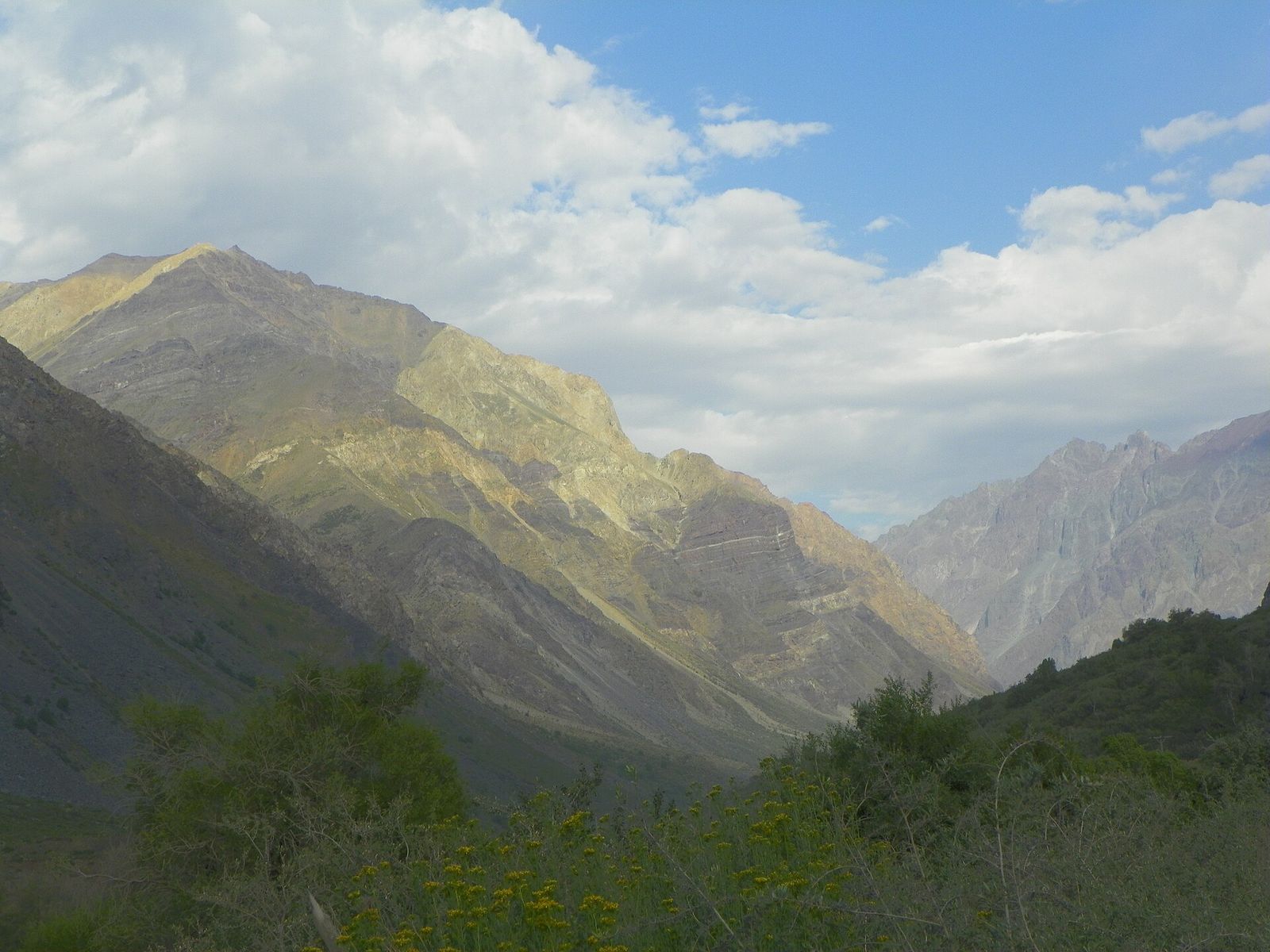
Skip the heavy hiking gear unless you are heading into the Cajón del Maipo. A city summer here is a sneakers-and-shorts affair.
Autumn: March, April, May
Averages slide from 28.6°C in March to 21.7°C in May, with nights dropping from 11.4°C to 5.2°C. Autumn asks for the widest range in the smallest bag: a warm afternoon and a genuinely cold morning on the same day.
- One warm mid-layer, such as a fleece or merino crew, that lives in your day bag.
- A light waterproof for May, when the first fronts arrive.
- Closed shoes. April and May evenings are too cold for sandals.
- Sunglasses, because the low autumn sun is harsher than the temperature suggests.
Winter: June, July, August
Averages of 14.6-17.3°C by day and 3.0-3.9°C at night, with roughly 63% of the year’s rain falling in these three months. This is the season visitors most often underpack for, and the reason is indoors rather than outdoors.
- A proper coat, not a city blazer. Dawn is near freezing.
- A thermal base layer, mostly for indoor evenings. Many older apartments, smaller hotels and older restaurants have no central heating, single glazing and cold floors.
- Water-resistant shoes and a compact umbrella. Rain comes in two or three multi-day systems rather than daily drizzle, but when it arrives it is serious.
- Warm socks and something for your hands in June and July.
- Sunglasses, still. The day after a storm is blindingly clear, especially with snow on the mountains.
If you are adding a ski day above the city, that is a different kit list entirely, and most of it can be rented at the mountain. The skiing guide covers what to rent and what to bring.
Spring: September, October, November
Averages climb from 18.5°C to 23.7°C with nights between 4.9°C and 8.3°C. September is unstable and windy, October is the best all-round month, and November is close to summer. Pack as you would for autumn, with a bias toward warmth in September and toward sun protection in November.
- A windproof layer for September, which gets the year’s strongest winds.
- Light layers for October, when 20°C afternoons follow 6°C mornings.
- Sun protection from November onward. The UV climbs faster than the thermometer at this latitude.
The layering system that actually works in Santiago
Three layers, always: a breathable base, a warm mid-layer you can carry, and a shell for wind or rain. That combination handles a 12°C morning followed by a 25°C afternoon without a second suitcase, and it is how locals dress in every season except deep summer.
The reason is the dry continental air in the basin. Without ocean humidity to hold the heat, the temperature falls off a cliff at sunset. In April, a 25.7°C afternoon becomes a 9.5°C night. In January, a 30.2°C afternoon becomes 12.4°C. Anyone walking back from dinner at 23:00 in what they wore at 15:00 will be cold, in any month of the year.
A practical version of the system:
| Layer | Summer | Winter |
|---|---|---|
| Base | Cotton or linen shirt | Merino or synthetic thermal |
| Mid | Light sweater carried in a day bag | Fleece or wool sweater |
| Shell | Packable windbreaker | Insulated, water-resistant coat |
| Extra | Hat and sunglasses | Scarf, gloves, umbrella |
A normal Santiago day, in clothing terms, goes like this. You leave at 09:00 in a jacket because the air is still cold in the shade. By 11:30 the jacket is in your bag and you want the hat. Between 13:00 and 17:00 you are looking for shade, indoor space or a tree. Around 19:00 the sun drops behind the coastal range and the temperature starts falling fast. By 22:00, walking back from dinner, you want the jacket again. That cycle repeats from October to March almost without variation, and the winter version simply shifts the whole thing 12 degrees colder.
The corollary is that your day bag matters more here than in humid cities: it carries the layer you are not wearing for most of the day. A 15 to 20 litre bag with a zip closure covers a day of walking, a water bottle, a camera and the sweater you will want at 20:00.
What does Santiago’s pickpocketing risk mean for how you pack?
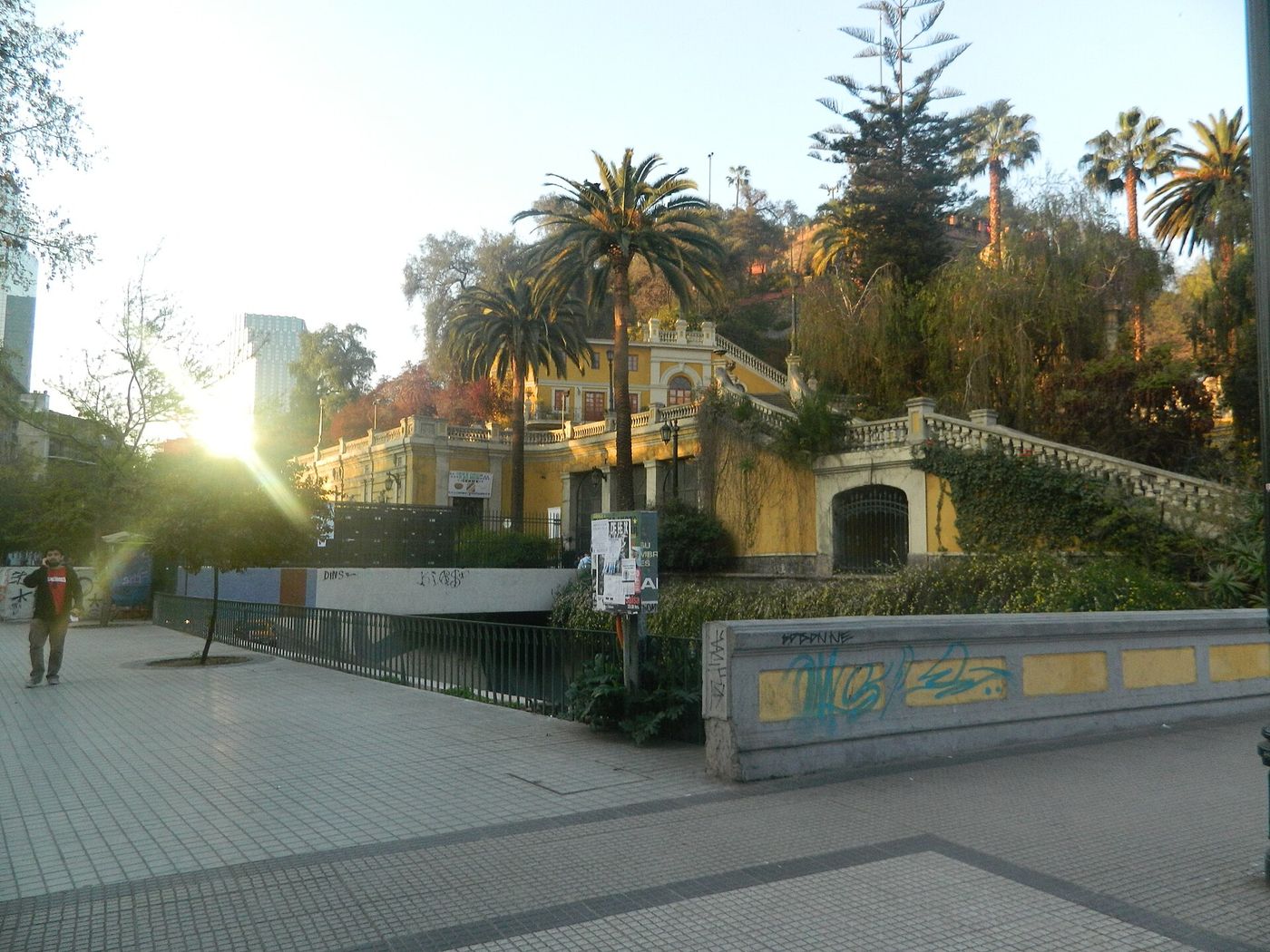
It means packing for a bag you can close and keep in front of you, not for a money belt. Official advisories describe distraction thefts and phone snatching as common in the center, around Plaza de Armas and on the approaches to Cerro Santa Lucía. Zips, a cross-body strap and leaving the good jewellery at home handle it.
The practical packing decisions:
- A zip-top cross-body bag beats a backpack in the centro, because you can keep it in front of you on the Metro and in crowds.
- A cheap secondary phone is overkill for most visitors, but a phone with a strap or a grip is genuinely useful, because snatching is the common method rather than pickpocketing.
- Split your cards. One card and a small amount of cash in your day bag, the rest in the room safe. Chile is very card-friendly, so you rarely need to carry much cash.
- Skip the money belt. They are conspicuous, slow and advertise exactly what you are protecting. A closed bag and ordinary awareness do the same job.
- Leave the visible jewellery and the expensive watch at home. This is the single most repeated piece of local advice.
- Bring copies of your documents. Keep a photo of your passport and of the A5 tourist card you get on arrival; you show that card when you leave the country.
None of this is specific to Santiago among large Latin American cities, and none of it should dominate your trip. The Santiago safety guide has the full picture of scams, neighborhoods and what to do if something does happen.
What do you actually need for an Andes or coast day trip?
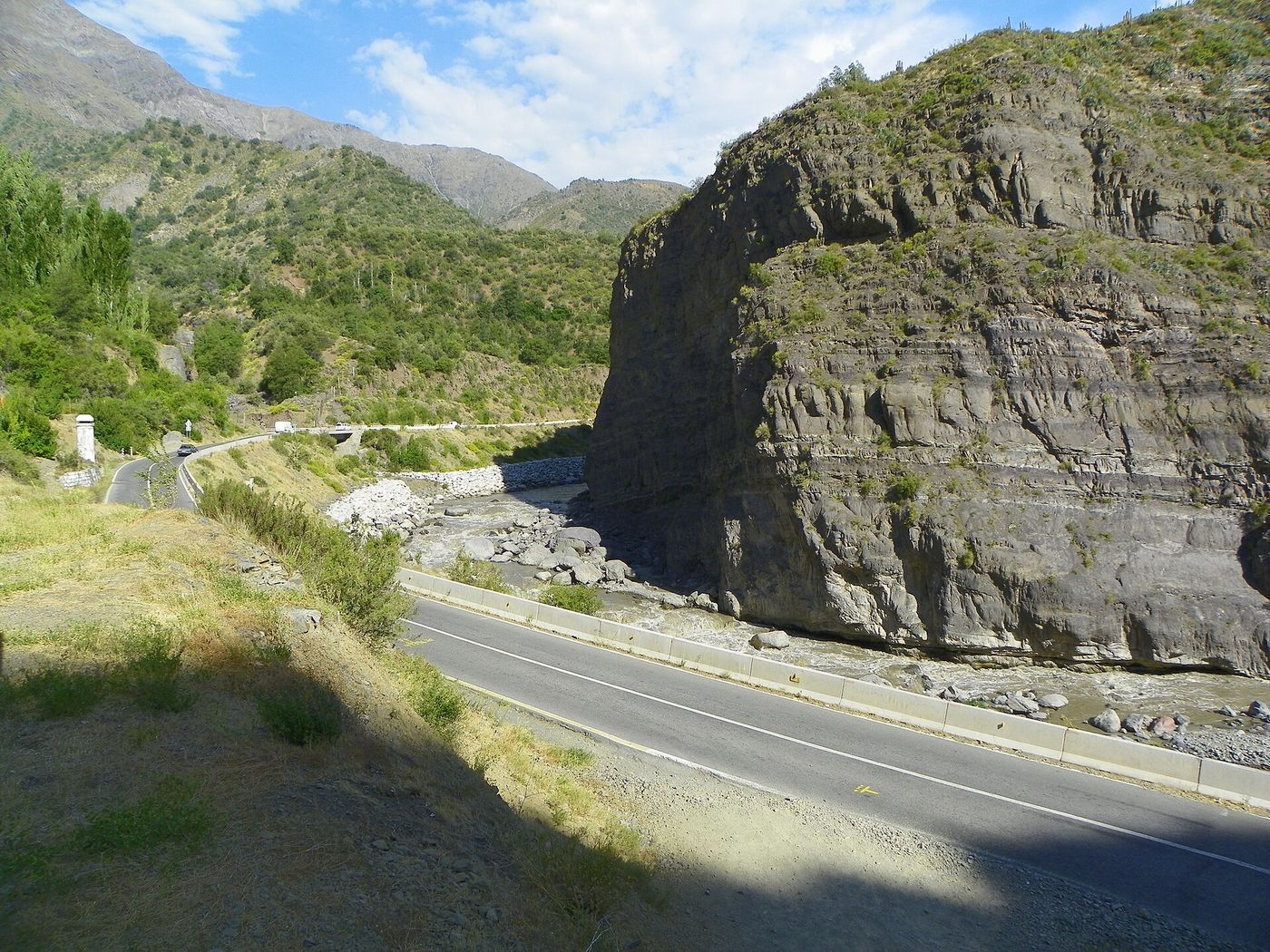
More than the city needs. The ski areas sit between roughly 2,400 m and 3,000 m where sun is extreme and temperatures are far below the city’s, and the coast runs cool and foggy even in January. Both trips need a warm layer you would not pack for a Santiago-only visit.
For a mountain day, regardless of season:
- A windproof outer layer, even in summer. Wind at altitude is the variable that ruins unprepared days.
- Sunglasses and high-SPF sunscreen. Snow and thin air multiply UV, and sunburn at 3,000 m happens in under an hour.
- Sturdy shoes with grip for anything beyond a viewpoint.
- Water and a snack, because services are sparse outside the ski centers and the Cajón del Maipo’s villages.
- Altitude awareness rather than gear. Valle Nevado and El Colorado sit high enough that some visitors feel it, and the sensible answer is a slow morning, not equipment.
For a coast day to Valparaíso or Viña del Mar, pack a jacket regardless of the Santiago forecast. The Humboldt Current keeps the shoreline cool and the camanchaca fog can sit over the coast until midday in summer. The day trips guide covers the practicalities of each route, and the Andes and outdoors guide covers which mountain trips need a guide and which do not.
Documents, money, plugs and tech
Santiago runs on 220 volts at 50 hertz, with type C and type L sockets. US, UK and Australian plugs all need an adapter, and US devices that are not dual voltage need a converter, not just an adapter. Most modern laptop and phone chargers handle 100-240V, so check the small print on the brick before buying anything.
On documents, one myth is worth killing. Chile does not require a six-month passport validity for visitors from the UK, US, EU, Canada, Australia or New Zealand. Official guidance asks that your passport be valid beyond your intended departure date (checked September 2026). Plenty of packing lists repeat the six-month rule anyway. Check your own government’s current advice rather than a blog, including ours.
What to bring, and what to leave:
- Passport, plus a photo of it on your phone. On arrival you receive an A5 white tourist card; keep it with the passport, because it is checked on departure.
- Cards. Chile is strongly card-based, and the Metro has accepted contactless bank cards since February 2026. Buses are the exception and still need a bip! card, which you buy there for CLP 1,550 rather than pack.
- Some cash in pesos, for markets, small fondas and tips. Cards fail at the La Vega produce stalls, not at restaurants.
- A power bank. Long days of maps and photos, few outlets in cafés.
- Nothing for the customs declaration. Chile is strict about agricultural imports, and every food, plant and animal product must be declared on the arrival form. Do not pack fruit, nuts, seeds or meat snacks as travel food, and eat the apple before you land.
Entry rules, currency, tipping and cards are handled in depth on the Santiago travel guide, which is the page to read before you book anything.
Packing by travel style
The city is the same for everyone; the suitcase is not. A four-day business trip, a two-week backpacking stint and a honeymoon each need one or two specific things that the general list above does not cover.
| Travel style | The one thing to add | What you can leave out |
|---|---|---|
| Business | One smart outfit beyond the meeting; Santiago’s business districts dress formally | Bulky outdoor gear |
| Backpacker | A padlock, a quick-dry towel and a laundry bag | Anything you would be upset to lose |
| Couples and honeymoon | Smart-casual dinner clothes; the good restaurants notice | A second pair of dress shoes |
| Families | Sun protection for children, a compact stroller that handles cobbles | Full camping kit |
| Skiers | Goggles, gloves and base layers; rent the rest at the mountain | Skis, boots and poles |
| Photographers | A strap you can wear cross-body, a spare battery for cold mornings | A tripod for city work, which invites attention |
| Digital nomads | An adapter for each device and a laptop lock | Printed documents |
| Seniors | Comfortable shoes with grip and a folding walking pole for the hills | Heavy cameras |
Two of those deserve explanation. Business travelers underpack formality here: Santiago’s financial district dresses closer to London than to California, and a fleece at a client dinner in El Golf looks out of place. And photographers consistently overpack: the tripods and camera bags that get you good shots also make you the most obvious target in a crowd on Plaza de Armas, which is exactly the trade-off the safety guide covers in more detail.
The one item everyone underestimates, regardless of style, is the day bag. It carries the layer you are not wearing, the water you need on a hill, and the camera you do not want in your hand in the centro.
Health, sun and altitude: the small stuff that matters
Santiago is an easy destination health-wise. No vaccinations are required for entry, mosquito-borne illness is not a concern in the central valley, pharmacies are everywhere, and medical care in the city is good. The packing decisions are about sun, dry air and the mountains rather than about risk.
Sun. Take this more seriously than the temperature suggests. Santiago sits at 33 degrees south, 570 m above sea level, with dry air and very little cloud for eight months of the year. SPF 50, a hat with a brim and real sunglasses are not overcautious here, particularly between November and March. The ozone-related warnings you may have read about Chile apply to the far south, not to Santiago; the issue here is simply latitude, altitude and clear skies.
Dry air. The basin is dry year-round, which shows up as chapped lips, dry eyes and a scratchy throat within a couple of days. Lip balm and eye drops weigh nothing. Contact lens wearers often switch to glasses for the dusty days at the end of a long dry summer.
Altitude. The city itself is low enough to ignore, but the mountains are not. The ski centers sit between roughly 2,400 m and 3,000 m, and a fast drive up from 570 m leaves some people with a headache by lunchtime. The answer is water, a slow first hour and no alcohol at altitude rather than any item you can pack.
Medicines. Bring prescriptions in original packaging with the label, plus a copy of the prescription for anything controlled. Chilean pharmacy chains, mainly Cruz Verde, Salcobrand and Farmacias Ahumada, stock the standard over-the-counter range, and pharmacists are used to advising walk-ins. Do not bother packing months of painkillers or antihistamines; they are cheaper locally than in most home countries.
Travel insurance. Not a packing item, but the one thing worth arranging before you fly, especially if a ski day or a Cajon del Maipo hike is in the plan. Check that your policy covers activities above 2,500 m, because several standard policies do not.
What should you wear in Santiago day to day?
Neat, unshowy layers. Santiago dresses more formally than most South American capitals and considerably more formally than a beach destination: trousers rather than shorts in the city, closed shoes rather than flip-flops, and dark, plain colors rather than resort prints. Nobody will stop you wearing anything, but you will look like a tourist, which matters mainly because it affects who approaches you.
The practical breakdown by setting:
| Where you are going | What works | What stands out |
|---|---|---|
| Centro, museums, markets | Jeans or chinos, t-shirt, walking shoes, plain day bag | Shorts outside high summer, expensive watches |
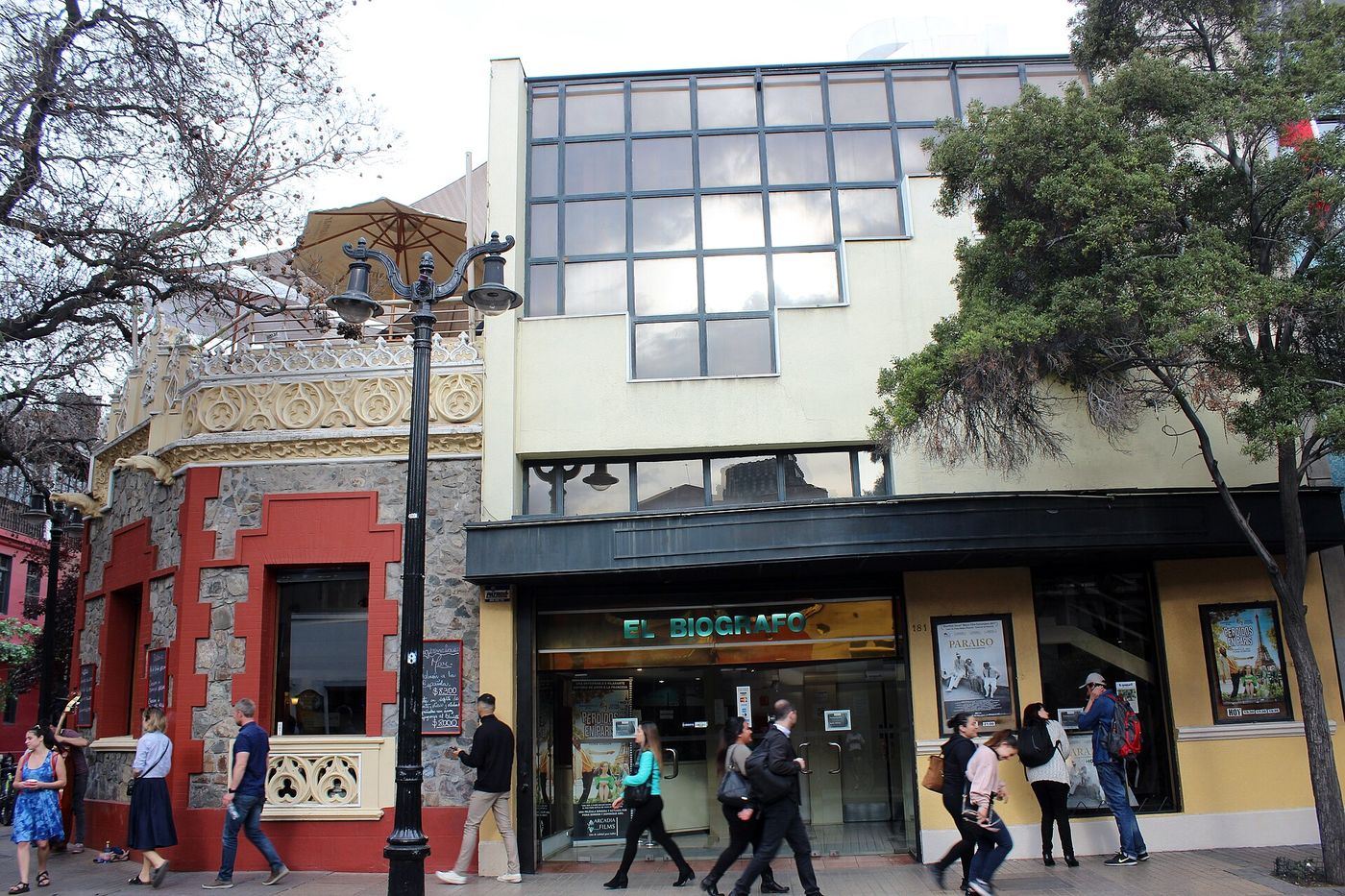
| Lastarria, Bellas Artes, Barrio Italia | Smart-casual, the city’s default uniform | Hiking gear |
| Vitacura, El Golf restaurants | Shirt or blouse, smart shoes, jacket in winter | Sportswear, trainers at dinner |
| Bellavista bars and clubs | Casual, dark colors, shoes you can stand in | Anything you would mind losing |
| A winery visit | Closed shoes for the cellars, a layer for underground rooms | Heels on gravel |
| A La Moneda guided visit | Anything neat, plus photo ID, which is required | Large bags |
| Cerro San Cristobal or Santa Lucia | Trainers with grip, hat, water | Sandals on stone stairs |
| A ski day | Rented outer layers, your own base layers and socks | Cotton anything |
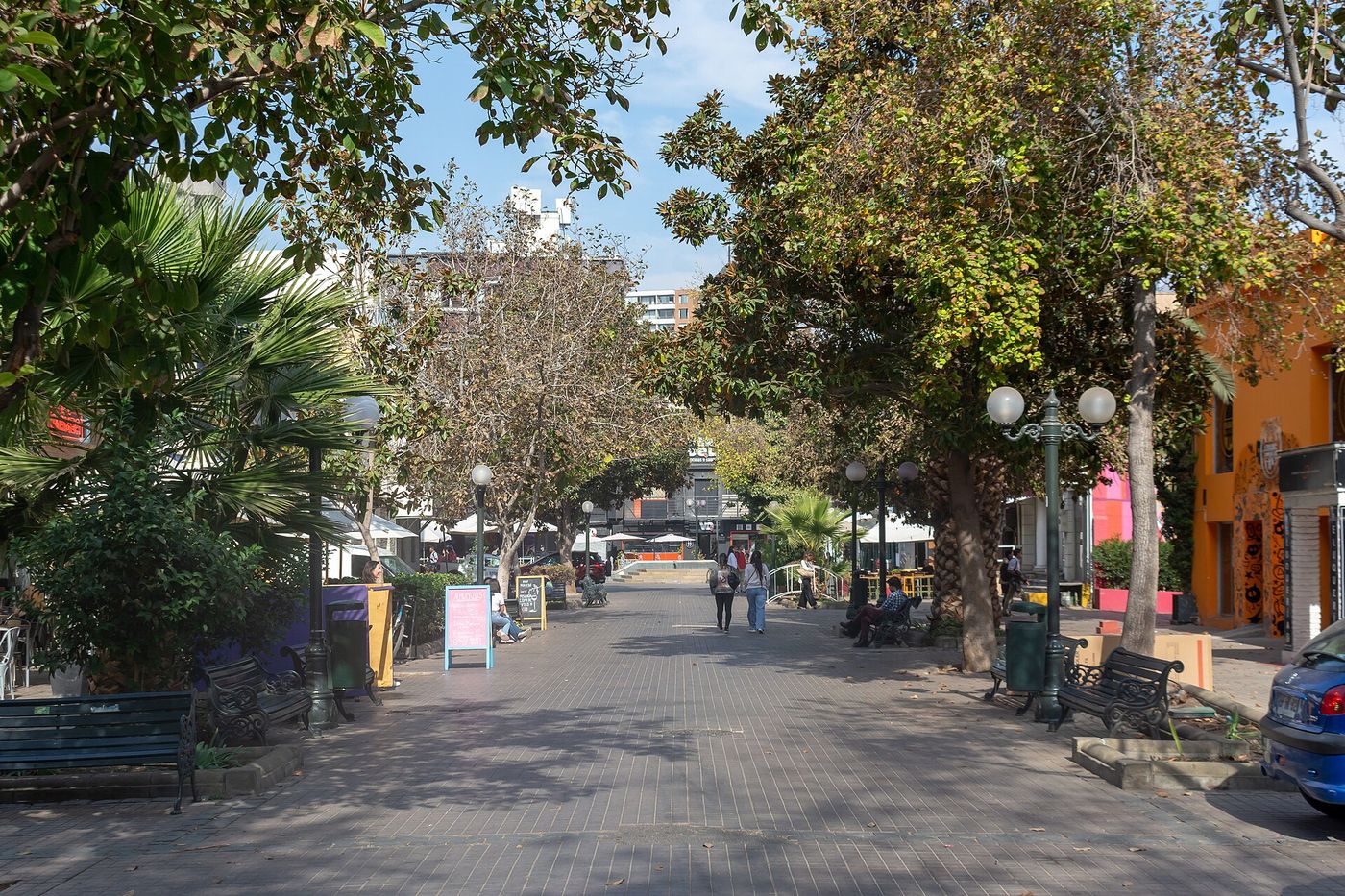
Two Santiago-specific notes. The first is that shorts read as beachwear here outside January and February, and even then mostly in parks rather than restaurants. The second is that trainers are completely normal for daytime and less so at dinner in the eastern neighborhoods, which is the one place a packing list should account for: one pair of shoes that can cross from a museum to a restaurant saves carrying two.
Chileans also dress for the cold indoors in winter, because buildings hold it. A thin sweater you can wear through a restaurant dinner in July is more useful than a heavier one you take off at the door. The same logic applies to the Metro in summer, where carriages get warm and crowded between 18:00 and 20:00.
If your trip includes an evening at a concert, a theatre or the Municipal, smart-casual is the safe reading, and a jacket never looks wrong. For where those evenings actually happen, the nightlife guide and the museums and culture guide cover the venues and their rhythms.
Laundry, luggage and what to bring home
Two practical realities make carry-on travel easier in Santiago than in many cities. Laundry is cheap and widespread, and almost everything you might have forgotten is available within a few blocks of wherever you are staying.
Laundry. Lavanderias, which wash, dry and fold by the kilo, are common in Providencia, Nunoa, Lastarria and Barrio Brasil, and most hostels either have machines or a deal with one nearby. A same-day or next-day turnaround is normal. Packing four days of clothes for a ten-day trip is therefore a reasonable plan rather than an optimistic one.
Luggage. Large hard cases are a poor fit for this city. Metro stations have stairs as well as lifts, many older apartment buildings have narrow lifts or none, and the pavement in the centro and Bellavista is uneven. A 40 to 55 litre bag you can carry up a flight of stairs beats a 70 litre case in every neighborhood except the polished parts of Las Condes. If you need to store bags between a checkout and a night flight, ask your accommodation first and check the options in the airport guide second.
What to leave space for. Chile sends home better souvenirs than most destinations, and they are heavy. Wine is the obvious one, and shops will pack bottles for checked luggage; check your airline’s limit and your home country’s duty-free allowance before buying a case. Pisco travels equally well. Lapis lazuli, which Chile produces in quantity, appears in jewellery all over Bellavista and Los Dominicos, and copper work is a Chilean specialty. None of that needs packing space on the way out, only on the way back. The shopping guide covers where to buy each of them without paying tourist prices.
One packing timeline that works. Two weeks out, check your passport’s expiry date against your departure date and confirm your card will work abroad. One week out, check the ten-day forecast rather than the averages, because a Santiago week is either dry or it is not. The night before, empty your bag of food, seeds and anything agricultural, since every food, plant and animal product must be declared on the Chilean arrival form.
What not to bring to Santiago
The honest verdict on several items that appear on most Chile packing lists: leave them. They come from lists written for Patagonia and the Atacama, then applied to a capital city that has none of the same problems.
| Commonly recommended | Verdict for Santiago |
|---|---|
| Hiking boots | Unnecessary unless you are hiking. Walking shoes are better on pavement. |
| Money belt | Conspicuous and slow. Use a zip bag you keep in front. |
| Water purification tablets | Not needed. Santiago’s mains water is treated and normally drinkable. |
| Heavy rain gear | Overkill. Even July gets rain in bursts, not for weeks. |
| Bug spray | Barely needed. Santiago is dry and largely mosquito-free. |
| Formal wear | Only if you have a specific event. The city dresses smart-casual. |
| Large luggage | The Metro, cobbles and narrow apartment stairs punish it. |
| Six months of toiletries | Pharmacies are everywhere and cheap. |
One more general rule: shoes are where suitcases go wrong. Two pairs is right for almost every Santiago trip, three if you are adding a ski day or a formal event. Each additional pair costs roughly a day’s worth of clothing in space and weight, and this is a city where you will wear the same comfortable pair for 80% of your waking hours.
Two more that deserve their own note. Bringing a full ski kit for a two-day mountain trip rarely makes sense, since rental at the mountain is easier than dragging boots across a continent. And there is no point packing a shortwave of adapters: one C or L adapter covers the whole country.
On tap water: it is treated and normally safe to drink in Santiago, and locals drink it. It is also very hard and heavily mineralized, so some visitors find the taste unpleasant and buy bottled water instead. That is a preference, not a health precaution. If you dislike the taste, a filter bottle weighs less than three days of plastic bottles.
What can you buy in Santiago instead of packing?
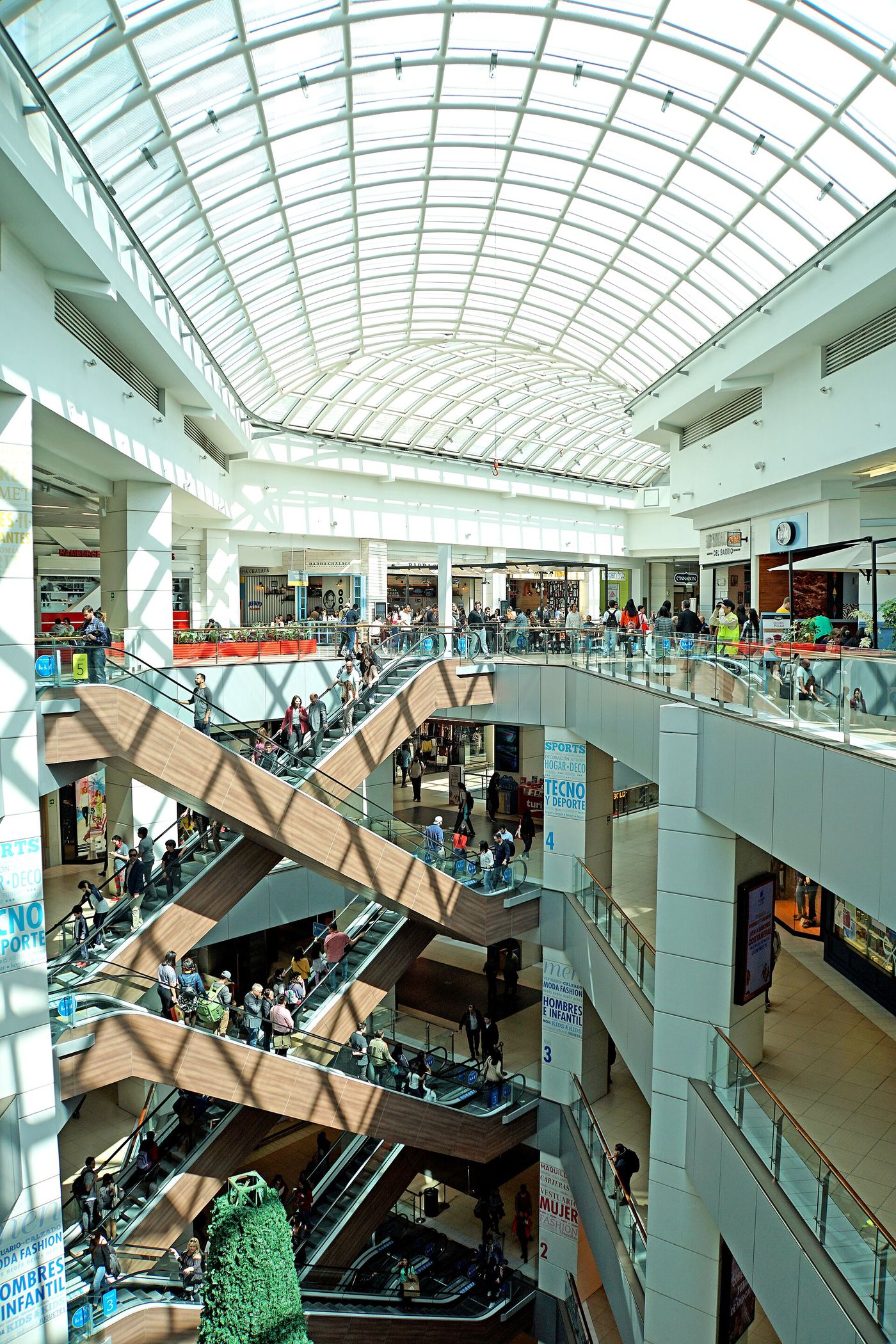
Almost everything. Pharmacy chains, supermarkets and shopping centers cover sunscreen, toiletries, basic clothing, umbrellas, adapters and phone accessories at prices similar to or below North America and Western Europe. The things worth packing are prescriptions, anything hard to size, and specialist outdoor gear.
A short list of what is easy to buy on arrival:
- Sunscreen, hats and sunglasses, available in every pharmacy and supermarket, though brand-name sunscreen is not cheap.
- Umbrellas, sold on the street corners of the centro within minutes of the first raindrop.
- A bip! card for buses at Metro stations and kiosks, CLP 1,550 with a CLP 1,000 minimum top-up (checked September 2026).
- Plug adapters, in any electronics shop or department store.
- Warm layers. Santiago’s shopping centers are large and well stocked, and a sweater bought in Providencia costs no more than one bought at home.
- Wine and pisco to take home, which is the one thing worth leaving suitcase space for.
Shopping-wise, the practical answer for most gaps is a large mall in Providencia or Las Condes, or a supermarket for the boring items.
A carry-on packing list for seven days in Santiago
Seven days in this city fits in a carry-on in any season. The list below assumes a mix of city walking, one or two nice dinners, and one day trip.
- Three or four tops you can layer, in colors that work together.
- Two pairs of trousers, or one pair plus shorts or a dress in summer.
- One warm mid-layer: fleece, merino or a wool sweater.
- One shell: a packable windbreaker in summer, an insulated water-resistant coat in winter.
- One pair of walking shoes, worn on the plane, plus sandals or smart shoes.
- Underwear and socks for four days; most accommodation has laundry nearby.
- One smart-casual outfit for dinner in Vitacura, Lastarria or Barrio Italia.
- Toiletries under 100 ml, prescriptions in original packaging.
- SPF 50, hat, sunglasses.
- Adapter, chargers, power bank.
- Zip-top day bag and a refillable bottle.
- Copies of documents, a small amount of cash, one backup card kept separately.
That list works for every travel style the city attracts, though the emphasis shifts: the travel styles guide covers how a business trip, a honeymoon and a backpacking stint weight the same suitcase differently. For how you will actually move around once you land, see getting around Santiago, and if your dates are still open, choosing when to come will change this list more than any gear decision.
If Santiago is one stop on a longer Chile trip
Most visitors do not stop here. Santiago is the gateway to the Atacama in the north and Patagonia in the south, and those two add more to a suitcase than the capital ever will. The sensible approach is to pack for the hardest leg and treat Santiago as the easy one, because everything the city asks for is already inside a Patagonia or Atacama kit.
Going north to San Pedro de Atacama means altitude above 2,400 m, brutal daytime sun and near-freezing nights in the same 24 hours, so the layering principle from this page simply gets amplified: more sun protection, warmer night layers, lip balm that actually works. Going south to Patagonia means wind first and rain second, which calls for a proper shell rather than the light windbreaker a Santiago summer needs.
Two practical consequences. First, luggage storage matters more than usual: leaving the Patagonia coat in a Santiago bag while you do the Atacama saves hauling it around the desert, and most accommodation will hold a bag for a few nights between stays. Second, internal flights have tighter baggage limits than the long-haul flight that brought you, so check the allowance on the domestic legs before you buy anything bulky.
If your longer trip is built around shorter hops instead, the day trips guide covers what a coast or wine-country day actually requires, which in most cases is one extra layer and nothing else.
Frequently asked questions
What should I wear in Santiago, Chile?
Smart-casual layers. Santiago dresses neatly by South American standards, especially in Providencia, Vitacura and Las Condes, and shorts are unusual outside parks and summer weekends. Comfortable walking shoes matter most, since a normal sightseeing day covers 10 to 15 km on pavement and hills.
Do I need a plug adapter for Chile?
Yes. Chile uses 220 volts at 50 hertz with type C and type L sockets. Most phone and laptop chargers are dual voltage and need only a plug adapter. Single-voltage appliances from the United States, including some hair tools, need a converter as well or they will fail.
Is the tap water safe to drink in Santiago?
Generally yes. Santiago’s mains supply is treated and locals drink it. It is very hard water with a strong mineral taste that some visitors dislike, which is why bottled water is common. If taste is the issue, a filter bottle solves it without buying plastic every day.
Do I need hiking boots for Santiago?
Not for the city. Walking shoes with decent grip handle Cerro Santa Lucía, Cerro San Cristóbal and long days on uneven pavement. Boots only earn their space if you are doing serious trails in the Cajón del Maipo or Parque Nacional La Campana.
How cold does it really get in Santiago in winter?
Dawn averages 3.0°C in August and 3.5°C in July, with afternoons near 15°C. That is mild on paper and colder in practice, because many buildings lack central heating and hold the night temperature indoors. Pack a real coat and a thermal layer for evenings inside as much as outside.
Does my passport need six months of validity for Chile?
No. Official guidance for UK, US, EU, Canadian, Australian and New Zealand travelers asks only that your passport be valid beyond your intended departure date (checked September 2026). The six-month rule that appears on many packing lists belongs to other countries. Confirm with your own government before you fly.
Can I do Santiago with carry-on only?
Easily, in any season. Laundry is cheap and quick, the weather within a single season is consistent, and the layering system does the work of a bigger wardrobe. The exception is a winter trip with a ski day attached, where a bulky coat and boots push most people into a checked bag.
What do I need to declare when I arrive in Chile?
Every food, plant and animal product, without exception. Chile protects its agriculture strictly, and the arrival form asks directly. Fruit, nuts, seeds, honey, meat snacks and even a sandwich left over from the flight all count. Declaring costs nothing; failing to declare carries a fine.
What is the one thing most visitors forget?
A warm layer in summer. The January average high is 30.2°C and the average low is 12.4°C, so a dinner that starts at 21:00 on a terrace ends in genuinely cool air. The second most forgotten item is sunscreen strong enough for the altitude and latitude.
Sources
- Dirección Meteorológica de Chile: climate normals, Santiago Pudahuel 330021
- Dirección Meteorológica de Chile: climate normals, Quinta Normal 330020
- UK FCDO travel advice: Chile entry requirements
- UK FCDO travel advice: Chile safety and security
- Government of Canada travel advice: Chile
- Servicio Agrícola y Ganadero: what you must declare on arrival
- Metro de Santiago: fares and contactless payment
- Santiago Turismo: public transport and the bip! card
- Aguas Andinas: Santiago’s water utility
- Superintendencia de Electricidad y Combustibles
- Visit Santiago: official visitor site
Image credits
| Photo | Credit |
|---|---|
| Cajon del Maipo (top of page) | Nelson Pérez, CC BY-SA 3.0, via Wikimedia Commons |
| Calle General Holley, Providencia | Carlos Figueroa Rojas, CC BY-SA 4.0, via Wikimedia Commons |
| Calle Lastarria | Rodrigo Fernández, CC BY-SA 4.0, via Wikimedia Commons |
| The Cajon del Maipo road | Nelson Pérez, CC BY-SA 3.0, via Wikimedia Commons |
| Cerro Santa Lucia | Chofaska, CC BY-SA 3.0, via Wikimedia Commons |
| Costanera Center | Dennis G. Jarvis, CC BY-SA 2.0, via Wikimedia Commons |