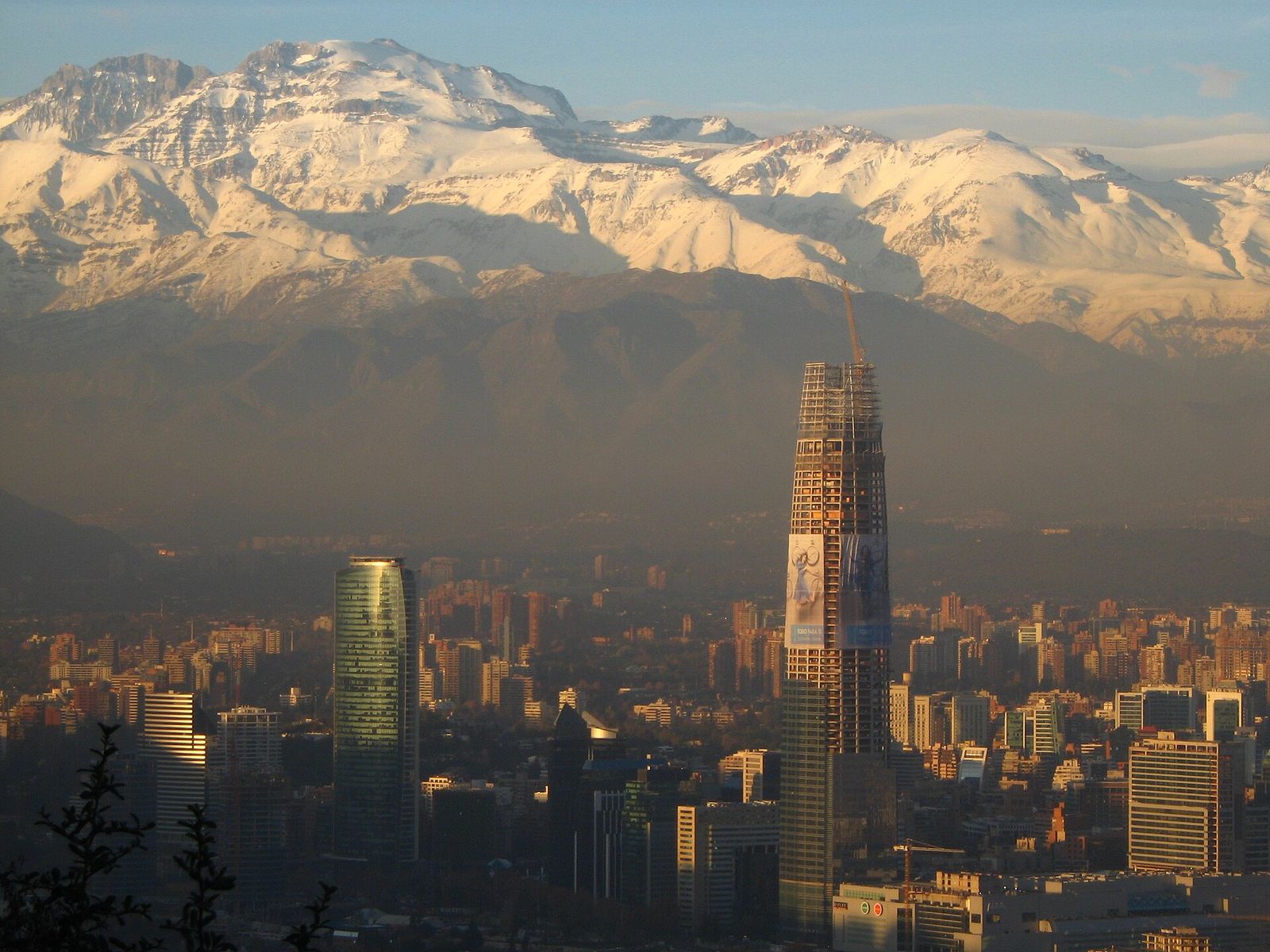
Santiago rewards almost every kind of traveler, but it rewards them in different neighborhoods, at different hours, for different money. Santiago Chile travel styles come down to four decisions: where you sleep, how you move after dark, how much you spend on food and wine, and how hard you push into the Andes on the edge of town.
Everything else is shared. The Metro is the same for a backpacker and a banker, most museums close on Monday for everyone, and Cerro San Cristóbal charges the same CLP 2,630 (about USD 2.75) whether you arrived on a night bus or a business-class ticket. This page maps the differences, gives you the honest verdict on what each style should skip, and points you at the deeper guide for each decision.
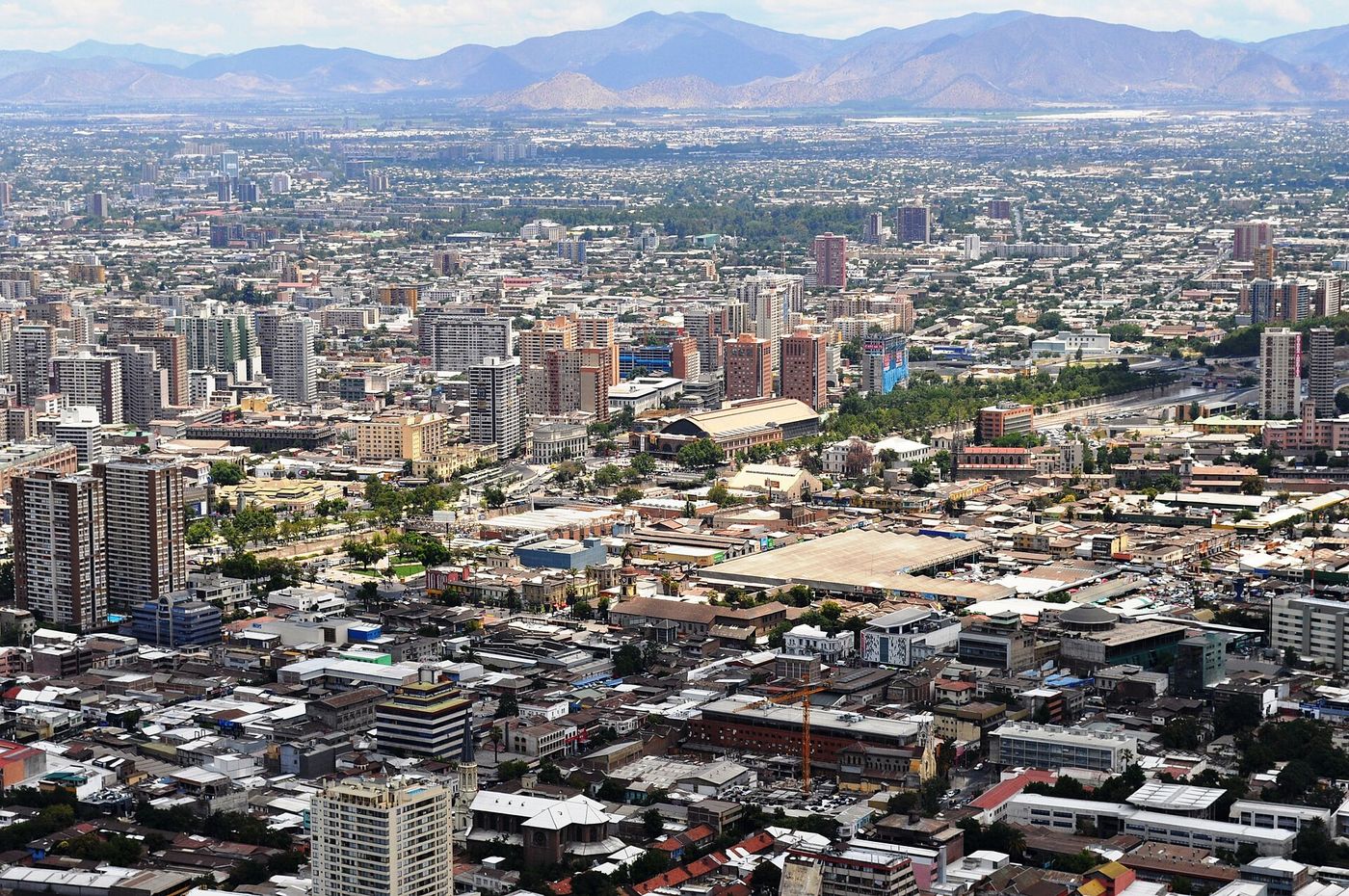
At a glance: which Santiago trip is yours
| Travel style | Base yourself in | Daily spend, excluding lodging | The one thing that changes | Go deeper |
|---|---|---|---|---|
| Solo, social | Bellavista or Barrio Brasil | CLP 25,000-45,000 | You eat where conversation happens, not where the view is | Nightlife |
| Solo, quiet | Lastarria or Bellas Artes | CLP 35,000-60,000 | Walkability matters more than price | Neighborhoods |
| Couples | Lastarria, Barrio Italia, Providencia | CLP 50,000-90,000 | Dinner timing; Santiago eats late | Food and restaurants |
| Honeymoon | Two nights here, then the coast or wine country | CLP 90,000+ | Santiago is the opening act, not the whole show | Day trips |
| Backpacker | Bellavista, Brasil, Yungay | CLP 15,000-30,000 | The Metro stops at 23:00, so late nights cost taxi money | Trip costs |
| Luxury | El Golf, Vitacura, Lastarria | CLP 120,000+ | Money buys food, wine and guides here, not views | Wine tours |
| Digital nomad | Providencia, Ñuñoa | CLP 30,000-55,000 | The 90-day tourist clock, not the wifi | Travel guide |
| Business | El Golf, Nueva Las Condes | Expensed | Line 1 beats a taxi between 08:00 and 10:00 | Getting around |
| Seniors | Providencia or Las Condes | CLP 40,000-70,000 | Hills and Monday closures, in that order | Accessible Santiago |
| Families | Providencia, Las Condes | CLP 45,000-80,000 | Nap logistics and the zoo’s booking rule | Santiago with kids |
| Photographers | Bellas Artes, Lastarria | CLP 25,000-50,000 | Morning light and street awareness | Things to do |
| Students and Spanish learners | Ñuñoa, Providencia, Barrio Brasil | CLP 20,000-40,000 | Chilean Spanish, which is its own sport | Best time to visit |
Prices checked September 2026 at a working rate of CLP 950 to USD 1. They cover transport, entry tickets, food and a drink or two, not beds.
What actually changes between Santiago Chile travel styles?
Four things change: the neighborhood you sleep in, your tolerance for late Metro-free nights, how much of your budget goes to wine and restaurants, and whether you treat the Andes as a day trip or a backdrop. Museum hours, Monday closures, fares and safety habits stay identical for everyone.
That is worth saying plainly, because a lot of persona travel writing implies that solo travelers and couples somehow visit different cities. They don’t. A Precolombino ticket costs a foreign visitor CLP 12,000 (about USD 12.60) no matter who you came with, the Museo de la Memoria is free for all of us, and the Mercado Central touts work the same script on a honeymooning pair as on a backpacker.
What genuinely varies is the shape of your day. Solo travelers front-load mornings and fill evenings with company. Couples stretch dinners until midnight and skip early starts. Business travelers get one free evening and need it to count. Photographers get up when nobody else does. Plan the shape first, then slot in the sights from the things to do round-up.
Solo travel in Santiago: easier than its reputation
Santiago is one of the easier South American capitals to travel alone. The Metro is clean, signed and takes contactless bank cards (since 13 February 2026, checked September 2026), restaurants are used to single diners at lunch, and the free walking tour that leaves the Cathedral on Plaza de Armas at 10:00 and 15:00 daily is the standard first-morning icebreaker.
The practical solo advantages here are specific. Lunch is the good-value meal, so eating your main meal at 13:00 costs a fraction of dinner. Museums are cheap or free, which suits a day you’re filling alone. And the city is compact enough that you can walk Lastarria, Bellas Artes and the centro in one loop without ever needing to coordinate with anyone.
The honest difficulty is evenings. Santiago eats late, bars fill after 23:00, and the Metro closes at 23:00 on weekdays (06:30 opening on Saturday, 07:30 on Sunday and holidays). Solo travelers who want nightlife end up taking app taxis home, so build roughly CLP 6,000-12,000 per late night into your budget. If that sounds tedious, base yourself in Bellavista or Lastarria where you can walk back.
The trick that makes eating alone painless is the menú del día. Between roughly 13:00 and 15:30, neighborhood restaurants serve a fixed lunch, usually soup or salad, a main and often a drink, for a fraction of what the same kitchen charges after 20:00. A table for one at that hour is completely unremarkable. Do that, treat dinner as optional, and Santiago stops looking expensive. The same logic works at the seafood counters around the edges of the Mercado Central, which serve the same fish as the central hall without anyone steering you to a tablecloth.
Where solo travelers should sleep: Bellavista for hostel sociability, Barrio Brasil and Yungay for cheaper beds with more local texture, Lastarria if you want quiet and will pay for it. The where to stay guide compares them properly.
Solo female travel: what changes, and what doesn’t
The advice that actually differs for women traveling alone in Santiago is narrow but real. Chile’s official advisories describe pickpocketing and distraction robbery as common, armed muggings as rising, and drink spiking as a specific risk in the Suecia and Bellavista bar areas (UK FCDO, 18 August 2026). The second of those is the one worth changing behavior over.
Practical habits that work here: book taxis through an app rather than flagging them, keep your phone in a pocket rather than your hand in the centro and around Plaza de Armas, don’t leave a drink unattended in Bellavista, and treat Cerro Santa Lucía as a daytime park. Chile also runs a women’s violence helpline on 1455, alongside police 133 and medical 131.
None of that makes Santiago unusual for a large Latin American city, and plenty of women travel here alone without incident. The city’s own emergency infrastructure works, the Metro is well lit and busy, and Providencia and Ñuñoa feel residential in a way that reads instantly as safe at night. The full picture, including the scams that catch everyone, lives on the Santiago safety page.
What to change, and what to leave alone:
- Change how you carry a phone in the centro, and how you get home after the Metro shuts at 23:00.
- Change where you drink. The official spiking warnings name Suecia and Bellavista specifically, and they are the two areas visitors drink in most.
- Change your hill timing. Up in daylight, down before the Parque Metropolitano closes at 19:00.
- Leave alone the ordinary things: eating alone, riding the Metro, walking Providencia or Ñuñoa in the evening, asking for directions in imperfect Spanish. All of that is unremarkable here.
- Leave alone your itinerary. There is no part of the standard visitor route that women are advised to skip, only parts to time differently.
One thing that does not change: the hills. Cerro San Cristóbal’s paths are public and busy by day, but the park closes at 19:00 and the wooded sections empty out well before that. Go up on the teleférico or funicular, come down before dusk, and you have the view without the calculation.
LGBTQ+ travelers: legally settled, socially concentrated
Chile has had marriage equality since 2022, civil unions since 2015, and a gender identity law in force since 2019. In legal terms, this is one of the more settled destinations in Latin America, and same-sex couples in Santiago’s central neighborhoods draw no attention at all.
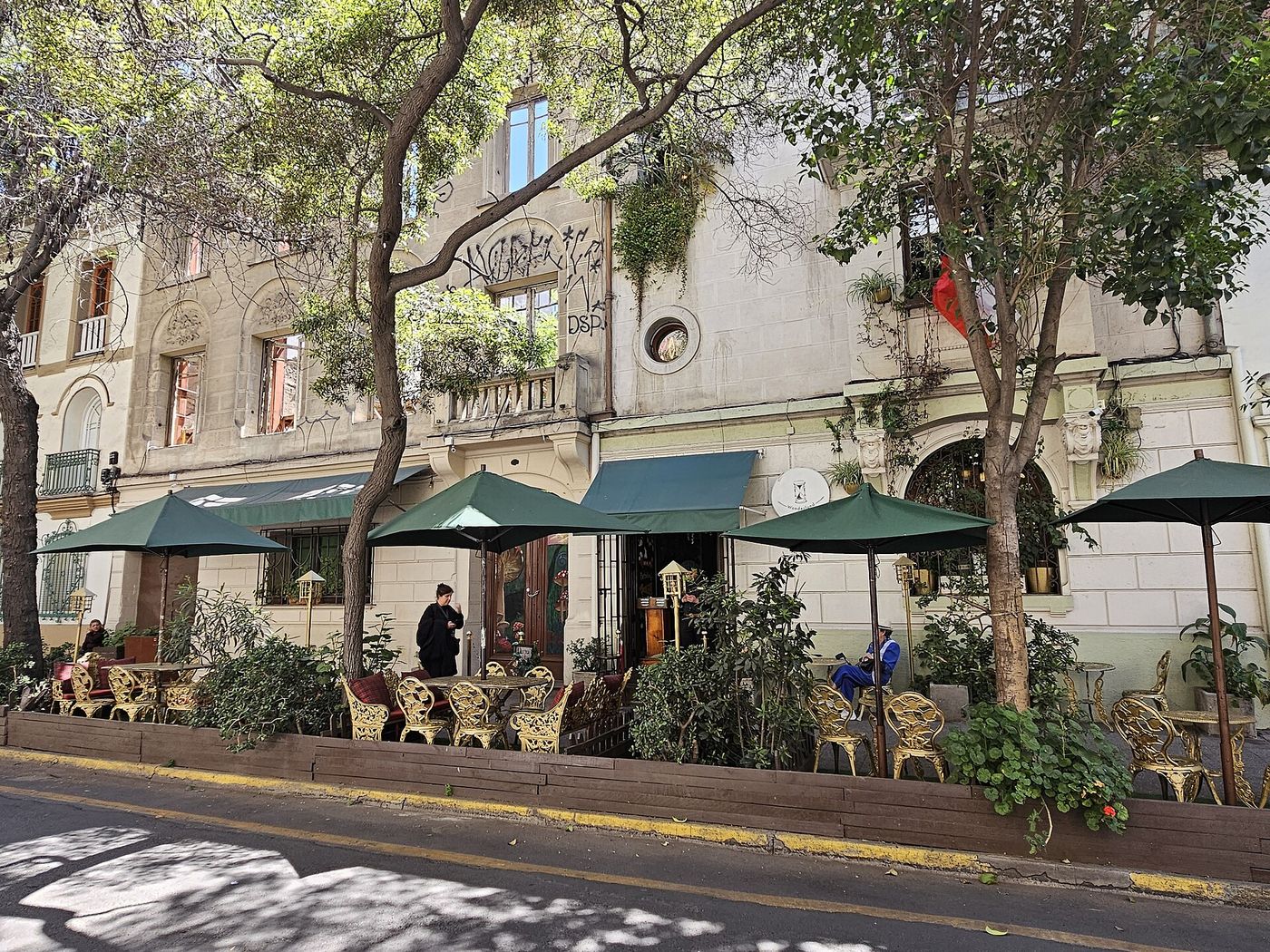
Socially, the scene concentrates rather than spreads. Bellavista is the traditional hub, with bars and clubs clustered between Pío Nono and the Patio Bellavista complex, which runs Sunday to Wednesday 10:00-01:00 and Thursday to Saturday 10:00-03:00 (checked September 2026). Lastarria and Bellas Artes are the daytime equivalent: cafés and small galleries where nobody is performing anything.
The honest verdict on Bellavista: it is loud, it is where the drink-spiking warnings are focused, and the best of it happens on the side streets rather than the main Pío Nono strip. Treat the strip as a corridor, not a destination, and go where the queue is Chilean. Details on venues and closing times sit on the nightlife page.
Outside the center, attitudes get more conservative quickly, and small-town Chile on a day trip is a different social register from Barrio Italia on a Friday. That is worth knowing rather than worrying about.
Couples and honeymoons: Santiago as the opening act
For couples, Santiago’s strength is a three-day rhythm: slow mornings in Lastarria or Barrio Italia, an afternoon in the Andes foothills or a Maipo Valley winery, and dinners that start at 21:00 and finish late. The city’s romance is in its food, its hills at sunset and its wine country, not in monuments.
Build a couples day around the sunset rather than the sights. The Pedro de Valdivia teleférico runs Tuesday to Sunday 10:00-19:45 and is closed Monday, with a return trip from CLP 2,630 (about USD 2.75, checked September 2026). Go up at 18:00 in summer, watch the Andes turn orange behind the Costanera tower, come down and eat in Bellavista or Providencia.
Here is the unpopular verdict: Santiago is not a honeymoon destination on its own. Two or three nights is the right dose, and the trip gets better when you move on. Valparaíso’s hills, the Casablanca and Maipo wine valleys, Isla Negra’s Neruda house (Tuesday to Sunday 10:00-18:00, March to December) and the Cajón del Maipo all sit within two hours. A honeymoon that spends a week only inside the city limits will feel thin by day four.
| Couples trip length | Spend it on | Skip |
|---|---|---|
| 2 nights | Lastarria, one winery, one sunset hill | Museum marathons |
| 3-4 nights | Add Barrio Italia and a Cajón del Maipo day | A second Neruda house |
| 5+ nights | Move the base to the coast or wine country | Staying put in Santiago |
Two details make or break a couples day here. The first is reservations: the restaurants worth planning around in Vitacura, Barrio Italia and Lastarria fill days ahead, and walking in at 21:00 on a Friday is how you end up at your third choice. The second is once, the Chilean early-evening spread of tea, bread, avocado and cheese somewhere between 17:00 and 19:00. It quietly explains why nobody is hungry at 19:30 and why dinner keeps sliding later. Adopt it for a day and the late clock stops feeling like an obstacle.
The itineraries pillar has the day-by-day versions, and the wine tours guide covers Maipo, Casablanca and Colchagua with current tour prices.
Backpacking Santiago: where the cheap version is genuinely good
Santiago is a rare capital where the budget trip is not a lesser trip. The best viewpoint in the city is a public park. The best history museum, the Museo de la Memoria y los Derechos Humanos, is free (Tuesday to Sunday 10:00-18:00, Metro Quinta Normal on Line 5). The Museo Nacional de Bellas Artes is free. Plaza de Armas, the Mercado Central’s architecture, La Vega’s produce halls and the Cementerio General’s avenues cost nothing at all.
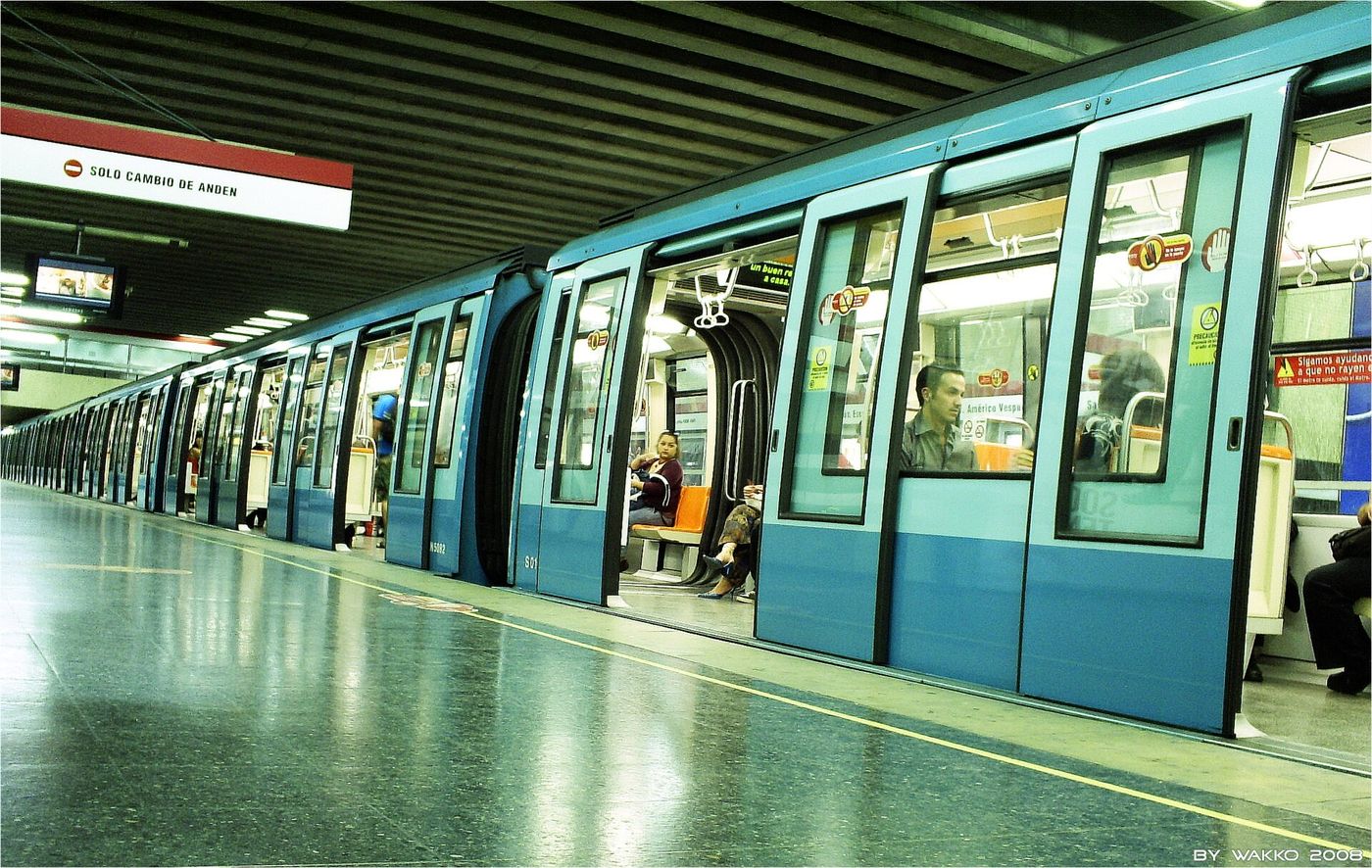
Transport is the other saving. A bip! card costs CLP 1,550 with a CLP 1,000 minimum recharge, and one fare covers a trunk bus, a feeder bus and the Metro within two hours. Off-peak Metro fares run CLP 735-895 depending on the hour (fares set 22 February 2026, checked September 2026). You can cross the city for under a dollar.
| Free or near-free | Cost | Note |
|---|---|---|
| Museo de la Memoria | Free | Closed Monday |
| Museo Nacional de Bellas Artes | Free | Closed Monday |
| Cerro Santa Lucía | Free | Closes when it rains |
| Parque Metropolitano on foot | Free | Park open 06:00-19:00 |
| Free walking tour | Tips | 10:00 and 15:00, Plaza de Armas |
| MAVI UC | CLP 2,000 | Free last Sunday of the month |
| Teleférico return | From CLP 2,630 | Closed Monday |
A cheap three days that does not feel cheap:
- Day one: free walking tour from Plaza de Armas at 10:00, a look inside the Mercado Central, lunch at La Vega, then Cerro Santa Lucía before it closes.
- Day two: Museo de la Memoria in the morning, the free Museo Nacional de Historia Natural in Quinta Normal after lunch, dinner in Barrio Brasil.
- Day three: Bellas Artes and Lastarria on foot, the teleférico up Cerro San Cristóbal at sunset, Bellavista afterward.
Total entry spend across three days: one teleférico ticket.
Where backpackers waste money: on Sky Costanera at CLP 25,000 (about USD 26) when the hill above the city costs a tenth of that, on Bellavista bar prices at midnight, and on tours to places the Metro reaches. The cost guide does the full arithmetic.
Luxury travel in Santiago: buy the food, not the view
Santiago’s luxury is culinary and agricultural. The money that genuinely improves a trip here goes on a private winery day in Maipo or Casablanca, a chef’s tasting menu in Vitacura or Barrio Italia, and a guide who can get you into the Andes and back in a day. A Cousiño Macul traditional tour costs CLP 25,000 and the premium version CLP 40,000 (about USD 26 and USD 42, checked September 2026); a private car to Casablanca and back turns that into a proper day.
Where luxury travelers get it wrong is geography. The five-star cluster in El Golf and Nueva Las Condes is a financial district. It is safe, polished, well connected on Line 1, and completely dead on a Saturday. Vitacura has the restaurants and the galleries but no Metro station at all, so you are in taxis. Lastarria has fewer big-brand hotels and far more reason to walk outside them.
The honest verdict on the marquee attraction: Sky Costanera charges CLP 25,000 for adults, CLP 30,000 for the 18:00-20:00 sunset slot, and is open daily 10:00-22:00 with last entry at 21:00 (checked September 2026). It is a glass box above a financial district. The teleférico up Cerro San Cristóbal costs a fraction, gives you the Andes in the frame rather than at your back, and has actual air. Pay for the tower only if the weather has pinned you indoors or you are collecting skyline photos.
A private wine day is where money works hardest in Santiago. Group tours run to a minibus timetable; a car and a guide let you pair two Maipo estates with a long lunch and be back in the city by 17:00. The tours themselves are not the expensive part, with Santa Rita’s Clásico at CLP 31,000 and Undurraga’s Sibaris at CLP 29,500, English departures at 10:00 and 15:00 (checked September 2026). What you are paying for is transport, timing and the pours that are not on the public list.
What is genuinely worth the premium here: a driver for Cajón del Maipo, a sommelier-led vertical tasting, a table at the restaurants that book out two weeks ahead, and a hotel with a pool in January when the city sits above 30°C.
Digital nomads and business travelers: the 90-day clock
Remote workers do well in Santiago. Connectivity is strong, Providencia and Ñuñoa are full of cafés that tolerate laptops, coworking clusters along Avenida Providencia and in Las Condes, and the cost of a good flat white plus a day’s desk is low by North American or European standards. The city’s rhythm also suits North American hours better than Europe’s does.
The constraint is legal, not practical. Chile’s migration service, the Servicio Nacional de Migraciones, sorts everyone into four categories: Permanencia Transitoria (the transitory stay tourists arrive on), Residencia Temporal, Residencia Definitiva and Nacionalidad. Visa-free tourist entry gives most UK, US, EU, Australian, Canadian and New Zealand passport holders up to 90 days (checked September 2026). Anything longer, or any work for a Chilean employer, is a residence question, and fees and categories change. Ask the migration service directly rather than a blog, and keep the A5 tourist card you get on arrival, because you show it when you leave.
Two frictions are worth planning for. Chilean bank accounts are effectively out of reach on a tourist stay, so you will run on foreign cards and cash; the city is card-friendly enough that this rarely bites outside markets and small fondas. And prepaid SIMs are sold with registration requirements that push you into a carrier store rather than a kiosk, so an eSIM bought before you land is usually the simpler route for a stay of a few weeks. The time zone is the quiet advantage: Santiago sits within a couple of hours of US Eastern all year, which is why so many US-facing remote workers end up here rather than in Lisbon or Bali.
For business travel the calculus is simpler. Stay in El Golf or Nueva Las Condes, use Line 1 between 08:00 and 10:00 instead of a taxi, and assume dinner starts at 21:00. If you get one free evening, spend it on Cerro San Cristóbal at sunset or a Lastarria restaurant rather than a rushed museum, since most close at 18:00 and all day Monday. Airport logistics, including how long to leave for the ride back, are on the airport guide.
| Work-trip need | Best answer in Santiago |
|---|---|
| Reliable transit at rush hour | Metro Line 1; fares peak at CLP 895 07:00-08:59 |
| A quiet café with power | Providencia and Ñuñoa, not the centro |
| A client dinner | Vitacura or Barrio Italia; book ahead |
| One free evening | Teleférico at sunset, closed Monday |
| A weekend extension | Valparaíso or Maipo Valley, 1.5-2 hours |
Senior travelers: flat centro, steep everything else
Santiago’s historic core is flat and walkable, which makes it friendlier than its reputation. Plaza de Armas, the Cathedral, the Precolombino, La Moneda and the Centro Cultural La Moneda sit within a few blocks of each other on level ground, all served by Metro stations with lifts on the newer lines.
The two things that catch older travelers out are hills and Mondays. Cerro Santa Lucía is a staircase, not a stroll, and it closes when it rains. Cerro San Cristóbal is genuinely steep on foot, so use the funicular (Tuesday to Sunday 10:00-18:45, Monday from 13:00, return CLP 2,250 Tuesday to Friday and CLP 2,060 on weekends and holidays) or the teleférico, and check the first-Monday-of-the-month closure before you build a day around it.
Mondays close the Precolombino, the Museo de la Memoria, Bellas Artes, La Chascona, the zoo, the teleférico and the Centro Cultural La Moneda galleries. A Monday in Santiago is a day for parks, markets, neighborhoods and a long lunch, and it is the single most common planning mistake on any Santiago trip. Step-free routes, lift-equipped stations and seating are covered properly on the accessible Santiago page.
A flat day that still feels like Santiago:
- Morning: Plaza de Armas, the Cathedral and the Museo Precolombino, all within three blocks of each other.
- Midday: lunch on the Paseo Ahumada pedestrian streets or in Lastarria, both level walking.
- Afternoon: the Centro Cultural La Moneda, whose galleries are underground and step-free, then the palace exterior and the Plaza de la Ciudadanía.
- Late afternoon: the funicular up Cerro San Cristóbal, which does the climbing for you, and back down before 18:45.
Nothing on that list involves stairs beyond a Metro station, and every indoor stop on it is closed on Monday.
Altitude is not an issue in the city, which sits at roughly 570 m, but the Andes day trips climb fast. El Yeso and the ski centers above Farellones pass 3,000 m, and that is worth a conversation with your doctor rather than a shrug.
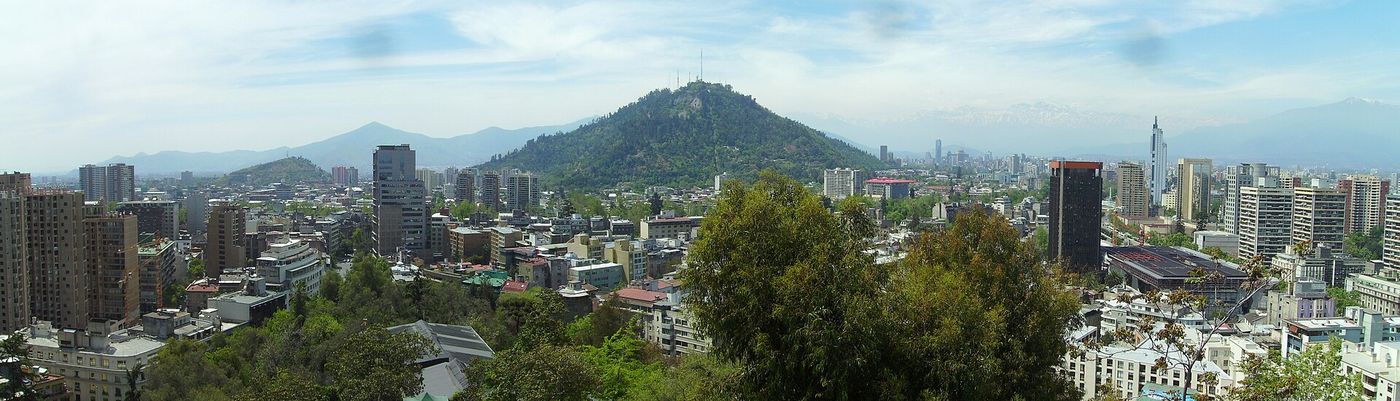
Sustainable travel: the low-carbon version is also the cheap one
Santiago makes this easy, because the greenest way to see the city is also the least expensive. The Metro is electric rail that reaches most of what visitors want, one bip! fare chains a bus and a train within two hours, and the city’s flat grid is genuinely cyclable in the center. Skipping rental cars costs you almost nothing here.
Where the choices actually matter is food, water and day trips. Santiago sits in a long-running dry cycle, so hotel towel-and-linen programs are not a gesture. Markets like La Vega Central (roughly Monday to Saturday 07:00-17:00) sell Chilean produce with no packaging and no air miles. And the wineries closest to the city, in Maipo, are reachable by Metro Line 4 plus a short local hop to Pirque rather than a private transfer.
The honest verdict on “eco” tours: the label is unregulated in Chile, and a minibus to Cajón del Maipo with a reusable water bottle in the cupholder is still a minibus. The real decisions are how many separate day trips you take, whether you use public transport inside the city, and whether you eat what Chile grows. The Andes and outdoors guide covers the trips where a guide genuinely adds safety rather than just a badge.
Photography: the light, the hills, and the one real risk
Santiago is a high-contrast city ringed by 5,000 m peaks, which makes light discipline the whole game. The Andes are visible on clear mornings and often hidden by haze in the afternoon, especially in autumn and winter when the basin traps smog. Shoot the mountains early, shoot the city late.
The reliable frames: Cerro San Cristóbal at sunset for the skyline-plus-Andes composition, Cerro Santa Lucía’s stonework in morning side light, Bellas Artes and Lastarria for facades and street life, Barrio Italia for detail and color, the Mercado Central’s wrought-iron roof at opening (Sunday to Thursday 07:30-17:00, Friday to 20:00, Saturday to 19:00), and La Vega for people at work if you ask first.
A working shot list for a two-day stay:
| Time | Where | What you get |
|---|---|---|
| 07:30-09:00 | Cerro Santa Lucía, Parque Forestal | Side light on stone, Andes still clear of haze |
| 10:00-11:00 | Mercado Central, La Vega Central | Work in progress under iron roofs |
| 14:00-16:00 | Barrio Italia, Lastarria | Color, murals and detail; too harsh for wide views |
| Sunset | Cerro San Cristóbal | Skyline with the Andes behind it |
| After dark | Bellavista, Plaza Ñuñoa | Neon and crowds, with a bag you can see |
The risk is concrete: phones and cameras are the target of the distraction thefts that official advisories keep flagging, and the centro, Plaza de Armas, Bellavista and the Santa Lucía approaches are where it happens. Carry one body, keep the bag in front of you, and don’t stand in the middle of Plaza de Armas reviewing shots with a strap dangling. Nothing about that is Santiago-specific, but the frequency here is real.
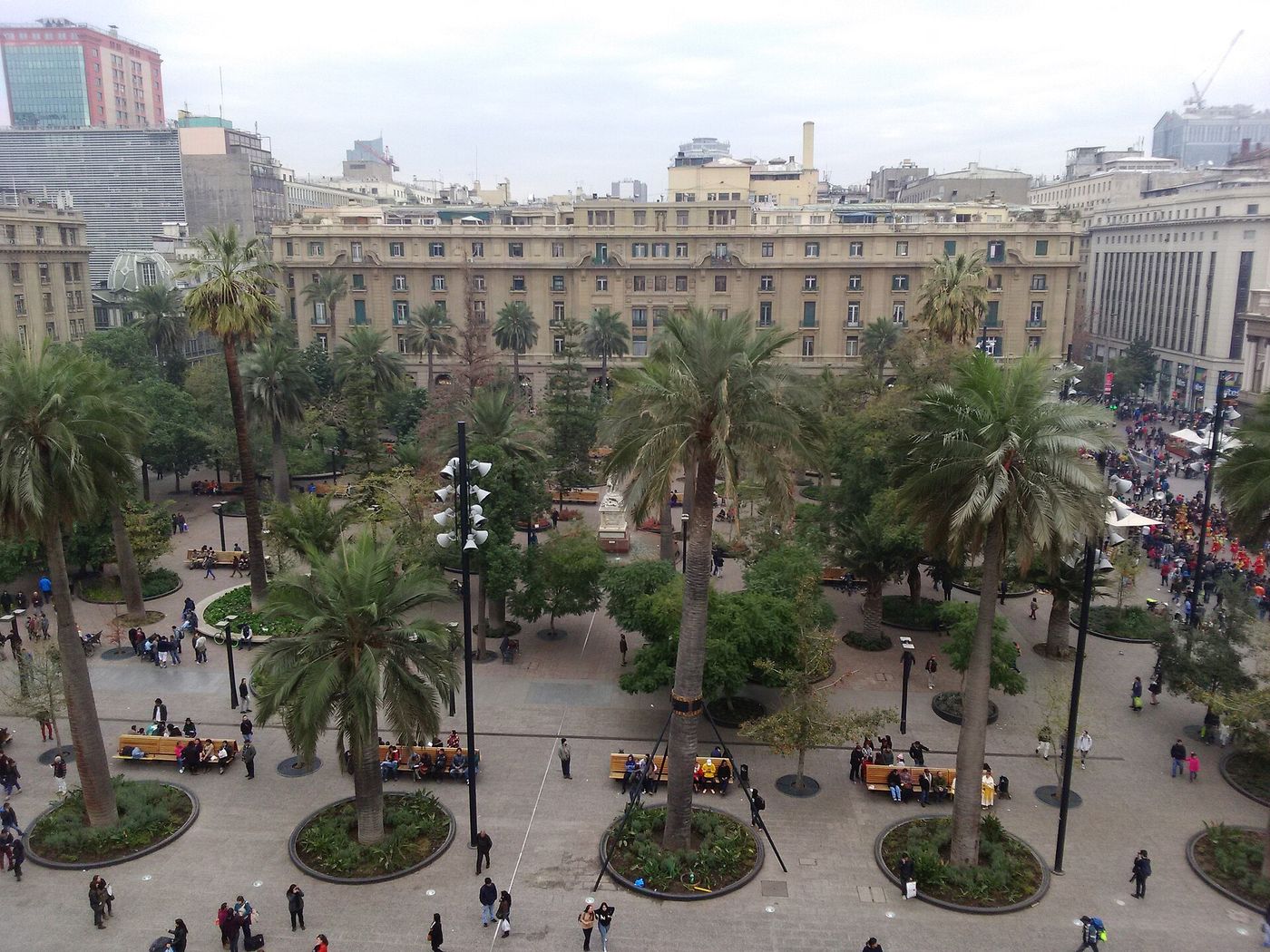
Spanish learners and study abroad: a hard immersion, a good city
Chilean Spanish is fast, heavily elided, and full of slang that the rest of the Spanish-speaking world finds funny. Final consonants vanish, “po” gets stuck onto the end of everything, and cachai does the work of “you know?”. If your Spanish is intermediate and you want to feel competent, Santiago will humble you in week one. If you want a genuine ear, it is one of the best places on the continent to build one.
Budget a week for the accent alone. Chileans clip the ends off words, turn pues into po, and hang cachai on the end of sentences the way English speakers use “you know”. A small vocabulary does a lot of work: al tiro (right now), bacán (great), la micro (the city bus), pololo and polola (boyfriend and girlfriend), once (that early-evening tea), and luca for a thousand-peso note, which you will hear at every market stall in the city.
Students mostly land in Ñuñoa, Providencia and around Barrio Brasil and República, near the universities and Line 1 or Line 5. Ñuñoa has Plaza Ñuñoa’s bars and a residential calm that suits a term rather than a week. Barrio Brasil and Yungay are cheaper, older and more central, with the Museo de la Memoria and Quinta Normal’s museums nearby.
Practical things that matter for a semester rather than a holiday: the academic year runs March to December, which inverts the Northern Hemisphere calendar; the 90-day tourist stay does not cover a full semester, so a student visa through the Servicio Nacional de Migraciones is a before-you-fly task; and July and August are genuinely cold and grey by Chilean standards, with July averaging around 15°C by day and 3.5°C at night. The month-by-month weather guide has the rest.
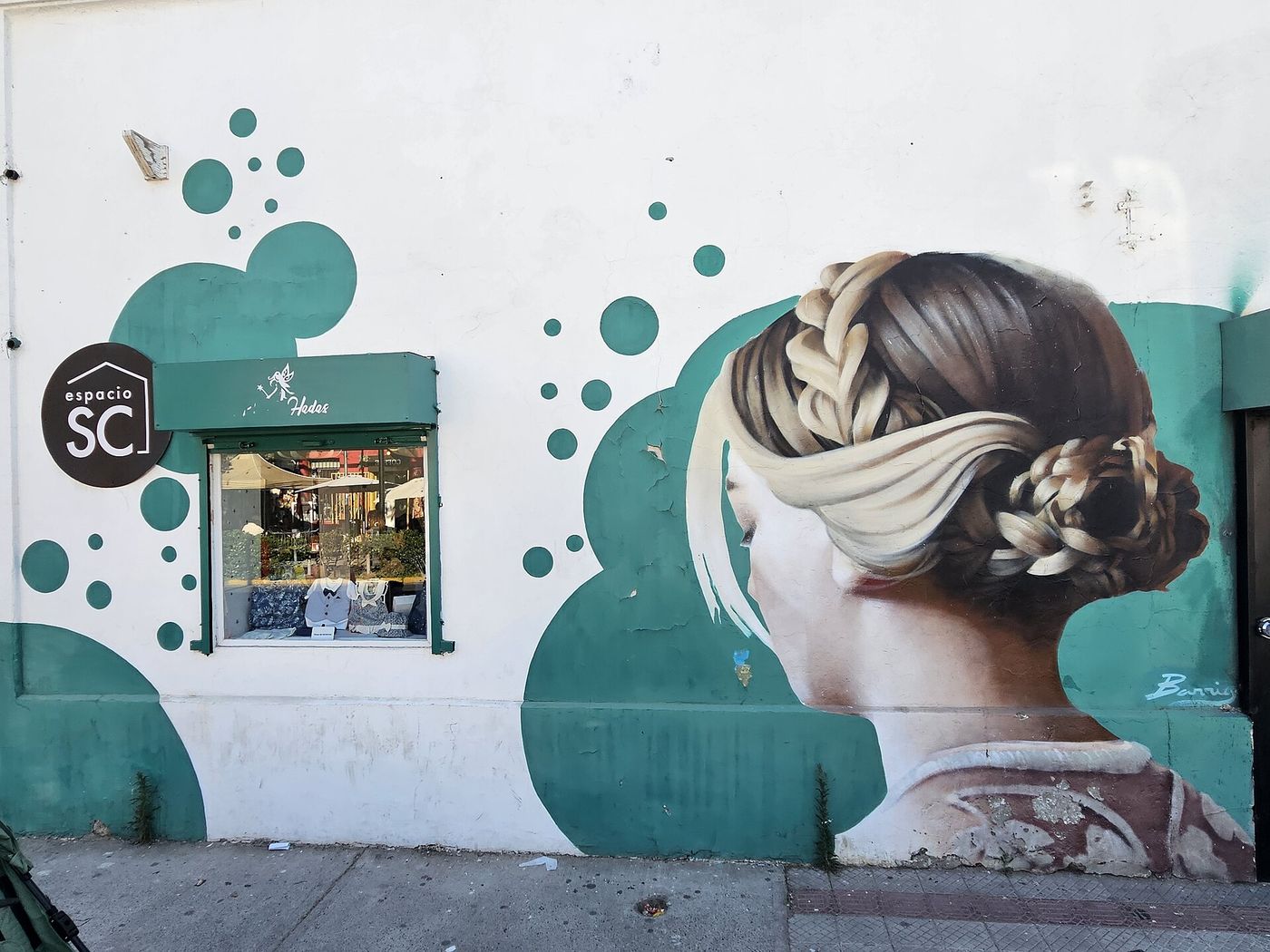
Which Santiago neighborhood matches your travel style?
Lastarria and Bellas Artes suit couples, quiet solo travelers and photographers. Bellavista suits backpackers and nightlife. Providencia and Ñuñoa suit nomads, students and longer stays. El Golf and Las Condes suit business and polished comfort. Barrio Brasil and Yungay suit cheap, central and characterful.
| Neighborhood | Best for | Trade-off |
|---|---|---|
| Lastarria / Bellas Artes | Couples, photographers, walkers | Priciest central beds |
| Bellavista | Backpackers, nightlife, LGBTQ+ scene | Loud until 03:00 on weekends |
| Providencia | Nomads, seniors, first visits | Less atmospheric, very easy |
| Ñuñoa | Students, long stays | Fewer sights, real neighborhood life |
| El Golf / Nueva Las Condes | Business, luxury chains | Empty on weekends |
| Vitacura | Fine dining, galleries | No Metro station |
| Barrio Brasil / Yungay | Budget, character | Patchier at night |
| Barrio Italia | Couples, design, shopping | Thin on hotels, strong on lunch |
Santiago’s official visitor map recognizes 14 barrios, so this is a shortlist rather than the full picture. The neighborhoods pillar walks each one, and the where to stay guide turns it into beds.
How much should each travel style budget per day?
Excluding accommodation, a backpacker runs on roughly CLP 15,000-30,000 (USD 16-32), a midrange traveler on CLP 40,000-70,000 (USD 42-74), and a luxury traveler from CLP 120,000 (USD 126) upward once winery days and tasting menus enter the picture. Transport is a rounding error for everyone.
The reason the gap is so wide is that Santiago’s fixed costs are low and its discretionary costs are not. A day of Metro rides, a free museum and a completo for lunch costs less than a single cocktail in Vitacura. A private Maipo Valley day with a driver costs more than a week of hostel beds. Two people can spend CLP 20,000 or CLP 200,000 on the same Tuesday without either being unreasonable.
| Line item | Verified price (September 2026) | USD approx. |
|---|---|---|
| Metro, off-peak | CLP 735-815 | 0.77-0.86 |
| Metro, peak 07:00-08:59 and 18:00-19:59 | CLP 895 | 0.94 |
| bip! card | CLP 1,550 | 1.63 |
| Teleférico return, Pedro de Valdivia | from CLP 2,630 | 2.77 |
| Funicular return, weekday | CLP 2,250 | 2.37 |
| Museo Precolombino, foreign visitor | CLP 12,000 | 12.63 |
| La Chascona | CLP 11,000 | 11.58 |
| Sky Costanera adult | CLP 25,000 | 26.32 |
| Cousiño Macul traditional tour | CLP 25,000 | 26.32 |
Converted at CLP 950 to USD 1, the working rate for September 2026 based on the official dólar observado, which averaged CLP 936 over the first half of the month. The full breakdown, including beds and a two-week sample budget, sits on the Santiago travel cost page.
What does every travel style need to get right?
Five things, regardless of who you are: most museums close on Monday, the teleférico and zoo close on Monday, Cerro Santa Lucía closes when it rains, 18 and 19 September shut nearly everything for Fiestas Patrias, and the Metro takes contactless bank cards while RED buses still require a bip! card.
Those five rules break more Santiago itineraries than crime, weather or language combined. A couple who lands on a Monday and planned museums, a photographer who books a rainy-day Santa Lucía sunrise, a business traveler who tries to tap a credit card on a bus: all avoidable, all common.
The skips, sorted by style: business travelers should miss Valparaíso rather than rush it into a half day; backpackers and photographers should miss Sky Costanera and take the hill; couples should miss the second Neruda house, because one is plenty; families should miss the centro’s museum row on a 30°C afternoon; and everyone should miss the idea of a second museum on a Monday, because it will be closed too.
Add two more that matter by season. Santiago’s summer runs December to February and regularly clears 30°C, with January averaging a 30.2°C daily maximum, so midday hill walks are a bad idea. Winter, June to August, brings the basin’s smog and genuine chill, with July averaging 15.0°C by day. The best time to visit guide breaks it down month by month, and the entry and practical planning guide handles passports, money and the tourist card.
Frequently asked questions
Is Santiago good for solo travelers?
Yes. The Metro is straightforward and takes contactless cards, hostels in Bellavista and Barrio Brasil are sociable, lunch is cheap and single diners are normal, and a free walking tour leaves Plaza de Armas twice daily. The main adjustment is evenings, since the Metro closes at 23:00 and nightlife starts later.
How many days does Santiago deserve?
Three full days covers the centro, one hill, two museums and a neighborhood like Lastarria or Barrio Italia. Four or five lets you add a Maipo Valley winery and a Cajón del Maipo day. Beyond that, most travel styles are better served by moving to Valparaíso or the wine valleys.
Is Santiago safe for women traveling alone?
Broadly yes, with specific habits. Official advisories flag distraction theft, rising armed robbery and drink spiking in the Suecia and Bellavista bar areas. Book taxis through an app, keep phones pocketed in the centro, leave the hills before dusk, and don’t leave drinks unattended. Emergency numbers are 133 police and 131 medical.
Is Santiago expensive?
It is the most expensive city in Chile and still cheap by North American or Western European standards. Metro fares run CLP 735-895, several major museums are free, and the best viewpoint is a public park. Wine, tasting menus and guided Andes days are where costs climb fast.
Which Santiago travel styles work best in winter?
Skiers, business travelers and culture-led trips. June to August puts Valle Nevado, El Colorado and Portillo within 90 minutes of the city while museums, restaurants and galleries carry the days in between. Photographers and hikers do better in spring or autumn, when the basin’s haze lifts and the Andes show clearly.
Can I work remotely from Santiago on a tourist entry?
Visa-free tourist entry gives most Western passport holders up to 90 days under Chile’s Permanencia Transitoria category. That covers a stay, not employment in Chile, and longer stays require a residence permit. Rules and fees change, so confirm directly with the Servicio Nacional de Migraciones before booking a long trip.
Every one of these travel styles runs into the same climate, and it is more extreme than most visitors expect: 30C summer afternoons with nights at 12C, a winter inversion that hides the mountains for weeks, and almost all of the year’s rain crammed into three months. The month-by-month figures, and what each one means for a trip, are in our guide to Santiago weather by month.
The suitcase shifts with the style as well. A business trip needs one more level of formality than most visitors expect in El Golf, a skier can rent almost everything at the mountain, and a photographer is better off without the tripod that makes them the most obvious person on Plaza de Armas. The breakdown is in our guide to what to pack for Santiago Chile.
Sources
- Metro de Santiago: horarios y tarifas
- Metro de Santiago: pago con tarjeta bancaria
- Teleférico Santiago: horarios y tarifas
- Funicular Santiago
- Parque Metropolitano de Santiago
- Museo Chileno de Arte Precolombino
- Museo de la Memoria y los Derechos Humanos
- Fundación Neruda: casas museo
- Sky Costanera
- Servicio Nacional de Migraciones de Chile
- UK FCDO travel advice: Chile safety and security
- Government of Canada travel advice: Chile
- Visit Santiago: official visitor site
- Santiago Turismo: transporte público
- Dirección Meteorológica de Chile: climatología
Image credits
| Photo | Credit |
|---|---|
| Santiago and the Andes (top of page) | Hector Garcia, CC BY-SA 2.0, via Wikimedia Commons |
| Central Santiago from above | Mar del Sur, CC BY-SA 4.0, via Wikimedia Commons |
| Barrio Lastarria | Tommy Boy, CC BY-SA 4.0, via Wikimedia Commons |
| Metro de Santiago, Line 1 | Marcelo Páez Bermúdez from Santiago, Chile, CC BY 2.0, via Wikimedia Commons |
| Cerro San Cristobal from Cerro Santa Lucia | littletroll, CC BY-SA 3.0, via Wikimedia Commons |
| Plaza de Armas | Oscaroyarzo, CC BY-SA 4.0, via Wikimedia Commons |
| Barrio Italia | Tommy Boy, CC BY-SA 4.0, via Wikimedia Commons |
| Barrio Bellavista | Klausiee, CC BY-SA 2.0, via Wikimedia Commons |