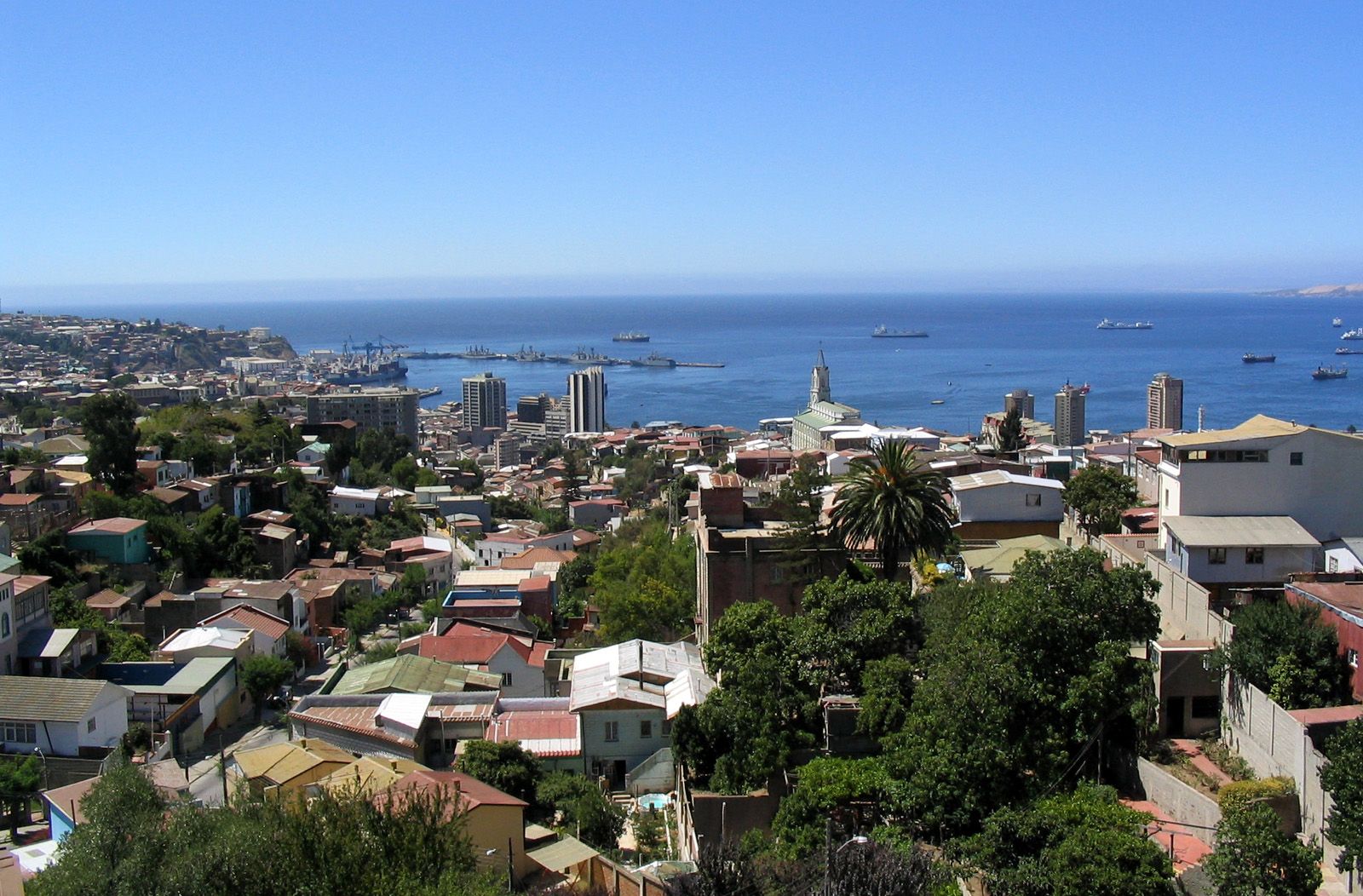
A Valparaíso day trip from Santiago works best by bus. Departures leave the terminals at Estación Central every 15 to 30 minutes from about 06:00, take around two hours, and cost from about CLP 2,700 one way (checked 1 October 2026). Plan eight hours in the city, centered on Cerros Alegre and Concepción, and catch a bus back by early evening.
Valparaíso is the day trip almost everyone should take: a working Pacific port climbing dozens of hills, with a historic quarter listed by UNESCO, old funiculars, painted houses and street art on every wall. It’s also a city with real street crime, steep stairs and a habit of eating the clock, and a tour gives you far less of it than the bus does. This guide covers the bus, a walking route that fits a single day, what is and isn’t worth the time, and how to stay safe. For how Valparaíso compares with the wineries, the Andes and the rest of the options, see our guide to the best day trips from Santiago.
The day at a glance: bus, car or tour?
| How | Time each way | Cost | Time in Valparaíso | Verdict |
|---|---|---|---|---|
| Bus, on your own | About 2 hours | CLP 2,700-6,200 one way | 7-9 hours | The best way for almost everyone |
| Rental car | About 1.5-2 hours on Route 68 | Car, fuel and tolls | As long as you like | Only if you add Casablanca or Isla Negra, with a sober driver |
| Group tour | Around 10 hours in total | Varies by operator | Often about 3 hours, shared with Viña del Mar and a winery | For people who want no logistics at all |
| Private driver or tour | Around 9 hours in total | Varies; the most expensive option | Flexible | Good for families and small groups who want to set the pace |
Bus fares from two aggregator checks, September and 1 October 2026; tour durations from operator listings, October 2026. Dollar figures elsewhere on this page use about CLP 950 to the US dollar.
The honest summary: Valparaíso deserves the whole day, and the bus is the only option that gives it to you cheaply. Most organized tours bundle Valparaíso with Viña del Mar and a Casablanca winery, which sounds efficient and leaves you a few hours in the one place that deserves six or more.
How do you get from Santiago to Valparaíso by bus?
Take the Metro to Estación Central or Pajaritos on Line 1 and buy a ticket at the counter; buses run every 15 to 30 minutes from about 06:00 to 22:20, take about two hours to Valparaíso’s bus terminal and cost CLP 2,700-6,200 one way. Buy the return on arrival at weekends.
The terminals. Most Valparaíso buses leave from the bus terminals along the Alameda: Terminal Alameda, Terminal Sur and San Borja at Estación Central, and Los Héroes further east (the aggregator listing named all four on 1 October 2026). Several operators also call at Terminal Pajaritos, beside the Pajaritos station on Metro Line 1, on their way out of the city. Pajaritos is the easiest boarding point from Providencia and Las Condes, since it’s one direct Line 1 ride.
The operators. Turbus, Pullman Bus, Condor, Romani, Pullman Costa Central and several others run the route. Fares on 1 October 2026 started at CLP 2,700 one way for a semi-cama seat, with CLP 4,000-4,200 typical for the big operators; an earlier check in September 2026 found CLP 4,900-6,180. Prices move with the day and the time, and premium seats cost more. You don’t need a premium seat for a two-hour ride.
The journey. About 120 km, mostly on Route 68, through the Casablanca Valley’s vineyards and down to the coast. Allow two hours, and more on Friday evenings and Sunday afternoons, when half of Santiago is heading to or from the coast.
Arriving. Buses arrive at Valparaíso’s bus terminal on Avenida Pedro Montt, in the flat lower town the locals call el plan. The historic hills are at the other end of the plan, around Plaza Sotomayor. It’s a long, flat walk through busy commercial streets, so most visitors take a taxi or a local bus along the plan; a taxi is the simpler choice if you’re unsure of the stop.
Coming back. Buses run back to Santiago into the evening. On a normal weekday you can buy your return when you’re ready to leave; on weekends, Sunday evenings above all, and long weekends, buy it on arrival so you aren’t stuck waiting for a seat. Our guide to getting around Santiago covers the Metro to the terminals, which takes contactless bank cards, with fares of CLP 735-895 by time of day (checked September 2026).
A walking route through the hills
Valparaíso’s sights aren’t buildings so much as streets, stairways and views, and the best of them are packed into two hills, Cerro Alegre and Cerro Concepción, part of the historic quarter UNESCO inscribed as a World Heritage Site in 2003. This route fits a single day with time for lunch, and finishes near the bus.
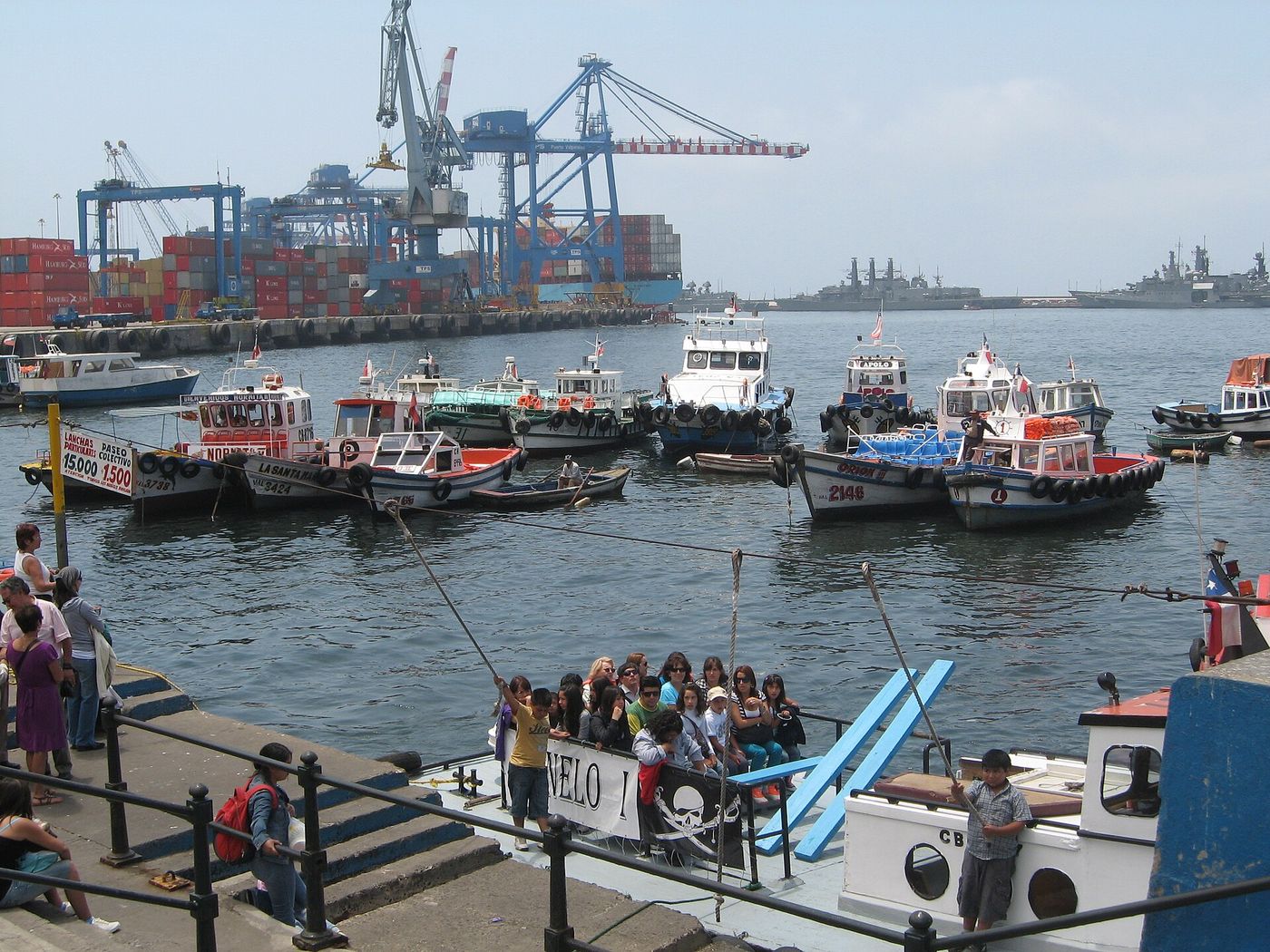
1. Plaza Sotomayor and the port (morning). Start at Plaza Sotomayor, the grand square at the foot of the hills, with the Monumento a los Héroes de Iquique and the naval headquarters. A block away, the Muelle Prat pier looks over the working port, its cranes and the fishing boats bobbing below; short harbor boat rides leave from here.
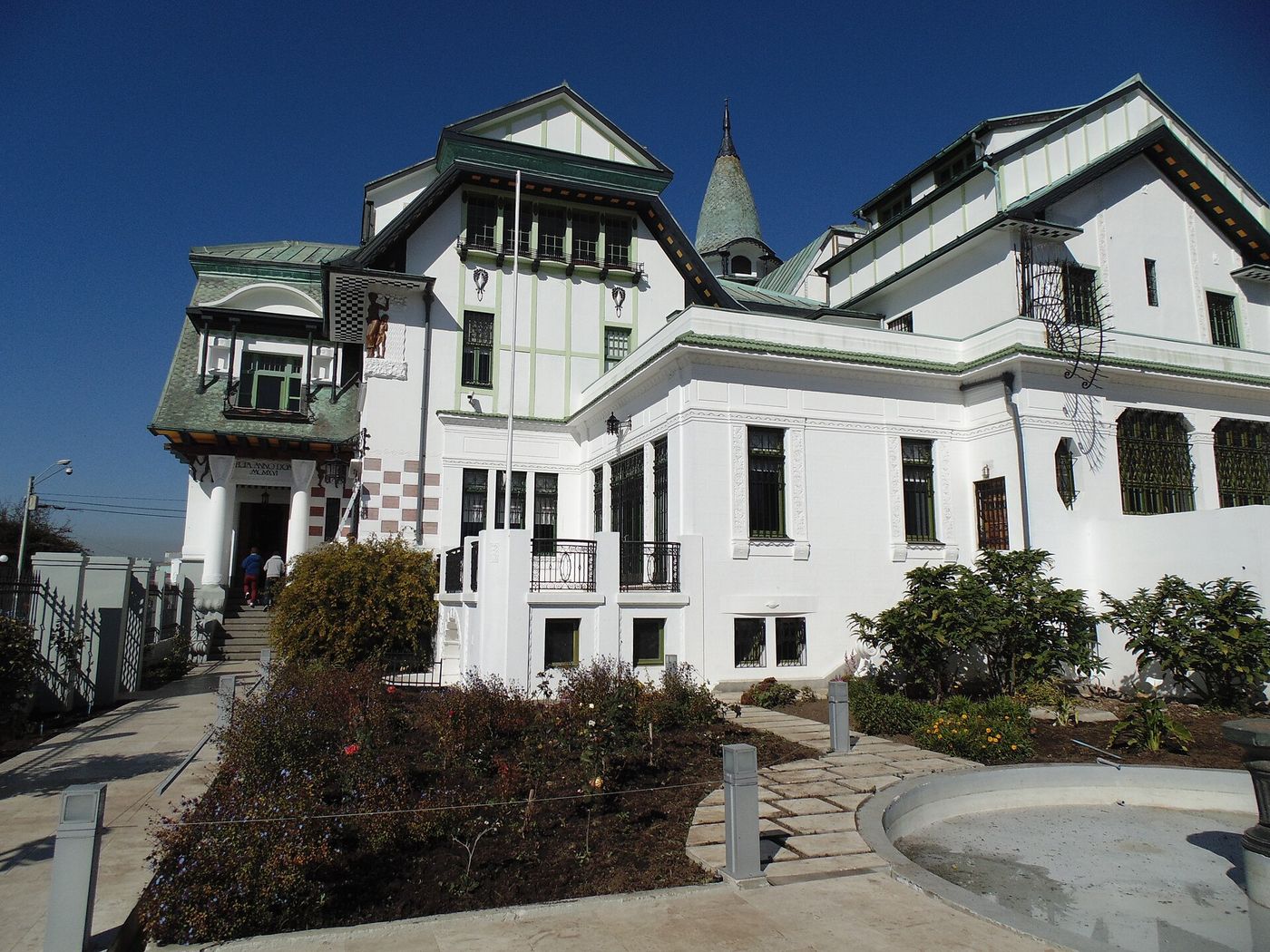
2. Up to Paseo Yugoslavo (mid-morning). Valparaíso’s ascensores, the century-old funiculars that climb the hills, are part of the experience. Our day-trips guide names Ascensor El Peral and Ascensor Reina Victoria as the convenient ones for these two hills. El Peral rises from near Plaza Sotomayor to Paseo Yugoslavo and the Palacio Baburizza, an Art Nouveau mansion that houses Valparaíso’s fine arts museum. Ascensores close for repairs from time to time, so if yours isn’t running, the stairs and streets climb the same hill.
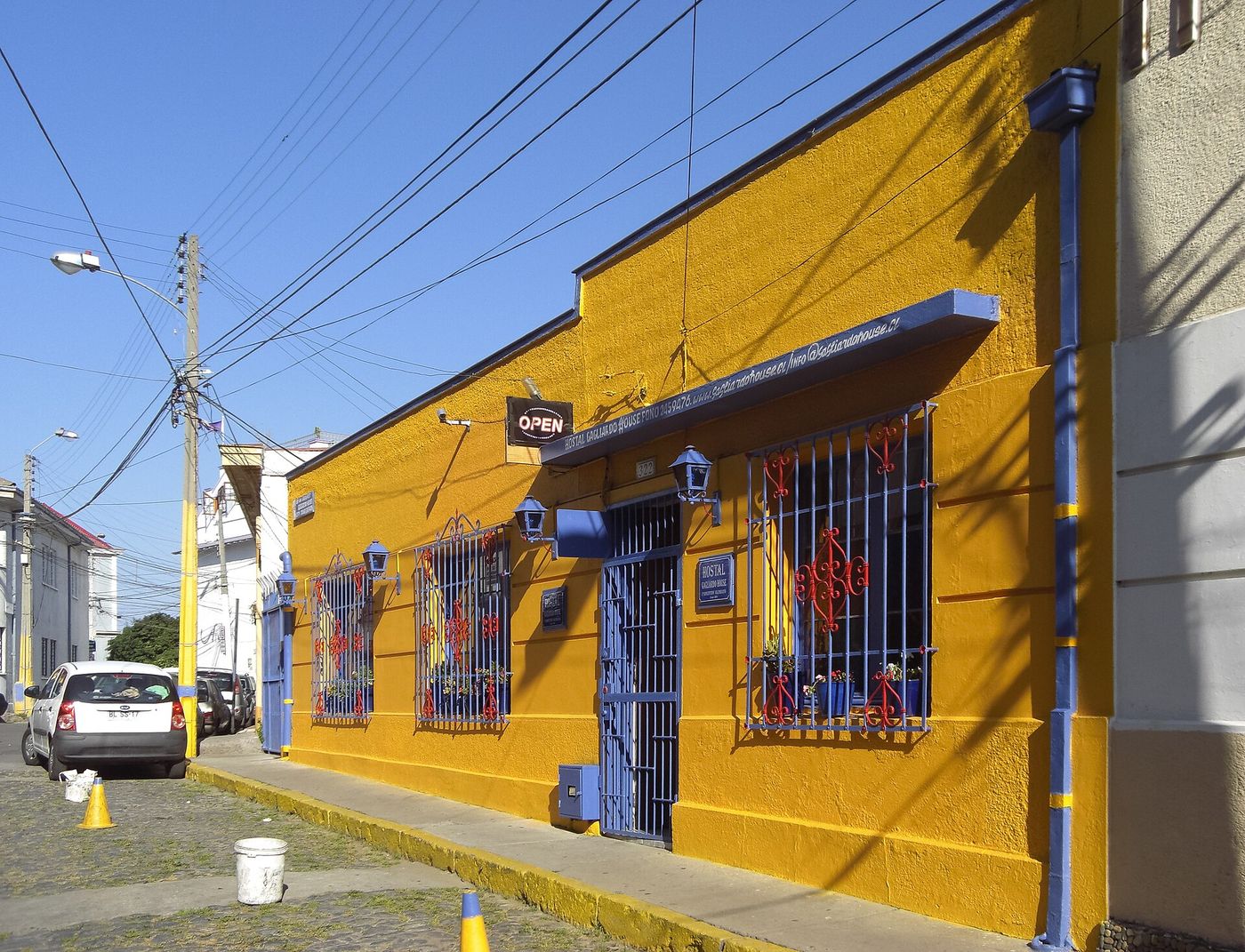
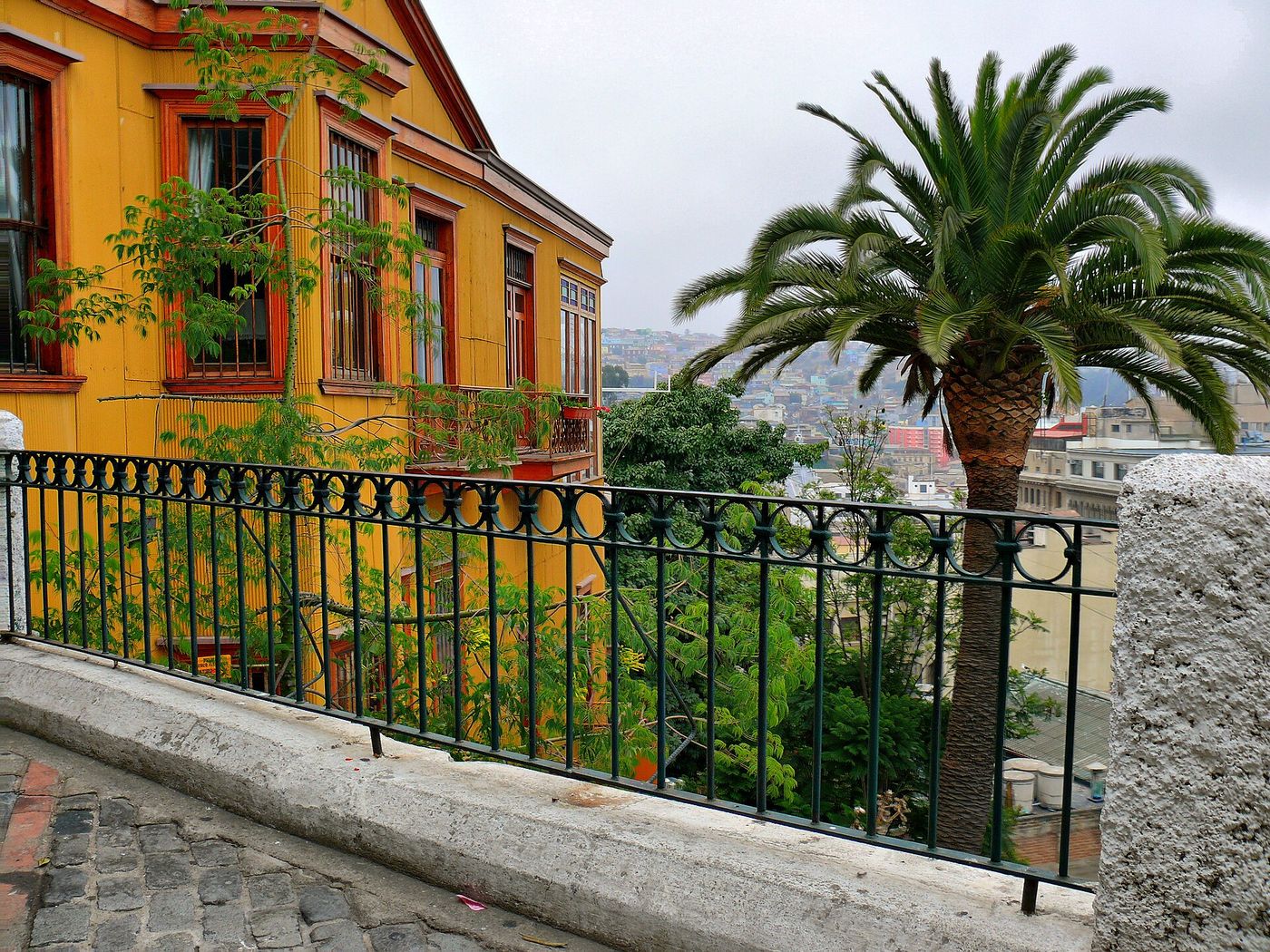
3. Cerro Alegre (late morning). From Paseo Yugoslavo, wander Cerro Alegre’s streets: painted houses, steep lanes, murals on almost every wall, and small cafés and galleries. Don’t follow a map too closely; the joy of these hills is in getting a little lost and turning a corner onto a view of the bay.
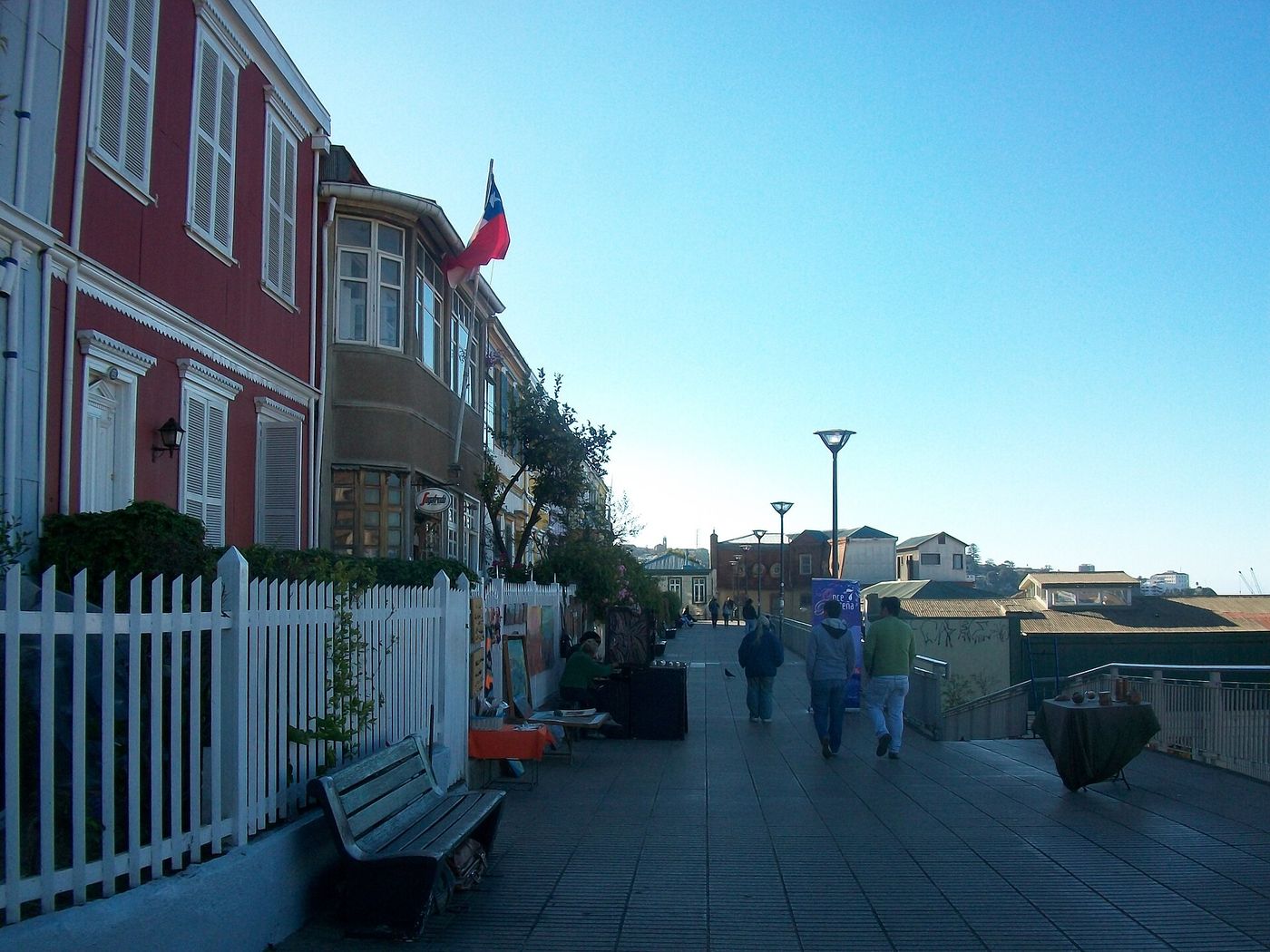
4. Cerro Concepción and lunch (midday). Cross into Cerro Concepción for Paseo Gervasoni and Paseo Atkinson, two terraces with railings, benches and some of the best views in the city, over the rooftops to the harbor. Both hills are full of restaurants; this is the place for a long lunch with a view.
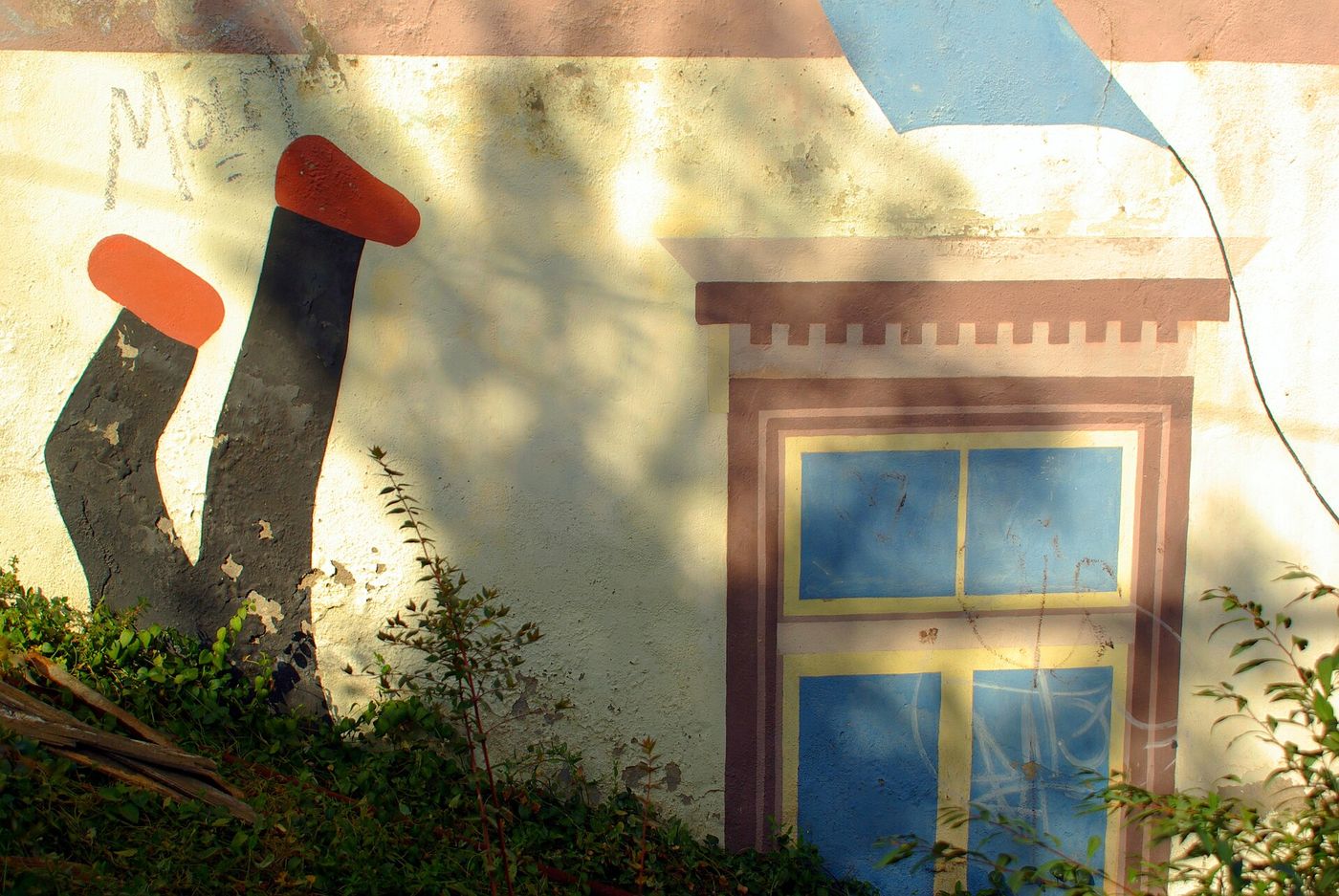
5. Museo a Cielo Abierto (afternoon). Head down to the plan and over to Cerro Bellavista, where the Museo a Cielo Abierto, an open-air museum, has large murals painted on the walls of houses and stairways by Chilean artists, among them Nemesio Antúnez. It’s free and always open, since the gallery is the street.
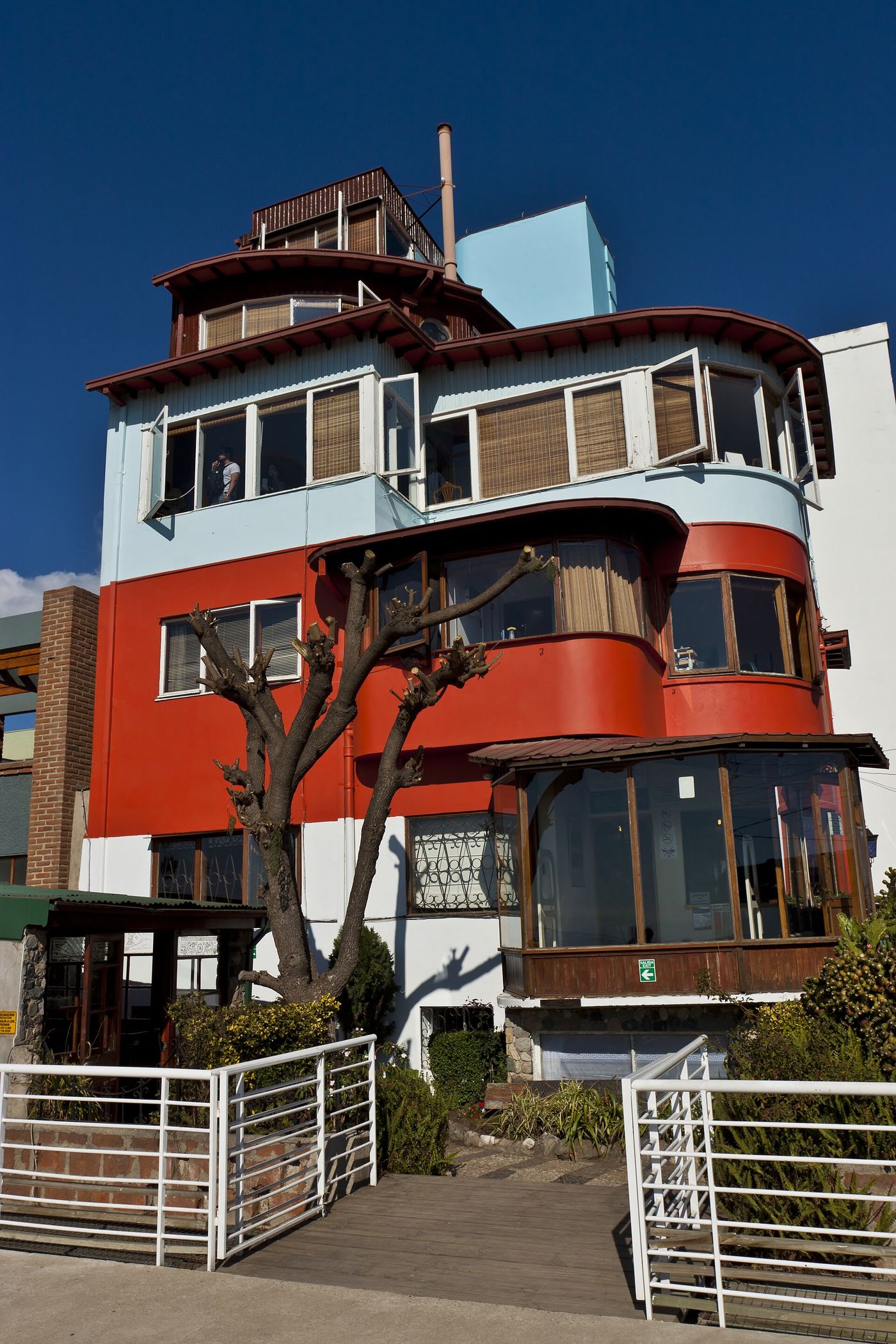
6. La Sebastiana (late afternoon). Climb on to Cerro Florida for La Sebastiana, Pablo Neruda’s house in Valparaíso, open 10:00-18:00 (checked 1 October 2026) and closed on Mondays, like the foundation’s other houses. Neruda filled it with things he loved and the best of all Valparaíso views, and he joked that he’d bought a house made of nothing but stairs and terraces. Check the price on the Fundación Neruda’s site before you go; at La Chascona in Santiago, the general ticket was CLP 11,000 in September 2026, and the foundation is running a special Tuesday ticket at its houses through October 2026.
7. Back to the bus (early evening). From La Sebastiana, take a taxi down to the bus terminal on Avenida Pedro Montt. Aim to be on a bus by 18:00 or 19:00, which puts you back in Santiago in time for dinner.
That’s a full day, and it leaves out plenty. If you’d rather slow down, drop the Museo a Cielo Abierto and La Sebastiana and spend the afternoon on Cerros Alegre and Concepción, which is no hardship.
If you have an extra two hours
The route above is a full day at a gentle pace. If you’re moving faster, or you’ve decided to catch a later bus, these are the best additions:
Cerro Artillería and Paseo 21 de Mayo. West of Plaza Sotomayor, Cerro Artillería has its own ascensor and a terrace, Paseo 21 de Mayo, that looks straight down onto the container port, the cranes and, often, naval ships at anchor, a very different view from the painted houses of Cerro Alegre. The Museo Marítimo Nacional stands on the same hill, worth an hour if naval history interests you.
Cerro Barón. At the eastern end of the bay, Cerro Barón has what our day-trips guide calls the best single view in the city, looking back along the whole curve of Valparaíso, and an ascensor of its own. It’s a short taxi ride from the bus terminal, which makes it a good last stop before the bus home.
Sunset on the paseos. In summer, the sun sets over the Pacific late in the evening, and watching it from Paseo Gervasoni or Paseo Atkinson is one of the great free shows in Chile. If you stay for it, have dinner on Cerro Concepción and take a taxi straight to the terminal for a late bus.
Just wandering. The most rewarding extra two hours in Valparaíso are often unplanned: following a stairway because it looks interesting, stopping in a gallery, sitting in a café with a view. The tourist hills are compact enough that you won’t get properly lost.
What’s worth your time, and what isn’t
Valparaíso has more to see than one day allows, so it pays to be selective.
Worth it:
- Cerros Alegre and Concepción. The reason you came. Give them at least three hours.
- An ascensor ride. Short, cheap and part of the city’s identity, if one is running.
- The views from Paseo Gervasoni, Paseo Atkinson and Paseo Yugoslavo. Free and spectacular.
- La Sebastiana, if you haven’t seen a Neruda house yet. If you’ve already been to La Chascona in Santiago, one Neruda house is usually enough, and the view is the main thing this one adds.
- The Museo a Cielo Abierto, for murals in their original setting.
Not worth it on a single day:
- The commercial streets of the plan. Busy, noisy and not where Valparaíso’s charm lives.
- Adding Viña del Mar. It’s Valparaíso’s neighbor and a pleasant beach resort, but on one day it costs you the time you need on the hills. The Merval commuter train links the two cities along the bay if you have a second day.
- A winery stop on the bus day. Casablanca’s vineyards are on the way, but there’s no practical way to reach them without a car or a tour, and they take two or three hours of your coastal day.
Eating in Valparaíso
Lunch is one of the pleasures of the day, and the hills are full of places to have it, from small cafés to restaurants with terraces over the bay. A table with a view on Cerro Alegre or Cerro Concepción costs more than the same meal on the plan, and on a clear day it’s worth it.
What to look for:
- Seafood. This is a fishing port, and fish and shellfish dominate the menus: grilled fish of the day, seafood empanadas, shellfish stews.
- The chorrillana. A mountain of fries topped with strips of beef, onions and fried eggs, built for sharing, and closely associated with Valparaíso, where several old restaurants claim to have invented it.
- Menú del día. On weekdays, many restaurants on the plan and some on the hills offer a fixed-price set lunch, the best-value meal in Chile. Look for the chalkboards.
- Coffee and cake. Cerros Alegre and Concepción have plenty of cafés for a break between hills.
Two practical points. Chileans eat lunch late, typically from about 13:30 or 14:00, so arriving at noon gets you a table easily. And a 10% tip is customary in sit-down restaurants, often suggested on the bill. For Chilean food more broadly, see our guide to the best food in Santiago.
Is a Valparaíso day trip worth it?
Yes, it’s the best day trip from Santiago for most visitors: two hours each way for a UNESCO-listed port, funiculars, street art and the Pacific. It’s worth it most if you go by bus on a weekday, give the hills six hours or more, and treat Viña del Mar and the wineries as separate trips.
When it’s less worth it:
- On a four-day trip to Santiago, a day in Valparaíso costs you a quarter of your time in the capital. It’s still the best day trip, but weigh it against what you’d miss.
- On a Monday, when La Sebastiana and many museums are closed. The hills are still there, but the day is thinner.
- In bad weather, when the views that make Valparaíso special disappear into fog or rain.
Should you take a tour instead?
Only if you want zero logistics or a guide’s commentary. A typical group tour runs about 10 hours and splits the day between Valparaíso, Viña del Mar and a Casablanca winery, leaving a few hours on the hills. The bus is cheaper and gives you the whole day, but you plan it yourself.
The comparison in practice:
| Bus, on your own | Group tour | Private driver | |
|---|---|---|---|
| Time on the hills | 6-8 hours | Often around 3 hours | Your choice |
| Viña del Mar | Optional, by Merval | Usually included | Optional |
| Casablanca winery | Not practical | Often included | Possible, and the driver stays sober |
| Guide | None; read up beforehand | Yes | Driver, sometimes a guide |
| Cost | CLP 5,400-12,400 return | Varies by operator | The most expensive option |
Bus fares checked September and 1 October 2026.
Our verdict: go by bus if you’re comfortable navigating a new city, which in Valparaíso means a taxi from the terminal and a map of two hills. Take a tour if it’s your only coastal day and you’d like the winery and Viña del Mar thrown in, accepting that you’ll see less of Valparaíso. Hire a private driver if there are three or four of you, you want Casablanca or Isla Negra on the way, and the price per head works.
For the wine side, our comparison of the best wine tours from Santiago includes a Valparaíso wine tour or transfer via Casablanca from USD 135 per person (checked October 2026).
Driving to Valparaíso
A car makes sense only if you’re adding stops that the bus can’t reach: a Casablanca winery, Isla Negra on the coast to the south, or Viña del Mar’s beaches. For Valparaíso alone, it’s more trouble than it’s worth.
The route is straightforward: Route 68 west from Santiago, a toll motorway through the coastal hills and the Casablanca Valley, about 120 km and one and a half to two hours outside peak traffic. The trouble starts when you arrive. Valparaíso’s hill streets are steep, narrow and often one-way, with tight hairpins and very little parking, and the tourist hills are not the place to learn a manual car’s hill start. Many drivers leave the car in a paid car park on the plan and walk or take the ascensores up.
The drink-driving rule matters here too. Chile’s limit is close to zero, so if a Casablanca tasting is on the way, the driver doesn’t taste. For winery days with a sober driver built in, see our guide to the Maipo Valley and other wine tours.
Safety in Valparaíso
Valparaíso has a real street-crime problem, and our day-trips guide rates it worse than Santiago’s. The Government of Canada lists Valparaíso and Viña del Mar among the Chilean cities with petty crime, including at lookouts, transit stations and tourist areas, and the UK government warns of distraction thefts and muggings in Chile’s cities (both checked September 2026).
What that means for a day trip:
- Keep your phone out of sight on the plan and around the bus terminal, where snatch thefts are most common.
- Be careful at viewpoints. Lookouts are on Canada’s list for a reason: people stop, take out their phones and stop paying attention.
- Stay on the busy tourist hills, Alegre and Concepción, and don’t wander into quiet upper streets on other hills, especially late in the day.
- Take taxis between the hills and the terminal, rather than walking the plan with your bags at dusk.
- Leave before dark unless you’re staying the night, or keep the evening to the busy restaurant streets and take a taxi to the bus.
None of this means you shouldn’t go. It means going with the same habits you’d use in any big port city. Our Santiago safety guide covers the common scams in more detail.
When to go, and what can go wrong
Weather. Valparaíso is on the Pacific and often cooler, windier and foggier than Santiago, especially on summer mornings, when the coast can be gray while the capital bakes. Bring a layer. Winter brings rain storms that make the hills slippery and the views vanish; check the forecast and pick a clear day if you can.
Days of the week. Avoid Mondays, when La Sebastiana and most museums close. Weekdays are calmer on the hills and on the buses than weekends.
Summer. January and February bring Chilean holidaymakers to the coast, crowding the buses on Friday evenings and Sunday afternoons. Buy your tickets ahead and expect busier hills.
New Year’s Eve. Valparaíso’s New Year fireworks over the bay draw enormous crowds, and the city fills to bursting. Unless the fireworks are the point of your trip, don’t try to make it a day trip that week.
Fire season. The Government of Canada warns of wildfire risk from December to March from the Valparaíso region south to Araucanía (checked September 2026), and the region suffered deadly fires around Viña del Mar in February 2024. A fire near the coast can close Route 68 or fill the air with smoke; check the news the day before.
Protests and strikes. Demonstrations sometimes affect central Santiago and, less often, Valparaíso’s plan. Check the news on the morning you travel, particularly on the notable dates the Canadian government lists, including 1 May and 18 October.
A Monday or rainy-day plan
Sometimes the day you have is the day you have. If it falls on a Monday, when La Sebastiana and most museums are closed, or the forecast shows rain, Valparaíso still works with a few changes:
- On a Monday, concentrate on the outdoor city: the ascensores, Cerros Alegre and Concepción, the paseos, the Museo a Cielo Abierto’s murals and the port from Muelle Prat. None of these depends on a museum’s opening day, and the hills are quieter.
- In light rain, the cafés and galleries of Cerros Alegre and Concepción make a good base, and the steep stairs need care. Wear shoes with grip, since the cobbles and tiled stairways get slippery.
- In heavy rain or thick fog, the views that make Valparaíso special disappear. If you have flexibility, swap days and spend this one in Santiago’s museums instead; our guide to Santiago’s museums has the best of them, most open Tuesday to Sunday.
What to bring
A day on Valparaíso’s hills asks for a little preparation:
- Shoes with grip. The cobbled streets and stairways are steep, and some are slippery even when dry.
- A layer. The coast is often cooler and windier than Santiago, especially in the morning.
- Sun protection. On clear days the sun on the hills is strong.
- Small cash. Ascensores, small cafés and taxis are easier with cash in small notes.
- A phone you can keep out of sight. Use a front pocket or a zipped bag, and step into a doorway to check a map rather than standing in the street.
Our list of what to pack for Santiago covers the rest of a Chile trip.
Accessibility
Valparaíso is one of the hardest places in Chile for travelers with limited mobility. The hills are steep, many streets are stairways, sidewalks are narrow and uneven, and the ascensores that help with the climb close for repairs from time to time. La Sebastiana itself rises over several floors and a tower, reached by stairs.
What helps: take a taxi up to the top of Cerro Alegre or Cerro Concepción and explore the flatter streets along the crest, where Paseo Gervasoni, Paseo Atkinson and many cafés are; use the ascensores where they run; and stay on the plan for the port views from Muelle Prat. A private driver who can drop you at the top of each hill makes the biggest difference. Our guide to accessible Santiago covers the capital.
What the day costs
| Item | Cost (CLP) | About (USD) | Notes |
|---|---|---|---|
| Metro to the terminal, each way | 735-895 | Under 1 | By time of day; contactless cards accepted |
| Bus, Santiago-Valparaíso, return | 5,400-12,400 | 6-13 | Two aggregator checks, September and October 2026 |
| Taxis in Valparaíso | Varies | – | Terminal to the hills and back |
| La Sebastiana | Check the foundation’s site | – | La Chascona in Santiago was CLP 11,000 in September 2026 |
| Lunch on the hills | Varies | – | Restaurants with a view charge for it |
A budget day, with the bus, a taxi each way in Valparaíso, lunch and La Sebastiana, comes in well under the price of a single organized tour, and gives you twice as long on the hills. For the rest of a trip’s budget, see what a trip to Santiago costs.
Why Valparaíso looks the way it does
It helps to know a little history before you climb. Valparaíso was the main port on the Pacific route around Cape Horn in the 19th century, and the merchants who grew rich on that trade, many of them British and German, built the mansions, churches and terraces of Cerros Alegre and Concepción. When the Panama Canal opened in 1914, ships stopped needing to come this way, and the city’s fortunes fell; much of what survives does so because there was no money to replace it.
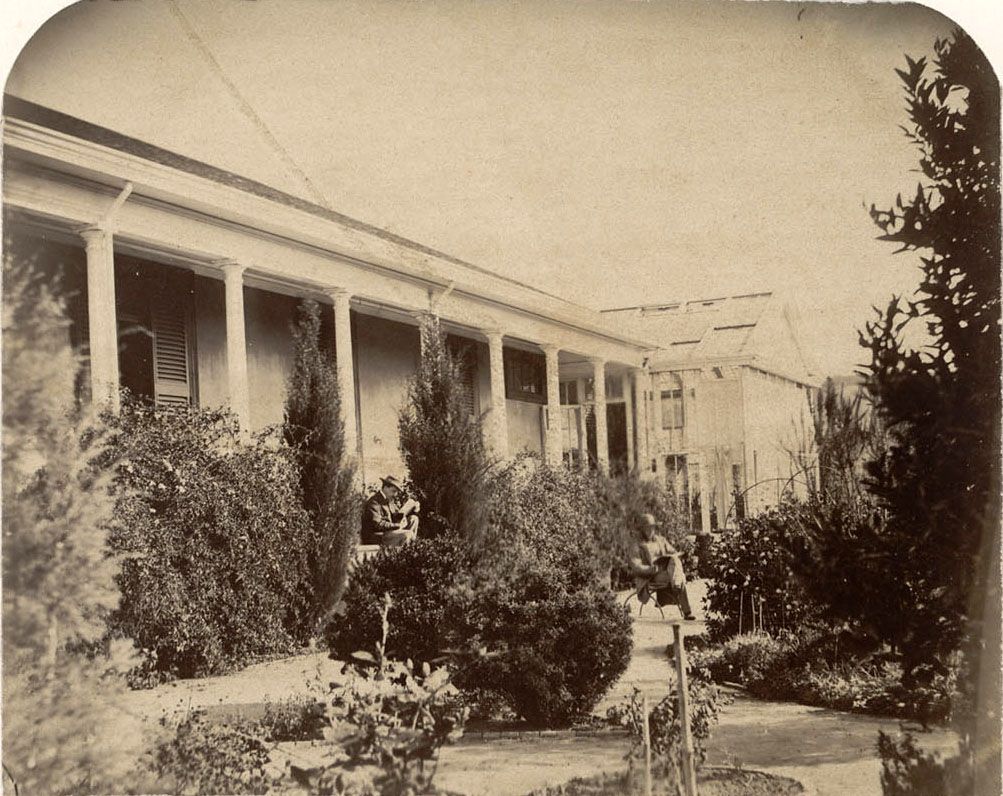
The ascensores were the city’s answer to its geography, hauling people up hills too steep for carriages, and the color came later, as residents painted houses in whatever they could get, including, by local legend, the paint left over from the ships in the harbor. Today the street art carries on the tradition, and the UNESCO listing of the historic quarter in 2003 recognized the whole ensemble: the port, the hills, the ascensores and the city that grew between them.
Valparaíso with children
Children tend to love Valparaíso for the same reasons adults do, with a few extras: the ascensores are a ride in themselves, the boats at Muelle Prat are a close-up look at a working port, and the murals turn a walk into a treasure hunt. The bus from Santiago is easy with kids, and two hours passes quickly with the Casablanca vineyards and the coastal hills out of the window.
The hard part is the hills. Strollers are close to useless on the stairways and steep cobbles, so bring a carrier for small children, and plan shorter walks with more café stops than you would alone. Keep children close on the busy streets of the plan and at the terminal, and away from the edges of the paseos, some of which have low railings above steep drops. Our guide to Santiago with kids has more family ideas for the city and around it.
Staying the night instead
If your schedule allows it, turning the day trip into an overnight is the single best upgrade. Day-trippers fill the hills from late morning to late afternoon; stay the night and you get the early morning, when the light is soft and the streets are empty, and the evening, when the sun goes down over the Pacific and the restaurants on Cerro Concepción fill with locals.
Most visitors who stay choose a small guesthouse or boutique hotel on Cerro Alegre or Cerro Concepción, close to the cafés and paseos and within a short walk of the ascensores. Book ahead for summer weekends and well ahead for New Year’s Eve. At night, keep to the busy restaurant streets of the tourist hills and take a taxi if you’re crossing the plan. With a night on the coast, you can also give Viña del Mar or Isla Negra a proper morning the next day instead of squeezing them in.
Alternatives and add-ons
If Valparaíso alone doesn’t fit your plans, or you have more than one day for the coast:
- Stay the night. The best way to see Valparaíso is to wake up there, after the day-trippers leave. A night on Cerro Alegre or Cerro Concepción gives you the sunset over the bay and a slow morning.
- Viña del Mar. The beach resort next door, with gardens, a sandy beach and the Merval train linking it to Valparaíso. It deserves its own day or an overnight rather than a few rushed hours.
- Isla Negra. Neruda’s favorite house, on the coast south of Valparaíso, and our day-trips guide’s pick of the three Neruda houses for the collection and the setting. It works best with a car or a driver.
- Casablanca wineries. Cool-climate whites on the road between Santiago and Valparaíso, best visited on a tour or with a driver.
For the whole range of options and how they compare, our guide to day trips from Santiago is the place to plan the rest.
Frequently asked questions
How long does it take to get from Santiago to Valparaíso?
About two hours by bus for the roughly 120 km, more on Friday evenings and Sunday afternoons when traffic heads to and from the coast. Add the Metro ride to the terminal in Santiago and a taxi from Valparaíso’s bus terminal to the hills, and allow two and a half hours door to door.
How much is the bus from Santiago to Valparaíso?
From about CLP 2,700 one way for a semi-cama seat, with CLP 4,000-4,200 typical for the big operators on 1 October 2026; an earlier September check found CLP 4,900-6,180. Fares change with the day and the time, and premium seats cost more.
Where do buses to Valparaíso leave from in Santiago?
From the terminals at Estación Central on the Alameda, including Terminal Alameda, Terminal Sur, San Borja and Los Héroes, and several operators also stop at Terminal Pajaritos on Metro Line 1. Buses run from about 06:00 to 22:20, every 15 to 30 minutes depending on the operator.
Is one day enough for Valparaíso?
Enough for Cerros Alegre and Concepción, an ascensor ride, the views and lunch, and possibly La Sebastiana or the open-air murals. It isn’t enough to see the city properly, and it isn’t enough to add Viña del Mar well. If you can, stay a night.
Is Valparaíso safe for tourists?
Yes, with care. It has more street crime than Santiago, particularly on the flat lower town and around the bus terminal, and Canada’s advisory lists petty crime at lookouts. Stay on the busy tourist hills, keep your phone out of sight, take taxis to and from the terminal, and leave before dark.
Is it better to take a tour to Valparaíso?
Usually not. Group tours run about 10 hours but split the day with Viña del Mar and a winery, leaving a few hours in Valparaíso. The bus is cheaper and gives you six to eight hours on the hills. Tours make sense if you want no logistics or a winery stop.
Can you visit Valparaíso and Viña del Mar in one day?
You can, using the Merval train between them, but you’ll shortchange both. Valparaíso alone fills a day, and Viña del Mar works better as a separate trip or an overnight. If you do combine them, spend the morning in Valparaíso and keep Viña to a late-afternoon walk.
What day should I avoid for a Valparaíso day trip?
Monday, when La Sebastiana and most museums close, and New Year’s Eve, when the city fills for the fireworks. Summer weekends, especially Sunday afternoons, bring crowded buses and slow traffic back to Santiago, so midweek is calmer.
If you have a second coastal day, Viña del Mar is the natural partner, a short ride away on the Merval train. It’s the opposite of Valparaíso: flat, polished and built for leisure, with beaches, palaces, a botanical garden that reopened after the 2024 fires and a genuine Rapa Nui moai. Our guide to a Viña del Mar day trip covers the bus, a walking route and when the beaches are worth it.
Sources
- UNESCO World Heritage Centre: Historic Quarter of the Seaport City of Valparaíso
- Fundación Pablo Neruda: Casa Museo La Sebastiana
- Fundación Pablo Neruda
- Recorrido.cl: buses from Santiago to Valparaíso
- Turbus
- Pullman Bus
- Metro de Santiago: fares and hours
- Government of Canada: travel advice for Chile
- UK FCDO: Chile safety and security
- Bodega Wine Tours
- Servicio de Impuestos Internos: dólar observado 2026
Image credits
| Photo | Credit |
|---|---|
| View from La Sebastiana (top of page) | Pekka Parhi (Pecksique), CC BY-SA 2.5, via Wikimedia Commons |
| Cerro Alegre | Diego Delso, CC BY-SA 3.0, via Wikimedia Commons |
| Muelle Prat | Hector Garcia from Barcelona, Catalonia, Spain, CC BY-SA 2.0, via Wikimedia Commons |
| Palacio Baburizza | Nicole González, CC BY-SA 3.0, via Wikimedia Commons |
| Paseo Atkinson | Gallardoval, CC BY-SA 3.0, via Wikimedia Commons |
| Museo a Cielo Abierto | Rodrigo Fernández, CC BY-SA 3.0, via Wikimedia Commons |
| La Sebastiana | Nellu Mazilu from Mobile, Terra, Sol, Milky Way, CC BY 2.0, via Wikimedia Commons |
| Cerro Concepción | Marcelo Ois Lagarde, CC BY-SA 3.0, via Wikimedia Commons |
| Cerro Alegre in 1861 | Oliver, William Letts, 1844-1918, public domain, via Wikimedia Commons |