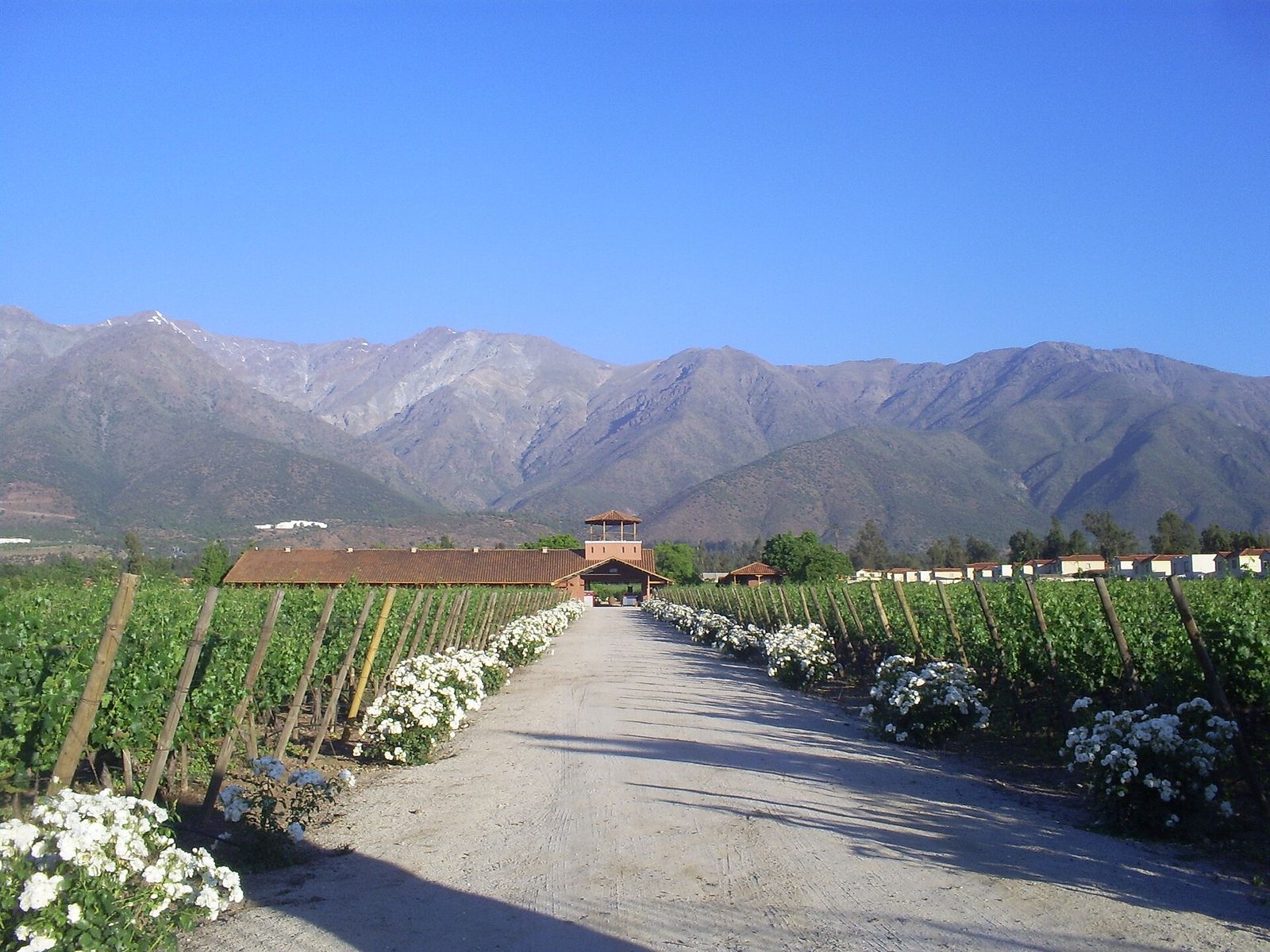
The Maipo Valley begins at Santiago’s eastern edge and spreads south and west of the city, so the best way to tour it is one area per day: Peñalolén on the city’s edge, Pirque, Buin and Paine, or the lower valley around Isla de Maipo and Talagante. Winery tours cost CLP 25,000-50,000 (about USD 26-53), and all four areas can be reached without driving.
This Maipo Valley wine tour guide works route by route rather than winery by winery, because in the Maipo the getting there decides the day. Each route below lists the wineries that take visitors, what their tours cost (checked September and October 2026), how to get there and back without anyone driving after a tasting, and an honest note on whether it’s worth the trip. For how the Maipo compares with Casablanca and Colchagua, start with our guide to wine tours from Santiago.
The Maipo’s four touring areas at a glance
| Area | Wineries that take visitors | Where it is | Without a car | Tour prices (checked) | Best for |
|---|---|---|---|---|---|
| Peñalolén, the city’s eastern edge | Cousiño Macul, Aquitania | Inside the city, at the foot of the Andes | Ride-hail or taxi | CLP 25,000-60,000 | A half day, or a last morning |
| Pirque and Puente Alto | Concha y Toro, plus Haras de Pirque, El Principal and other small estates | Southeast, at the end of Metro Line 4 | Metro Line 4 and a colectivo | From CLP 50,000 at Concha y Toro | The famous name, the foothills |
| Buin and Paine | Santa Rita, Pérez Cruz, Antiyal and a cluster of small producers | South, along the Rancagua railway | Train to Buin or Paine, then a taxi | CLP 31,000-110,000 | A full day and the estate experience |
| Isla de Maipo and Talagante | De Martino, Tarapacá, Santa Ema; Undurraga in Talagante | Southwest | Bus from Terminal San Borja | CLP 29,500-150,000 | Old vines, small producers, the vendimia |
Prices are for one adult, checked September 2026 (Santa Rita, Undurraga) and October 2026 (everything else). Dollar figures use about CLP 950 to the US dollar.
Those four areas also map loosely onto the names you’ll see on labels. Wines from the high ground nearest the mountains, in Peñalolén, Pirque and the eastern side of Buin and Paine, are often sold as Alto Maipo or Maipo Andes; Isla de Maipo and Talagante sit lower and further west. You don’t need the geography to enjoy the day, but knowing which area you’re in makes the tasting notes make sense.
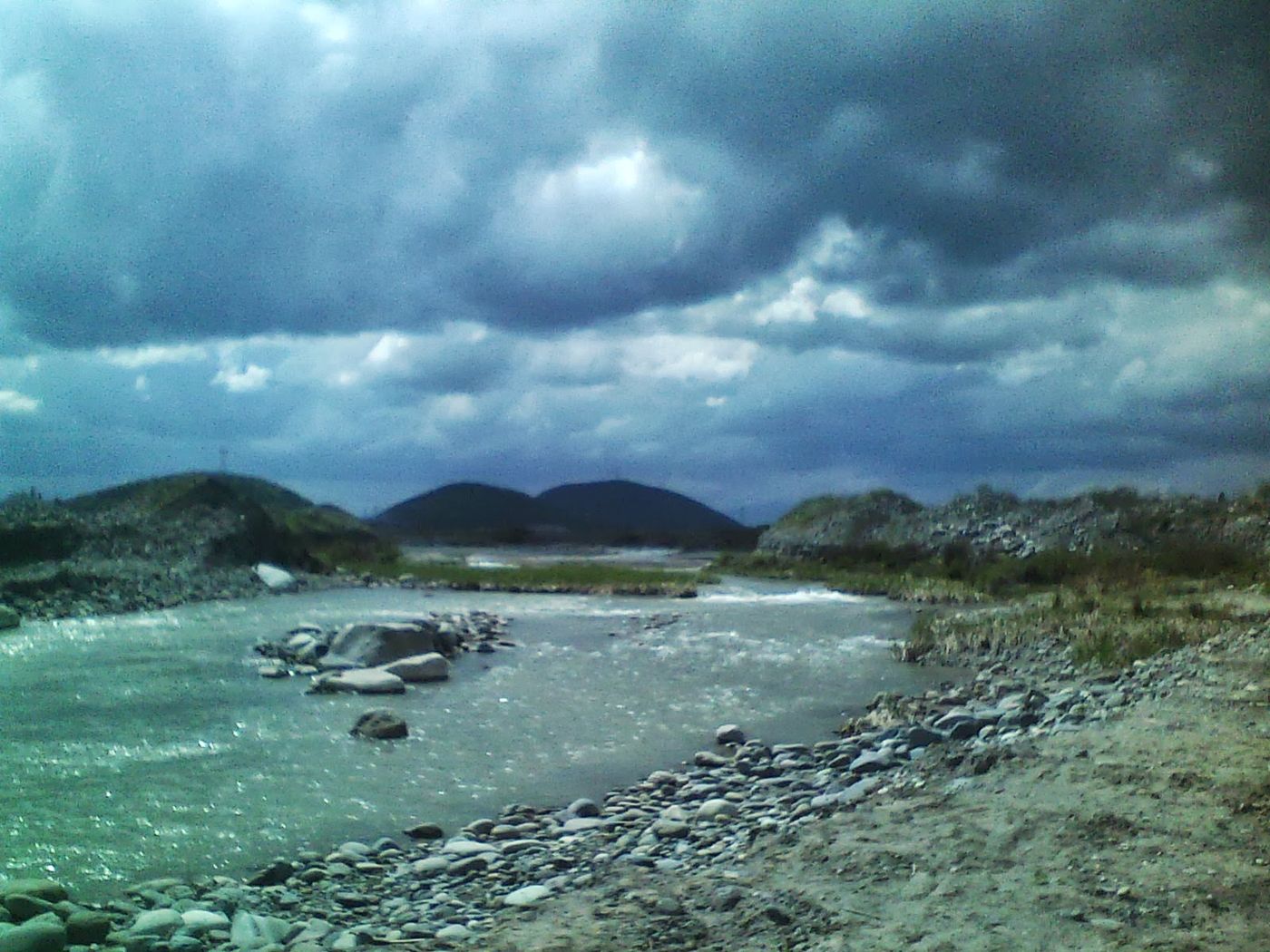
One rule applies to every route: pick one area per day. The public transport into the valley runs out from the city like spokes, so linking two areas without a car means coming most of the way back in between. With a driver you can combine neighbors, and the Buin and Paine estates in particular pair well. Without one, one area done properly beats two done in a rush.
How do you tour the Maipo Valley without a car?
Use the transport that matches the area: a ride-hail to Peñalolén, Metro Line 4 and a colectivo to Pirque, the Rancagua train to Buin or Paine and a taxi from the station, or a bus from Terminal San Borja to Isla de Maipo. For two wineries in different areas, hire a driver.
| To | How | Good to know |
|---|---|---|
| Peñalolén (Cousiño Macul, Aquitania) | Ride-hail or taxi | The shortest trip to any winery near Santiago; book the ride back before the tasting ends |
| Pirque (Concha y Toro) | Metro Line 1 to Tobalaba, Line 4 to Plaza de Puente Alto at the end of the line, then a colectivo of about 10 minutes | The Metro takes contactless bank cards; fares CLP 735-895 a ride by time of day |
| Buin and Paine (Santa Rita, Pérez Cruz) | EFE’s Rancagua train from Estación Central to Buin, Linderos or Paine, then a taxi or ride-hail | Estación Central connects with Metro Line 1; check the timetable before you go |
| Isla de Maipo (De Martino, Tarapacá) | Bus from Terminal San Borja, beside Estación Central | About 50 km; De Martino’s tasting room is in the town itself |
| Talagante (Undurraga) | Intercity bus to Talagante, then a taxi | A driver is simpler, especially for the 15:00 English tour |
Metro fares and the San Borja bus route checked September 2026; EFE stations checked October 2026.
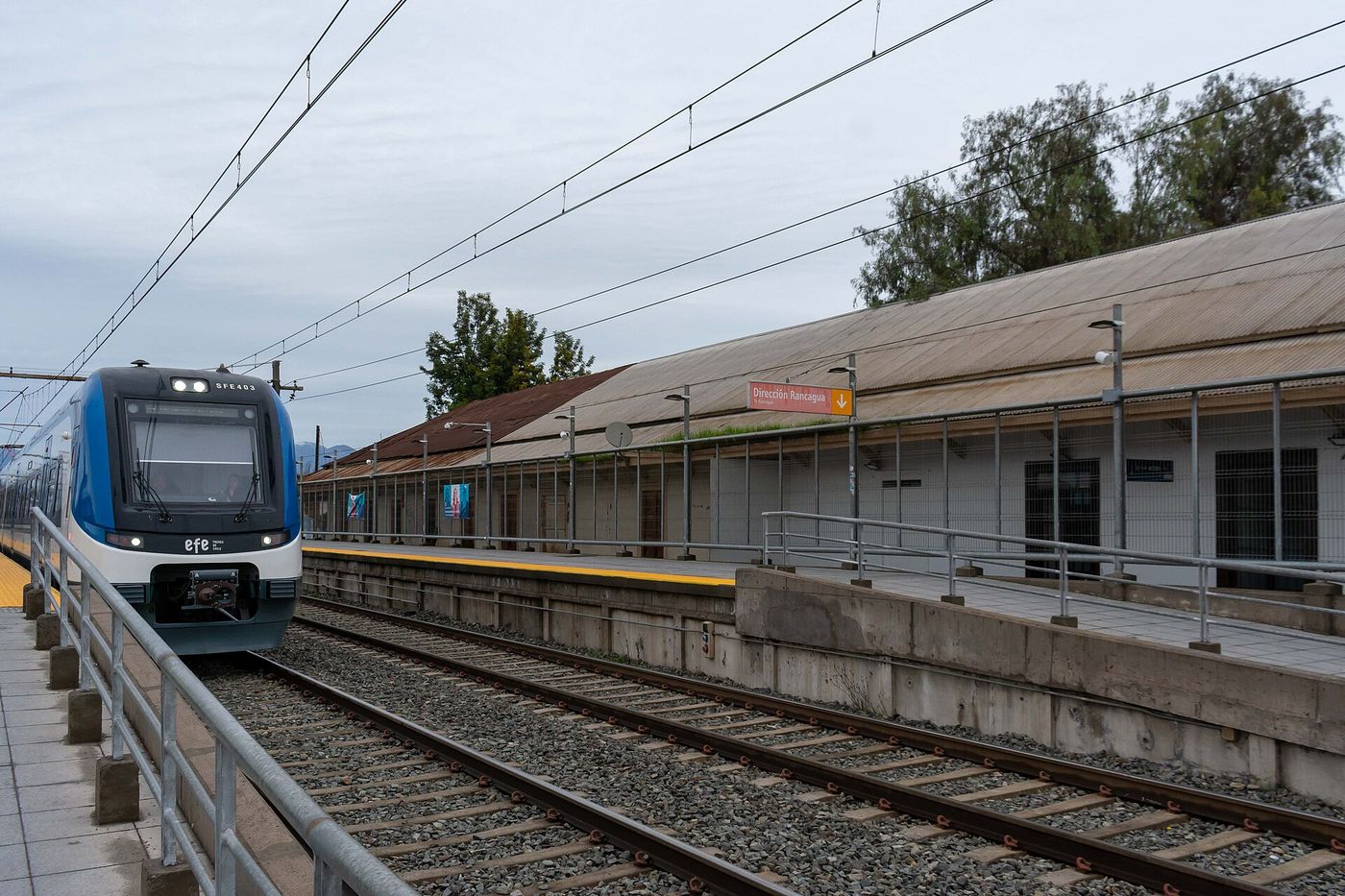
The train is the route most visitors don’t know about. EFE’s service from Estación Central to Rancagua stops at San Bernardo, Buin Zoo, Buin, Linderos and Paine on its way south, which puts the Buin and Paine wine country within reach of a train ticket and a short taxi ride. When we checked in October 2026, EFE’s site carried a notice about longer-than-usual journey times on the line, so allow slack, and look up the last train back before the tasting rather than after it. Our guide to getting around Santiago covers the Metro, the bip! card for city buses and the city’s terminals.
For anything beyond one area, a driver is worth paying for. It’s also the only answer if two of you want to taste and nobody wants to be the designated driver on a near-zero alcohol limit.
Route 1: the city’s eastern edge (Cousiño Macul and Aquitania)
Two wineries in Peñalolén, inside Santiago’s urban area but pressed up against the Andes, make the easiest wine half day there is. You can be tasting within the hour, and back in Providencia for a late lunch.
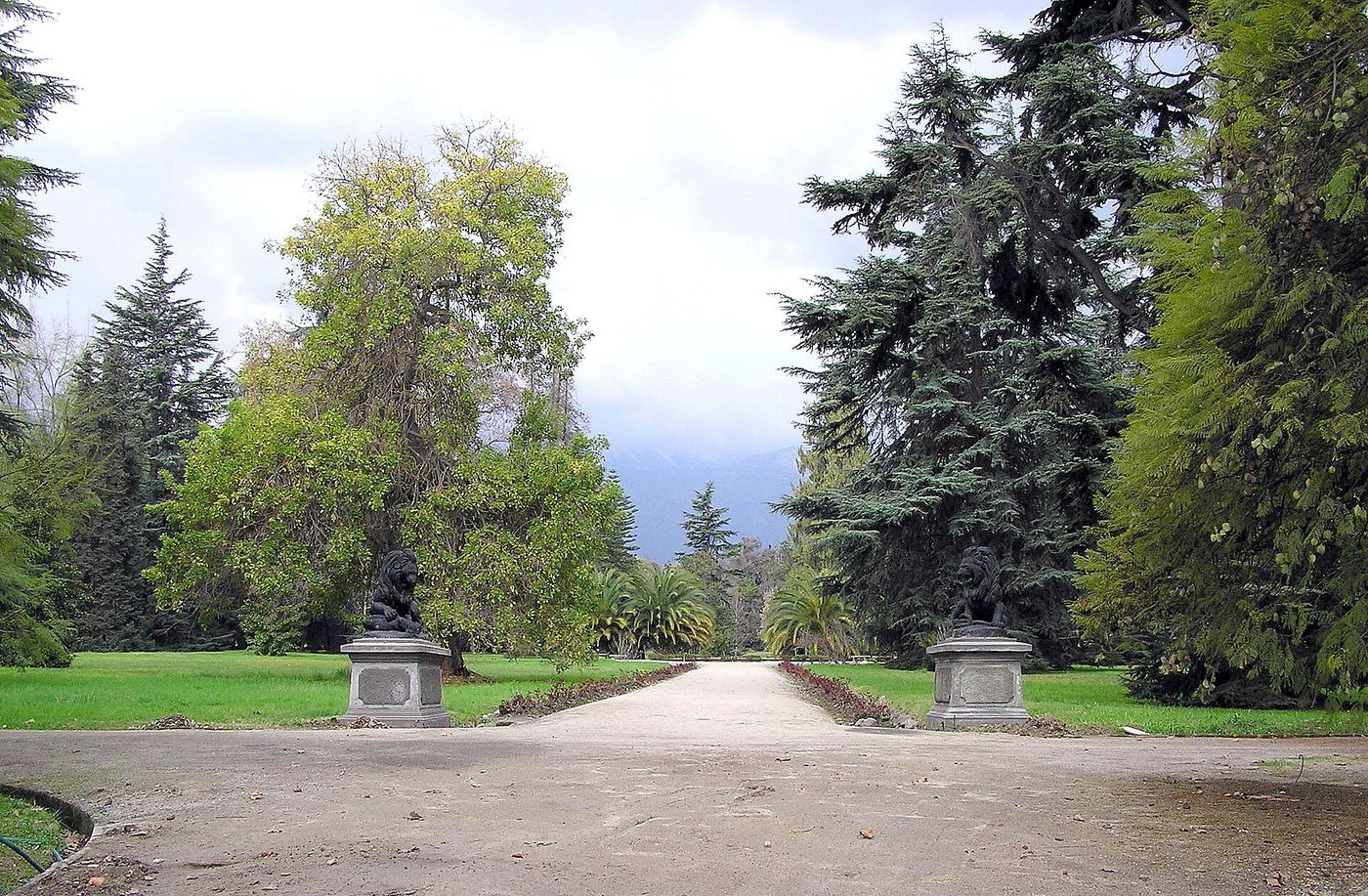
Cousiño Macul is the historic one. Its tours are booked online, run in Spanish, English or Portuguese, and come in more formats than most visitors realize (checked October 2026):
| Tour | Price (CLP) | About (USD) | Length | Wines |
|---|---|---|---|---|
| Tradicional | 25,000 | 26 | About 1 hour | 3, plus a glass on the house |
| Premium | 40,000 | 42 | About 1.5 hours | 6 |
| Bike tour through the vineyard, 18+ | 37,500 | 39 | About 1.5 hours | 4 |
| Sunset, with cheese in the garden | 45,000 | 47 | Not stated | 3 |
| Vertical tasting, Thursday and Friday only | 55,000 | 58 | About 1.5 hours | 6, including 3 Antiguas Reservas |
The Tradicional is still the right choice for most people. The bike tour is the best of the rest, a properly different way to see a vineyard that the city has grown around, and at CLP 37,500 it costs less than the Premium. The vertical tasting is for people who already like the estate’s Antiguas Reservas cabernet and want to see how it ages; it only runs on Thursdays and Fridays, so plan for it.
Aquitania, also in Peñalolén, is the boutique half of the route. It describes itself as a small winery inside the city of Santiago, at the foot of the Andes, making limited quantities of high-end wine (checked October 2026). The visit starts at a lookout above the vineyard, goes down into the vines, and then through the winemaking cellar, the tank room and the barrel room before a tasting of four wines from its premium and icon ranges. The Premium tour costs CLP 40,000 (about USD 42) and the Icono CLP 60,000 (about USD 63), the latter with a board of cheese and nuts, and both can be booked in English, Spanish or Portuguese.
Aquitania also offers a taste of Chile’s cool south. Alongside the Peñalolén vineyard it farms vines in Malleco, in the Araucanía region hundreds of kilometers away, so ask which of the wines in front of you come from there; setting them against Alto Maipo cabernet is the most instructive comparison on this route.
Is it worth it? Yes, as a half day. The setting is the least rural of the four routes, with suburbs around the vines rather than open country, but the Andes are right behind you and the effort is minimal. It’s the right route for a busy itinerary, a last morning before a flight, or a first taste of Chilean wine before committing a whole day to it. Doing both wineries in one day works, since they’re a short ride-hail apart, but two tastings back to back is a lot of wine before lunch.
Route 2: Pirque by Metro (Concha y Toro and the Pirque estates)
Pirque is the Maipo’s gateway to the mountains: the commune where the valley floor meets the first foothills, at the mouth of the Cajón del Maipo, and where Chile’s best-known winery has its visitor center. It’s also the only rural wine area you can reach on the Metro.
Concha y Toro is the reason most people come. Its standard Visita Guiada Premium costs CLP 50,000 (about USD 53) for two hours, covering the museum, the park, the Casillero del Diablo cellar and a four-glass tasting, with upgrades from CLP 60,000 to CLP 100,000 (checked October 2026). We break down which upgrades are worth it, and whether the whole thing is, in our comparison of the best wine tours from Santiago; the short version is that the CLP 10,000 upgrade for five extra glasses is the best value on the menu.
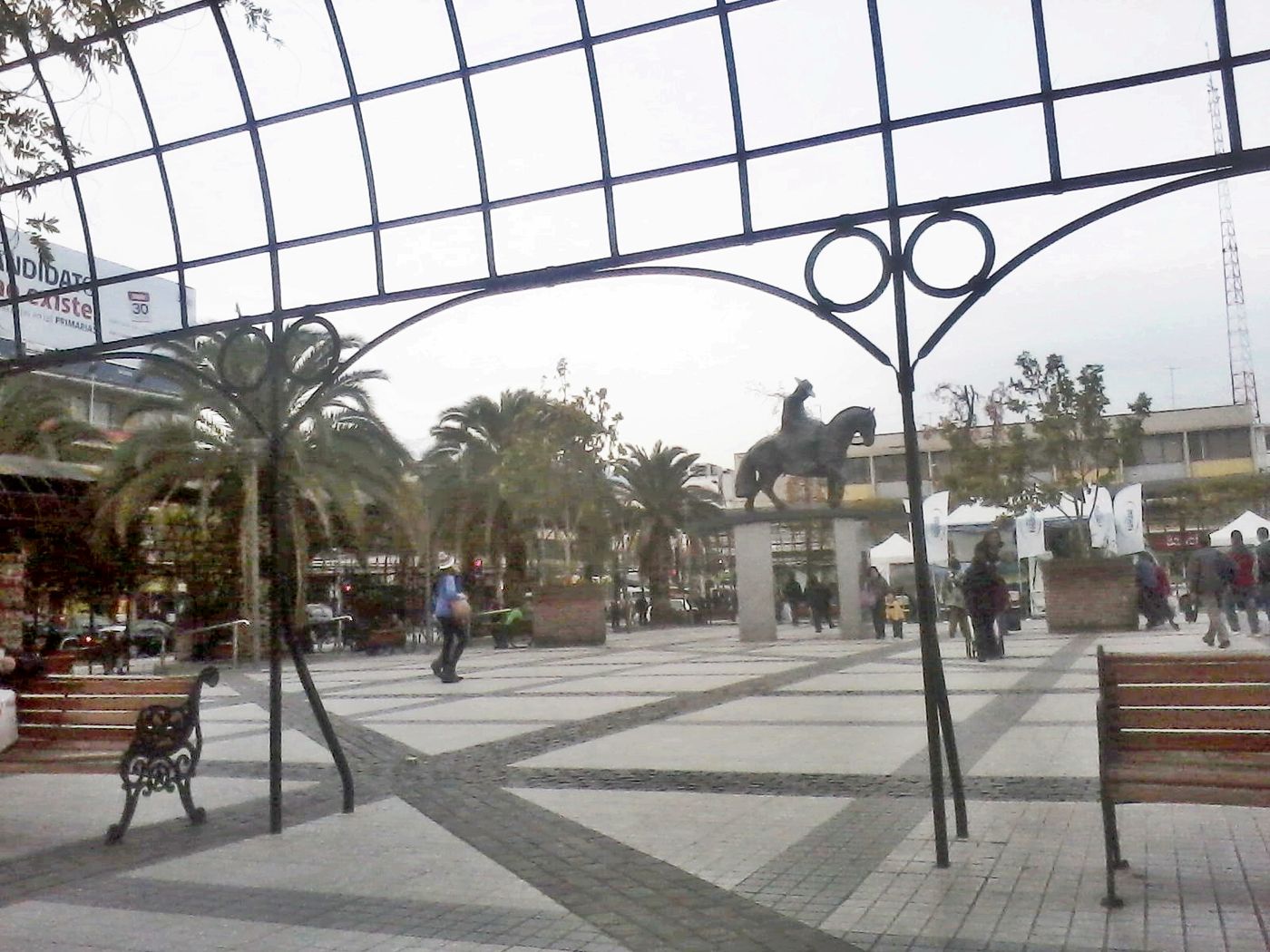
The journey is simple. Take Line 1 to Tobalaba, change to Line 4 and ride to Plaza de Puente Alto at the end of the line, where the Metro comes up beside Puente Alto’s main square. From there a colectivo takes about 10 minutes to Pirque (checked September 2026). Allow about an hour each way from central Santiago.
The rest of Pirque. Visit Santiago’s list of Maipo wineries names five more estates in the commune: Haras de Pirque, El Principal, Casa Fevre, Alyan and Piedra Sagrada (checked October 2026). We haven’t checked their tour prices for this guide, and smaller estates are best contacted directly before you travel, but any one of them makes a good contrast with the scale of Concha y Toro.
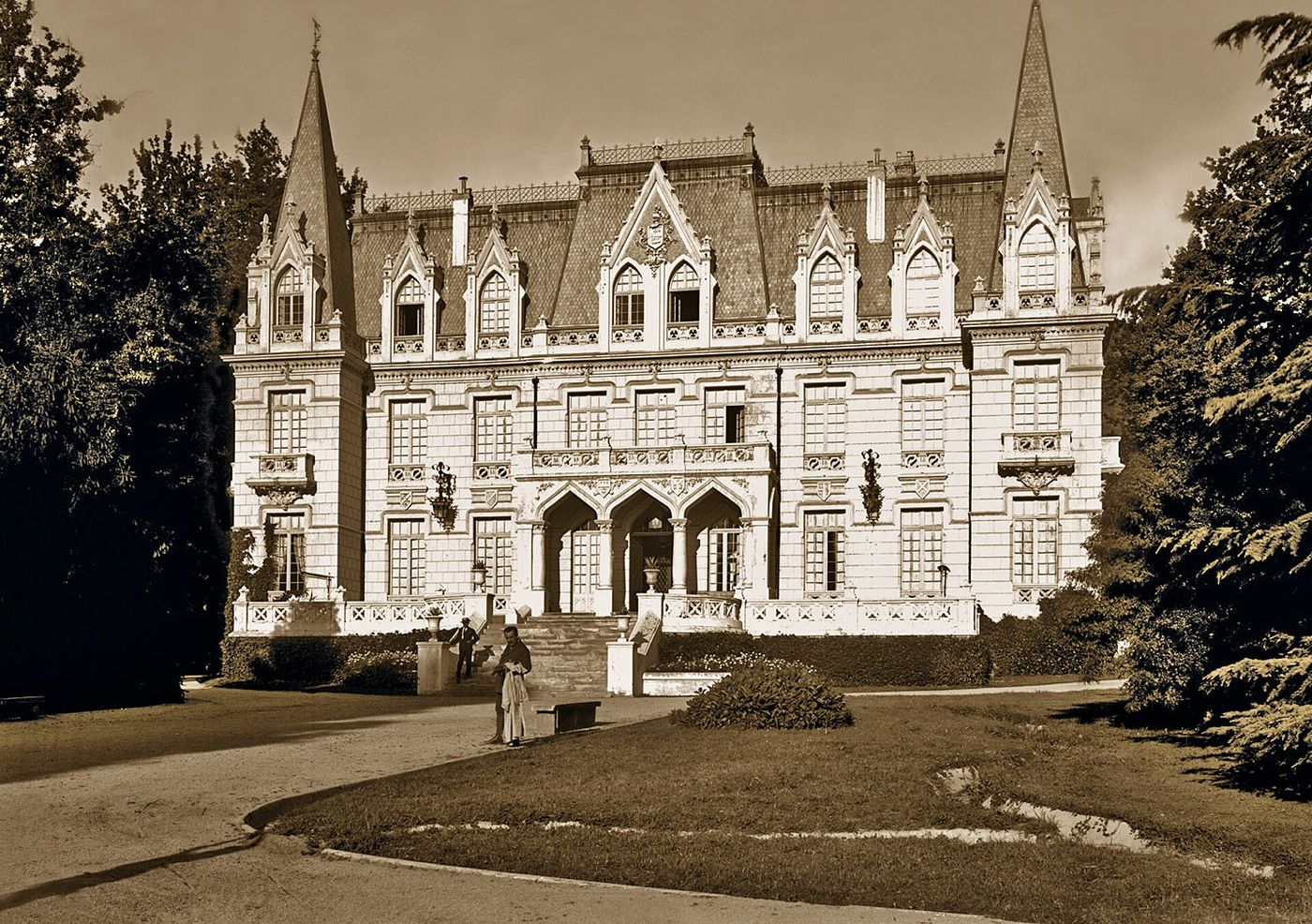
Pirque also has its own history beyond the bottle. The Palacio de las Majadas de Pirque, a French-style mansion built in 1907 by the architect Alberto Cruz Montt, is the commune’s grandest building, and it has hosted Pirque’s harvest festival in past years. The 2026 Pirque wine festival ran on 11-12 April; our guide to the Maipo Valley harvest festivals covers it with Isla de Maipo and Buin.
Is it worth it? For the famous name and the easiest rural access, yes. Pirque is also the natural place to combine wine with the mountains: the Cajón del Maipo begins just beyond it, and our guide to hiking and the outdoors near Santiago covers what lies beyond. Just don’t try to do both on one day with a tasting in the middle and a mountain road after it.
Route 3: Buin and Paine (Santa Rita, Pérez Cruz and the small producers)
South of the city, the communes of Buin and Paine hold the Maipo’s best combination of grand estate and small producer. This is the route that most rewards a driver, and the best full day in the valley if you have one.
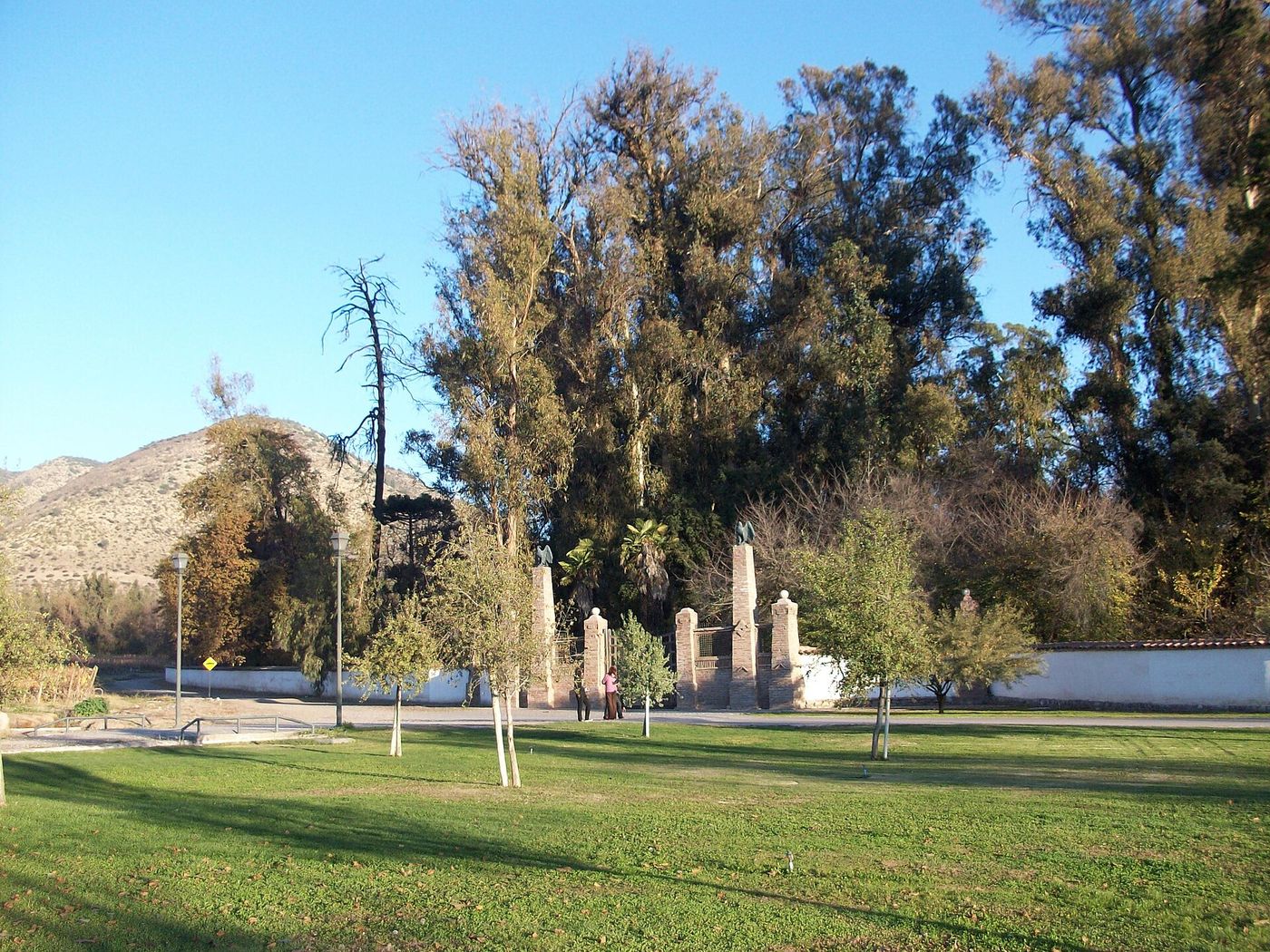
Santa Rita, at Alto Jahuel in Buin, is the grand estate: the colonial casona, the 19th-century park, the Museo Andino’s collection of pre-Columbian and Mapuche art, and a restaurant in the old house. The Clásico tour costs CLP 31,000 (about USD 33; checked September 2026). Give it a whole day, or at least a long morning with lunch.
Pérez Cruz, in Huelquén on the Paine side, is the modern counterpoint: a family estate in the Alto Maipo foothills about 40 km south of Santiago, with a timber winery designed by the architect José Cruz Ovalle. Its tours run from the 90-minute Tour Limited at CLP 42,000 (about USD 44) through a bike tour of about 5 km at CLP 50,000 to the Íconos tasting at CLP 100,000 and a three-hour tour with brunch at CLP 110,000 (checked October 2026). The opening hours posted on its tour site are Monday to Friday 10:00-18:00, Saturday 10:00-14:00 and Sunday 10:00-15:00.
Both estates sit on the eastern, Andean side of their communes, which makes them a natural pair for a driver: Santa Rita in the morning with lunch, Pérez Cruz in the afternoon, or the other way around if you want the bike tour while you’re fresh.
By train. The Rancagua line stops at Buin, Linderos and Paine, and from each a taxi or ride-hail covers the last stretch to the estates. It works best for one winery: Buin for Santa Rita, Paine for Pérez Cruz. Linking both by train and taxi is possible but fiddly, and the money saved over a driver shrinks fast.
The small producers. Visit Santiago’s list puts a cluster of boutique wineries in the same two communes (checked October 2026): Antiyal, Lof, Mujer Andina, Los Quiscos, Los 3 and La Montaña in Paine, and Four Souls, Santa Catalina, Besoain and Alto Linderos in Buin. None of these was price-checked for this guide; email ahead, and expect a visit by appointment with the person who made the wine.
Is it worth it? This is the best full day in the Maipo. Santa Rita alone justifies the trip, and pairing it with Pérez Cruz or a small Paine producer gives you the valley’s two personalities in one day. Without a driver, pick one estate and use the train.
Route 4: the lower valley (Isla de Maipo and Talagante)
West of the Pan-American Highway the valley flattens out, the river runs wide and braided, and the vineyards share the land with orchards and small towns. This is the Maipo’s working countryside, and the route with the most interesting small producers.
De Martino, in Isla de Maipo, is the reason to come for anyone serious about Chilean wine. Its tasting room is in the town itself, at Manuel Rodríguez 229, which makes it the one winery in the lower valley you can reach comfortably by bus. It runs seated tastings rather than vineyard tours, each with a board of snacks, on weekdays at 10:30 only (checked October 2026):
| Tasting | Price (CLP) | About (USD) | Wines |
|---|---|---|---|
| Single Vineyard, Isla de Maipo | 50,000 | 53 | 3 |
| Itata Series, Guarilihue | 80,000 | 84 | 3 |
| Old Vine Series and Cellar Collection | 90,000 | 95 | 3 |
| Cellar Collection | 120,000 | 126 | 4 |
| Cellar Collection vertical | 150,000 | 158 | 3 |
That’s expensive per glass, and it’s meant to be. These are wines you won’t meet on a big-estate tour: single vineyards from the home valley, and old-vine wines from Itata in Chile’s south, where De Martino has made a name working with old, dry-farmed vineyards. The shop opens Monday to Friday 08:30-13:00 and 14:30-18:00 and on Saturday 10:30-13:00, and is closed on Sundays.
The other Isla de Maipo estates on Visit Santiago’s list are Tarapacá, Santa Ema, Terramater, Ballek, Teillery and Ricardo Lowick (checked October 2026), and the town’s Fiesta de la Vendimia takes over the main street and plaza each autumn, on 28-29 March in 2026. Buses run from Terminal San Borja, about 50 km away.
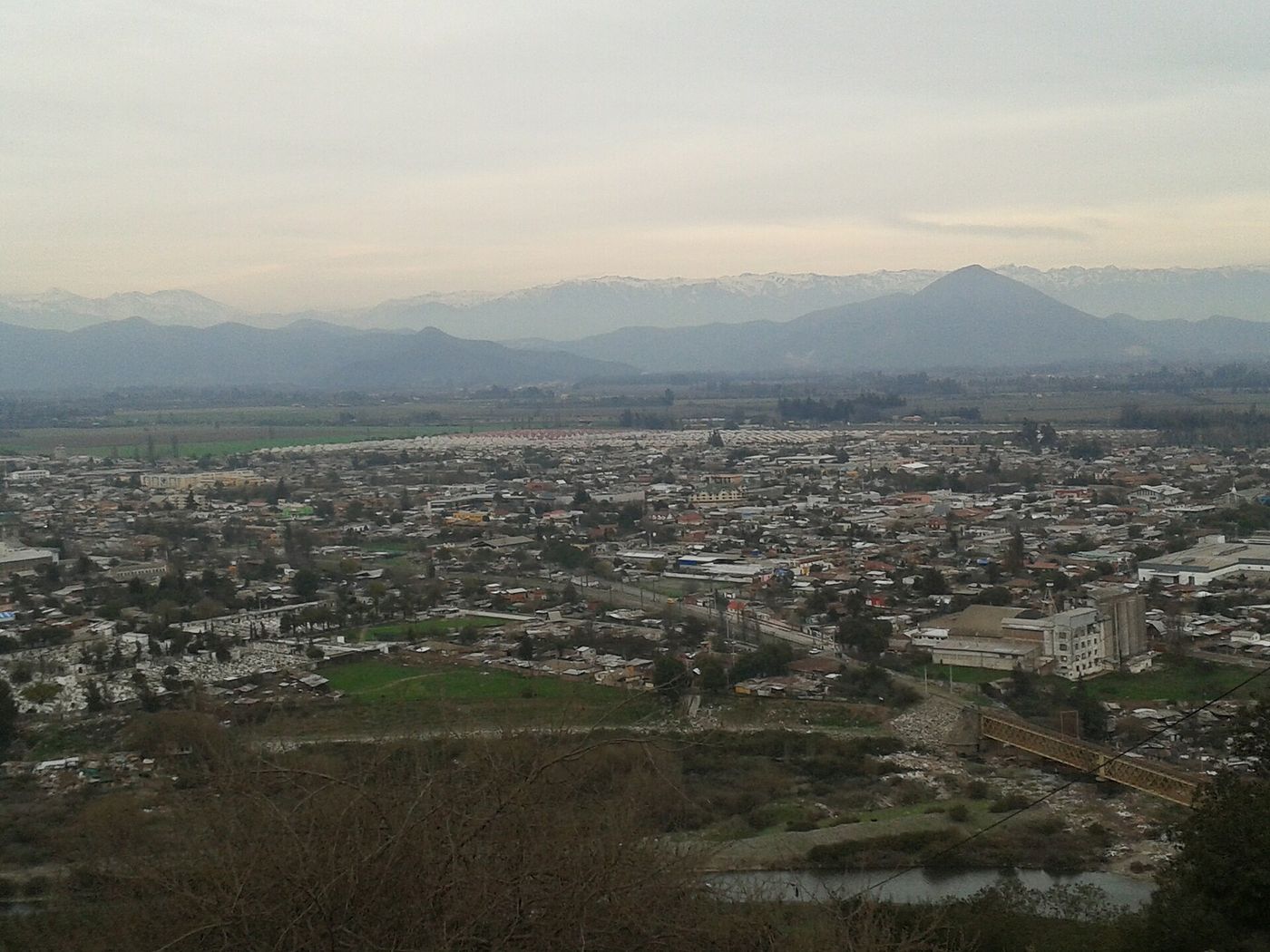
Undurraga, in Talagante, is the lower valley’s big estate, with a formal park and the most useful schedule in the Maipo for English speakers: the Sibaris tour costs CLP 29,500 (about USD 31), with English departures at 10:00 and 15:00 (checked September 2026). Further west, toward Melipilla and El Monte, the valley gets quieter still, with Chocalán and Root Winemakers among the names on Visit Santiago’s list.
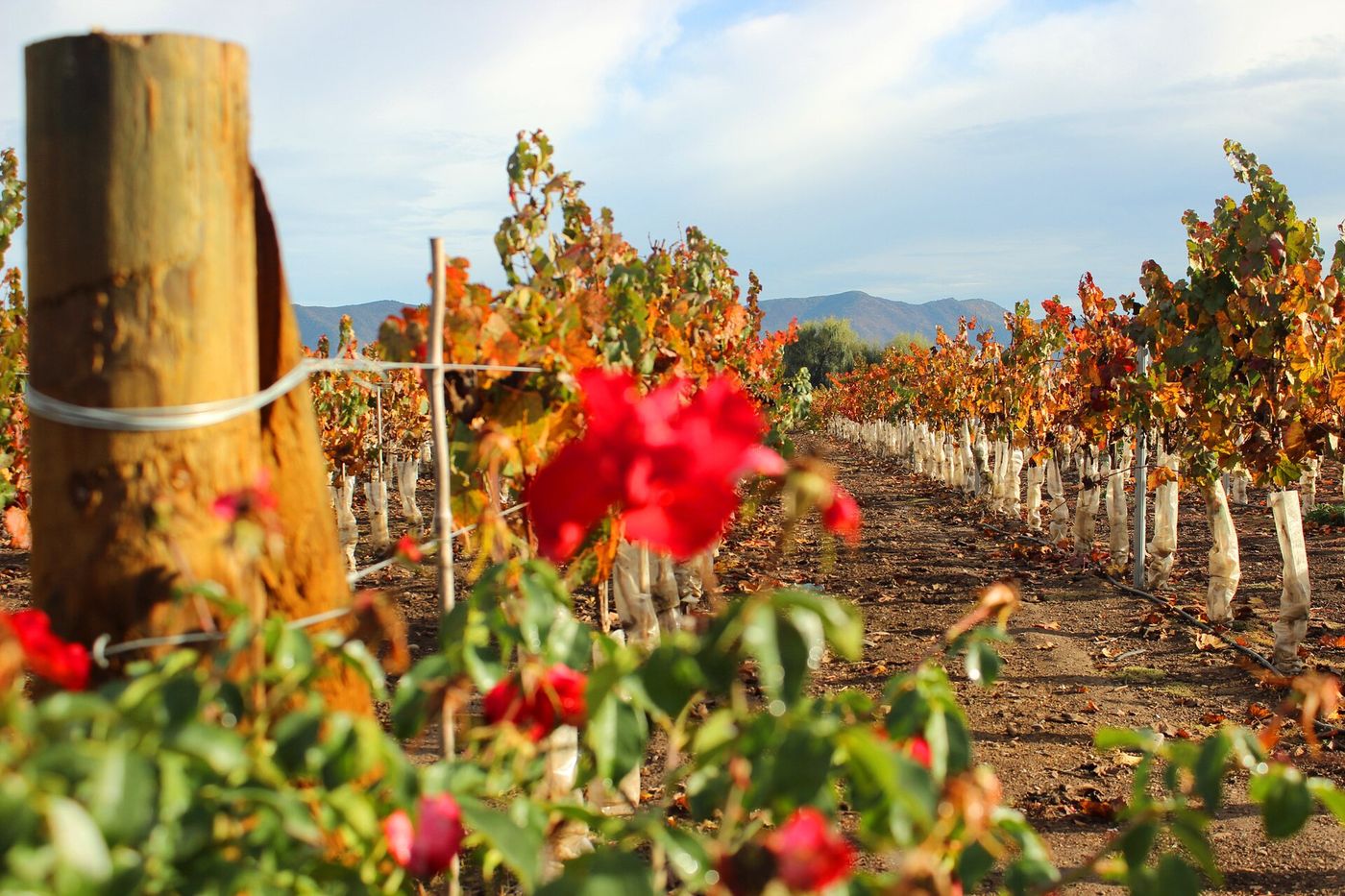
Is it worth it? For wine lovers, very much so: De Martino’s weekday tasting is one of the most rewarding wine experiences near Santiago, if an expensive one. For a general visitor, Undurraga’s fixed English tour is the easier day. Don’t combine Isla de Maipo with a Sunday, when De Martino is closed.
What to taste on each route
The best way to get more from a Maipo tasting is to know which wine each estate is proudest of, and ask for it. Here is where to look, using the names on the wineries’ own tour pages:
| Winery | Ask for | Why |
|---|---|---|
| Cousiño Macul | Antiguas Reservas, on the vertical tasting | The estate’s historic cabernet label, shown across vintages |
| Aquitania | Lazuli Cabernet Sauvignon, then anything from its Malleco vineyards | Alto Maipo cabernet against wine from Chile’s cool south |
| Concha y Toro | Marqués de Casa Concha, on the upgrade | The step up from Casillero del Diablo, and the company’s best seller among its tasting upgrades |
| Pérez Cruz | Pircas, Liguai and Quelen, on the Íconos tour | The estate’s top Alto Maipo reds |
| De Martino | The Isla de Maipo single vineyard, then the Old Vine Series | The home valley first, then the old vines that made its reputation |
Three questions improve any tasting here. Where exactly did these grapes grow, and how high? Which vintage is this, and what was the weather like that year? And was it aged in oak, or not? The answers turn a row of glasses into a map of the valley, and the guides are usually delighted to be asked something other than how many bottles the estate produces.
Eating on a Maipo wine day
Lunch is half the point of a Maipo day, and the estates know it. Almost every winery on these routes sells some combination of wine and food (checked October 2026):
- Concha y Toro sells its standard visit with lunch at its Bodega 1883 restaurant for CLP 100,000 (about USD 105), or with a food pairing at La Gran Barra for CLP 90,000 (about USD 95).
- Pérez Cruz pairs a three-hour tour with brunch at its Emporio Liguai for CLP 110,000 (about USD 116).
- Cousiño Macul’s sunset tour comes with cheese in the garden for CLP 45,000 (about USD 47).
- De Martino serves every tasting with a board of snacks, which on a 10:30 slot is effectively brunch.
- Santa Rita has a restaurant in its old house; we didn’t check its prices for this guide.
The cheaper approach is to eat in town. Every route on this page passes through a town with places to eat, Puente Alto, Buin, Paine, Isla de Maipo or Talagante, and a set lunch there is usually a fraction of an estate lunch. Whatever you choose, don’t start a tasting on an empty stomach; the pours are small, but four of them at 11:00 add up.
Buying bottles. Every estate ends its visit in a shop, and the bottles worth buying are the ones you can’t get at home: single-vineyard and icon wines, small-production lines, older vintages. Pack them in checked luggage wrapped in clothing or a padded wine sleeve, and check your home country’s duty-free allowance before you buy a case.
Three Maipo days that work, plus one with a driver
Each of these is built from the transport and prices above.
A morning in Peñalolén (half day, no car). Take a ride-hail to Cousiño Macul for a morning slot and do the Tradicional tour, or the bike tour if you’d rather move than stand. If you still want more, Aquitania is a short ride-hail away for its four-wine tasting; otherwise head back to Providencia or Ñuñoa for lunch. Budget CLP 25,000-40,000 per person for the tour, plus two or three ride-hail fares.
Buin by train (full day, no car). Take Metro Line 1 to Estación Central and EFE’s Rancagua train south to Buin, then a taxi or ride-hail for the last stretch to Santa Rita at Alto Jahuel. Take the Clásico tour, walk the park to the Museo Andino (check its hours when you book), and have lunch at the estate before heading back to the station. Book the tour first and fit the trains around it, and with EFE warning of longer journey times when we checked, leave an hour of slack on the way home.
A weekday in Isla de Maipo (half day, no car). Take a morning bus from Terminal San Borja to Isla de Maipo, about 50 km, in time for De Martino’s 10:30 tasting in the town. Afterward, walk the town, eat locally and take the bus back. This one is weekdays only: De Martino’s tastings run Monday to Friday, and its shop is closed on Sundays. In late March, when the vendimia takes over the town, come for the festival instead and skip the tasting room.
Santa Rita and Pérez Cruz with a driver (full day). The best day in the valley if someone else is driving: Santa Rita’s Clásico tour and lunch in the morning, then south to Huelquén for Pérez Cruz’s bike tour or Tour Limited in the afternoon. Pérez Cruz posts shorter weekend hours (Saturday 10:00-14:00, Sunday 10:00-15:00), so this works best on a weekday.
What does a Maipo wine tour cost?
A self-guided Maipo day costs CLP 25,000-55,000 (about USD 26-58) per person for one winery tour, plus transport. Two wineries in different areas mean a driver or an operator: Bodega Wine Tours starts at USD 135 per person and TourEvo’s private half day costs USD 168.
| Route | Entry-level tour | Getting there | Notes |
|---|---|---|---|
| Peñalolén | Cousiño Macul Tradicional, CLP 25,000 | Ride-hail both ways | Cheapest and shortest |
| Pirque | Concha y Toro Visita Guiada Premium, CLP 50,000 | About CLP 1,600 in Metro fares round trip, plus colectivos | The Metro makes it cheap to reach and expensive to enter |
| Buin and Paine | Santa Rita Clásico, CLP 31,000 | Train plus taxi, or a driver | Best value with lunch at the estate |
| Isla de Maipo | De Martino Single Vineyard tasting, CLP 50,000 | Bus from Terminal San Borja | Weekdays at 10:30 only |
| Talagante | Undurraga Sibaris, CLP 29,500 | Bus plus taxi, or a driver | English at 10:00 and 15:00 |
Winery prices checked September and October 2026; Metro fares checked September 2026.
Organized options, for comparison (checked October 2026): Bodega Wine Tours runs a full Maipo day to “two small winemaking projects” from USD 135 per person with a maximum of seven guests, and TourEvo’s private half day pairs Concha y Toro and Santa Rita for USD 168 per person, 09:30-14:30 with hotel pickup. Neither is cheap, but both solve the two-area problem in a way public transport can’t, and nobody has to stay sober.
When should you go, and how far ahead should you book?
Go between mid-March and mid-April for the harvest, or October and November for green vines and snowy peaks, and avoid Sundays in Isla de Maipo. Book a few days ahead for a weekday tour, a week for a Saturday, and two to three weeks for harvest weekends.
Days of the week matter more in the Maipo than people expect. De Martino’s tastings run only on weekday mornings and its shop is closed on Sundays. Cousiño Macul’s vertical tasting runs only on Thursdays and Fridays. Pérez Cruz posts shorter hours on Saturdays and Sundays. Undurraga’s English tours are at 10:00 and 15:00. Most of Santiago’s museums close on Mondays, and while the wineries keep their own schedules, it’s always worth confirming before you build a day around one.
Seasons. The harvest runs from March into April in the Maipo, with the cabernet coming in from late March, the festivals on the weekends and the leaves turning in April; our guide to the wine harvest season near Santiago covers the timing. October and November bring green vines, snow still on the Andes and clear air. Summer is hot in the vineyards, so book morning tours, and winter is quiet, cold in the cellars and good for small groups.
Booking. Cousiño Macul and Pérez Cruz sell their tours through online booking pages, Concha y Toro through its own wine-tourism site, Aquitania through booking buttons in three languages and a WhatsApp line, and De Martino by email and phone. A few days ahead is enough for a weekday; give a Saturday a week, and the harvest weekends two to three. Fiestas Patrias on 18-19 September and the major public holidays close or change most things, wineries included.
Safety, accessibility and getting back
Nobody drives after tasting. Chile’s drink-driving limit is close to zero, and the roads back from the valley see regular weekend checks. Use the Metro, the train, a ride-hail or a driver, and settle how you’re getting back before the first glass.
Transport hubs need the usual care. Estación Central and Terminal San Borja are busy, and transit stations are among the places where foreign governments warn about pickpocketing in Santiago. Keep your phone and wallet in front pockets and your bag closed. The Santiago safety guide has the details.
Heat and dust. Vineyard walks are on unpaved ground in full sun, so wear closed shoes and a hat from November to March, and bring a layer for the cellars at any time of year.
Accessibility. Most visits mean walking on gravel or dirt between the vines, and cellars often involve stairs. Aquitania’s visit begins at a lookout and then goes down into the vineyard; Concha y Toro’s Casillero del Diablo cellar is reached down a flight of steps; Cousiño Macul’s bike tour is limited to over-18s. De Martino’s seated tasting in the town of Isla de Maipo is likely the easiest format of all. Ask each winery about step-free routes before booking, and see our guide to accessible Santiago for transport.
If the Maipo isn’t the right valley
The Maipo is the right answer for red-wine drinkers, history and public transport, but not for everyone:
- If you prefer white wine, Casablanca on the road to Valparaíso grows the sauvignon blanc, chardonnay and pinot noir the Maipo doesn’t. It needs a car, a driver or a tour.
- If carménère is your grape, Colchagua is its home, and worth a night in Santa Cruz rather than a long day trip.
- If you want a party rather than a tasting, time your visit for the autumn vendimias at Isla de Maipo, Buin and Pirque.
- If you’d rather someone else planned it, our comparison of the best wine tours from Santiago ranks the organized options against the wineries’ own tours.
And if you only have an evening, the city’s wine bars pour the same valleys by the glass. For the full picture of the valleys, the grapes and the tasting formats, our Santiago wine tours guide is the place to finish.
Frequently asked questions
How far is the Maipo Valley from Santiago?
It starts inside the city. Cousiño Macul and Aquitania are in Peñalolén, on Santiago’s eastern edge; Pirque is at the end of Metro Line 4 plus a 10-minute colectivo; Buin and Paine are on the Rancagua railway; and Isla de Maipo is about 50 km southwest by bus. Most wineries are 30 to 60 minutes from the center.
Can you visit Maipo Valley wineries without a tour?
Yes. Book the winery’s own tour online and use the Metro to Pirque, a ride-hail to Peñalolén, the train to Buin or Paine, or a bus to Isla de Maipo. Linking two areas in one day without a car is hard, so pick one, or hire a driver for a two-winery day.
Which Maipo Valley winery is best to visit?
Santa Rita for a full day with grounds, a museum and lunch; Cousiño Macul for a short visit inside the city; Pérez Cruz for a smaller estate and modern architecture; De Martino for serious wine lovers on a weekday morning; Concha y Toro for the famous name and the easiest Metro access.
How much does a Maipo Valley wine tour cost?
Standard winery tours cost CLP 25,000-50,000 (about USD 26-53) per person, checked September and October 2026. Premium tastings run to CLP 100,000 at Concha y Toro and Pérez Cruz and CLP 150,000 at De Martino. Organized tours from Santiago start around USD 135 per person, and private half days around USD 168.
Are Maipo wineries open on weekends?
Many are, with shorter hours. Pérez Cruz posts Saturday hours of 10:00-14:00 and Sunday 10:00-15:00, while De Martino runs tastings only on weekday mornings and closes on Sundays. Weekend tours at the big estates book up first, so reserve a week ahead.
Can you take the train to Maipo wineries?
Yes. EFE’s Rancagua service from Estación Central stops at Buin, Linderos and Paine, and a taxi or ride-hail covers the last stretch to Santa Rita or Pérez Cruz. Check the timetable and the last train back before you go; EFE was warning of longer-than-usual journey times in October 2026.
Is the Maipo Valley worth visiting?
Yes, especially for red-wine drinkers and anyone without a car. It is Chile’s most accessible wine region, with historic estates, small producers and the Andes as a backdrop, all within an hour of the city. If you prefer white wine, Casablanca suits you better.
What is the best time of year to tour the Maipo Valley?
Late March to mid-April, when the cabernet harvest is under way, the vendimia festivals run at weekends and the leaves start to turn. October and November are the best months outside the harvest, with green vines, snow on the mountains and the clearest air of the year.
Pirque sits at the mouth of the Cajón del Maipo, and the canyon above it is the city’s main escape into the Andes, with rafting, riding, the El Morado lagoon trail and hot springs at the end of the road. Our Cajón del Maipo travel guide explains how to get up the valley and why a tasting belongs on a different day from a mountain drive.
Sources
- Visit Santiago: wine tourism in the Maipo Valley
- Concha y Toro: wine tourism experiences in Pirque
- Viña Cousiño Macul: tours
- Viña Aquitania: tours
- Viña Pérez Cruz: tours 2026
- Viña De Martino: experiences
- Viña Santa Rita
- Viña Undurraga
- EFE: Rancagua to Estación Central train, stations
- Metro de Santiago: fares and hours
- Chile Travel: The main grape harvests in Chile 2026
- Bodega Wine Tours
- TourEvo: day-trip wine tours from Santiago
- Servicio de Impuestos Internos: dólar observado 2026
Image credits
| Photo | Credit |
|---|---|
| Viña Aquitania, Peñalolén (top of page) | Richard Espinoza, CC BY 3.0, via Wikimedia Commons |
| Maipo River near Buin | Nelson Pérez, CC BY-SA 3.0, via Wikimedia Commons |
| Cousiño Macul park | Gillermo Adolfo, CC BY 3.0, via Wikimedia Commons |
| Plaza de Armas, Puente Alto | Danny.bastian, CC0, via Wikimedia Commons |
| Palacio de las Majadas de Pirque | Archivo familiar, CC BY-SA 3.0, via Wikimedia Commons |
| Buin station | Carlos Figueroa Rojas, CC BY-SA 4.0, via Wikimedia Commons |
| Museo Andino, Alto Jahuel | Nelson Pérez, CC BY-SA 3.0, via Wikimedia Commons |
| Talagante | Hunter.ayeah, CC BY-SA 4.0, via Wikimedia Commons |
| Undurraga vineyard | Anna Fiofilova, CC BY 3.0, via Wikimedia Commons |