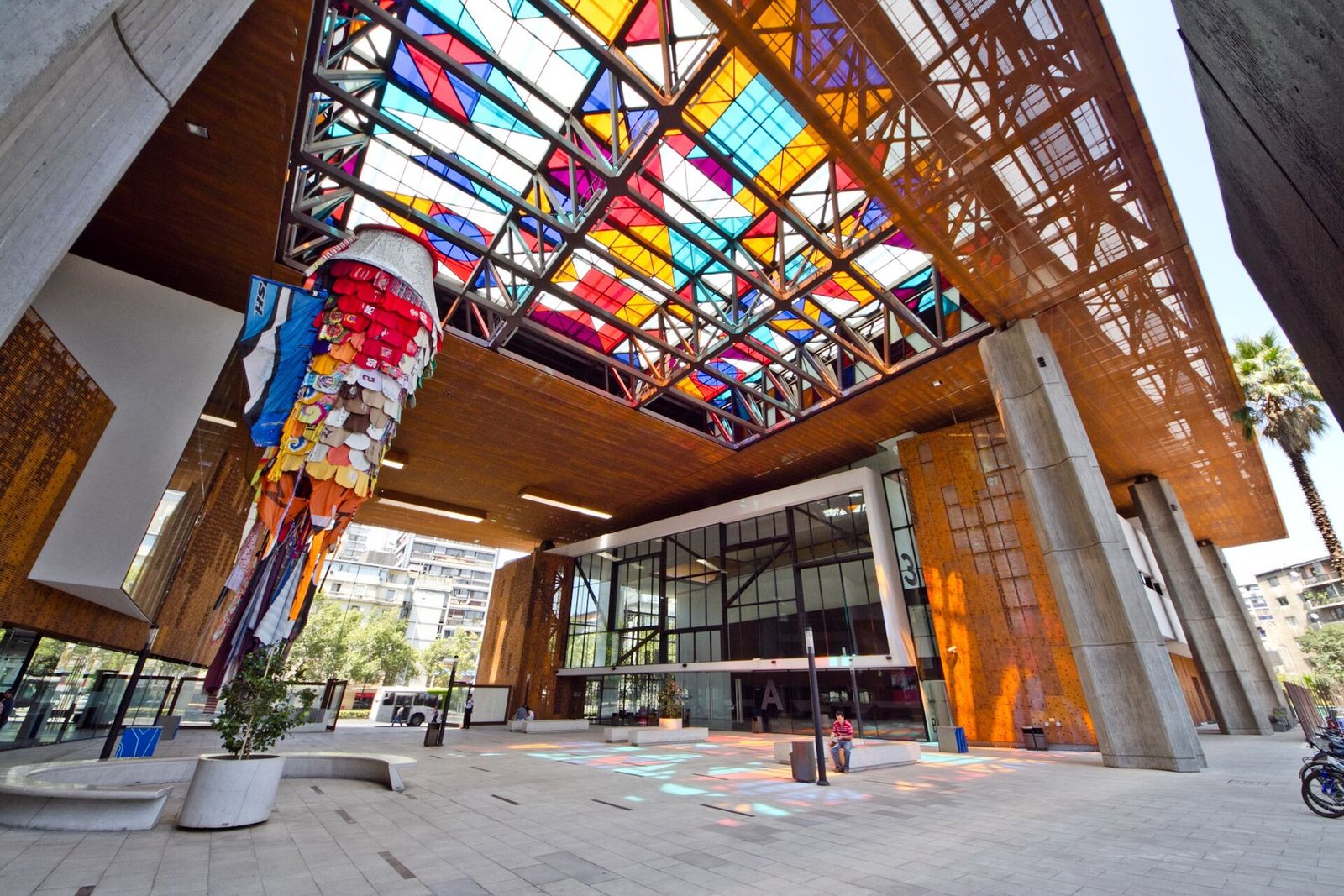
Santiago a Mil is Chile’s largest performing arts festival, held every January across the capital and several other cities. This Santiago a Mil festival guide covers the essentials: the 2026 edition ran from 3 to 25 January with 89 indoor and street productions from 16 countries, headquartered at the GAM cultural center, and the Chilean culture ministry says around 80% of the audience sees it for free.
The 2027 edition will be the 34th. As of September 2026 the festival had opened a presale and confirmed its first shows, but had not published exact dates, the full programme or the venue list (checked September 2026). That timing matters if you are building a trip around it, and this page explains how the festival’s calendar usually unfolds so you can book at the right moment. For everything else happening across the year, see the Santiago events and festivals calendar.
Santiago a Mil at a glance
| Question | Answer |
|---|---|
| What is it | Festival Internacional Teatro a Mil: theatre, dance, circus, music and street performance |
| When | January, every year. The 2026 edition ran 3-25 January |
| 2027 edition | The 34th. Dates unpublished as of September 2026 |
| Scale | 89 productions from 16 countries in 2026 |
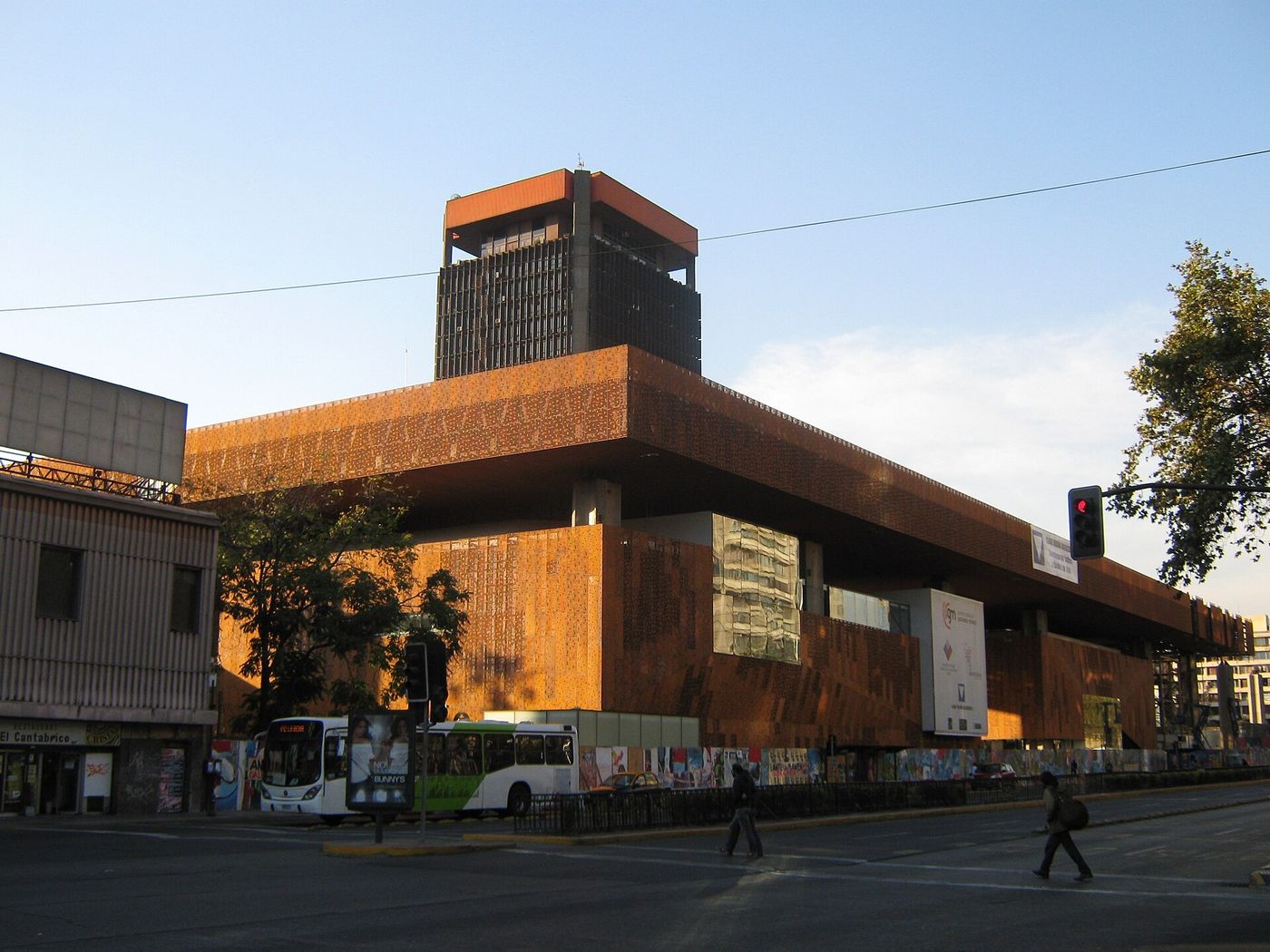
| Headquarters | GAM, Centro Cultural Gabriela Mistral, Alameda 227, Metro Universidad Católica |
| Cost | Much of it free; ticketed shows are inexpensive by international standards |
| Best discounts | Early-purchase windows in October, plus a festival pass |
| Language | Most theatre is in Spanish; dance, circus and street work are not |
| Also runs in | Valparaíso, Antofagasta, Concepción and Iquique |
| Book by | The presale, if you want specific shows; street work needs no booking |
Two things make this festival unusual. The first is the free programme: pasacalles and large-scale street productions that take over plazas and avenues, which is how most Santiaguinos experience it. The second is the timing. January is Santiago’s emptiest month, when locals leave for the coast and neighborhood restaurants close for weeks, and the festival is the main reason to be in the city anyway.
When does Santiago a Mil take place?
Every January. The 2026 edition ran from 3 to 25 January, and recent editions have followed a similar three-week shape in the first half of the month. Announcements and presales open in the spring, around October, with the full programme landing closer to the festival.
That rhythm is the useful part for planning. In 2026 the early-purchase window ran until 22 October of the previous year, with a 50% discount for BancoEstado cardholders and 40% for the general public through the festival’s ticketing partner. For the 2027 edition, teatroamil.cl was already promoting a presale at 30% off and a Festival Pass in September 2026, with the first confirmed shows announced and everything else still to come (checked September 2026).
| Planning stage | Roughly when | What to do |
|---|---|---|
| Presale opens | September to October | Buy a pass or first-announced shows at the deepest discount |
| Programme announced | November to December | Pick specific shows, check languages and venues |
| Festival runs | Early to late January | Free street work needs no booking; popular indoor shows sell out |
| Regional editions | January, overlapping | Valpo a Mil and others if you are traveling beyond Santiago |
If your dates are fixed and the programme is not out yet, book flights and accommodation on the assumption that something will be running in the first three weeks of January, and treat specific shows as a bonus. That has been a safe assumption for more than three decades, though the festival does not guarantee dates until it publishes them.
How much do tickets cost and where do you buy them?
Less than you would expect. The Chilean culture ministry says around 80% of the festival’s audience accesses it free, and the ticketed shows are priced for a local audience rather than an international one. Early-purchase discounts of 40% to 50% have been standard, and a festival pass carries a permanent discount across the programme.
The structure, as it worked for the 2026 edition:
- Free programme. Street shows, pasacalles and large outdoor productions, with no ticket at all. This is the majority of the audience.
- Standard tickets. Sold through the festival’s ticketing partner, which was Ticketplus for the 2026 edition. Platforms have changed between years, so buy through the link on teatroamil.cl rather than searching for a reseller.
- Early-purchase discounts. 50% with BancoEstado cards and 40% for the general public during the 2026 window, which closed on 22 October.
- Festival Pass. A pass that carries a standing discount across the programme, launched again for 2027.
- Concession tickets. Reduced prices for younger and older attendees have been part of recent editions, typically around 20%, alongside heavily discounted access tickets for some shows.
The honest verdict on ticket strategy: the deep discounts are front-loaded, which means the cheapest way to see the ticketed programme requires committing in October to a festival whose details land in December. If you are traveling from abroad and your dates are not certain, skip the presale, plan around the free programme, and buy one or two indoor shows once the schedule is public. You will pay more per ticket and still spend less than a single night at a comparable festival in Europe.
Beware of third-party resellers. Prices on the official platform are low enough that a marked-up ticket is always a bad deal, and the festival publishes its authorized sellers each year.
The free programme is the real festival
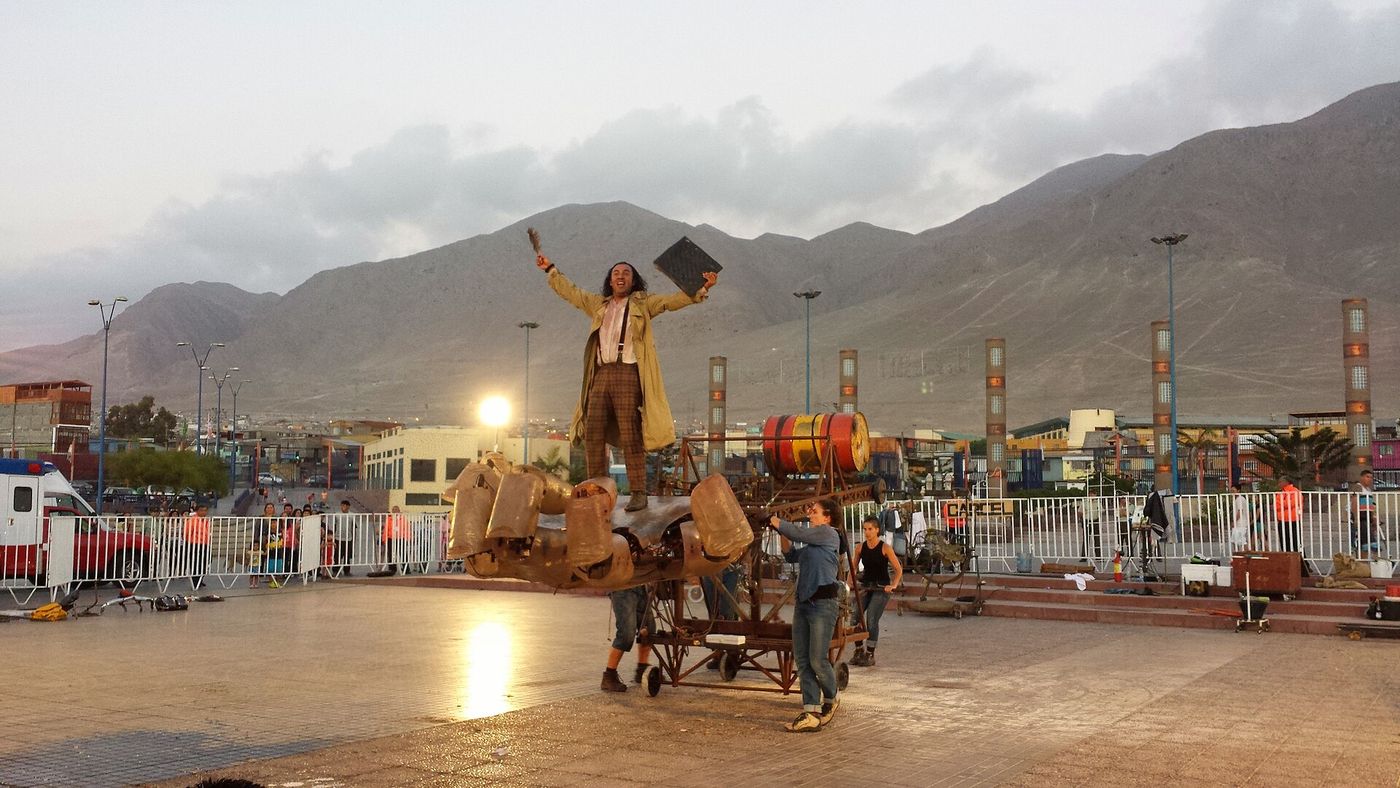
The pasacalles are what people remember. These are large-scale street productions and processions that move through avenues and plazas, often with giant puppets, live music and hundreds of performers, and they are built to be watched by people who did not plan to attend anything. In 2026 the festival ran 89 productions across indoor and street formats, and the street half is where the scale shows.
Practical advice for the free shows:
- Arrive early. Popular pasacalles draw thousands, and sight lines along a street are worse than they look. Thirty minutes ahead of the published start is usually enough.
- Expect delays. Street productions start when they start. Build slack into the evening rather than booking a restaurant immediately afterward.
- Bring water and a hat. January averages 30.2°C, and outdoor performances often begin in late afternoon heat before the light softens.
- Watch your bag. Dense crowds are where phone snatching happens, and the safety guide covers the habits that prevent it.
- Check the venue, not just the show. “Street” can mean a central plaza, a park on the edge of town or a comuna well outside the tourist map. Some of the best-attended productions are staged deliberately far from the center.
The free programme is also the answer to the language question. Physical theatre, circus, dance and processional work need no Spanish at all, which makes the outdoor half of the festival far more accessible to visitors than the indoor half.
What is actually on the programme?
Five broad categories, and knowing which is which decides how much of the festival you can use. The 2026 edition carried 89 productions from 16 countries across Europe, Asia and the Americas, split between indoor work and street work, with Chilean companies making up a substantial share of both.
| Category | What it looks like | Language barrier | Ticket |
|---|---|---|---|
| Teatro de sala | Indoor theatre in established and independent venues | High, mostly Spanish | Ticketed |
| Pasacalles and street theatre | Processions, giant figures, outdoor spectacle | None | Free |
| Dance and physical theatre | Contemporary dance, movement work | None | Mixed |
| Circus and family shows | Contemporary circus, clowning, puppetry | Low | Mixed |
| Music and concerts | Chilean and international acts, often outdoors | None | Mixed |
The international touring work is the part most international visitors ask about, and it is real: companies from Europe and Asia appear every year, and some perform in their own languages with Spanish surtitles, which does not help an English speaker either. The reliable non-Spanish options are dance, circus and street work, which together make up a large share of the programme.
Chilean theatre is worth trying even with imperfect Spanish, though. The tradition here is physical, political and loud, shaped by companies that spent the dictatorship years performing in the street because the theatres were closed to them. Productions often carry their meaning in staging and movement as much as in dialogue.
One practical filter: the festival’s programme listings mark language, duration and age suitability for each production. Check those three fields before booking anything, because a three-hour Spanish-language piece is a long evening if you are following 30% of it.
Where the festival came from
The name explains the idea. “Teatro a Mil” refers to the thousand-peso tickets of the early editions, a deliberately low price meant to put theatre in front of audiences who had never bought a ticket for it. The 2026 edition was the 33rd, which puts the first in 1994, four years after Chile’s return to democracy.
That context still shapes the festival. Chilean theatre in the 1980s had been pushed into the street and into community halls, and companies such as Gran Circo Teatro, led by the director Andres Perez, built a physical, popular style of performance designed for public squares rather than proscenium stages. The festival grew out of that tradition and kept its priorities: keep prices low, put the biggest productions outdoors, and take the programme to comunas and cities that rarely see international work.
The scale now is national. The Chilean culture ministry counts more than 14 million spectators across the festival’s history, and parallel editions run in Valparaiso, Antofagasta, Concepcion and Iquique. The 2026 theme, “SI IMPORTA”, ran across the programme, and the Fundacion Teatro a Mil that organizes it now works year-round rather than only in January.
For a visitor, the useful consequence of that history is simple: the free programme is not a marketing add-on. It is the original point of the festival, and it is where the largest productions and the biggest audiences still are.
Where the festival happens
GAM, the Centro Cultural Gabriela Mistral on the Alameda, is the festival’s headquarters and the one address worth knowing. It sits directly above Metro Universidad Católica on Line 1, its public plazas are open daily from 09:00 to 21:00, and during the festival it functions as the information point, box office and performance venue at once.
Beyond GAM, the festival spreads across the city’s cultural infrastructure and well past it:
| Type of venue | Examples | What tends to be staged there |
|---|---|---|
| Festival headquarters | GAM on the Alameda | Box office, information, indoor productions |
| Major theatres | Central and eastern comunas | International touring work, larger productions |
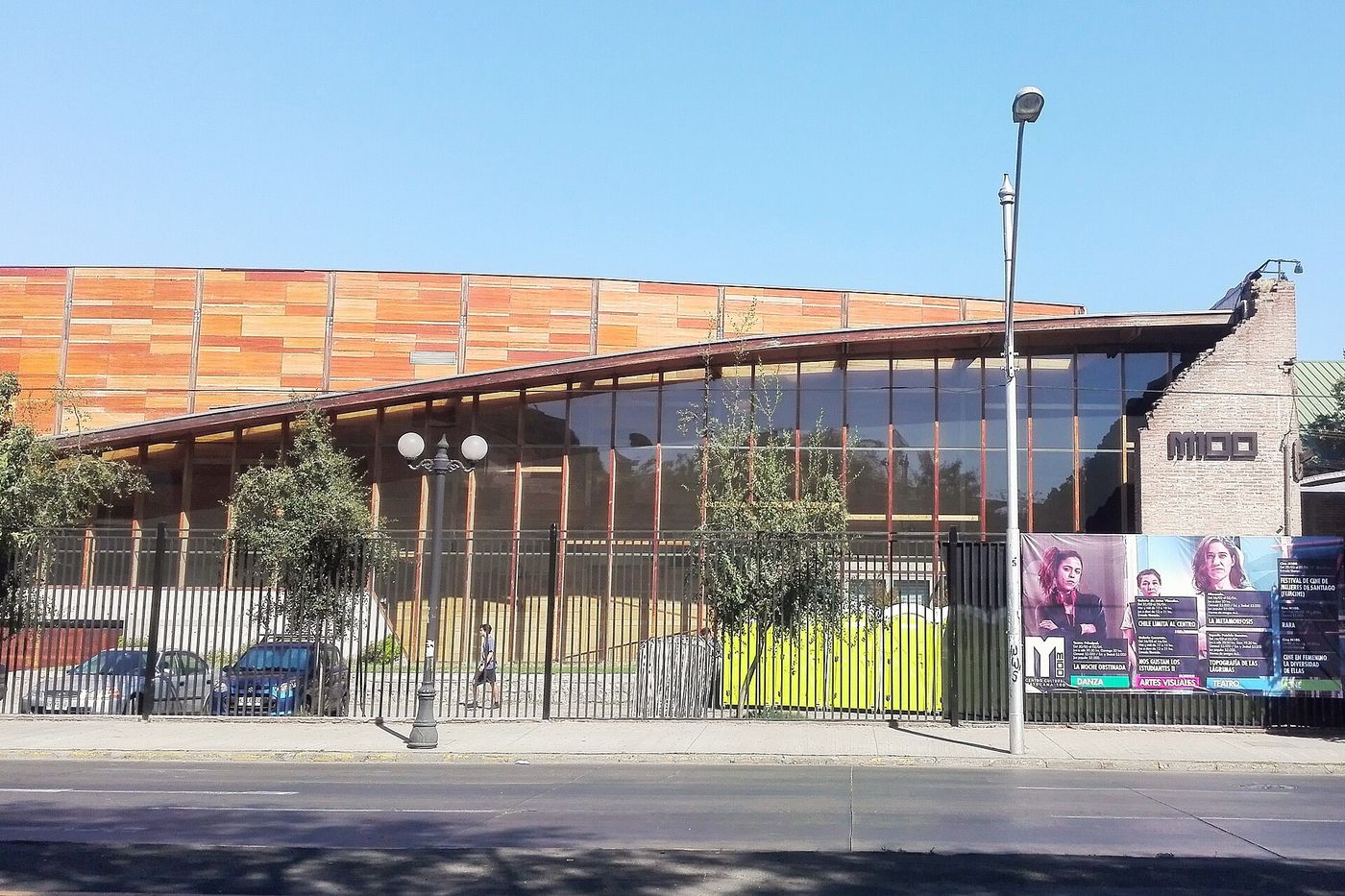
| Independent spaces | Barrio Brasil, Matucana, Ñuñoa | Chilean companies, experimental work |
| Plazas and parks | Across many comunas | Pasacalles, circus, large-scale free shows |
| Regional editions | Valparaíso, Antofagasta, Concepción, Iquique | Touring versions of the Santiago programme |
That spread is deliberate. The festival was built to push performance out of the traditional theatre district, and a meaningful share of the programme happens in comunas that visitors otherwise never see. If you are heading somewhere unfamiliar for a show, check the route in advance; the getting around guide explains how the Metro and RED buses connect, and Metro de Santiago has run a promotional campaign with the festival in recent editions.
Is Santiago a Mil worth planning a trip around?
For most international visitors, no. It is worth planning a January trip around rather than planning a trip for. The free street programme is genuinely world-class and costs nothing, but a large share of the ticketed theatre is performed in Spanish without surtitles, which limits how much of the programme a non-Spanish speaker can use.
The honest breakdown:
- Go for it if you speak Spanish, you follow contemporary theatre, or you want a January trip with a reason to be in the city while everyone else is at the beach.
- Do not build a trip around it if your Spanish is weak and you expect the international touring work to be the bulk of what you can attend. It is a real part of the programme, but it is not the majority.
- Either way, if you are in Santiago in January, check what is on. The chance of stumbling into a free production two blocks from your accommodation is high.
Compared with the city’s other event anchors, the festival occupies a particular niche. Lollapalooza Chile in March is a bigger commercial draw and much easier to plan around, because its dates and line-up are published months ahead. Fiestas Patrias in September is the deepest cultural experience of the Chilean year and simultaneously the worst time to attempt ordinary sightseeing, since nearly everything closes on 18 and 19 September. Santiago a Mil sits between them: culturally serious, easy to attend by accident, and impossible to plan precisely more than a few weeks out. The events and festivals calendar lays out how the year fits together.
There is a second, quieter argument for a January visit. The city empties, which means shorter museum queues, an easier Metro and available tables at restaurants that are otherwise booked, offset by the neighborhood places that close entirely for the month. The weather by month guide covers what a 30°C January actually feels like, and the travel styles guide covers how that month suits different kinds of trips.
Planning a festival day: heat, timing and transport
January days in Santiago run hot and long. Averages reach 30.2°C by mid-afternoon and fall to 12.4°C overnight, and the practical consequence is that nothing outdoors is comfortable between roughly 13:00 and 17:00. Festival programming reflects that, with outdoor work weighted toward evening.
A day that works:
- Morning, 09:00-12:00. Sightseeing while the air is still cool. Museums, the centro, a hill before the sun is overhead.
- Midday, 13:00-16:00. Lunch and shade. This is the menú del día window, when restaurants serve a fixed lunch at a fraction of dinner prices.
- Late afternoon, 17:00-19:00. Travel to the venue. Allow more time than the map suggests if the show is outside the central comunas.
- Evening, 19:00-22:00. The performance. Outdoor work often starts as the light drops.
- After, 22:00 onward. Dinner. Santiago eats late in summer anyway, and the Metro runs until 23:00, so plan the ride home or budget for a taxi.
Two logistics notes specific to this festival. Venues outside the center can be a genuine trek at night, so check the return journey before you commit to a distant show. And indoor venues vary enormously in comfort and accessibility, from GAM’s modern halls to small independent spaces with steps and no lift. Anyone with mobility needs should confirm with the venue directly; the accessible Santiago guide covers the general picture of what the city’s cultural spaces offer.
What else is on in Santiago in January
The festival does not run in isolation. January is the heart of the Chilean summer, and the city’s cultural calendar, its parks and its hills are all in season at the same time. Anyone in town for Santiago a Mil should know what else is available on the days the programme is thin.
- The Parque Metropolitano is at its best in the early morning and evening. The teleférico runs Tuesday to Sunday 10:00 to 19:45 and is closed Monday, with a return trip from CLP 2,630 (about USD 2.75, checked September 2026).
- La Chascona, Neruda’s Bellavista house, extends its hours to 19:00 through January and February, at CLP 11,000 (about USD 11.60).
- Museums stay open and quiet. Most close on Monday, which is the single most common January planning mistake. The museums and culture guide has the full list.
- Day trips get better. The coast at Valparaíso and Viña del Mar is the standard escape from the heat, and the wine valleys are in full growing season. The day trips guide covers the routes.
- Nightlife shifts outdoors. Terraces, rooftops and Bellavista’s streets are the summer default, covered in the nightlife guide.
If your January dates are flexible, the first week tends to be quieter for accommodation than the middle of the month, and the city refills as schools go back at the end of February.
A three-day festival itinerary
If you have three days in Santiago during the festival, this is the shape that works, balancing the programme against the heat and the city’s January rhythm.
Day one: the centre and one show. Start at GAM in the morning to pick up a programme and see what has been added. Walk the Lastarria and Bellas Artes blocks alongside it, both full of cafes and small galleries. Take the afternoon indoors, then attend an early-evening performance at or near GAM. Eat afterward in Lastarria, which stays open late.
Day two: a hill and a pasacalle. Go up Cerro San Cristobal early, before the heat. The teleferico runs Tuesday to Sunday 10:00 to 19:45, closed Monday, from CLP 2,630 return (about USD 2.75, checked September 2026). Spend the middle of the day in a museum, most of which close on Monday but open Tuesday to Sunday. Then take a free street production in the late afternoon or evening, arriving 30 minutes early.
Day three: a comuna you would not otherwise visit. Pick a production staged outside the central circuit, in Matucana, Nunoa, Quinta Normal or further out. Build the day around it: the Museo de la Memoria near Quinta Normal is free, Barrio Brasil and Yungay are good for lunch, and the trip itself is the point. Return by Metro before it closes at 23:00, or budget for a taxi.
That plan leaves the fourth and fifth days, if you have them, for a Cajon del Maipo or Valparaiso trip, both covered in the day trips guide. If you would rather build the whole week out properly, the itineraries pillar has three, five and seven-day versions of the city.
Going with children, and eating around the venues
The festival programmes deliberately for families, and the free street work is the easiest cultural experience in the city to attend with children: no tickets, no silence rule, no fixed seats. Circus, puppetry and processional shows carry across any language gap, and Chilean audiences bring children to evening performances as a matter of course.
Two cautions. Outdoor shows in January often start in the late afternoon when it is still above 30°C, so water, hats and a shaded waiting spot matter more than arriving early. And crowd density at the big pasacalles is genuinely high, so agree a meeting point before you separate. The Santiago with kids guide covers the rest of the city’s family logistics, including the zoo’s advance booking rule.
On eating: plan it, because January is the month when neighborhood restaurants close for the summer. Around GAM, the Lastarria and Bellas Artes blocks stay open and stay busy, which makes them the safest bet after an evening show. Near Matucana and Quinta Normal, Barrio Brasil and Yungay have the better options. In the eastern comunas, Providencia and Nunoa carry the late trade. Chilean dinner starts at 21:00 and kitchens often run to midnight, so a 22:30 table after a show is normal rather than ambitious. The food and restaurants guide covers the neighborhoods in detail.
The regional editions: Valpo a Mil and beyond
The festival tours. In recent editions it has run parallel versions in Valparaíso (Valpo a Mil), Antofagasta (Antof a Mil), Concepción (Conce a Mil) and Iquique (Iquique a Mil), sharing productions from the Santiago programme with local programming added.
For visitors, the Valparaíso edition is the one that matters most, because the city sits 1.5 to 2 hours from Santiago by frequent bus from Terminal Pajaritos or Alameda, at roughly CLP 4,900 to 6,180 one way. Seeing a production in Valparaíso’s hillside setting is a genuinely different experience from seeing the same company in a Santiago theatre, and it turns a day trip into an evening.
The practical caution is the return journey. Buses run late but not all night, and the walk back to a Valparaíso hostel involves hills and stairs that are best not attempted alone at 02:00. If a late show is part of the plan, stay over rather than trying to get back to Santiago the same night.
The last edition, in numbers
The 2026 festival is the best available benchmark for what 2027 will look like, since the shape has been consistent for years. These figures come from the Chilean culture ministry’s launch announcement.
| Measure | 2026 edition |
|---|---|
| Dates | 3 to 25 January 2026 |
| Edition | 33rd |
| Productions | 89, indoor and street |
| Countries represented | 16, across Europe, Asia and the Americas |
| Share of audience attending free | Around 80% |
| Headquarters | GAM, Centro Cultural Gabriela Mistral |
| Parallel editions | Antofagasta, Valparaiso, Concepcion, Iquique |
| Theme | “SI IMPORTA” |
| Cumulative audience since 1994 | More than 14 million |
Read that table as a forecast rather than a promise. The 2027 edition will have its own dates, its own theme and its own programme, and none of that was published when this page was written in September 2026. What has held steady across three decades is the January window, the free street programme, the GAM headquarters and the low ticket prices.
Where to stay, and what a festival week costs
Stay central. The festival spreads across the city, but its headquarters, its information point and a large share of its indoor programme sit within walking distance of the Alameda between Metro Universidad Catolica and Metro Baquedano. Basing yourself in Lastarria, Bellas Artes or Barrio Brasil removes most late-night transport decisions, which matters when shows finish close to the Metro’s 23:00 closing time.
| Base | Walk to GAM | Suits |
|---|---|---|
| Lastarria and Bellas Artes | 5 to 15 minutes | Couples, anyone attending several indoor shows |
| Barrio Brasil and Yungay | Metro, 10 minutes | Budget travellers, Matucana-area venues |
| Bellavista | 15 to 20 minutes | Late nights, younger travellers |
| Providencia | Metro, 10 minutes | Quiet, easy, good restaurant supply in January |
| Las Condes and El Golf | Metro, 20 to 25 minutes | Business trips, families wanting space |
January is high season for accommodation despite the city emptying of locals, because the coast fills and Santiago catches the overflow. Book earlier than you would for October. The where to stay guide compares the neighborhoods properly, including what each one costs.
On budget, a festival-heavy week is cheap by the standards of any comparable European or North American arts festival. The free programme costs nothing, the Metro costs under a dollar a ride, and the ticketed shows are priced for Chileans rather than for visitors.
| Line item | Cost (checked September 2026) | Notes |
|---|---|---|
| Street performances | Free | The majority of the programme |
| Metro ride, off-peak | CLP 735 to 815 | Peak 07:00-08:59 and 18:00-19:59 is CLP 895 |
| bip! card | CLP 1,550 | Needed for RED buses; the Metro takes contactless bank cards |
| Teleferico return | From CLP 2,630 | Closed Monday |
| La Chascona | CLP 11,000 | Open to 19:00 in January and February |
| Museo de la Memoria | Free | Closed Monday |
| Indoor festival ticket | Varies by production | Early-purchase windows cut 40% to 50% |
Converted at CLP 950 to USD 1, a day of transport, one free show and a museum comes to a handful of dollars. The real cost of a January trip here is accommodation and the flights, not the festival. The trip cost guide breaks the rest of it down.
Accessibility, safety and the small print
GAM is the most accessible of the main venues, with step-free access and lifts, and the newer Metro lines that serve the center have lifts at most stations. Older independent theatres, converted warehouses and street venues vary widely, and the festival does not standardize accessibility information across every space.
A short list of practical cautions:
- Confirm accessibility with the venue, not the festival, before booking a show that matters to you.
- Street shows have no seating. Standing for 60 to 90 minutes in summer heat is the norm, so arrive early if you need a wall or a step.
- Crowds concentrate valuables. Keep a bag zipped and in front of you, and avoid carrying a phone loose in the hand in dense crowds.
- Check the closing date each year. Nothing about the January window is guaranteed until the festival publishes it, and the 2027 dates were still unpublished in September 2026.
- Public holidays. 1 January closes almost everything in the city, so the first day or two of any January trip should assume reduced services.
For where to base yourself during the festival, central neighborhoods within walking distance of GAM, such as Lastarria and Bellas Artes, save the most time, and the where to stay guide compares them against the quieter alternatives. The full year of Chilean festivals, including Fiestas Patrias in September and Lollapalooza in March, sits on the events and festivals pillar.
If your dates miss January entirely
Santiago’s performing arts scene does not switch off for the other eleven months, and the same organization that runs the festival programmes year-round. If you land in May or October, the city still has more live performance than most capitals its size.
Where to look, in order of usefulness:
- GAM keeps a full programme outside the festival, and its public plazas are open daily from 09:00 to 21:00 even when nothing is staged.
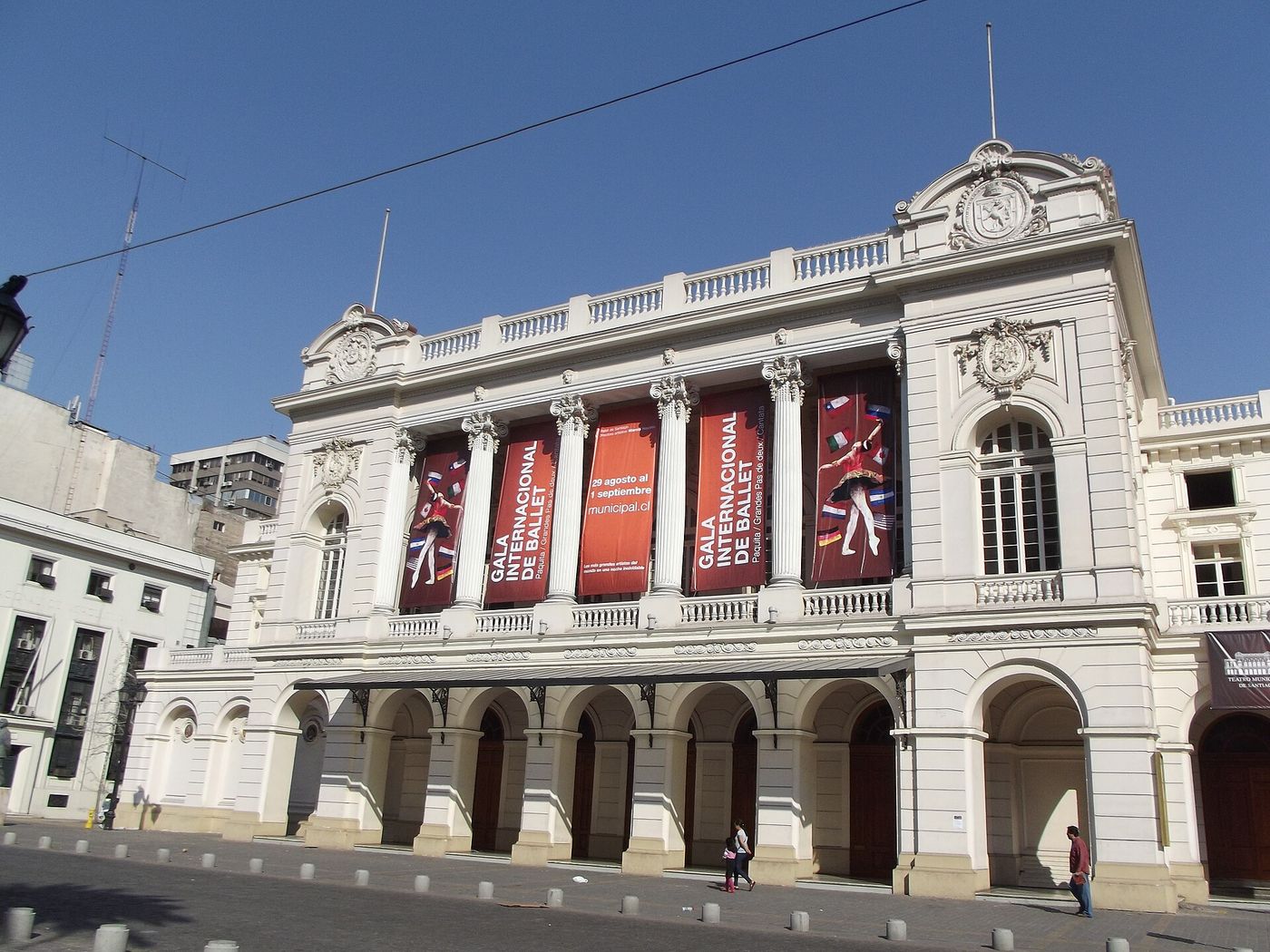
- Teatro Municipal de Santiago runs a formal opera, ballet and concert season through most of the year, with tickets that are inexpensive by European standards.
- Matucana 100 and the independent spaces in Barrio Brasil and Nunoa carry contemporary Chilean work all year.
- Free municipal programming appears in the central plazas and parks, especially in spring and summer.
- The wider festival calendar, from Lollapalooza in March to the wine harvest festivals in the Maipo Valley, fills the rest of the year.
The one thing to check whichever month you arrive is the Monday rule. The galleries at GAM and the Centro Cultural La Moneda, and nearly every museum in the city, close on Monday, which quietly removes a day from a short trip. The museums and culture guide lists which institutions break that pattern, and the things to do round-up covers what fills a Monday instead.
Frequently asked questions
When is Santiago a Mil 2027?
The 34th edition falls in January 2027, but exact dates had not been published as of September 2026. The 2026 edition ran 3 to 25 January, and recent editions have kept to a similar three-week window. Watch teatroamil.cl, which opened a 2027 presale before announcing the schedule.
Is Santiago a Mil free?
Much of it is. The Chilean culture ministry says around 80% of the festival’s audience accesses it free, through street shows, pasacalles and large outdoor productions. Indoor productions are ticketed but inexpensive, with early-purchase discounts of 40% to 50% in recent years and a discounted festival pass.
Do I need Spanish to enjoy the festival?
Not for the street programme. Pasacalles, circus, dance and physical theatre work in any language, and that is where most of the audience is. Indoor theatre is mainly in Spanish, often without surtitles, so check each production’s language before booking if your Spanish is limited.
Where is the festival based?
GAM, the Centro Cultural Gabriela Mistral at Alameda 227, is the headquarters, directly above Metro Universidad Católica on Line 1. Performances spread across theatres, independent venues, plazas and parks throughout the city, and parallel editions run in Valparaíso, Antofagasta, Concepción and Iquique.
How far in advance should I book?
For specific indoor shows, as soon as the programme is published, which is usually December. For the best prices, the October presale, though that means committing before the schedule exists. For street performances, no booking at all; turn up 30 minutes early instead.
Can I see anything if I only have one evening in Santiago in January?
Very likely. The free street programme runs most days of the festival, often in more than one comuna, and it requires no booking. Check the day’s listings on teatroamil.cl in the morning, pick whichever production is closest to your accommodation, and arrive 30 minutes early.
Why is it called Teatro a Mil?
Because the early editions sold tickets for a thousand pesos. The name stuck even as the festival grew into Chile’s largest performing arts event, and the philosophy behind it did too: keep prices low and put the biggest productions in the street, where nobody needs a ticket at all.
Does the festival run outside Santiago?
Yes. Recent editions have run parallel programmes in Valparaiso, Antofagasta, Concepcion and Iquique, sharing productions with the Santiago schedule. Valparaiso is the practical option for visitors, 1.5 to 2 hours away by frequent bus, though a late show there is better paired with a night in the city.
Is January a good time to visit Santiago for the festival?
It is the hottest and emptiest month, which cuts both ways. Expect 30°C afternoons, shorter museum queues, an easy Metro and a number of neighborhood restaurants closed for the holidays. The festival is the strongest single reason to be in the city rather than at the coast in January.
The festival is only part of what January offers, and the rest of the month has its own rhythm: quiet museums, an easy Metro, long evenings and a large share of the neighborhood restaurants closed for the holidays. Our guide to Santiago Chile in January covers what else is open, what a week costs, and which day trips make sense when the city is at 30C.
The other end of the Santiago festival calendar is commercial rather than civic. Lollapalooza Chile runs at Parque O’Higgins every March, publishes its dates a year ahead and sells three-day passes from around CLP 242,000, which makes it far easier to plan around than a January programme that lands in December. Our Lollapalooza Chile visitor guide covers the tiers, the site and the getting-home question.
January is the peak of a season that starts in December and runs through the March harvest. If your dates sit either side of the festival, our guide to Santiago summer events covers the rest of it: the Christmas and New Year closures, February’s move to the coast, Lollapalooza in March and the free park programme that runs all summer.
Sources
- Fundación Teatro a Mil: official festival site
- Ministerio de las Culturas, las Artes y el Patrimonio: launch of the 33rd Teatro a Mil
- Metro de Santiago: Metro te lleva al Teatro campaign
- GAM: Centro Cultural Gabriela Mistral
- Metro de Santiago: fares and hours
- Teleférico Santiago
- Fundación Neruda: La Chascona
- Visit Santiago: official visitor site
- Santiago Turismo: municipal visitor information
- Dirección Meteorológica de Chile: climate normals, Santiago Pudahuel
- UK FCDO travel advice: Chile safety and security
Image credits
| Photo | Credit |
|---|---|
| GAM, Centro Cultural Gabriela Mistral (top of page) | Rodrigo Pizarro from Santiago, Chile, CC BY-SA 2.0, via Wikimedia Commons |
| GAM from the Alameda | Penarc, CC BY-SA 3.0, via Wikimedia Commons |
| Chilean street theatre | Marcos Escalier T., CC BY-SA 2.0, via Wikimedia Commons |
| Centro Cultural Matucana 100 | Warko, CC BY-SA 4.0, via Wikimedia Commons |
| Teatro Municipal de Santiago | Jaime Soto Ceura, CC BY-SA 3.0, via Wikimedia Commons |
| A performance at GAM | Gobierno de Chile, CC BY 2.0, via Wikimedia Commons |
| Live music at Matucana 100 | Aeveraal, CC BY-SA 4.0, via Wikimedia Commons |