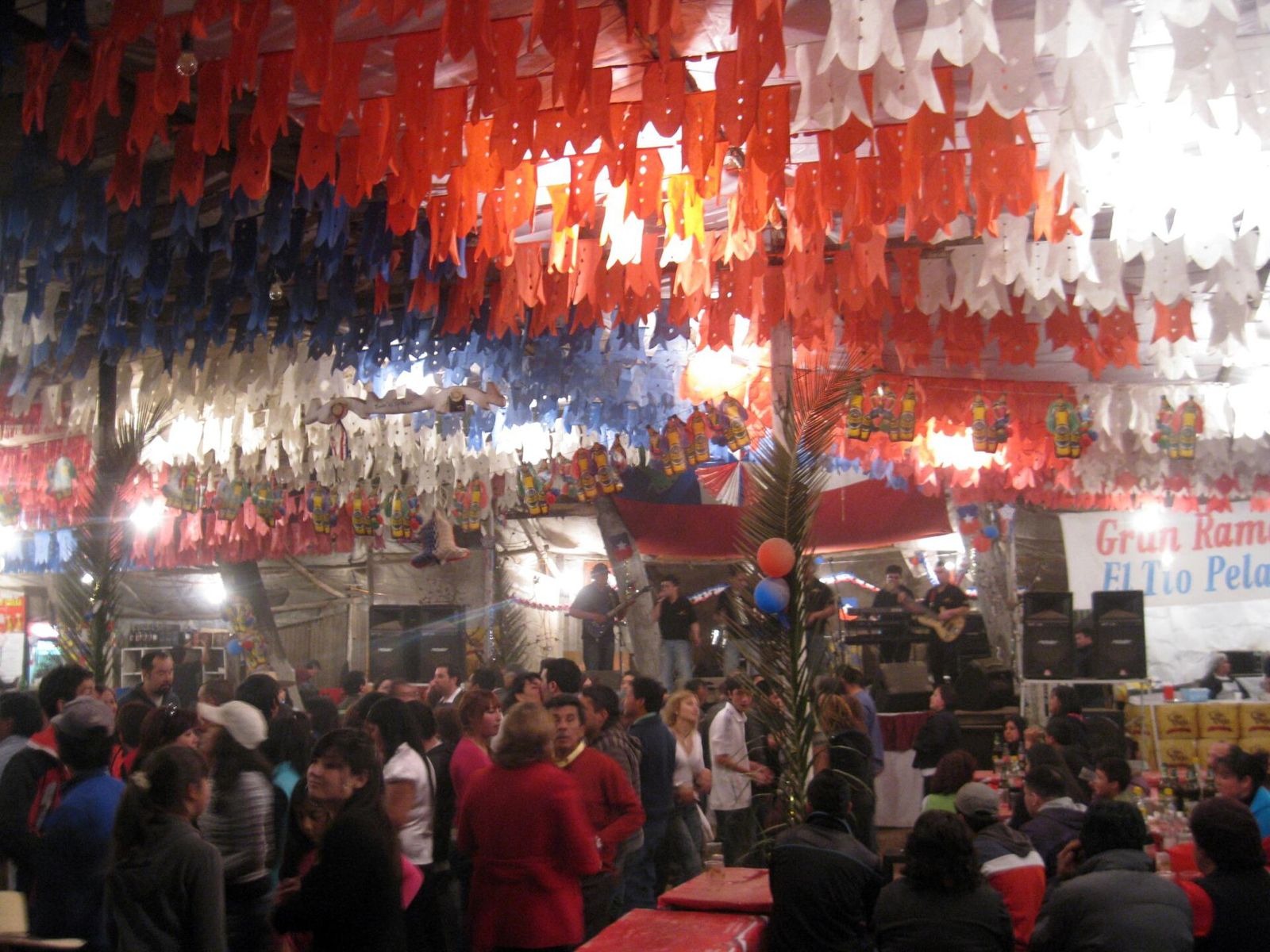
Planning around Santiago Chile events and festivals matters more here than in most capitals, because two dates in September close almost the entire city and one weekend in March fills every hotel in it. The calendar has a clear shape: theatre in January, music in March, wine at harvest, a national shutdown in September, and a long quiet stretch through the winter when the mountains take over. This guide goes month by month, with what closes, what to book, and which dates to avoid entirely.
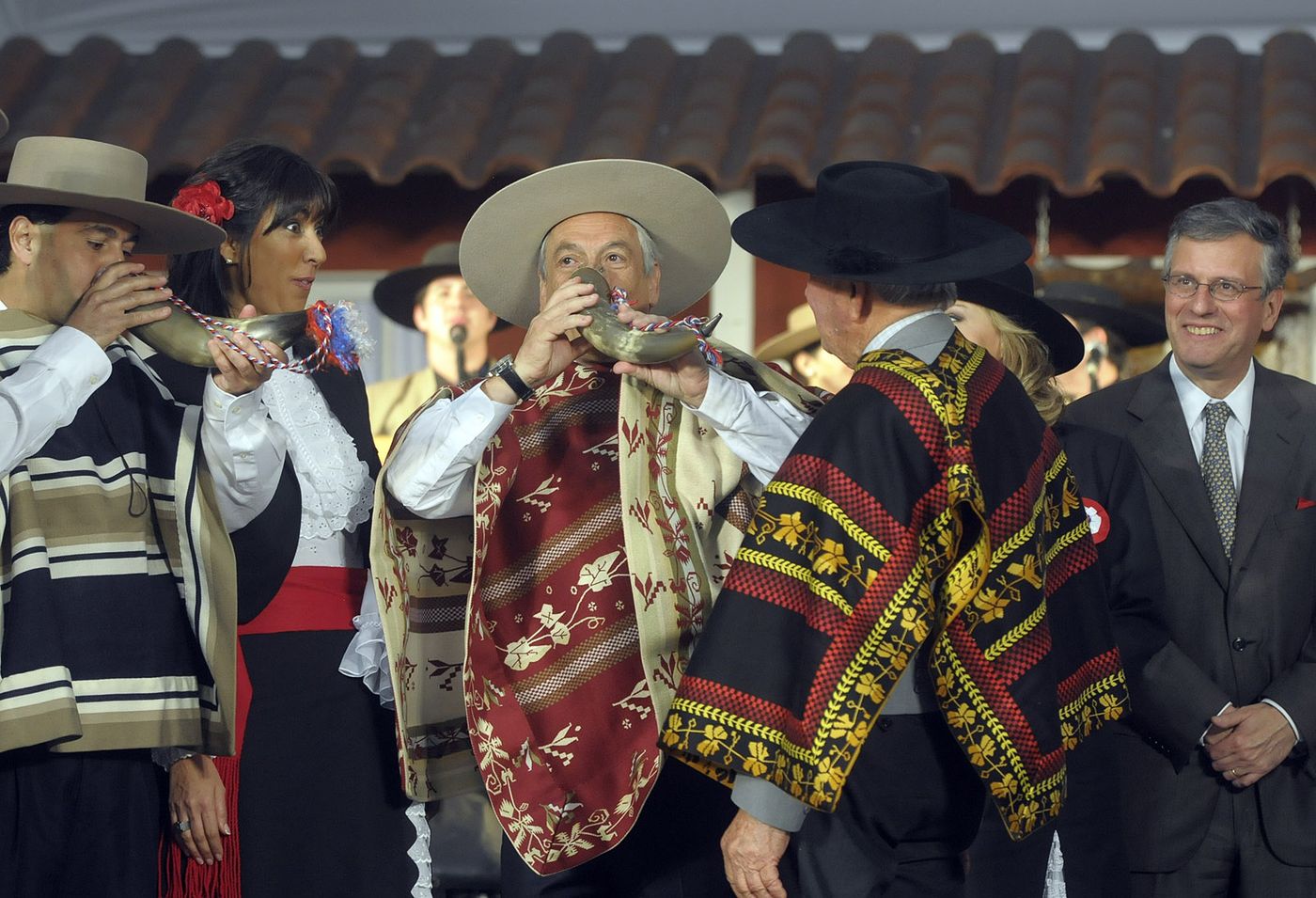
The year at a glance
| Month | What is on | Book ahead? | City impact |
|---|---|---|---|
| January | Festival Internacional Teatro a Mil (Santiago a Mil) | Yes, weeks ahead | Hot; locals leaving for the coast |
| February | Very little in the city | No | Quietest month; some restaurants closed |
| March | Lollapalooza Chile; vendimia harvest festivals | Yes, months ahead | Hotels full around Lollapalooza |
| April | Autumn; nothing major | No | Best month to visit, few events |
| May | Día de los Patrimonios; 1 and 21 May holidays | No | Two closure days; protest risk on 1 May |
| June | Ski season opens; We Tripantu; 20 and 29 June holidays | Ski yes, rest no | Winter begins; mountain prices rise |
| July | Winter school holidays; 16 July holiday | Ski yes | Busiest ski weeks; quiet city |
| August | 15 August holiday | No | Cheapest month in the city |
| September | Fiestas Patrias, 18–19; Parada Militar | Yes, months ahead | Near-total closure for two days |
| October | Spring; 12 and 31 October holidays | No | Excellent weather, few events |
| November | Feria del Libro; 1 November holiday | No | Spring, outdoor season starts |
| December | 8 and 25 December holidays; summer begins | No | Quiet until the 20th, then holidays |
If you only remember two things: avoid 18–19 September unless you specifically want Fiestas Patrias, and book accommodation months ahead if your dates touch Lollapalooza in March.
What is the biggest festival in Santiago?
Fiestas Patrias, on 18 and 19 September, which is a national holiday rather than a festival in the ticketed sense. The largest ticketed event is Lollapalooza Chile in March, which draws crowds into Parque O’Higgins over three days. The largest arts event is the Festival Internacional Teatro a Mil in January.
Those three shape the calendar and everything else fits around them. The rest of the year, Santiago runs on a steady programme of concerts at the Movistar Arena, the Teatro Municipal season, and neighbourhood-scale events that are worth catching if you happen to be here rather than worth planning around.
January: Teatro a Mil and an emptying city
Festival Internacional Teatro a Mil, still widely called Santiago a Mil, is Chile’s largest arts festival: international and Chilean theatre, dance and music across venues throughout the city, plus large free outdoor productions that fill public squares. The 2027 edition is the 34th. It runs in January, and as of September 2026 the organisers had opened a presale at 30% off but had not published the full 2027 dates or programme — they typically appear in the preceding spring at teatroamil.cl.
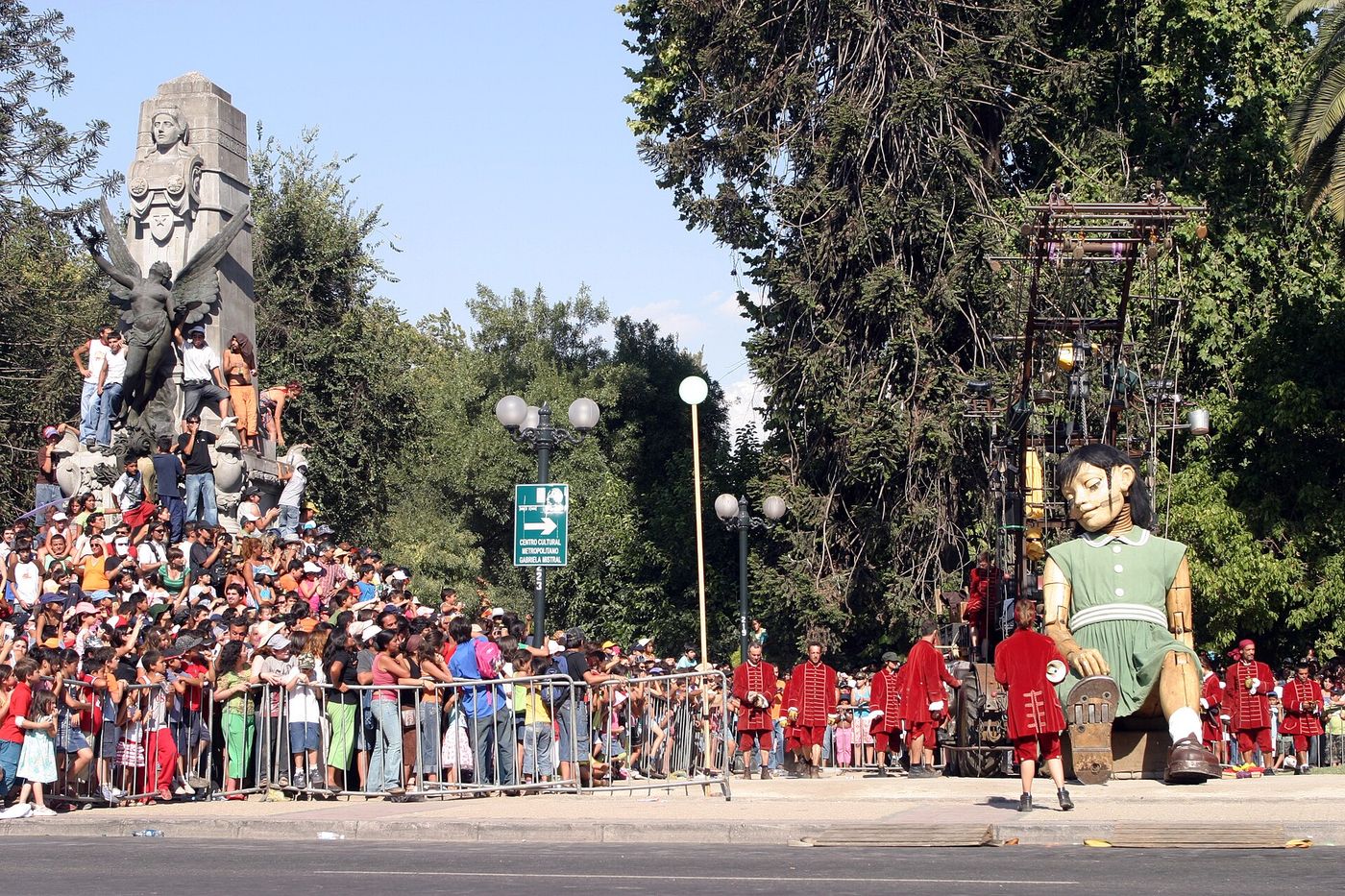
How to plan around it. If theatre matters to you, this is the best month to be here and the one time the city’s cultural programme punches above its weight internationally. Book tickets as soon as the programme drops; the international productions sell out. The free outdoor performances need no ticket and are the most memorable part for most visitors.
The rest of January. It is the height of summer, with average maximums around 30 °C and essentially no rain, and the city gradually empties as Chileans head for the coast. Restaurants stay open, museums stay open, and the parks are hot. 1 January is a public holiday and almost everything shuts.
Accommodation is at its most expensive in January and February. This is the peak.
February: the quiet month
Almost nothing happens in Santiago in February, and that is the point. Chileans take their annual holidays, a noticeable number of restaurants and small businesses close for two or three weeks, and the city is emptier than at any other time of year.
What this means for a visitor. Hot, quiet, and uncrowded at the major sights. Less choice in restaurants. The national event of the month — the Festival de Viña del Mar, Latin America’s largest song festival — happens on the coast rather than in Santiago, and pushes prices in Viña del Mar and Valparaíso up sharply for its week.
Worth doing instead. The mountains, which are at their most accessible: Embalse El Yeso, Monumento Natural El Morado and the high Cajón del Maipo are all open and the roads are clear. Our Andes and outdoors guide covers what is reachable.
March: Lollapalooza and the harvest
The busiest event month of the year, and the one most likely to affect your booking.
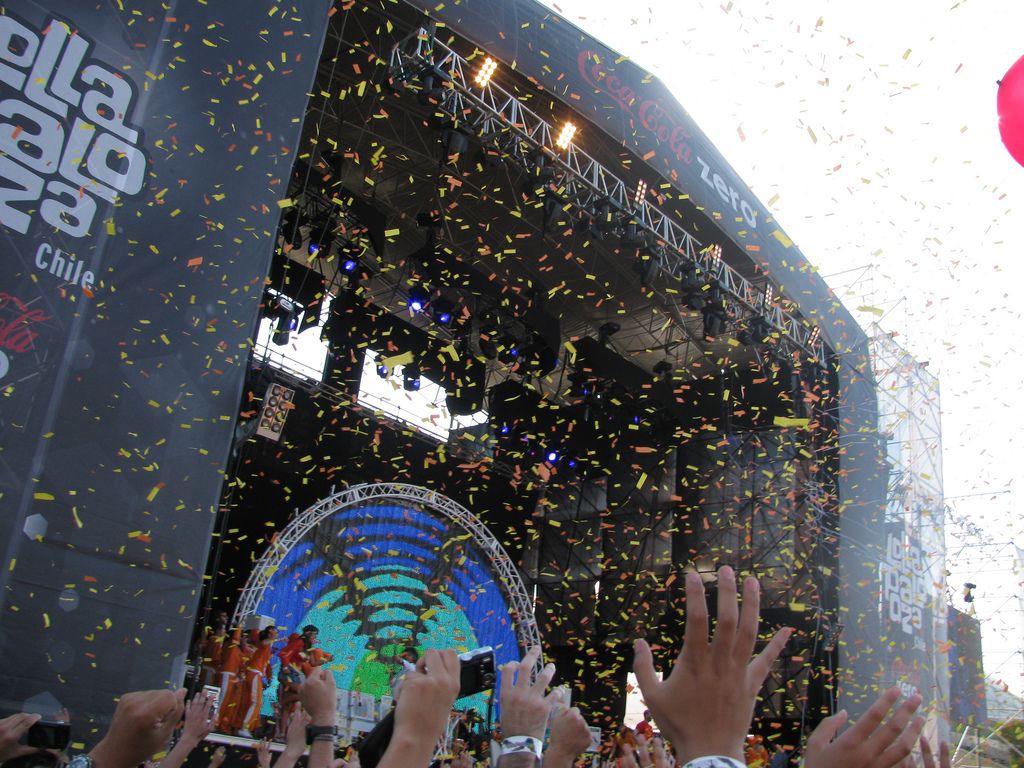
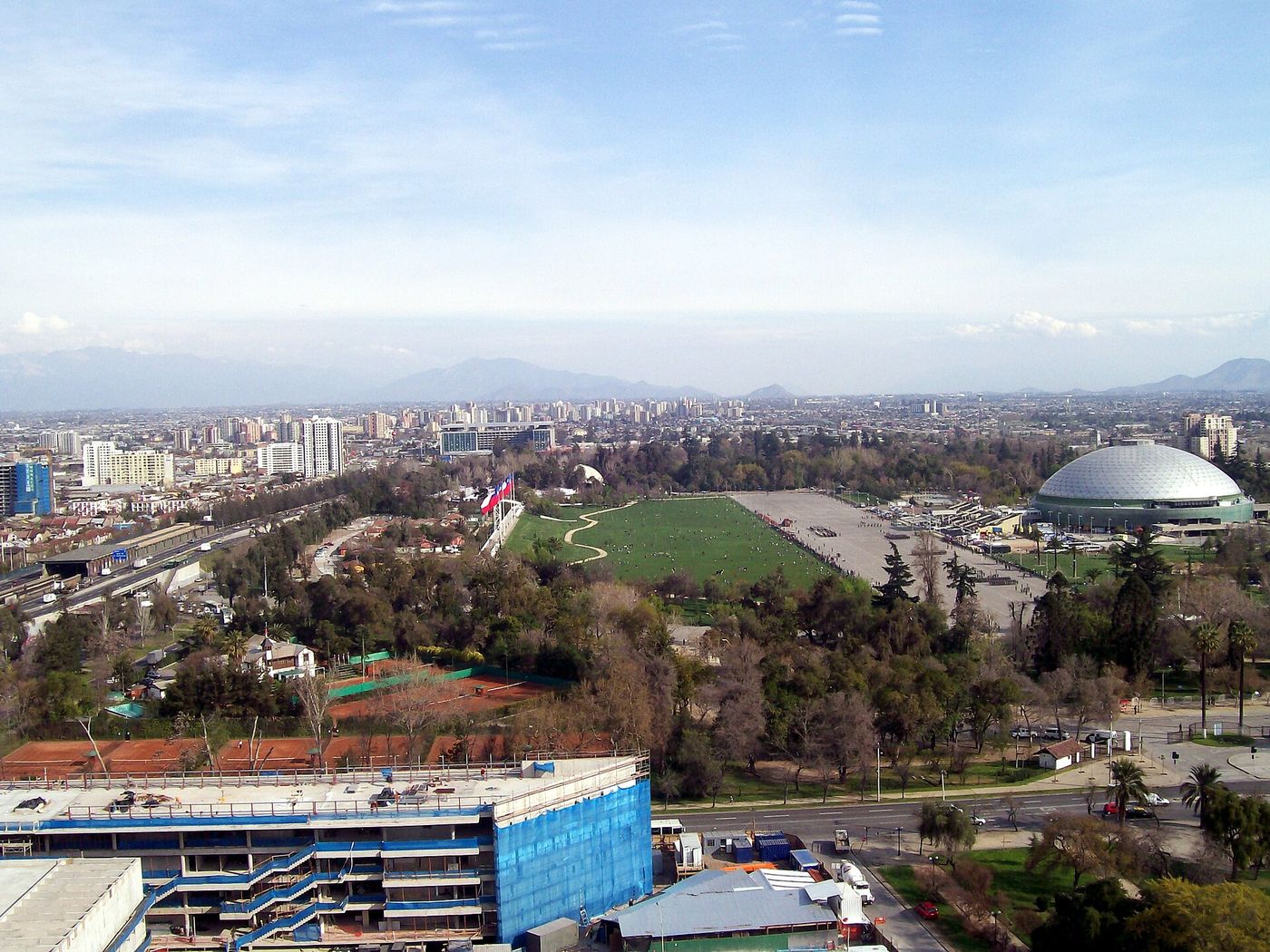
Lollapalooza Chile takes place at Parque O’Higgins. The 2027 edition runs 12–14 March 2027 (confirmed on the promoter’s own event page in September 2026, with the line-up and ticket sales still to be announced). It draws a very large crowd and fills hotels across the city — if your trip touches those dates and you are not going, book early or shift your dates.
Transport effects. Parque O’Higgins is on Metro Line 2. Expect the station and the surrounding streets to be extremely busy from mid-afternoon until well after midnight on festival days, and expect taxi surge pricing across the city each night.
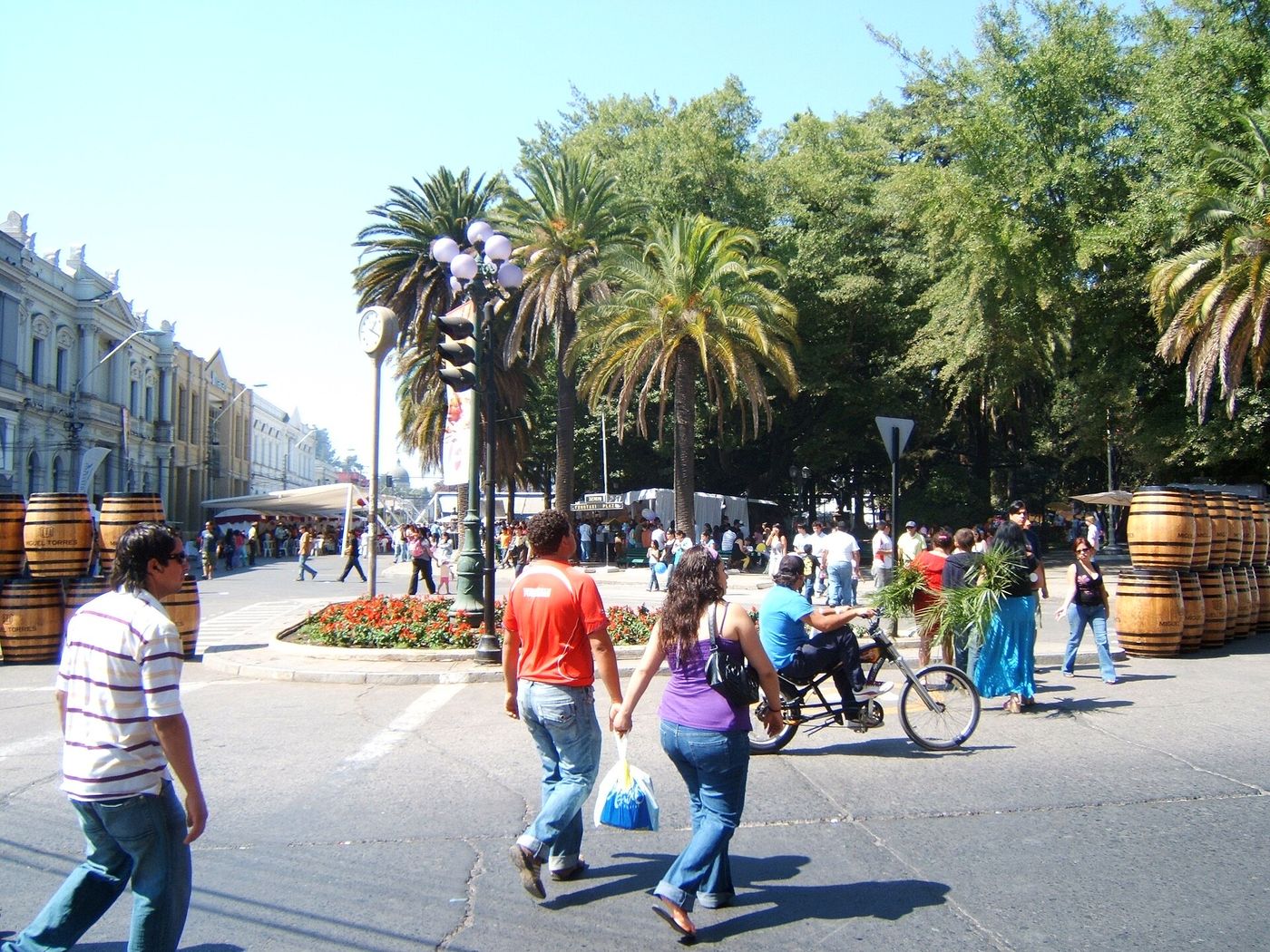
Vendimia season. March and early April are the grape harvest, and the Maipo Valley wineries within reach of Santiago run harvest festivals — grape treading, food stalls, live music, tastings. Dates vary by estate and are usually announced a few weeks ahead. It is the best month of the year to do a winery visit, and our wine tours guide covers which valleys are worth the drive.
One date to know. 29 March is the Día del Joven Combatiente, an annual commemoration that has historically involved disturbances in some parts of Santiago. It is not a reason to change plans, but it is a night to be sensible about where you are.
April and May: heritage and the first holidays
April is the quietest good month: warm days, cool nights, clear air, and no major events. It is arguably the best month to visit Santiago and there is nothing in particular to plan around, beyond Semana Santa, which moves each year and brings a long weekend with Good Friday as a holiday.
Día de los Patrimonios, usually the last weekend of May, is one of the best free events in Chile. Hundreds of buildings that are normally closed — government palaces, private mansions, embassies, working theatres, the Metro’s control rooms — open their doors to the public at no charge. Some require advance registration and the popular ones fill within hours of opening. Watch the official patrimonio channels from about a month ahead.
Public holidays in May. 1 May, Día del Trabajo, closes most things and is one of the regular focal points for demonstrations at Plaza Baquedano. 21 May, Día de las Glorias Navales, is a full national holiday with naval commemorations.
Weather turns in May: the first serious rain of the year usually arrives, and the museums become more attractive than the hills. Our museums and culture guide covers the indoor options.
June, July and August: the winter months
The city’s quietest and cheapest season, and the mountains’ busiest.
The ski season opens in June, peaks in July and August, and usually runs into late September. This is the main reason to be in central Chile in winter, and our skiing guide covers the resorts and the road.
We Tripantu, the Mapuche new year, falls around the winter solstice on 24 June, with ceremonies and cultural events in the city and in Mapuche communities in the south. 20 June is a public holiday, the Día Nacional de los Pueblos Indígenas.
Other winter holidays. 29 June (San Pedro y San Pablo), 16 July (Virgen del Carmen) and 15 August (Asunción de la Virgen) are all national holidays. The first and the last of those can move to an adjacent Monday in some years, so check the official calendar for your year.
Chilean winter school holidays run for roughly two weeks in mid-July, which is when the ski resorts are at their most crowded and most expensive — Portillo’s 2026 rates treated 18 July to 2 August as peak season alongside every weekend.
In the city. Cold, wet and grey, with the winter smog sitting in the basin on still days. Accommodation is at its cheapest, the museums are empty, and the Teatro Municipal season is running. It is an underrated time to visit if you are here for culture rather than mountains.
September: Fiestas Patrias, and the two days that close Santiago
The most important dates on the Chilean calendar, and the ones most likely to derail an unprepared trip.
18 September is Independence Day and 19 September is the Día de las Glorias del Ejército. Both are national holidays and, in practice, almost everything closes: museums, most restaurants, many shops, the zoo, the teleférico. Expect a two-day pause in the normal functioning of the city.
What happens instead. The fondas — temporary dance halls and food pavilions — go up in the parks, above all in Parque O’Higgins, and the country spends two days eating anticuchos and empanadas, drinking terremotos and dancing cueca. It is genuinely one of the great national celebrations, it is family-friendly during the day, and it is the single most Chilean thing a visitor can see.
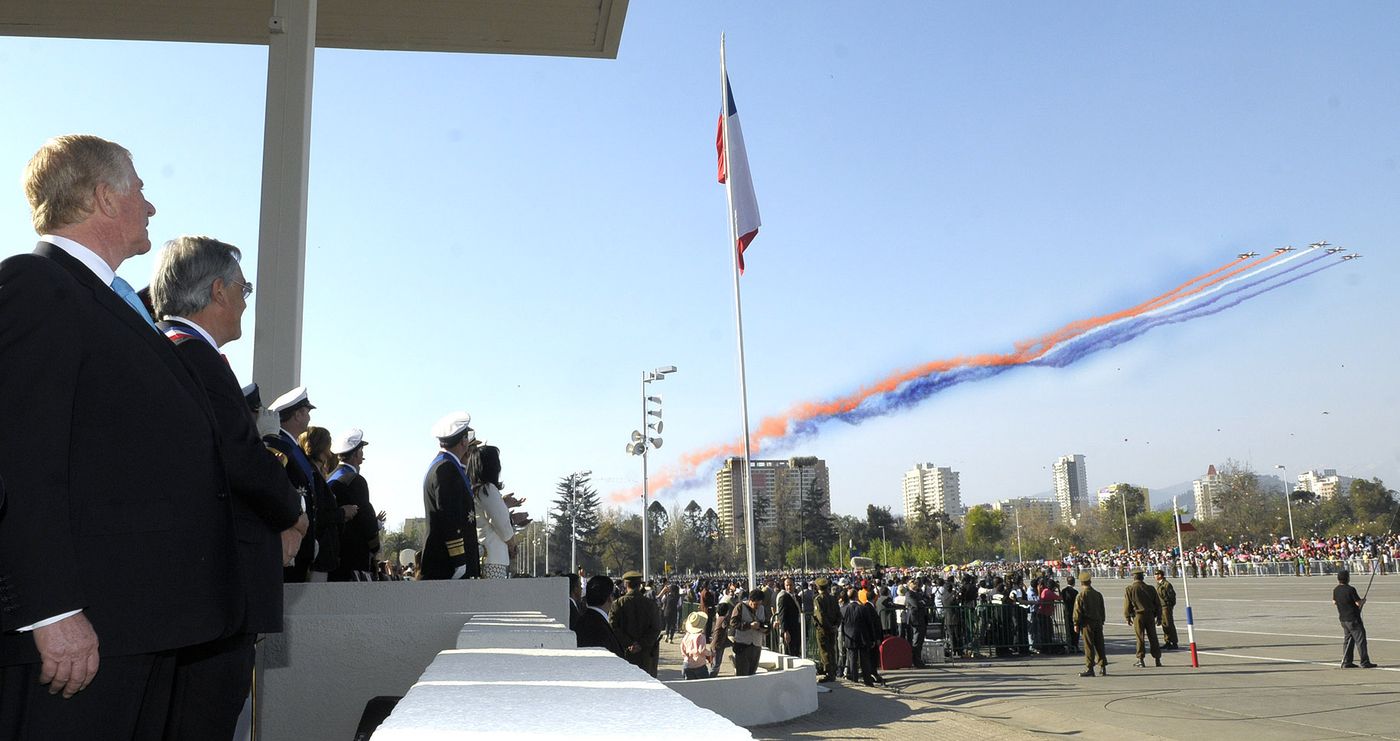
The Parada Militar on 19 September is the annual military parade in Parque O’Higgins, a large, formal, heavily attended event. If you are in the city that day, expect closures around the park and heavy Metro traffic.
Planning advice, stated plainly. If you want Fiestas Patrias, book accommodation months ahead, accept that the museums will be shut, and go to a fonda. If you do not want it, avoid 16–20 September entirely — you will find a closed city at raised prices.
11 September, a week earlier, is the anniversary of the 1973 coup. It is a day of commemoration and, historically, of protest and occasional disturbances in parts of Santiago. Most of the city is unaffected; the areas around Plaza Baquedano and some outer comunas are not. Our safety guide covers the pattern.
Spring arrives in September, which makes the second half of the month, once the holidays are over, one of the better windows of the year.
How do you actually do Fiestas Patrias?
Worth its own section, because it is the one event most likely to be the reason for a trip and the one most likely to go wrong if you treat it like a normal week.
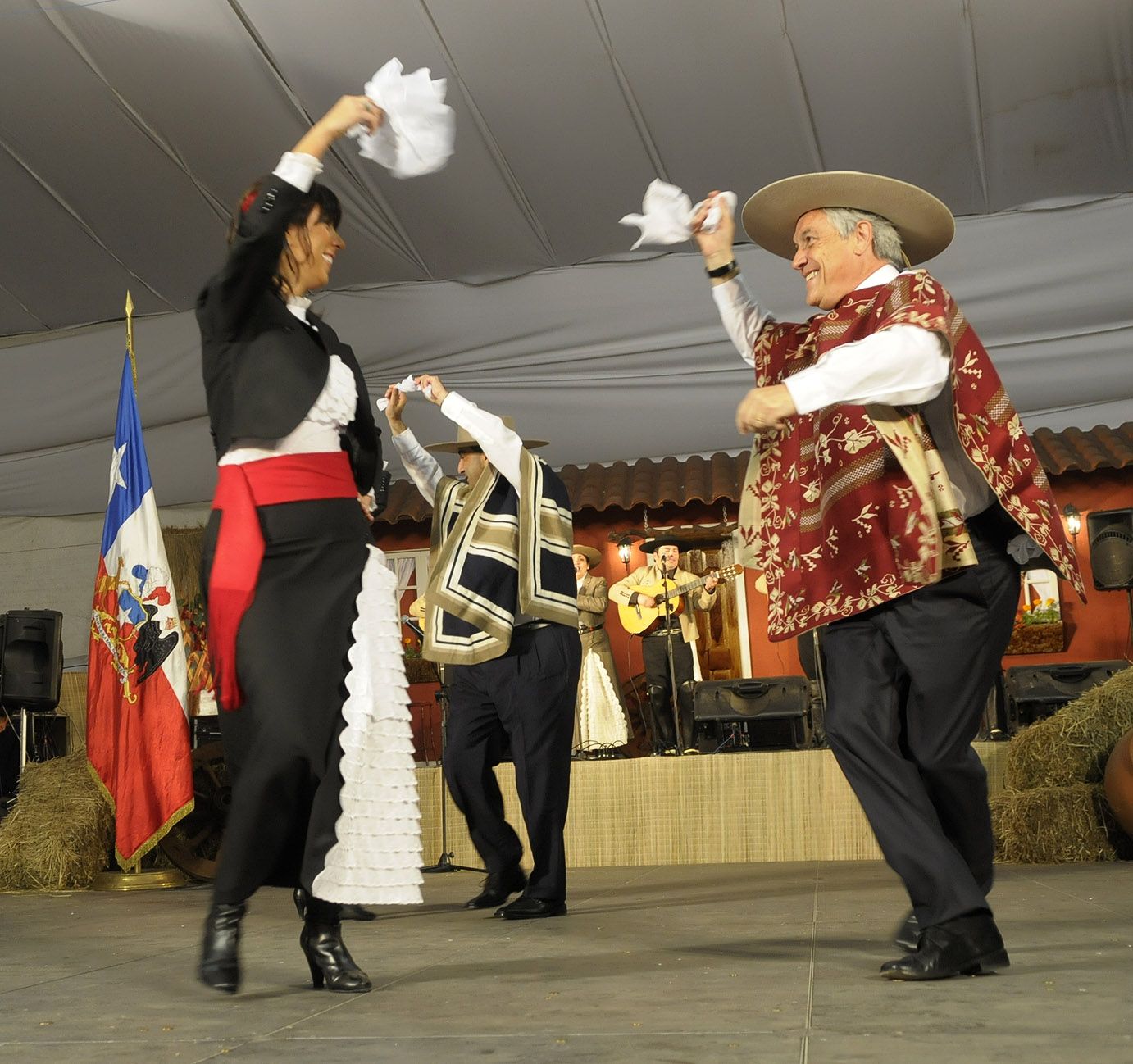
Go to a fonda. These are temporary pavilions — some official and ticketed, many free and informal — that go up in parks across the city in the days around 18 September. The largest are in Parque O’Higgins; almost every comuna runs its own smaller version. Inside you get grilled meat and anticuchos, empanadas de pino, terremotos, live music and cueca dancing on a wooden floor. The official ones charge entry; the neighbourhood ones usually do not.
What to eat and drink. Anticuchos (meat skewers), empanadas, choripán, and terremoto — sweet pipeño wine with pineapple ice cream, which is the drink of the season and is stronger than it tastes. Vegetarians will find it hard going; this is a barbecue holiday.
Timing within the day. Fondas are family affairs in the afternoon and adult affairs after about 22:00. If you are bringing children, go between 14:00 and 19:00.
The other traditions. Kite flying — volantines — fills the parks in the weeks before the 18th, and you can buy a kite for a few thousand pesos at any corner shop. Rodeo events run in the regions rather than in the capital. And on 19 September the Parada Militar takes over Parque O’Higgins.
What will be closed. Museums, the zoo, the teleférico, the funicular, most restaurants outside the fondas, many shops, and some supermarkets. The Metro runs a holiday timetable. Assume the city’s normal attractions are simply unavailable on the 18th and 19th.
What stays open. Parks, hills, the fondas themselves, and a handful of restaurants in the tourist barrios. Cerro San Cristóbal’s park is open even when everything mechanical on it is not.
Practical rules. Book accommodation months ahead; prices rise for the whole week. Carry cash, since fondas are cash-heavy. Expect drink-driving enforcement to be heavy — take a taxi. And be aware that this is a big drinking holiday, so the usual night-time care applies more than usual.
Sport: football, and the rest
Football is the closest thing Santiago has to a year-round weekly event, and for a visitor it is one of the easiest ways to spend an afternoon among Chileans rather than among tourists.
The three big clubs. Colo-Colo play at the Estadio Monumental in Macul, Universidad de Chile and Universidad Católica both play in the east of the city. The Chilean Primera División season runs across most of the year with a winter break. A superclásico between Colo-Colo and Universidad de Chile is one of the more intense fixtures in South American football and is not the match to take a nervous first-timer to.
How to go. Buy through the official club or ticketing channels rather than from anyone outside the ground, bring photo ID, and arrive early — Chilean stadium entry procedures are slow and thorough. Do not wear the away team’s colours in the home stand, which is a rule enforced by other supporters rather than by stewards.
The Estadio Nacional in Ñuñoa hosts the national team, major concerts and, on Saturdays, free public tours of its memorial to the people detained there after the 1973 coup. It is both a working stadium and a site of memory, which makes a visit more complicated and more interesting than a stadium tour usually is.
Other sport. Rodeo is Chile’s other national sport and runs from September to April, though the significant events are outside Santiago. Tennis and athletics use the Estadio Nacional complex. And the ski season is the one time of year the mountains above the city fill with competitive events.
October and November: the best weather, the fewest events
October brings spring properly: warm days, clear air, open mountain roads and long evenings. There is no major festival, which is exactly why it is one of the two best months to visit, alongside April.
Holidays: 12 October, the Encuentro de Dos Mundos, and 31 October, the Día de las Iglesias Evangélicas, both of which can shift to an adjacent Monday. 1 November, Día de Todos los Santos, is also a holiday, and the Cementerio General is extraordinarily busy with families visiting graves — it is worth seeing and a poor day to visit for the architecture.
18 October is the anniversary of the 2019 estallido social, and demonstrations at Plaza Baquedano are common around it.
November brings the Feria Internacional del Libro de Santiago, the city’s major book fair, usually held at the Estación Mapocho over a couple of weeks. It is a genuine cultural event rather than a trade show, with readings, launches and a large Spanish-language stock; of limited use if you do not read Spanish.
Spring also starts the outdoor season. The Cajón del Maipo roads reopen, rafting starts on the Maipo, and the foothill trails are at their best before the summer heat.
December: the year winds down
Quiet until about the 20th, then increasingly given over to holidays.
8 December, the Inmaculada Concepción, is a public holiday. 25 December closes essentially everything. The days in between are busy with shopping rather than events, and the malls extend their hours.
Summer starts. By mid-December the city is hot, the mountains are fully open, and the outdoor pools on Cerro San Cristóbal have opened for the season.
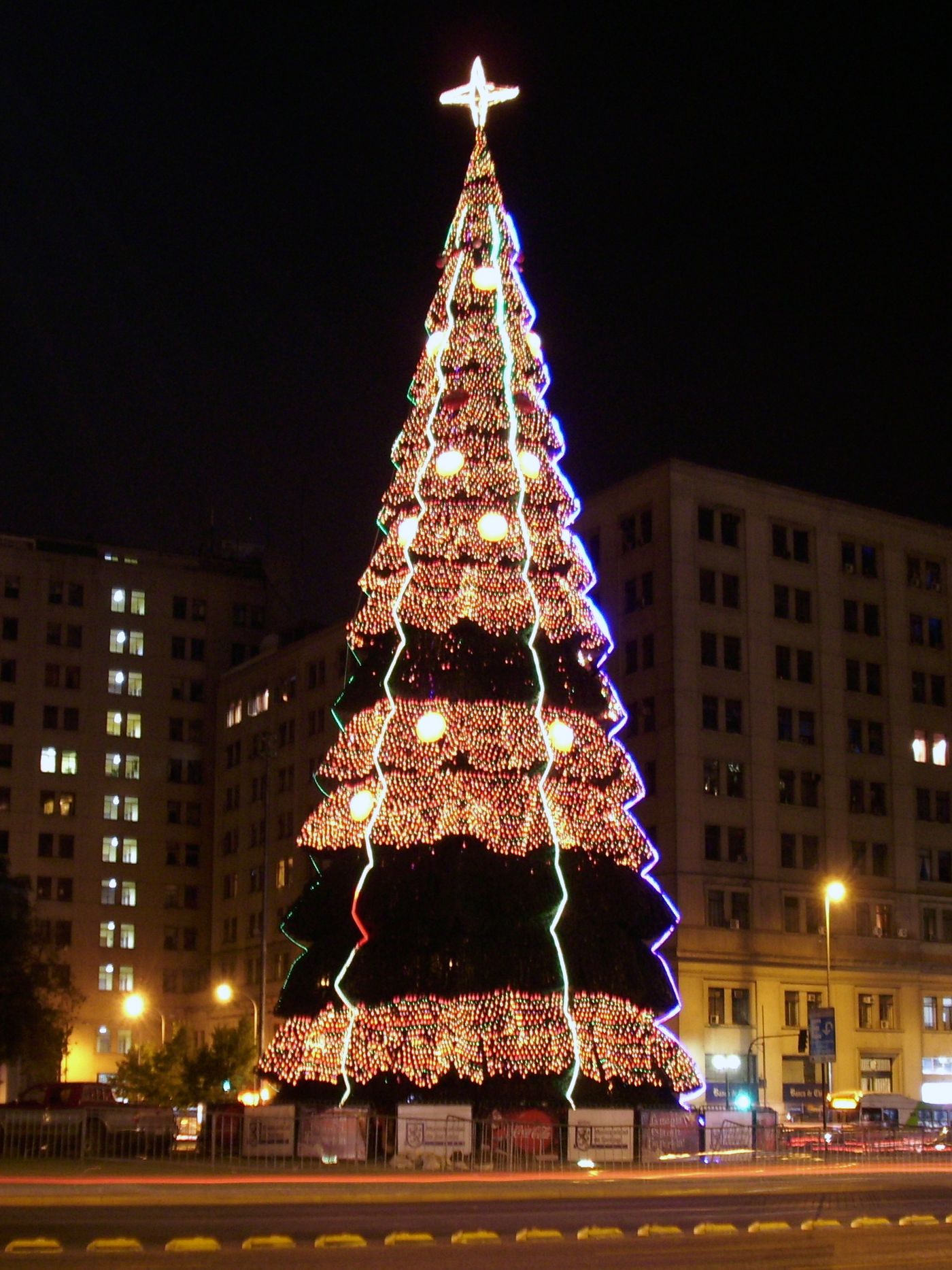
New Year’s Eve is celebrated with fireworks, though the famous Chilean display is in Valparaíso rather than Santiago — hundreds of thousands of people go to the coast for it, which means heavy traffic on the Ruta 68 and full hotels in Valparaíso and Viña del Mar. Book months ahead if that is the plan, and our day trips guide covers the journey.
Chile’s public holidays: the full list
Fifteen or so national holidays, several of which move. Dates below are the standard ones; the movable feasts shift each year and a few can be transferred to an adjacent Monday under Chilean law, so confirm against the official calendar for your travel year.
| Date | Holiday | Closures |
|---|---|---|
| 1 January | Año Nuevo | Near-total |
| Movable (March/April) | Viernes Santo and Sábado Santo | Widespread on Good Friday |
| 1 May | Día del Trabajo | Near-total; protest risk |
| 21 May | Día de las Glorias Navales | Widespread |
| 20 June | Día Nacional de los Pueblos Indígenas | Widespread |
| 29 June | San Pedro y San Pablo | Partial; can move to Monday |
| 16 July | Virgen del Carmen | Widespread |
| 15 August | Asunción de la Virgen | Widespread |
| 18 September | Independencia Nacional | Near-total |
| 19 September | Glorias del Ejército | Near-total |
| 12 October | Encuentro de Dos Mundos | Partial; can move to Monday |
| 31 October | Día de las Iglesias Evangélicas | Partial |
| 1 November | Día de Todos los Santos | Widespread |
| 8 December | Inmaculada Concepción | Widespread |
| 25 December | Navidad | Near-total |
What “near-total” means in practice. Museums shut, most restaurants shut, supermarkets shut or run short hours, the Metro runs a Sunday timetable, and the parks and hills stay open. The Metro’s holiday schedule is 07:30 to 23:00 rather than the weekday 06:00 start.
What is on year-round?
Beyond the calendar events, Santiago has a steady cultural programme that does not depend on the month.
Teatro Municipal de Santiago runs an opera, ballet and concert season from roughly March to December in a 1857 building that is worth seeing for itself. Tickets for the major productions sell out; the Sunday and midweek performances are easier.
Movistar Arena and the Estadio Nacional, both in Ñuñoa, host the large international touring acts. South American legs of major tours reliably stop in Santiago, usually in the southern spring and autumn.
GAM runs theatre, dance and exhibitions continuously, with free outdoor plazas open daily 09:00–21:00. Centro Cultural La Moneda runs several exhibitions simultaneously, a number of them free; its galleries are open Tuesday to Sunday 10:15–18:45.
Football. Colo-Colo at the Estadio Monumental, Universidad de Chile and Universidad Católica all play through the Chilean season, and a clásico is an experience. Buy through official channels and do not wear the wrong colours in the wrong stand.
Live music at neighbourhood scale happens every weekend in Ñuñoa, Bellavista, Barrio Italia and Barrio Brasil, and is covered in our nightlife guide. Venue social media is the only reliable listing; printed listings barely exist here.
How do events affect getting around?
Three patterns worth knowing.
Large events in Parque O’Higgins — Lollapalooza, the Parada Militar, the Fiestas Patrias fondas — overload Metro Line 2 and the streets around the park. Allow extra time, expect queues at the station after a headline act, and consider walking a stop or two before boarding.
Public holidays put the Metro on a Sunday timetable: opening at 07:30 rather than 06:00, closing at 23:00 as usual. Buses run reduced services. Taxi apps surge.
Demonstrations concentrate at Plaza Baquedano and along the Alameda, most often on Friday afternoons and around 29 March, 1 May, 11 September and 18 October. When they happen, the Metro may close Baquedano and neighbouring stations without much notice, and the Alameda can be blocked. The practical response is to check before travelling through that area on those dates and to go around rather than through. Our getting around guide covers the alternatives.
Which months should you actually visit?
| If you want | Go in | Why |
|---|---|---|
| Best all-round weather | April, October, November | Warm, clear, open mountain roads, no crowds |
| Theatre and arts | January | Teatro a Mil, the year’s cultural peak |
| Live music | March | Lollapalooza and the festival season |
| Wine at its best | March, April | Vendimia harvest festivals in the valleys |
| Skiing | July, August | Deepest snow, highest prices |
| The cheapest trip | June, August | Lowest hotel rates, empty museums |
| National culture | Mid-September | Fiestas Patrias, with everything else closed |
| Quiet and heat | February | Emptiest city of the year |
The two months to think hardest about are September, where the middle of the month is either the reason to come or the reason not to, and January, which is expensive, hot and culturally the richest. Our best time to visit guide weighs the weather side of the same question.
How to check dates before you book
Event dates in Chile are published later than visitors from Europe or North America expect, and third-party listings are frequently wrong. A short verification routine saves trouble.
Go to the organiser, not an aggregator. Lollapalooza dates come from the promoter’s own event page; Teatro a Mil from teatroamil.cl; museum openings from the museum. Festival-listing sites routinely carry last year’s dates with this year’s heading.
Expect line-ups and programmes late. In September 2026, Lollapalooza Chile 2027 had confirmed dates and venue but no line-up and no tickets on sale, and Teatro a Mil had a presale running with no published programme. That is normal rather than a sign of trouble.
Check the holiday calendar for your specific year. Several Chilean holidays move to an adjacent Monday, and Semana Santa moves entirely. A date that is a working Tuesday one year is a long weekend the next.
Assume harvest festival dates are late. Vendimia events are announced a few weeks out because they depend on when the grapes are ready.
Re-check anything more than a few months old, including this page. We date everything here, and the September 2026 stamp on the figures above is there so that you know how far to trust them.
When should you book what?
Booking windows in Chile are later than in Europe or North America for almost everything except accommodation, which is the reverse of what visitors expect.
| What | Book by | Why |
|---|---|---|
| Accommodation for Fiestas Patrias | 3–6 months ahead | The whole city fills and prices rise for the week |
| Accommodation for Lollapalooza weekend | 3–6 months ahead | Hotels fill citywide, not just near the park |
| Lollapalooza tickets | As soon as they go on sale | Day tickets sell out; three-day passes go first |
| Teatro a Mil tickets | As soon as the programme drops | International productions sell out in days |
| Día de los Patrimonios slots | The hour registration opens | The popular buildings fill within hours |
| Zoológico Nacional | Days ahead, any time of year | Capped at 4,000 visitors a day, booking mandatory |
| Ski accommodation in July | 2–3 months ahead | Chilean winter school holidays |
| Winery tours in vendimia season | 2–4 weeks ahead | Harvest festivals fill the calendar |
| Restaurant tables, Friday and Saturday | 2–3 days ahead | Enough for almost anywhere |
| Most museums | Not at all | Walk-up, and several are free |
The thing to book first on any trip is accommodation, and the thing that most often catches people out is not realising their dates overlap something. Check the March and September dates for your travel year before you commit to flights — a two-day shift can save a great deal of money and hassle. Our travel cost guide sets out what those seasonal swings are worth in pesos.
Free and neighbourhood events
Beyond the headline festivals, a good deal of Santiago’s cultural life costs nothing and does not appear on any English-language listing site.
GAM’s plazas are open daily 09:00–21:00 and usually have something happening: rehearsals, markets, book fairs, dance practice. It is the most reliable place in the city to stumble into something.
Parque Forestal and Parque Bicentenario run weekend markets, outdoor film screenings in summer and municipal concerts. The comuna websites carry these; nothing else does.
Lastarria’s weekend book and antiques market sets up on the street on Saturdays and Sundays — small, genuine and worth twenty minutes.
Free museum days. Several institutions run free entry on the last Sunday of the month or on specific national days; MAVI UC is free on the last Sunday, and the big national museums are free every day.
Barrio festivals. Yungay, Barrio Italia and Ñuñoa all run neighbourhood street festivals at various points in the year, usually announced a few weeks ahead on municipal and neighbourhood-association social media. They are small, local and the opposite of a tourist event.
Street performance is constant in Plaza de Armas, on Paseo Ahumada and in Parque Forestal, ranging from genuinely good to what you would expect. Tip if you stop and watch.
The pattern here is the same as with the nightlife: Santiago does not publish itself well in English, and the best way to find out what is on is to ask at your hotel or in a bar. Our museums and culture guide and nightlife guide cover the venues that programme most consistently.
What is not worth planning around?
An honest list, since a lot of event content oversells.
- Most “festivals” listed on aggregator sites. A large share are small neighbourhood events, trade fairs or one-off concerts dressed up as annual institutions.
- Chilean Independence Day if you want a normal city break. Two days of closed museums and full hotels is not a bargain unless the fondas are the point.
- The Festival de Viña del Mar, from Santiago. It is in Viña, 90 minutes away, tickets are hard to get, and the coast is at its most expensive that week.
- Booking a March trip without checking Lollapalooza. Not because you should avoid the city, but because the hotel you wanted will be gone.
- New Year’s Eve in Santiago. The fireworks everyone talks about are in Valparaíso. Santiago on 31 December is quiet by comparison.
- The Cementerio General on 1 November. Extraordinary as a social occasion, hopeless if you came for the mausoleums.
Frequently asked questions
What is the biggest festival in Santiago, Chile?
Fiestas Patrias on 18 and 19 September, which is a national holiday rather than a ticketed festival and which closes most of the city while filling the parks with fondas. The largest ticketed events are Lollapalooza Chile in March at Parque O’Higgins and the Festival Internacional Teatro a Mil in January.
When is Lollapalooza Chile 2027?
12 to 14 March 2027 at Parque O’Higgins in Santiago, confirmed on the promoter’s own event page. As of September 2026 the line-up had not been announced and tickets were not yet on sale. Hotels across the city fill for that weekend, so book accommodation early whether or not you are attending.
Should you visit Santiago during Fiestas Patrias?
Only if the celebration is the reason you are coming. On 18 and 19 September the museums, the zoo, the teleférico and most restaurants close, and accommodation is expensive and scarce. What you get instead is the fondas, the cueca, the food and the Parada Militar — genuinely worth seeing, but not a normal city break.
What are Chile’s public holidays?
Roughly fifteen a year, including 1 January, Good Friday, 1 May, 21 May, 20 June, 29 June, 16 July, 15 August, 18 and 19 September, 12 October, 31 October, 1 November, 8 December and 25 December. Several can move to an adjacent Monday, and Semana Santa moves entirely, so check the calendar for your travel year.
When is the wine harvest festival season in Chile?
March and early April, when the Maipo and neighbouring valleys run vendimia festivals with grape treading, food, music and tastings. Dates are set by the estates a few weeks in advance because they depend on when the grapes ripen. It is the single best time of year for a winery visit near Santiago.
What is Día de los Patrimonios?
A free national heritage weekend, usually the last weekend of May, when hundreds of buildings that are normally closed to the public open their doors — government palaces, private houses, theatres and industrial sites. Some require advance booking and the popular ones fill within hours of registration opening.
Do things close on public holidays in Santiago?
Extensively. On the major holidays — 1 January, 1 May, 18 and 19 September, 25 December — museums, most restaurants and many shops close, and the Metro runs a Sunday timetable starting at 07:30. Parks, hills and markets are the reliable options. Smaller holidays close less but still affect museum opening.
What is the quietest month in Santiago?
February, when Chileans take their annual holidays and head for the coast. The city is hot, empty and cheap on activities, though not on accommodation, and a noticeable number of restaurants close for two or three weeks. It is a good month for the mountains and a thin one for the city’s cultural life.
January belongs to Teatro a Mil, and it rewards a little planning: the 2026 edition ran 3 to 25 January with 89 productions from 16 countries, and the culture ministry reckons around 80% of the audience saw it for free. Our Santiago a Mil festival guide covers the presale windows, the language barrier in the indoor programme, and why the street shows are the part worth building an evening around.
March belongs to Lollapalooza Chile, which returns to Parque O’Higgins on 12, 13 and 14 March 2027 with three-day passes already on sale before the line-up is announced. Our Lollapalooza Chile visitor guide has the verified pass prices at every sale stage, which tier is worth paying for, and the late-night transport problem that catches out first-timers when the Metro shuts at 23:00.
Late March and April belong to the vendimia. The communes of the Maipo Valley, an hour from the city, hold free harvest festivals with local wineries, grape stomping, cueca and country cooking, and they are the least touristed event on the Chilean calendar. Our guide to the Maipo Valley wine harvest festivals explains which towns run them, when, and how to get home afterwards.
The Chilean summer runs December to March and its calendar is lopsided: Teatro a Mil fills January, February empties toward the coast, and March carries both Lollapalooza and the vendimia. Our guide to Santiago summer events lays out the whole season month by month, including what costs nothing, what closes for the holidays and when each event’s dates are actually announced.
Sources
- Festival Internacional Teatro a Mil
- Live Nation — Lollapalooza Chile 2027
- Chile Travel — festivals and events
- Visit Santiago — official city tourism
- Santiago Turismo — municipal tourism
- Teatro Municipal de Santiago
- Centro Gabriela Mistral (GAM)
- Centro Cultural La Moneda
- Movistar Arena Santiago
- Metro de Santiago — hours and fares
- Government of Canada — Chile travel advice
- UK Foreign Office — Chile travel advice
Image credits
| Photo | Credit |
|---|---|
| Fonda at Fiestas Patrias (top of page) | Osmar Valdebenito, CC BY-SA 2.0, via Wikimedia Commons |
| Huasos at Fiestas Patrias | Gobierno de Chile, CC BY 2.0, via Wikimedia Commons |
| Cueca dancers | Gobierno de Chile, CC BY 2.0, via Wikimedia Commons |
| Lollapalooza Chile | Constanza Gajardo, CC BY-SA 2.0, via Wikimedia Commons |
| Royal de Luxe’s Little Giant in Santiago | Fundación Teatro a Mil, CC BY-SA 4.0, via Wikimedia Commons |
| Vendimia harvest festival | LuxoDresden, CC BY-SA 3.0, via Wikimedia Commons |
| Parada Militar flypast | Gobierno de Chile, CC BY 2.0, via Wikimedia Commons |
| Parque O’Higgins | Leandro Kibisz, CC BY-SA 2.0, via Wikimedia Commons |
| Christmas lights, Santiago | Jorge Barrios, CC BY 3.0, via Wikimedia Commons |