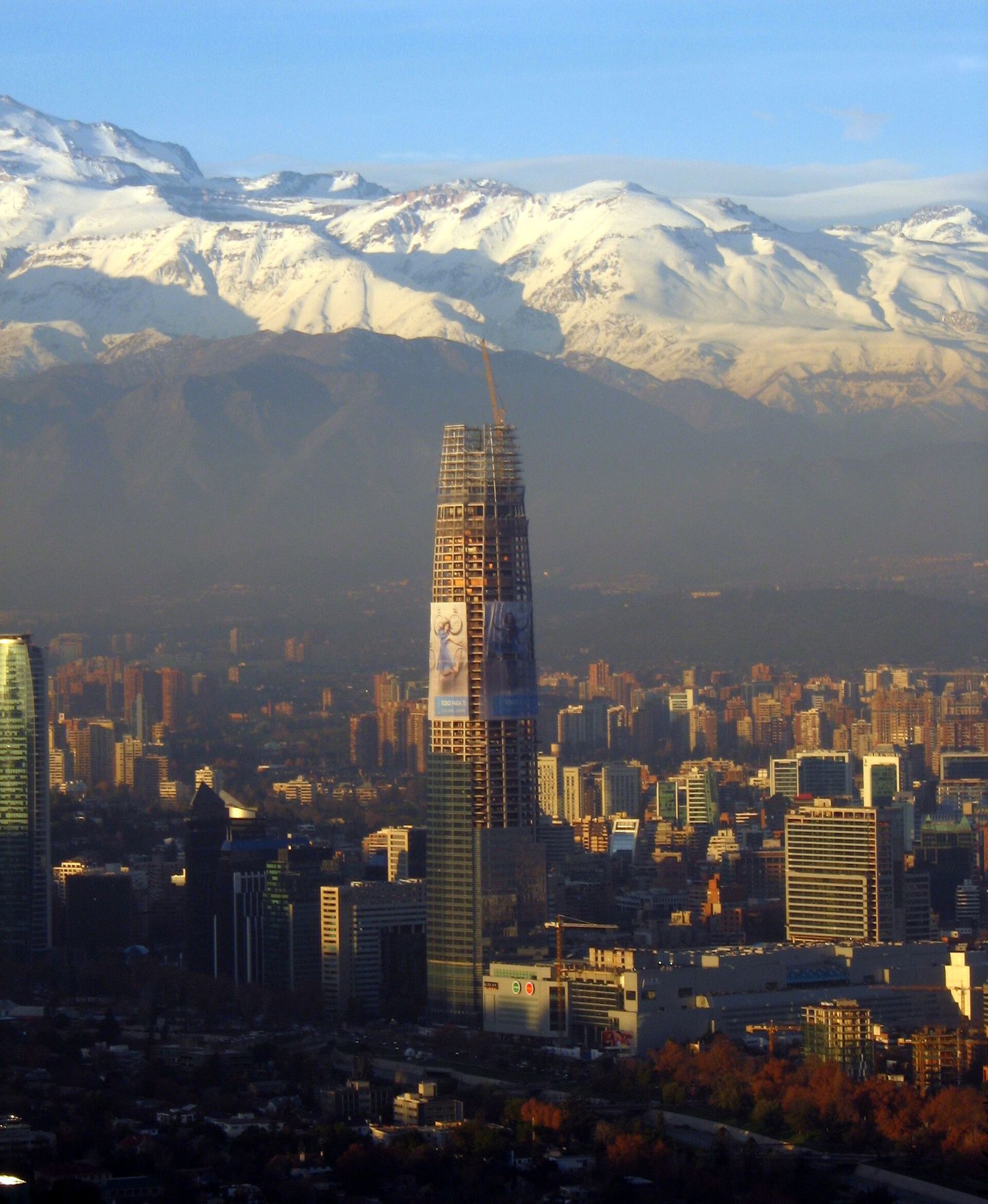
Stay between Manuel Montt and Pedro de Valdivia stations, a block or two off Avenida Providencia. The side streets there are leafy, quiet and full of restaurants, and Line 1 reaches the old center in 10 to 15 minutes. Los Leones suits business trips and chain hotels; avoid rooms facing the avenue itself or the bars of Barrio Suecia.
This guide to where to stay in Providencia Santiago treats the borough the way you’ll actually use it: as four Metro stations with four different characters, plus the edges where Providencia runs into the old center in the west and the towers of Las Condes in the east. It covers which blocks are quiet, what each area is close to, what rooms cost, and who would be happier somewhere else. If you’re still choosing between Providencia and the rest of the city, start with our guide to where to stay in Santiago.
Providencia at a glance: four stations, four personalities
| Area (Line 1 station) | Character | Best for | Night noise | Nearby |
|---|---|---|---|---|
| Salvador | The western edge, closest to the center | Value, quick rides to Lastarria and Bellavista | Medium; protest risk near Plaza Baquedano | Parque Balmaceda, the river parks |
| Manuel Montt | Cobbled side streets, restaurants, small hotels | Most visitors, couples, food-first trips | Low off the avenue | The city’s densest cluster of restaurants and bars, a heritage zone |
| Pedro de Valdivia | Greener and slightly pricier; French-style houses around Orrego Luco | Longer stays, families, hill access | Low | Parque de las Esculturas, the teleférico to Cerro San Cristóbal |
| Los Leones | Corporate, chain hotels, close to the big mall | Business trips, international brands | Low, except around Barrio Suecia | Costanera Center, Sky Costanera, Barrio Suecia’s bars |
Characters from Visit Santiago’s barrio descriptions and our main where-to-stay guide; prices and transport below checked September and October 2026. Dollar figures use about CLP 950 to the US dollar.
Providencia as a whole is the comuna east of Plaza Baquedano, running along Avenida Providencia and Metro Line 1 to Tobalaba, where Las Condes begins. It’s mainly residential and middle class, which is exactly why it works as a base: supermarkets, pharmacies, laundries and ordinary restaurants on every block, and streets that stay calm at night a block back from the main avenue.
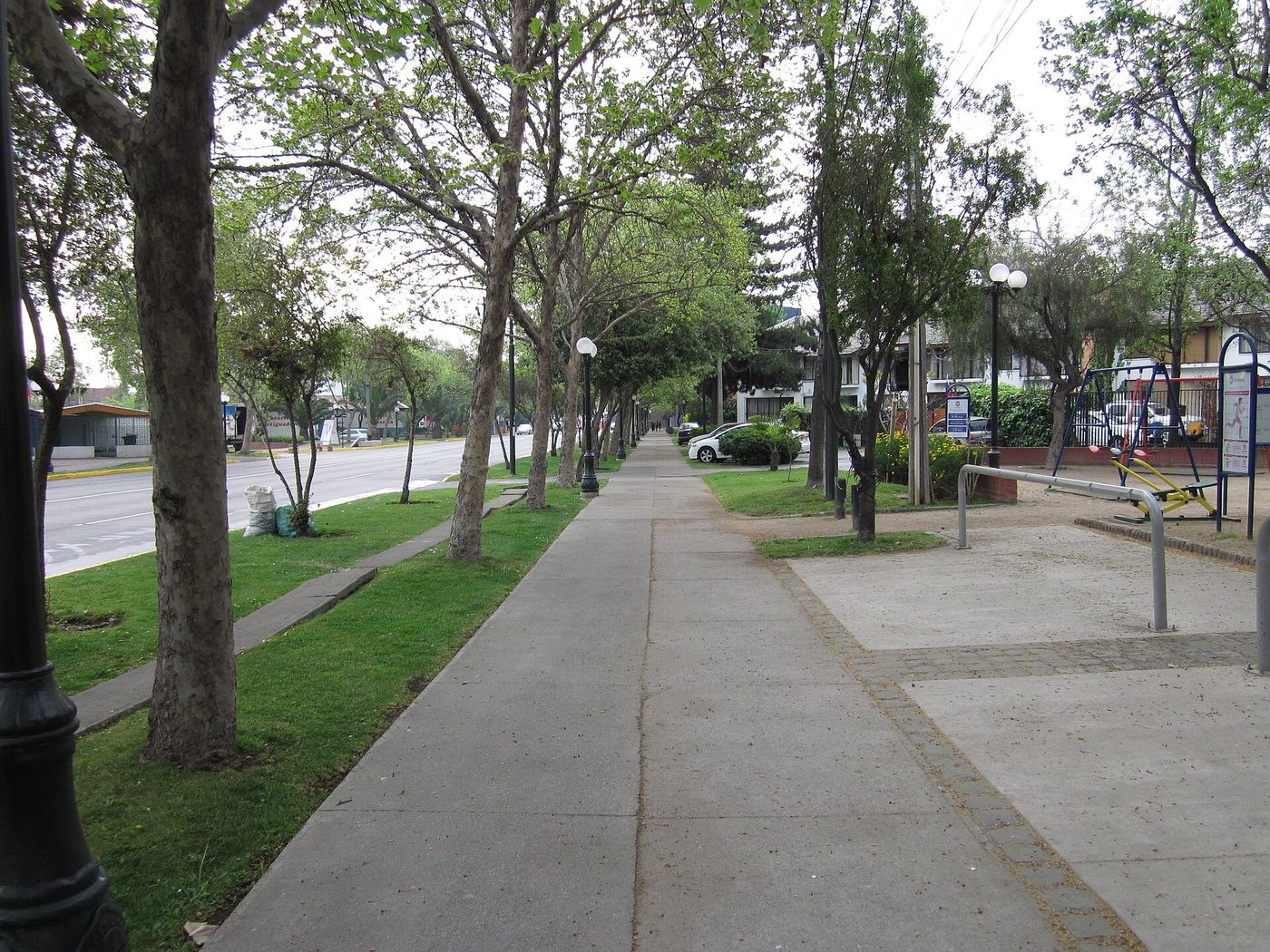
The trade-off, as our main where-to-stay guide puts it, is that it isn’t beautiful in the way Lastarria is. Much of Providencia is mid-century apartment towers mixed with older houses. What it gives you instead is a genuinely livable base at a fair price, and the closer you look at individual blocks, the better it gets.
Which part of Providencia is best for you?
Manuel Montt for most visitors: the best restaurants, small hotels and cobbled side streets. Pedro de Valdivia for longer stays, families and easy access to Cerro San Cristóbal. Los Leones for business trips and international chains. Salvador for good value and the quickest ride to the old center, with an eye on protest days.
A simple way to decide:
- You’re here for food and evenings out: Manuel Montt. Visit Santiago describes it as a gastronomic barrio with one of the city’s largest concentrations of bars and restaurants on its cobbled streets.
- You want green space and quiet for a week or more: Pedro de Valdivia, especially the streets around Orrego Luco.
- You’re on business or want a familiar brand: Los Leones, between the office towers and the Costanera Center.
- You want good value on Line 1, close to the sights: Salvador, accepting a busier, louder edge of town.
- You want to go out late: stay anywhere in Providencia except directly above Barrio Suecia’s bars, and take a booked car home.
Manuel Montt: the pick for most visitors
The blocks around Manuel Montt station, either side of Avenida Providencia, are the heart of Providencia for visitors. Visit Santiago calls the barrio a gastronomic one, with cobbled streets and one of the largest concentrations of restaurants and bars in the city (checked October 2026). In practice that means you can walk out of a quiet side street into a choice of dinner without crossing a main road.
Part of the area is also protected. The streets of Emilio Delporte, Manuel Montt, Santa Isabel and Miguel Claro form a zona típica, a heritage zone under Chile’s national monuments law, with tree-lined sidewalks that feel a world away from the traffic on Avenida Providencia.
Who it suits: couples, food-first travelers and anyone staying four nights or more who wants evenings on foot without Lastarria’s prices.
Noise: low on the side streets, high on the avenue. The restaurants and bars around the station are busiest at weekends, so a room a block or two away is the sweet spot.
Getting around: Manuel Montt is on Line 1, so La Moneda, Santa Lucía and Universidad Católica (for Lastarria) are direct rides west, and Tobalaba and the Costanera Center are direct rides east. Bellavista’s bars are reachable on foot across the river, though it’s a longer walk than it looks on a map because Cerro San Cristóbal sits in the way; take a car back late at night.
Verdict: the best all-round base in Providencia and, for stays of five nights or more, arguably in the whole city.
Pedro de Valdivia and Orrego Luco: greener, and close to the hill
One station east, the area around Pedro de Valdivia is leafier, more residential and a little more expensive. South of the avenue, the streets around Orrego Luco form one of Visit Santiago’s official barrios, which it describes as a district of international restaurants set among French-style neoclassical architecture (checked October 2026). North of the avenue, toward the river, the blocks are quieter still.
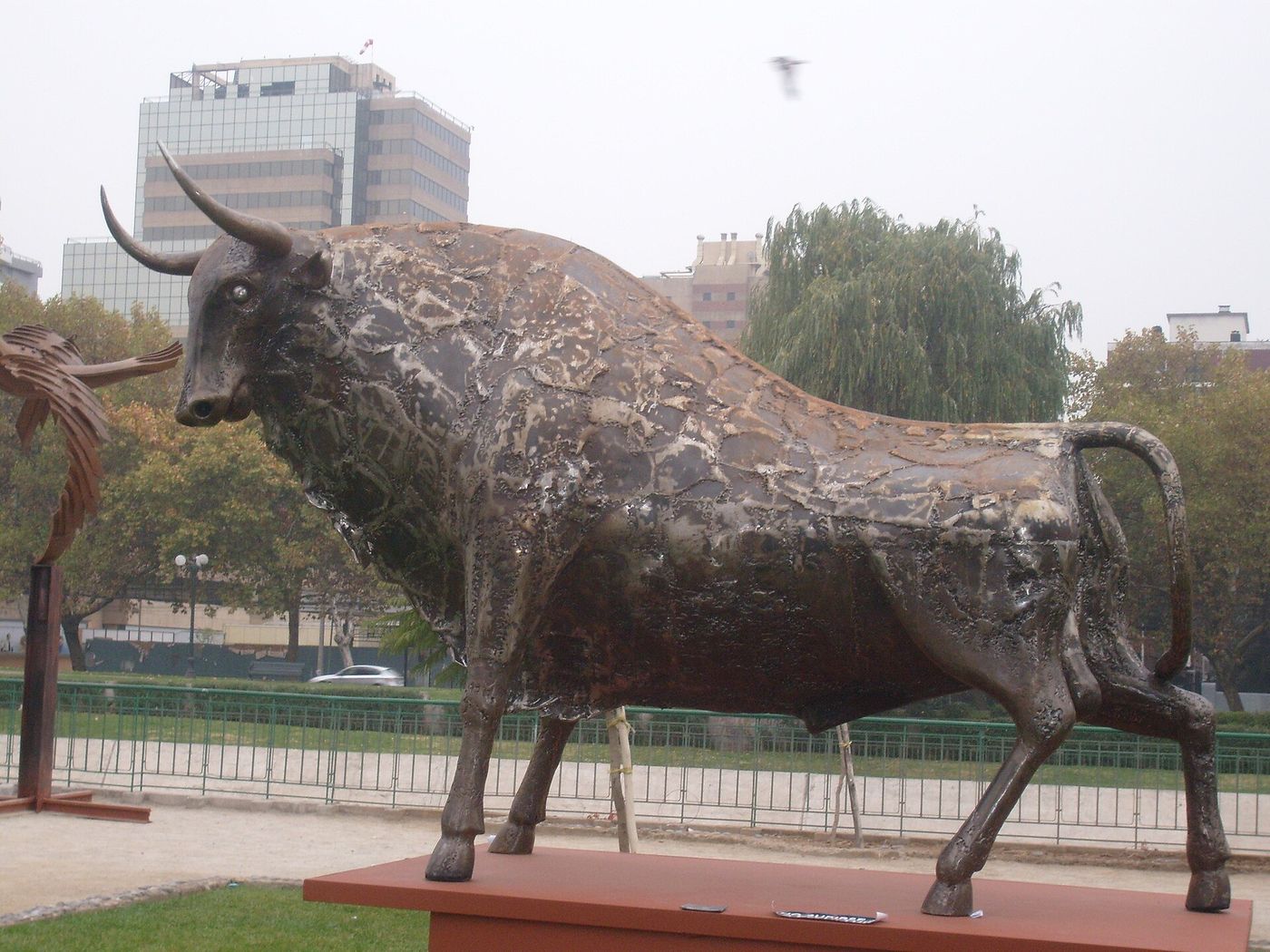
The big advantage of this end of Providencia is access to green space. Providencia’s parks line the Mapocho, among them the Parque de las Esculturas, an open-air sculpture park beside the river with works such as Sergio Castillo’s bull and Marta Colvin’s Pachamama. Across the river, in the residential barrio of Pedro de Valdivia Norte, the teleférico up Cerro San Cristóbal has its base on Avenida El Cerro (number 750), so you can ride to the top of the city’s biggest park without going anywhere near the crowds at the Bellavista end.
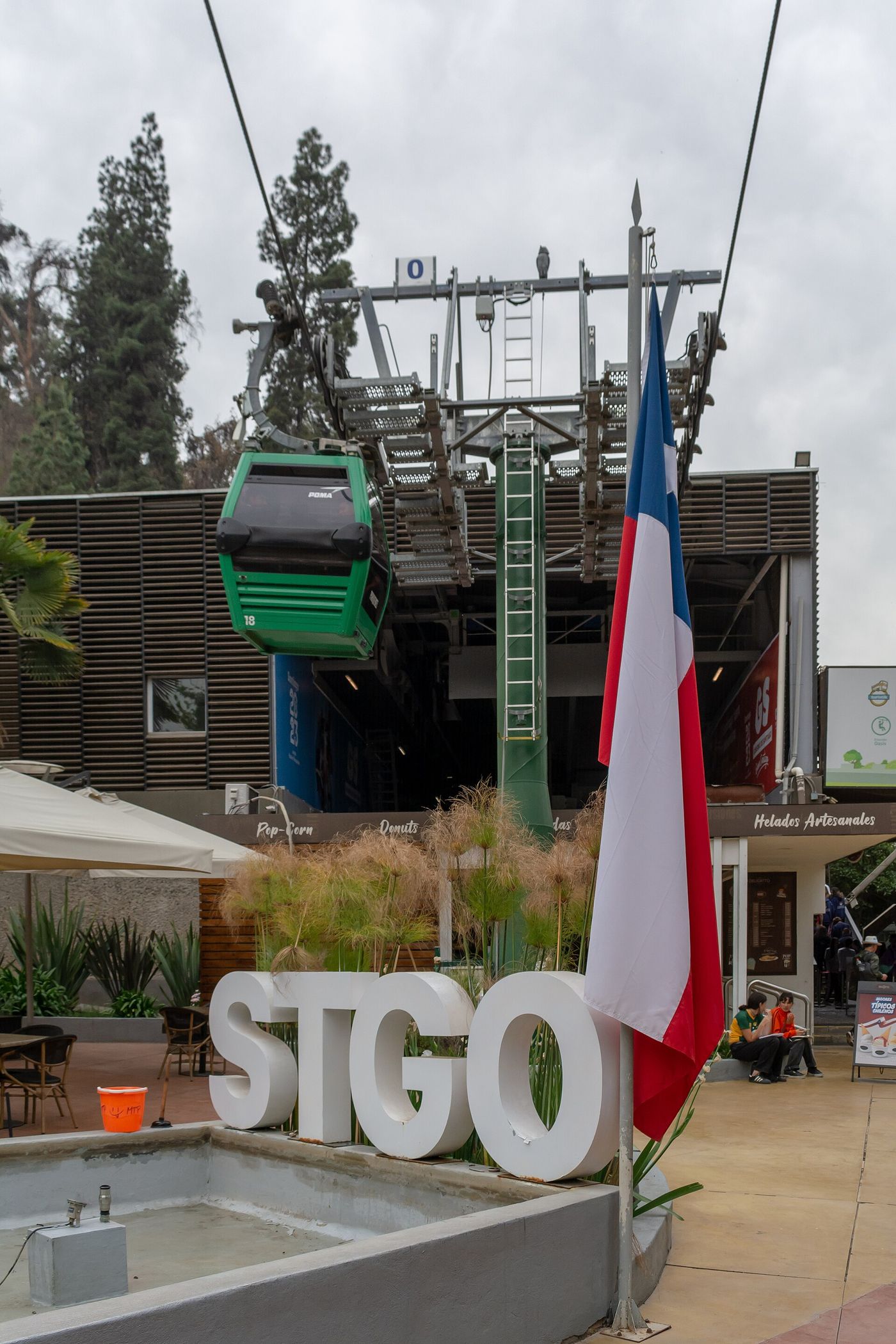
The teleférico runs Tuesday to Sunday, 10:00-19:45 in summer and 10:00-18:45 in winter, and closes on Mondays (checked October 2026). Fares depend on the line, the day and your age, with reduced prices for children under 12 and over-60s, and children under 2 ride free; the “from” price for a return on the Pedro de Valdivia line was about CLP 2,600 when checked in September 2026. Buy tickets on the operator’s site and check the current fare for your day.
Who it suits: longer stays, families, runners and walkers, and anyone who wants Cerro San Cristóbal on their doorstep.
Noise: low. The main source is traffic on Avenida Providencia and Avenida Andrés Bello, so the residential blocks between them are the calmest.
Verdict: the best part of Providencia for a week or more, especially with children. You give up a few of Manuel Montt’s restaurants for a lot more calm.
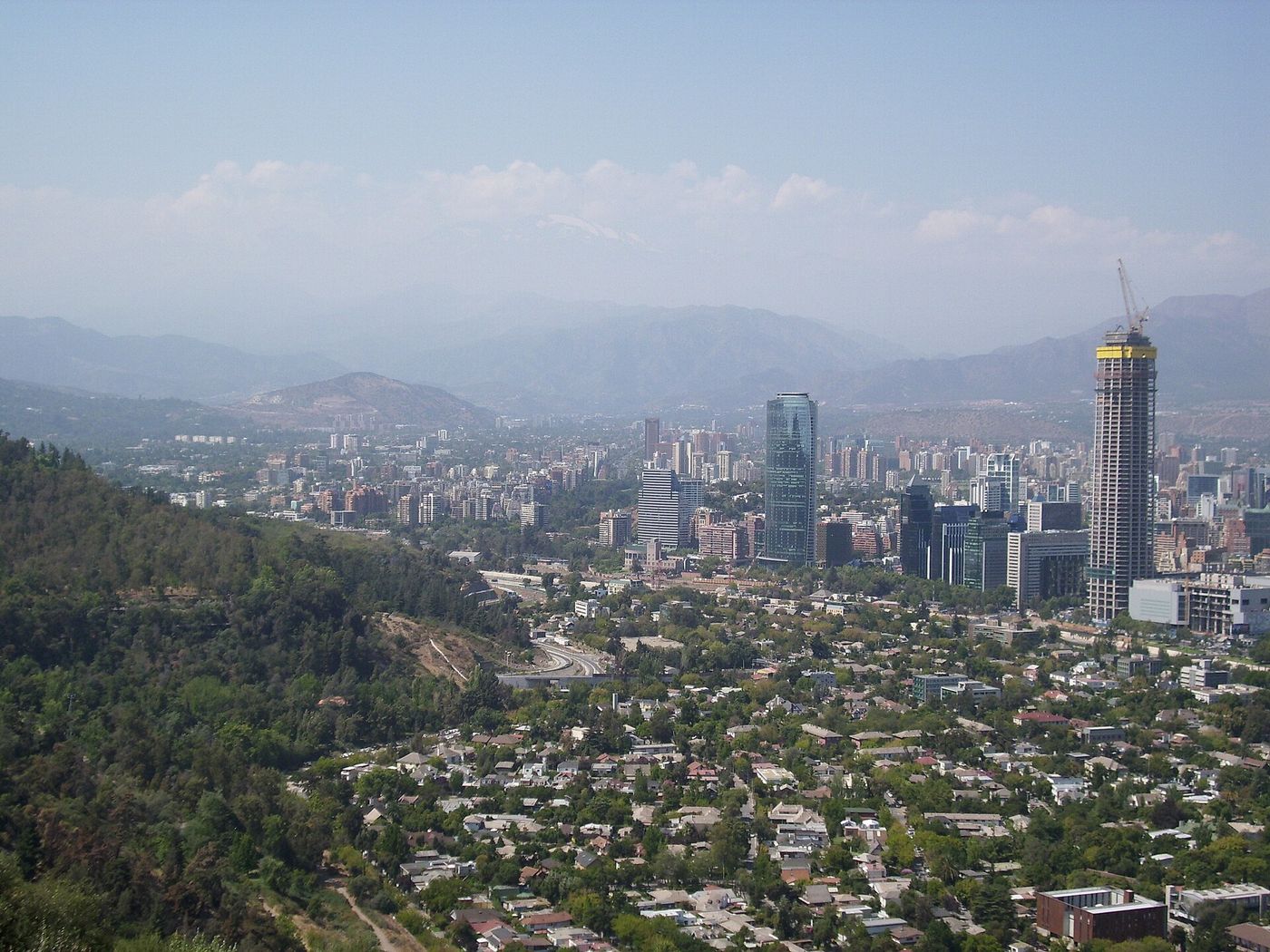
Los Leones and Tobalaba: business hotels, the big mall and Suecia
East again, the area around Los Leones station is Providencia’s corporate end. Office buildings line the avenue, international hotel brands cluster here and toward Tobalaba, and the streets feel more like neighboring Las Condes than like Manuel Montt.
Its landmark is the Costanera Center, the shopping complex at the eastern end of Providencia whose Gran Torre carries Sky Costanera, the observation deck at the top. Sky Costanera opens daily 10:00-22:00, with last entry at 21:00; adult tickets cost CLP 25,000 (about USD 26) and the sunset slot from 18:00 to 20:00 CLP 30,000 (checked September 2026). The nearest Metro station is Tobalaba, one stop east of Los Leones on Line 1 and the interchange with Line 4. Our shopping guide covers the mall itself.
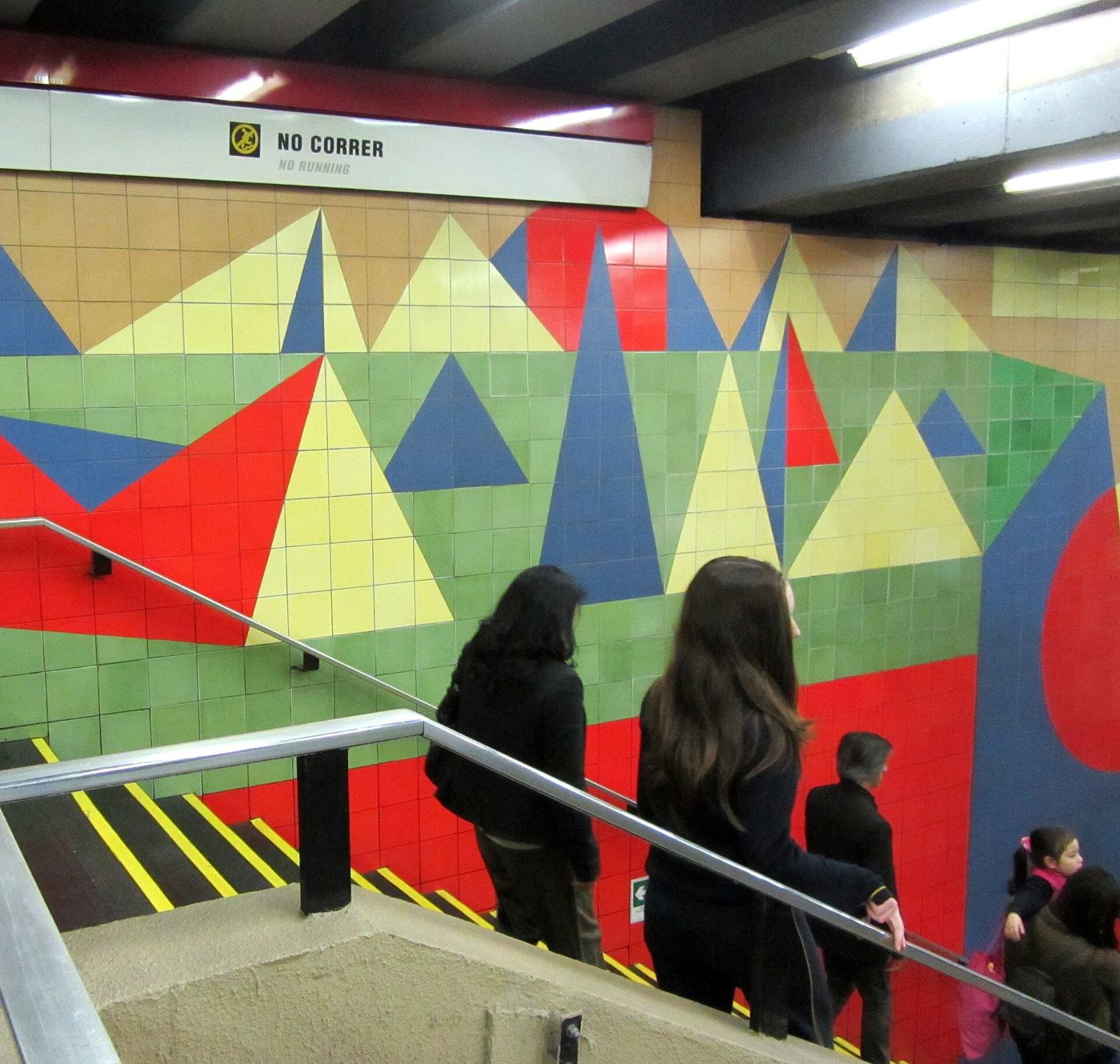
Los Leones station is worth a look even if you don’t stay here: its walls carry Geometría andina, a large geometric mural by the Chilean artist Ramón Vergara Grez, one of the most striking pieces of art on the network.
Barrio Suecia sits close by, a small grid of bars and clubs that is busy and loud at weekends. The UK government warns specifically of drink spiking in bars in the Suecia and Bellavista areas (checked September 2026). That’s no reason to avoid the neighborhood, but it is a reason not to book a room above it, and to watch your drink and take a booked car home if you go out there.
Who it suits: business travelers, anyone who wants an international chain with predictable standards, and shoppers.
Noise: low on the office blocks, high around Suecia late at night.
Verdict: practical and comfortable, but less characterful than Manuel Montt and further from the old center. Choose it for work, or if a particular hotel here is a good deal.
Salvador: closest to the center, closest to the protests
Salvador, the first Providencia station east of Baquedano, puts you closest to the old center and to Lastarria, Bellavista and Parque Forestal, which are a short ride or a long walk away. Along the river, Parque Balmaceda runs east from Plaza Baquedano, home to the Fuente del Bicentenario and a public bike-share dock.
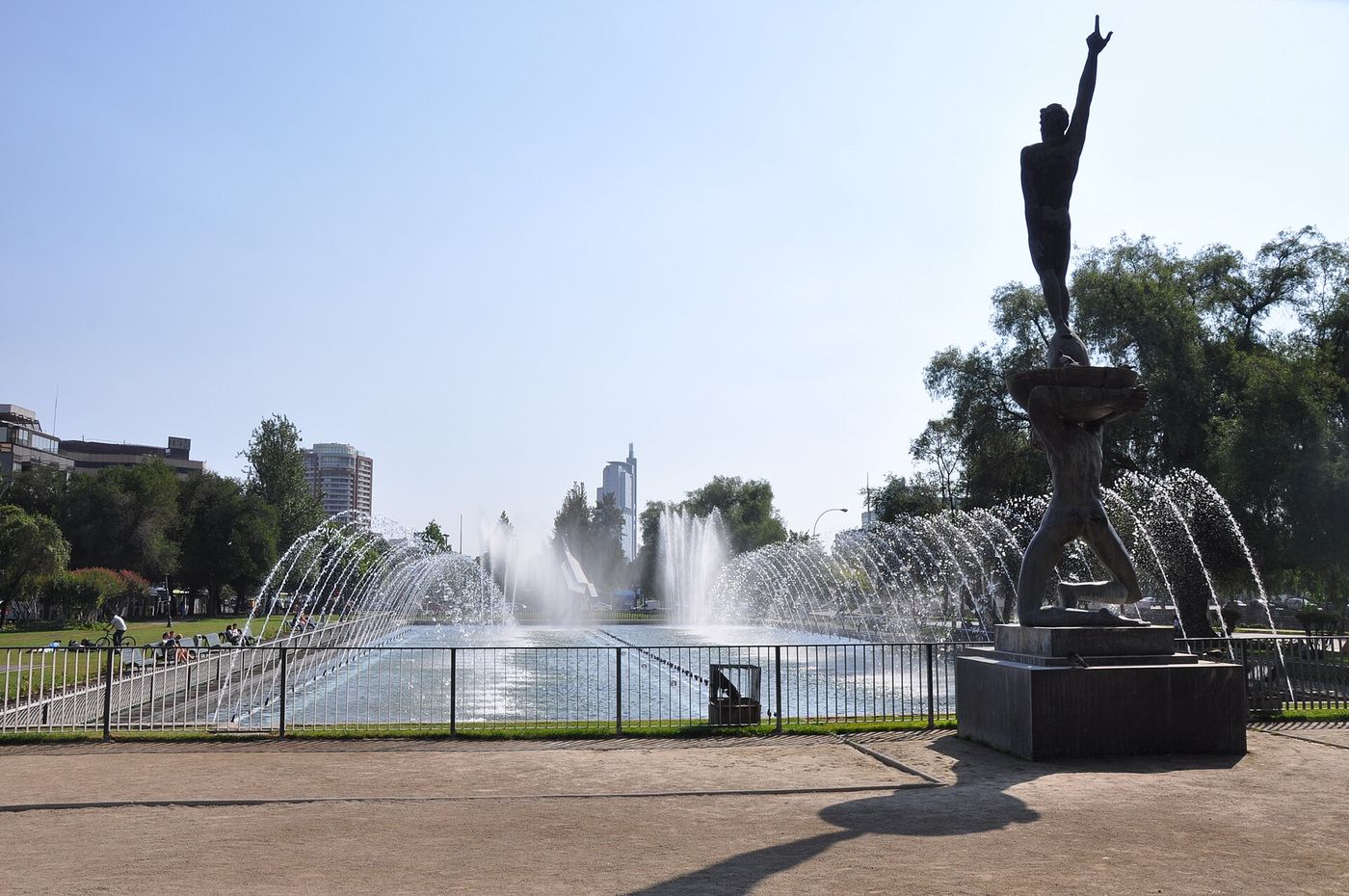
The catch is Plaza Baquedano itself, also known as Plaza Italia. It’s the traditional focal point for demonstrations in Santiago, and the Government of Canada names Plaza Italia / Plaza Baquedano as the protest hotspot, listing 29 March, 1 May, 11 September and 18 October as notable dates (checked September 2026). The UK government adds that protests in Santiago happen particularly on Friday afternoons, sometimes with tear gas and water cannon. Staying at the Salvador end of Providencia is fine on most days, but on those dates you’ll want to plan your route around the plaza and stay away from it.
Who it suits: budget-minded travelers who want Line 1 and a short ride to the sights, and anyone splitting their time between the center and the east.
Noise: medium. The avenues around Plaza Baquedano carry heavy traffic, and protest days can be loud.
Verdict: good value, as long as you check the news on Fridays and the key dates.
Providencia, Lastarria or Las Condes: the honest comparison
Most people deciding on Providencia are really choosing between three bases along Line 1. Using our main where-to-stay guide’s September 2026 measurements:
| Lastarria / Bellas Artes | Providencia | Las Condes / El Golf | |
|---|---|---|---|
| Typical double | CLP 90,000-190,000 | CLP 55,000-120,000 | CLP 130,000-350,000 |
| Walk to Metro | 3-8 minutes | 5-8 minutes | 3-8 minutes |
| To the Plaza de Armas, door to door | 12-18 minutes | 18-25 minutes | 30-40 minutes |
| Night noise | Medium | Low to medium | Low |
| Character | Historic, walkable, lively evenings | Residential, practical, good food | Modern towers, business hotels |
Read across the rows and the pattern is clear. Lastarria trades price for walkability, Las Condes trades distance for polish, and Providencia sits in the middle on every measure. That middle position is why it wins for longer stays: you never pay much of a premium for anything, and you never lose much time getting anywhere.
Where Providencia loses: on a two- or three-night trip, when Lastarria’s walkability is worth more than the money; and on a business trip to El Golf, when walking to the office is worth more than Providencia’s restaurants.
Choosing the block: avenue, parallel street or side street
Within any of these areas, the single biggest factor in a good night’s sleep is the block you choose.
| Where the hotel is | What it’s like | Book it if… |
|---|---|---|
| On Avenida Providencia itself | Busy, noisy, very convenient | Your room faces the back or is on a high floor |
| On Nueva Providencia, the parallel street one block north | Quieter, just as well connected | You want convenience without the avenue’s noise |
| On a residential side street | Calm, leafy, residential | You don’t mind a few minutes’ walk to the Metro |
| Near Barrio Suecia or the busiest bar blocks | Loud late at night, especially at weekends | You plan to go out there and sleep late |
| Near Plaza Baquedano | Busy, with protest risk on key dates | You’re on a budget and will check the news |
A few more rules of thumb:
- Count the minutes to Line 1. Most of Providencia is within about 5 to 8 minutes’ walk of a station, according to our main where-to-stay guide’s measurements. Anything further is a bus or ride-hail area.
- Ask for an interior or rear room if the building faces a main road. In Providencia’s apartment towers, the difference between a street-facing and a courtyard-facing room is dramatic.
- Check heating and air conditioning. Average July nights in Santiago drop to about 3.5°C and January days reach about 30°C (1991-2020 normals at Pudahuel). Older buildings vary a lot.
- Look for a 24-hour reception or concierge. Many apartment buildings have a conserje (concierge) at the door, often around the clock, which makes late arrivals and parcel deliveries easier.
Getting around from Providencia
Providencia’s great strength is Line 1, which runs under Avenida Providencia through Salvador, Manuel Montt, Pedro de Valdivia, Los Leones and Tobalaba. West, it takes you to Baquedano (for Bellavista and Line 5), Universidad Católica (for Lastarria), Santa Lucía and La Moneda; east, to Tobalaba, El Golf and the end of the line at Los Dominicos.
The Metro runs Monday to Friday 06:00-23:00, Saturday 06:30-23:00, and Sundays and holidays 07:30-23:00. Fares were CLP 735-895 depending on the time of day when checked in September 2026, with the highest fares at the morning and evening peaks. You can tap a contactless Visa or Mastercard at the gates, but the city’s buses still need a bip! card. Line 1 gets very crowded at rush hour, so if your days start early, expect a crush between 07:00 and 09:00. Our guide to getting around Santiago has the details.
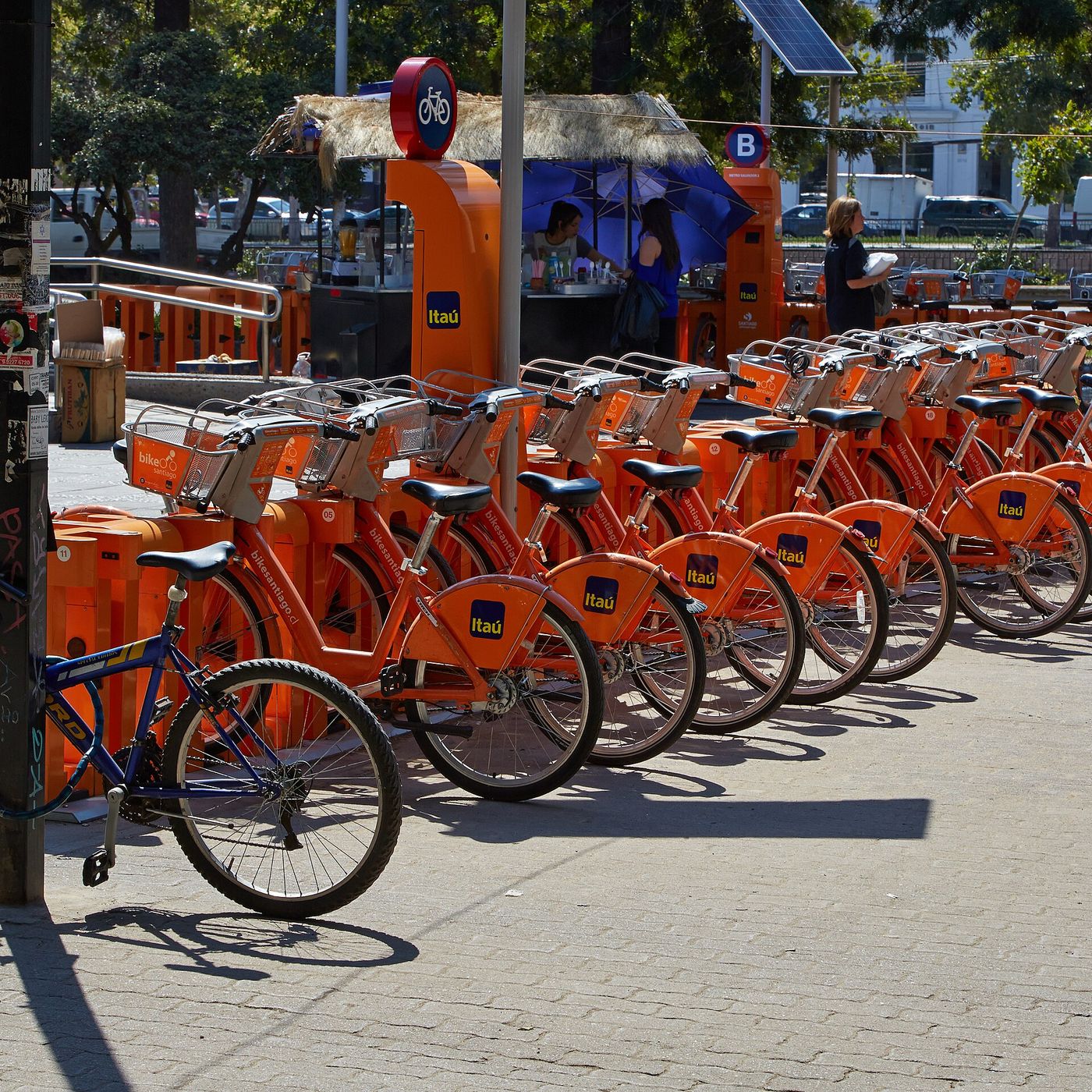
On foot and by bike. Providencia is flat and easy to walk, and the river parks, including Parque Balmaceda and the Parque de las Esculturas, make a green corridor along its northern edge. The city’s public bike-share has docks like the one above in Parque Balmaceda.
From the airport. The airport buses stop at Terminal Pajaritos, directly on Line 1, which our Santiago airport guide recommends for anywhere east of the center. With luggage, the bus to Pajaritos followed by a short ride-hail is often the best value; a ride-hail all the way typically costs CLP 18,000-28,000 and an official taxi CLP 25,000-35,000 (fares observed September 2026).
At night. After 23:00, when the Metro closes, use a ride-hail app or a booked taxi. Avoid hailing taxis in the street late at night, especially outside bars.
Day trips from a Providencia base
Providencia is also a good launch pad for the trips out of the city, because Line 1 and its interchanges reach the main departure points without crossing the center:
- Valparaíso and the coast. Intercity buses to Valparaíso leave from Terminal Pajaritos, near the western end of Line 1, and from the Alameda terminals; Pajaritos means one direct Metro ride from any Providencia station.
- The Maipo wine valley. From Tobalaba, Line 4 runs south to Plaza de Puente Alto, where a short colectivo ride reaches Concha y Toro and the Pirque estates. Our Maipo Valley wine tour guide covers the other routes into the valley.
- The Cajón del Maipo. Buses up the valley leave from Metro Bellavista de La Florida on Line 5; change at Baquedano. Our Cajón del Maipo travel guide has the details and the rules for El Morado and El Yeso.
- Organized tours. Many tour operators pick up in Providencia, so ask whether your hotel is on the pickup list when you book.
For how the options compare, see our guide to day trips from Santiago.
Everyday life and food
The reason long-stay visitors love Providencia is the ordinary stuff. Supermarkets, pharmacies, laundries, bakeries and clinics sit on almost every few blocks, and they serve residents rather than tourists, which keeps prices honest. By day five of a trip, being able to buy groceries, wash clothes and find a decent lunch without a plan matters more than any view.
Food is the other draw. Visit Santiago singles out two of its official barrios here: Manuel Montt for its density of bars and restaurants on cobbled streets, and Orrego Luco for international cuisine among French-style houses (checked October 2026). Between them, and along the avenue, you’ll find everything from neighborhood picadas serving Chilean classics to wine bars and international restaurants. Our guide to the best food in Santiago covers what to order and where.
Two habits help. Chileans eat lunch late and dinner later, so many restaurants fill from about 14:00 at lunch and after 21:00 at dinner. And the menú del día, a fixed-price set lunch, is the best-value meal in the city; look for the chalkboards outside on weekdays.
A Providencia day on foot
You don’t need to leave Providencia to fill a day, and doing so on foot shows you why people choose to live here. This is an easy route along Line 1 and the river, best from Tuesday to Sunday, when the teleférico runs:
- Morning: Parque Balmaceda. Start at Salvador and walk east through Parque Balmaceda along the river, past the Fuente del Bicentenario.
- Late morning: Parque de las Esculturas. Continue along the Mapocho to the sculpture park, with Sergio Castillo’s bull and Marta Colvin’s Pachamama among the works on the lawns.
- Midday: up Cerro San Cristóbal. Cross the river into Pedro de Valdivia Norte and take the teleférico from its base on Avenida El Cerro up to the top of the hill (Tuesday to Sunday, 10:00-19:45 in summer; checked October 2026). Come down the same way, or ride across to the Bellavista side.
- Afternoon: Orrego Luco and Manuel Montt. Back south of the river, walk the side streets around Orrego Luco and Manuel Montt for coffee and a late lunch.
- Sunset: Sky Costanera. Ride Line 1 east to Tobalaba for the sunset slot at Sky Costanera (CLP 30,000, 18:00-20:00; checked September 2026), then come back west for dinner.
Hours and prices change, so check the teleférico and Sky Costanera before you go, and remember that the teleférico is closed on Mondays.
What does a hotel in Providencia cost?
A typical double runs CLP 55,000-120,000 (about USD 58-126) a night in shoulder season, according to our September 2026 rate check, roughly a third less than a comparable room in Lastarria. International chains near Los Leones and Tobalaba tend to sit at the top of that range.
Seasonal swings matter more than location within Providencia:
| Season | What happens to prices |
|---|---|
| June to August | Low season, the cheapest time to book |
| March to May and September to November | Shoulder season, the bands above |
| December to February | Higher in the tourist areas; business hotels near Los Leones often discount |
| Fiestas Patrias, 18-19 September | The biggest domestic travel weekend of the year; book early |
| Big events, such as Lollapalooza Chile on 12-14 March 2027 | Hotels across the city fill |
Rate bands from our main where-to-stay guide, checked September 2026; they’re a guide to the shape of the market, not a quote.
One saving worth knowing: foreign tourists can be exempt from Chile’s 19% VAT on hotel accommodation when they pay in foreign currency or with a foreign-issued card at a hotel registered for the scheme, showing a passport and tourist card. Ask the hotel before booking whether it applies the exemption. For the rest of the trip’s budget, see what a trip to Santiago costs.
Staying in Providencia with a car
If you’re renting a car for trips to the mountains, the coast or the wine valleys, Providencia is a better base than Lastarria or Centro. Hotels and apartment buildings here are more likely to have their own garages, and the urban highway along the Mapocho gives quick access east toward Las Condes and the mountain roads and west toward the airport and the coast outside rush hour. Ask about parking, its price and its height limit before you book, and avoid driving across the city at the morning and evening peaks.
Apartments and apart-hotels for longer stays
Providencia is the natural place in Santiago for a stay of a week or more in an apartment or an apart-hotel, with a kitchen, a washing machine and room to spread out. The apartment towers that make the skyline unglamorous are exactly what makes it practical.
What to check before booking an apartment:
- The building’s entry rules. Many buildings have a concierge who checks in guests; make sure your host has registered you, especially if you arrive late.
- Heating. Ask what kind it is. A small electric heater in a large living room is a cold July.
- Which way it faces. North-facing apartments get the sun in winter, which in Santiago’s Southern Hemisphere location makes them warmer and brighter; south-facing ones stay cooler in summer.
- The floor and the street. High floors on side streets are quietest; low floors on the avenue are loudest.
- Laundry and supermarkets nearby. In Providencia they almost always are, which is half the point.
For families, the area around Pedro de Valdivia combines apartments with the river parks and the teleférico. Our guide to Santiago with kids covers what to do with children across the city.
Providencia with children
For families, the Pedro de Valdivia end of Providencia has a big advantage: Cerro San Cristóbal’s park is just across the river, and the teleférico from Pedro de Valdivia Norte is the easy way in. The operator’s own site lists what’s up there, including the Jardín Japonés, an adventure park and a children’s version of it, mini golf and the hilltop sanctuary with its statue of the Virgin (checked October 2026).
The Zoológico Nacional, on the Bellavista side of the hill, reopened on 28 January 2026. Entry is free but must be booked in advance on the park’s reservation site, it opens Tuesday to Sunday, 10:00-17:00, and it caps visitors at 4,000 a day (checked September 2026). The Piscina Tupahue, the hilltop pool, is a summer-only affair; its 2025-26 season ended on 15 March 2026, and adult entry was CLP 7,000 last season, so check the new season’s dates and prices before promising anyone a swim.
Back on the flat, the river parks are good for scooters and bikes, and apartments with a kitchen make mealtimes easier. Note that the teleférico and the zoo both close on Mondays, as do most of Santiago’s museums, so plan the week around that. Our guide to Santiago with kids covers the rest of the city.
When Providencia is the wrong choice
Providencia suits most longer trips, but it’s honestly the wrong base in a few cases:
- A two- or three-night first visit. You’ll spend too much of a short trip on the Metro. Stay in Lastarria and walk.
- A trip built around nightlife. Providencia has bars, but the walk home from Bellavista is long and, late at night, better done by car. If going out is the point, stay close to where you’ll go out, on a quiet street.
- Business in El Golf or further east. Las Condes puts you within walking distance of the offices, which beats any Metro ride at rush hour.
- A craving for old-world atmosphere. If you want cobbles, colonial churches and 19th-century facades outside your window, Lastarria, Bellas Artes and Barrio Yungay deliver more of it.
If any of those describe your trip, our guide to the best area to stay for a first visit and the main where-to-stay guide cover the alternatives.
Is Providencia safe?
Yes, by Santiago’s standards: it’s mainly residential and middle class, and its side streets are calm in the evening. The usual city precautions still apply: watch your phone on café terraces and in the Metro, take booked cars late at night, be careful with drinks in Barrio Suecia, and avoid Plaza Baquedano on protest days.
The advisories, as checked in September 2026: the US Department of State rates Chile Level 2, “Exercise Increased Caution”, and the UK government warns that pickpocketing and mugging are very common in Santiago, with distraction thefts and drink spiking in the Suecia and Bellavista areas. The Government of Canada names Plaza Italia / Plaza Baquedano as the city’s protest focal point. Our Santiago safety guide covers the details and what to do if something goes wrong.
Accessibility. Providencia is one of the easier parts of Santiago for travelers with limited mobility. The terrain is flat, sidewalks along the main avenues are wide, and many hotels and apartment buildings are modern, with elevators. Check step-free access to reception and to your nearest Metro station before booking, since both vary. Our guide to accessible Santiago has more.
Providencia or somewhere else?
Providencia is the right base for most trips of five nights or more. It isn’t always the right one:
- For a first trip of three or four nights, Lastarria and Bellas Artes put more of the sights within walking distance; our guide to the best area to stay in Santiago for a first visit compares them sight by sight.
- For business in the towers of El Golf, stay in Las Condes itself and walk to your meetings.
- For a repeat visit, Barrio Italia and Ñuñoa, a short ride south, offer a more local feel.
- For nightlife, stay in Providencia and visit Bellavista or Suecia, rather than sleeping above the bars; our Santiago nightlife guide has the best of both.
For food, our guide to the best food in Santiago covers what to eat and where, including Providencia’s restaurant streets. And for every other neighborhood in the city, from hostels in Barrio Brasil to five-star hotels in Las Condes, the complete guide to where to stay in Santiago has the rest.
Frequently asked questions
Is Providencia a good area to stay in Santiago?
Yes, especially for stays of five nights or more. It’s mostly residential, safe by Santiago standards, full of restaurants and services, and on Metro Line 1, which reaches the old center in 10 to 15 minutes. A typical double costs CLP 55,000-120,000, about a third less than in Lastarria (September 2026).
Which Metro station in Providencia is best to stay near?
Manuel Montt for restaurants and small hotels, Pedro de Valdivia for green space and the teleférico, Los Leones for business hotels and the Costanera Center, and Salvador for the shortest ride to the old center. All four are on Line 1, and most of Providencia is within 5 to 8 minutes’ walk of one.
Is Providencia safe at night?
The residential side streets are calm in the evening, and Providencia is one of the safer parts of Santiago to stay in. Take booked cars late at night, watch your drink in Barrio Suecia, which the UK government flags for drink spiking, and avoid Plaza Baquedano on protest days.
How far is Providencia from the city center?
About 10 to 15 minutes on Metro Line 1 from Manuel Montt or Pedro de Valdivia to the old center, and less from Salvador. On foot, the western edge of Providencia is a long walk from Lastarria and the Plaza de Armas, but most visitors ride.
Is Providencia better than Lastarria?
For longer stays and smaller budgets, yes: rooms cost roughly a third less, nights are quieter and daily life is easier. For a first trip of three or four nights, Lastarria wins, because you can walk to most of the main sights. Many travelers split the stay: Lastarria first, then Providencia.
Is Barrio Suecia a good place to stay?
Not for most people. It’s a small cluster of bars and clubs near Los Leones, busy and loud at weekends, and the UK government warns of drink spiking in its bars. Stay a few blocks away in Providencia and visit if you want a night out.
Can you see Cerro San Cristóbal from Providencia?
You can get up it easily. The teleférico’s base on Avenida El Cerro, in Pedro de Valdivia Norte across the river, carries you up Cerro San Cristóbal, Tuesday to Sunday, 10:00-19:45 in summer and 10:00-18:45 in winter, closed on Mondays (checked October 2026).
Is the Costanera Center in Providencia?
Yes, at the eastern end of Providencia near Tobalaba station on Lines 1 and 4. Its Gran Torre holds Sky Costanera, open daily 10:00-22:00 with last entry at 21:00, adult tickets CLP 25,000 and sunset tickets CLP 30,000 (checked September 2026).
Sources
- Visit Santiago: Barrio Providencia (Orrego Luco)
- Visit Santiago: Barrio Manuel Montt
- Teleférico Santiago
- Sky Costanera
- Metro de Santiago: fares and hours
- Metro de Santiago: contactless payment
- US Department of State: Chile travel advisory
- UK FCDO: Chile safety and security
- Government of Canada: travel advice for Chile
- Dirección Meteorológica de Chile: climate normals, Santiago Pudahuel
- Lollapalooza Chile 2027
- Servicio de Impuestos Internos: dólar observado 2026
Image credits
| Photo | Credit |
|---|---|
| Gran Torre Costanera (top of page) | Hector Garcia, CC BY-SA 2.0, via Wikimedia Commons |
| Heritage zone near Manuel Montt | Ernestoamenabar, CC BY-SA 3.0, via Wikimedia Commons |
| Parque de las Esculturas | Penarc, CC BY-SA 3.0, via Wikimedia Commons |
| Teleférico, Oasis station | Carlos yo, CC BY-SA 4.0, via Wikimedia Commons |
| Pedro de Valdivia Norte | Jorgebarrios, CC BY-SA 3.0, via Wikimedia Commons |
| Geometría andina, Metro Los Leones | Rodrigo Fernández, CC BY-SA 4.0, via Wikimedia Commons |
| Fuente del Bicentenario, Parque Balmaceda | Jorge Láscar from Australia, CC BY 2.0, via Wikimedia Commons |
| Bike-share, Parque Balmaceda | Christer T Johansson, CC BY 3.0, via Wikimedia Commons |