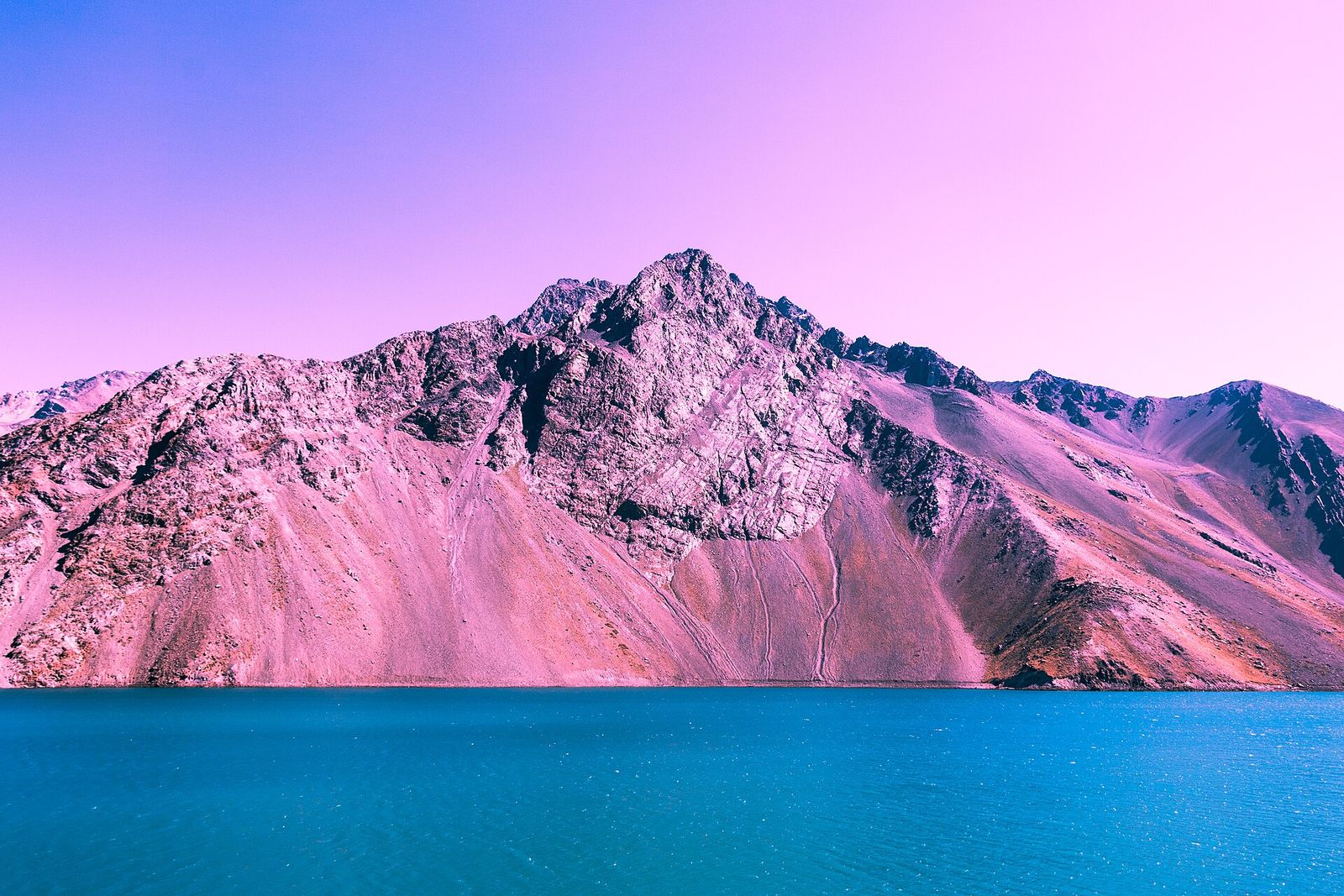
Embalse El Yeso is the turquoise reservoir high in the Cajón del Maipo, about 100 km and two and a half to three hours from Santiago, and right now you can only visit it with a certified guide or tour. On 1 October 2026 the park was still in winter mode, with route G-455 closed from km 21.7. In summer it opens Thursday to Monday, last entry 11:00, for CLP 3,450.
This Embalse El Yeso travel guide covers both versions of the place: the summer reservoir you can drive to, and the winter park you can only enter with an operator, via the Puente Caya sector toward the natural lagoons of El Encañado and Laguna Negra. It explains how to check which mode is in force, how to get there, what it costs, and whether the long, dusty road is worth it. For El Yeso in the context of the whole valley, see our Cajón del Maipo travel guide, and for every other mountain day from the city, our guide to hiking and outdoor activities near Santiago.
El Yeso at a glance
| Winter mode (in force 1 Oct 2026) | Summer mode | |
|---|---|---|
| Who can enter | Only visitors with a certified guide or tour operator | Anyone, by car or with a tour |
| Road | G-455 closed from km 21.7 | Open, unpaved over the last stretch |
| What you can visit | Puente Caya sector toward Laguna El Encañado and Laguna Negra | The reservoir and the Cortina del Embalse trail across the dam wall |
| Days and hours | Through your operator | Thursday to Monday, 08:00-18:00 |
| Last entry | Through your operator | 11:00 (dam trail 16:00) |
| Entry | Park fees as listed, plus the tour | Adult CLP 3,450; 60+ and children 2-14 CLP 2,300 |
| Verdict | A guided mountain walk to two natural lagoons | The classic turquoise view, with rules |
Checked 1 October 2026 on the park operator’s page. Prices include the service charge, and dollar figures elsewhere on this page use about CLP 950 to the US dollar.
The park is run by the Asociación Parque Cordillera, a non-profit group of seven Santiago-region municipalities that manages several mountain parks around the city. It now presents the area as the Parque El Yeso – Laguna Negra, created to protect the reservoir and the natural lagoons around it. That shift, from a free-for-all viewpoint to a managed park with hours, tickets and a winter regime, is the most important thing to understand before you go.
Is Embalse El Yeso open right now?
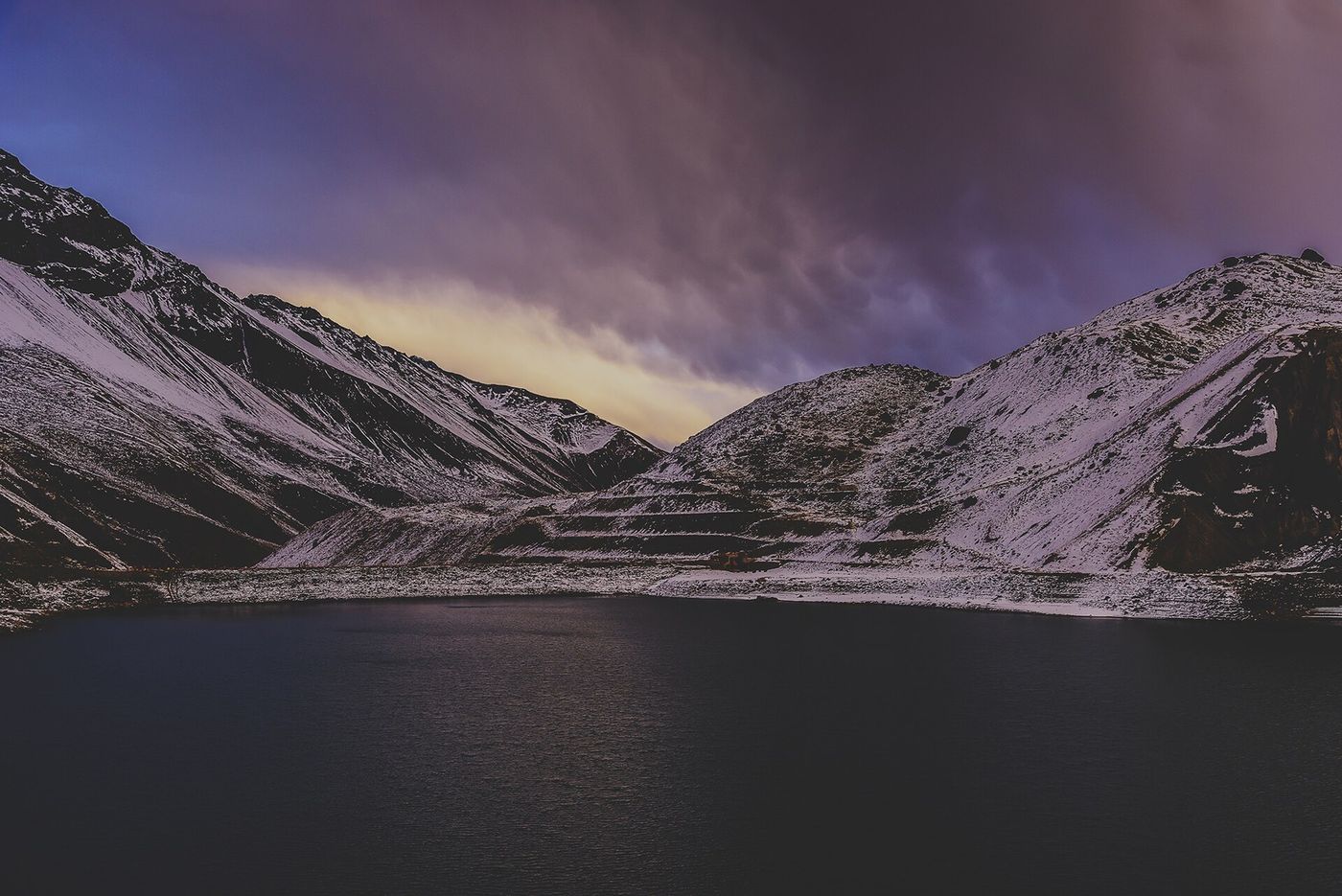
Not to independent visitors. On 1 October 2026 the operator listed the park as open only in winter mode: entry with a certified guide or tour operator, via the Puente Caya sector, with the reservoir sector itself closed because route G-455 is shut from km 21.7. Check the operator’s park-status page the week you travel.
How to check, in order of reliability:
- The operator’s park page. The Asociación Parque Cordillera’s page for El Yeso shows the current status at the top, in Spanish: “Parque cerrado” with “Parque abierto solo en modalidad invernal” means winter mode, guided entry only. Its separate park-status page covers all the association’s parks.
- Phone. The park’s office line is +56 2 3377 6287, with an emergency number of +56 9 5528 5477 (both listed 1 October 2026).
- Your operator. Certified operators know the current rules and whether summer access has started, because their permits depend on it.
What not to rely on: older blog posts and even official tourism pages. A chile.travel post updated in January 2026 described a Friday-to-Sunday schedule with reservations through a ticketing site, and in September 2026 the park ran Thursday to Monday. The rules move, and stale information is the most common way to waste a five-hour round trip.
The road rule is the one fixed point. Private vehicles are banned on G-455 from km 21.7 between April and August (checked September 2026), and in 2026 the park was still in winter mode in October, after that window ended. When summer mode returns depends on snow, the condition of the road and the operator’s decision, not a calendar date.
How do you get to Embalse El Yeso?
By car in summer mode, or with a tour operator in any season; the operator lists no public transport to the reservoir. The drive is about 100 km and two and a half to three hours each way: route G-25 up the Cajón del Maipo, then G-455, gravel over the final stretch, to the dam.
By car (summer mode only). Leave Santiago through Puente Alto and follow route G-25, the Camino al Volcán, up the Cajón del Maipo past San José de Maipo. Higher up the valley, route G-455 branches off and climbs toward the reservoir. Chile’s tourism board describes the final stretch as mountainous gravel and says a 4×4 is essential; in practice the road is washboarded, dusty and slow, and a low car makes it miserable even when it’s legal. Allow two and a half to three hours each way. Fill up before you leave the city, take cash, food and water, and assume you’ll have no phone signal at the top.
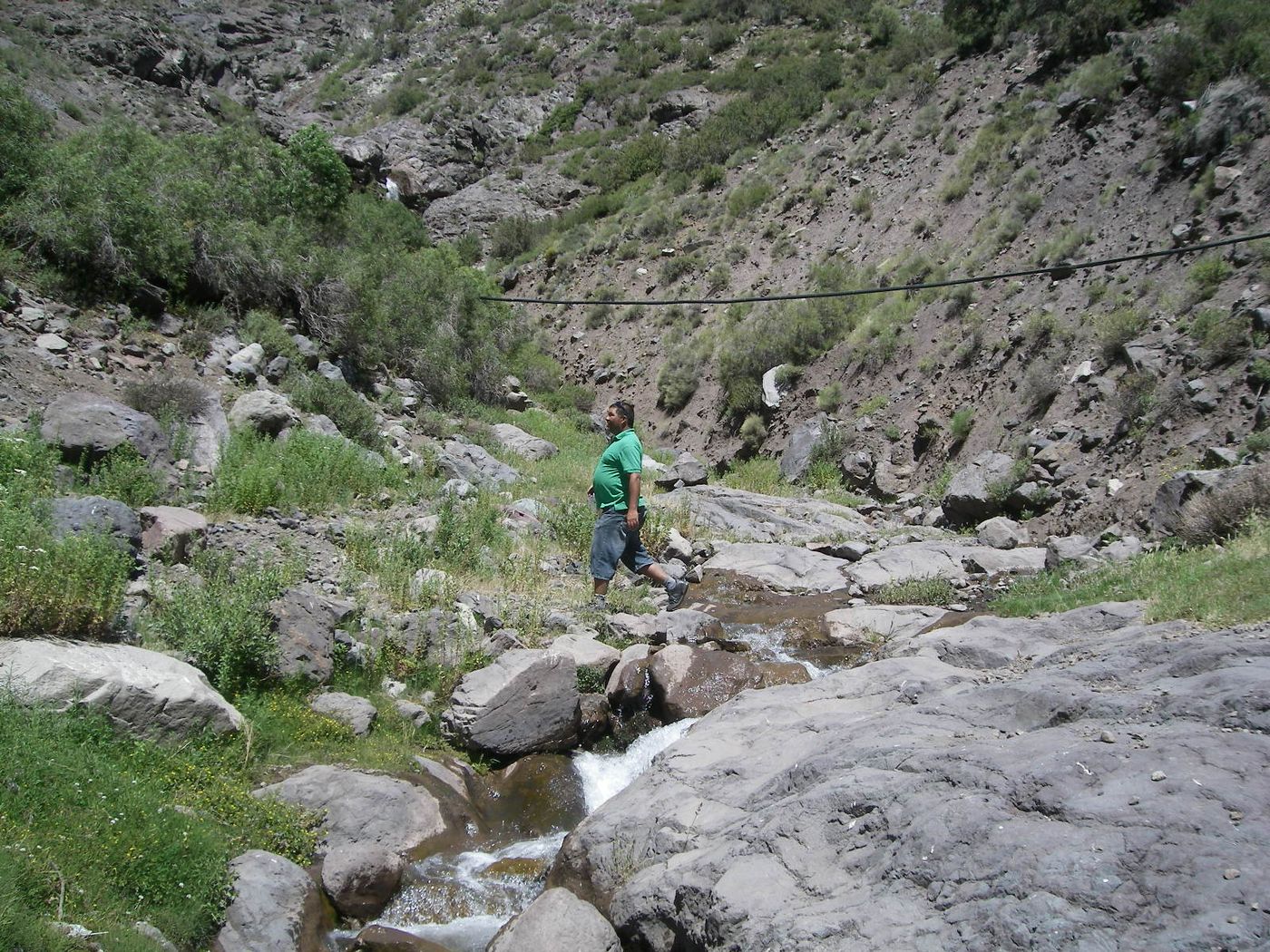
With a tour (any season). Tours are the only option in winter mode and the easy option in summer. The operator publishes a registry of guides and tour operators certified for the winter operation; the September 2026 list names 15 companies, from large Santiago operators such as Turistik to small outdoor outfits including Andes Hike, Puma Adventures, Raco Travel and Chile Extreme. On the ticketing platform tur.com, one El Yeso day tour listed in October 2026 ran 10 hours with transport included, lunch not included, a Spanish-speaking guide and pickups in Santiago Centro, Estación Central, Providencia, Vitacura and Las Condes, with free cancellation before the deadline. Compare what each tour includes, especially entry fees and whether it goes to the reservoir or, in winter mode, to the lagoons.
By public transport. There isn’t any to El Yeso itself. Buses run up the Cajón del Maipo, and CONAF lists services for El Morado further up, but the operator lists only private cars and tour transport for El Yeso. Don’t plan to hitchhike the last stretch; in winter it’s closed, and in summer you’d risk missing the 11:00 last entry.
For the rest of the valley’s transport and the stops on the way up, see our Cajón del Maipo travel guide.
Choosing a tour: what to ask before you pay
Because winter mode makes an operator compulsory and summer mode makes one convenient, most visitors to El Yeso arrive on a tour. They vary more than the listings suggest, and a few questions sort them out:
- Is the operator on the park’s certified registry? In winter mode this isn’t optional. The registry is a PDF linked from the park’s own page; the September 2026 version lists 15 operators.
- Where exactly does the tour go? In winter mode, the reservoir sector is closed and the guided route heads from Puente Caya toward the lagoons. A tour sold with photographs of turquoise water in July is selling you something the park doesn’t currently allow.
- How much walking is involved, and at what altitude? The dam walk in summer is short and easy; the winter route to the lagoons is a mountain hike. Ask for the distance, the time on foot and the equipment you need.
- What does the price include? Transport, park entry, a guide, lunch and any equipment are all sometimes included and sometimes not. The tour listed on tur.com in October 2026 included transport but not lunch.
- What language is the guide? That same listing offered a Spanish-speaking guide only. If you need English, ask before you book rather than on the bus.
- Where is pickup, and when? Pickup points listed for that tour were Santiago Centro, Estación Central, Providencia, Vitacura and Las Condes. Early starts are normal, since summer last entry is 11:00.
- What happens if the rules change or the road closes? Mountain weather and park decisions can change at short notice. Read the cancellation terms; the tur.com listing offered a full refund if you cancel before its deadline.
A good operator answers all seven in writing without fuss. If one can’t tell you whether its tour reaches the reservoir or the lagoons, book with someone else.
What can you do at El Yeso?
In summer mode, the park offers one marked trail and a lot of standing and looking. The operator lists hiking, mountaineering, birdwatching and photography as the permitted activities, and bans pets and drones (checked 1 October 2026). Swimming isn’t one of them.
| Trail | Length | Difficulty | Last entry | Season |
|---|---|---|---|---|
| Cortina del Embalse | About 3 km return | Low | 16:00 | Summer mode |
| Laguna El Encañado and Laguna Negra | Laguna Negra trail about 5.7 km each way on the park’s own map | Mountain walk | Through your operator | Winter mode, guides only |
Trail data from the operator’s page (October 2026). The Laguna Negra distance is our measurement of the trail line in the park’s downloadable map file, and the guided winter route starts from the Puente Caya sector, so your operator’s route may differ.
The Cortina del Embalse. The summer walk is short and easy: about 3 km there and back, with views over the water and a crossing of the dam wall itself, the cortina. At around 2,500 m, even an easy walk is slower than it would be in the city, so take it gently.
The shore. Chile’s tourism board says access to the reservoir’s shore is restricted for safety reasons and that the water is best seen from the road. This is Santiago’s main water reserve, not a lake for swimming, and the water is cold enough to be dangerous anyway. Don’t swim, wade or launch anything onto it unless an operator has a permit to do so.
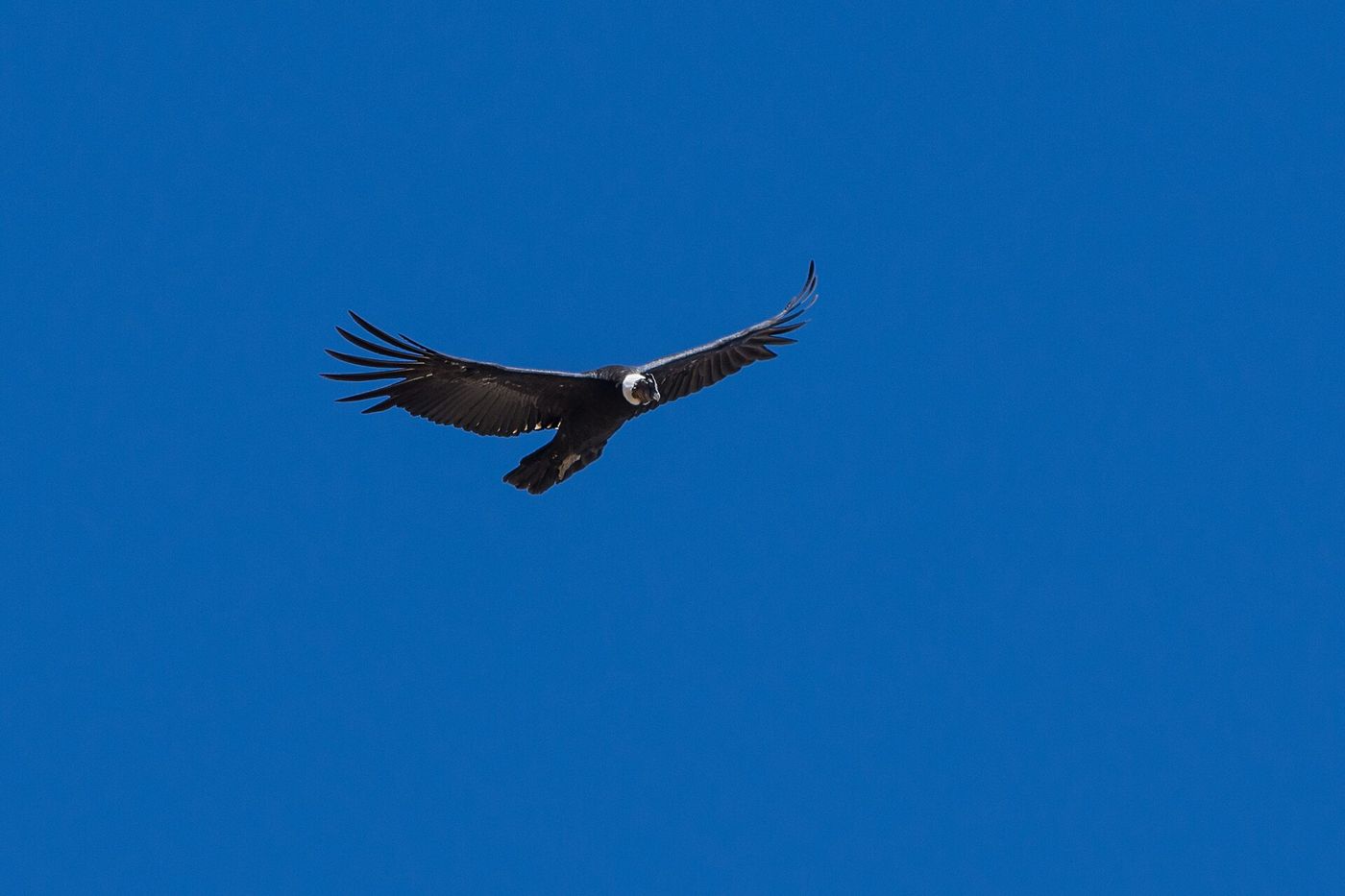
Wildlife. Chile’s tourism board lists Andean condors, guanacos and culpeo foxes around the reservoir. Watch the thermals over the ridges for condors in the middle of the day, and don’t feed the foxes, which have learned that visitors mean food.
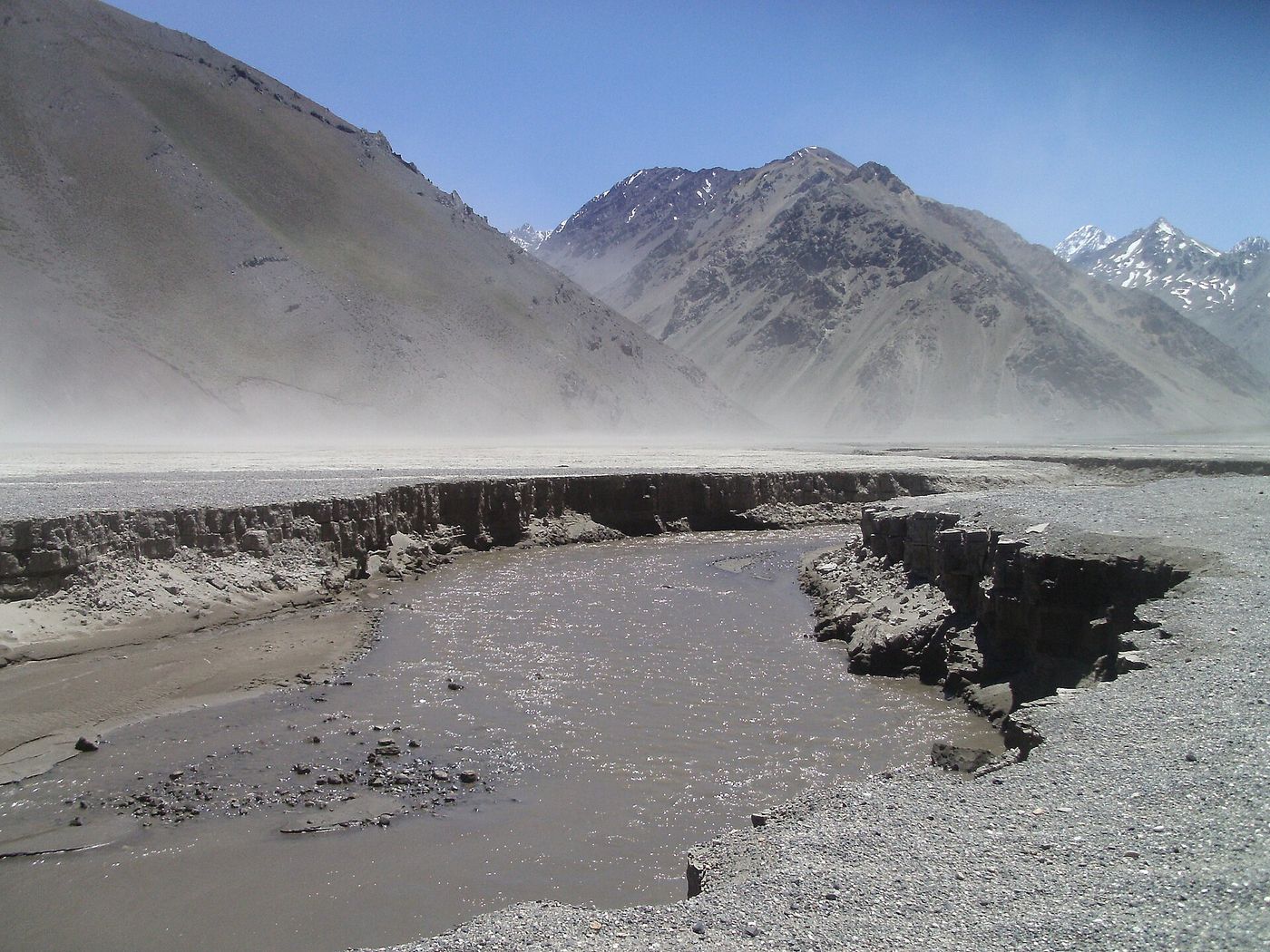
Photography. The famous color depends on light and season. The turquoise is strongest in clear midday sun; on overcast days the water goes slate gray, and in the afternoon the wind often whips dust across the valley. If the photograph is the point, choose a clear, calm morning.
Photographing El Yeso
El Yeso is one of the most photographed places near Santiago, and a few practical points make the difference between the postcard and a gray lake in a dust storm.
Light. The turquoise depends on sun. Clear skies and a high sun bring out the color most strongly; overcast skies flatten it to slate gray, whatever the season. In summer mode the 11:00 last entry means you’ll arrive in the morning, which is usually the calmest part of the day, and you can stay into the early afternoon as the sun climbs.
Wind and dust. The valley wind tends to build through the afternoon and can lift dust and grit off the dry slopes and riverbed. Keep lenses capped between shots, change lenses inside the car or a bag, and bring a cloth for the filter. A polarizing filter helps cut glare on the water and deepens the color, but don’t overdo it at altitude, where the sky already turns very dark blue.
Drones. They’re banned in the park (checked 1 October 2026). The aerial photographs you’ve seen were either taken with permission or before the rules; don’t assume you can repeat them.
The dam wall. The Cortina del Embalse trail crosses the dam itself and gives the classic long view up the reservoir, with the mountains reflected on calm mornings. It’s also the easiest viewpoint to reach, which makes it the busiest on summer weekends.
Wildlife. Condors usually appear once the air warms and the thermals start, from late morning. A longer lens helps, and so does patience; scan the ridgelines rather than the sky above you.
The winter route: El Encañado and Laguna Negra
Winter mode isn’t just a closure. It moves visitors away from the reservoir and up to the natural lagoons above it, on a guided route that starts at the Puente Caya sector and heads toward Laguna El Encañado and Laguna Negra (checked 1 October 2026).
These are a different experience from the reservoir. Laguna Negra and El Encañado are natural lakes rather than a dammed one, darker than El Yeso’s milky turquoise, and ringed by peaks that hold snow well into spring. The walk is a real mountain hike at altitude, not a stroll from a car park, and in the cold months it means snow, ice and short days. That’s why the operator requires certified guides: they carry the right equipment, know the route in snow, and are accountable for their groups.
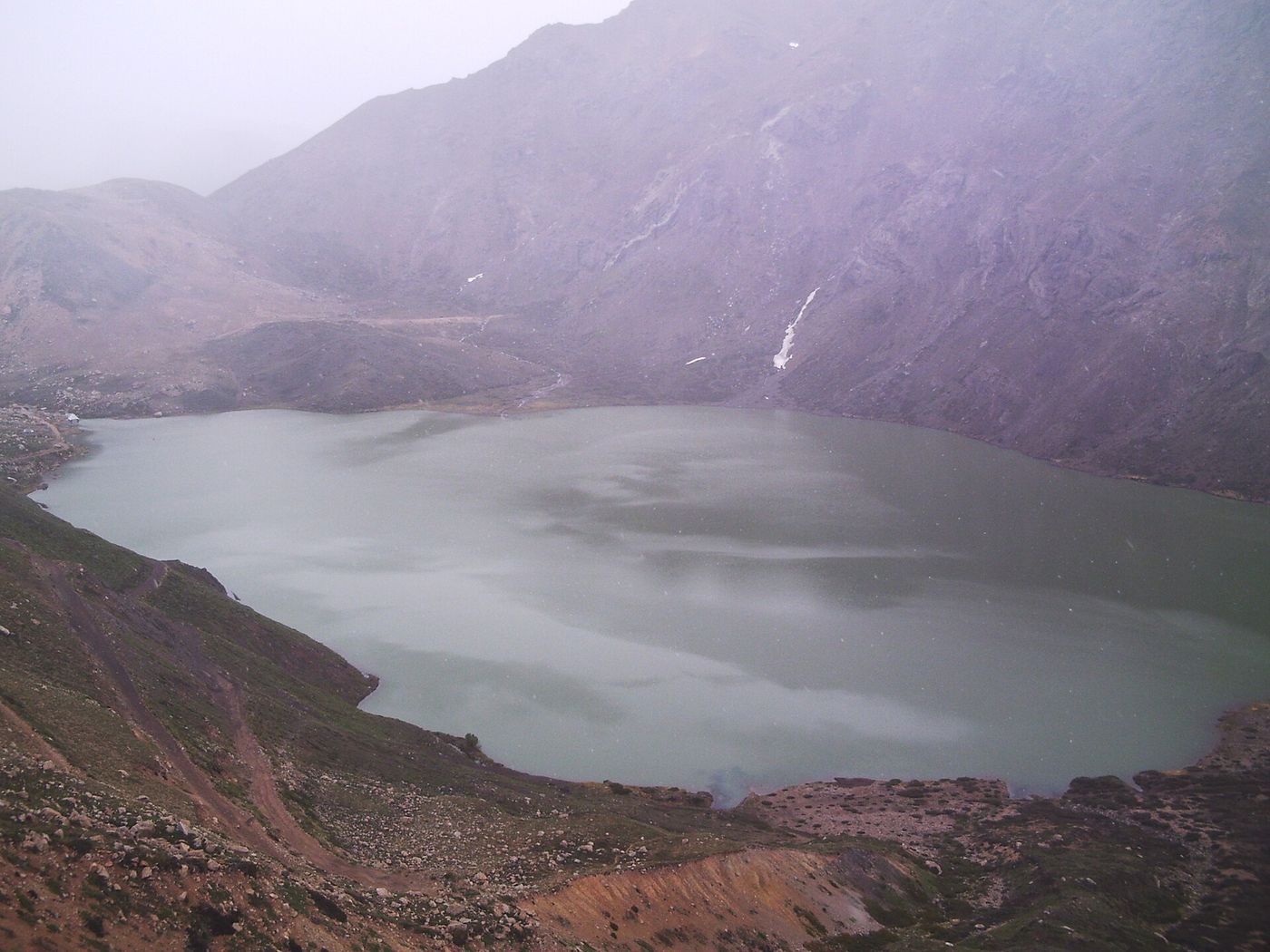
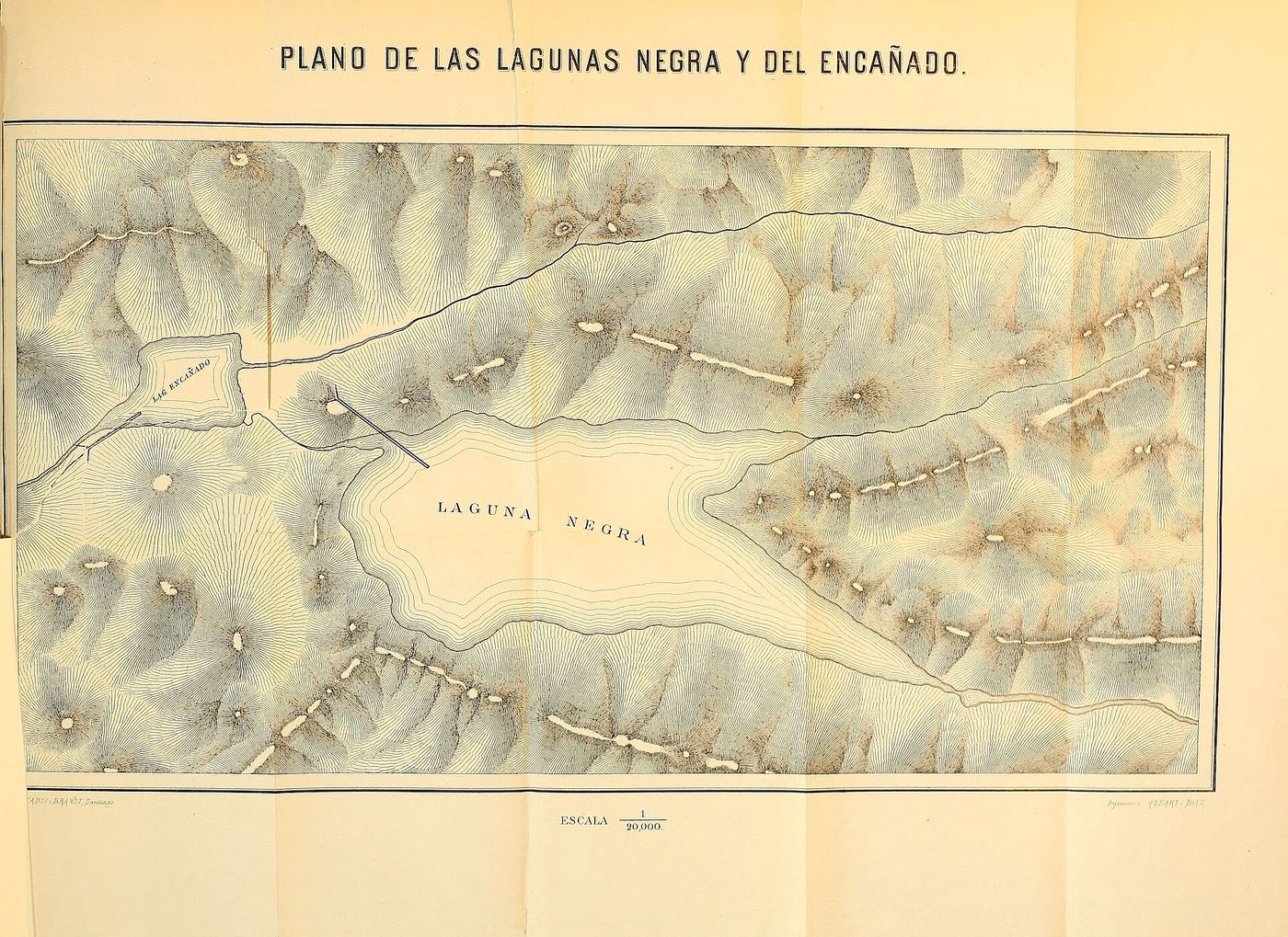
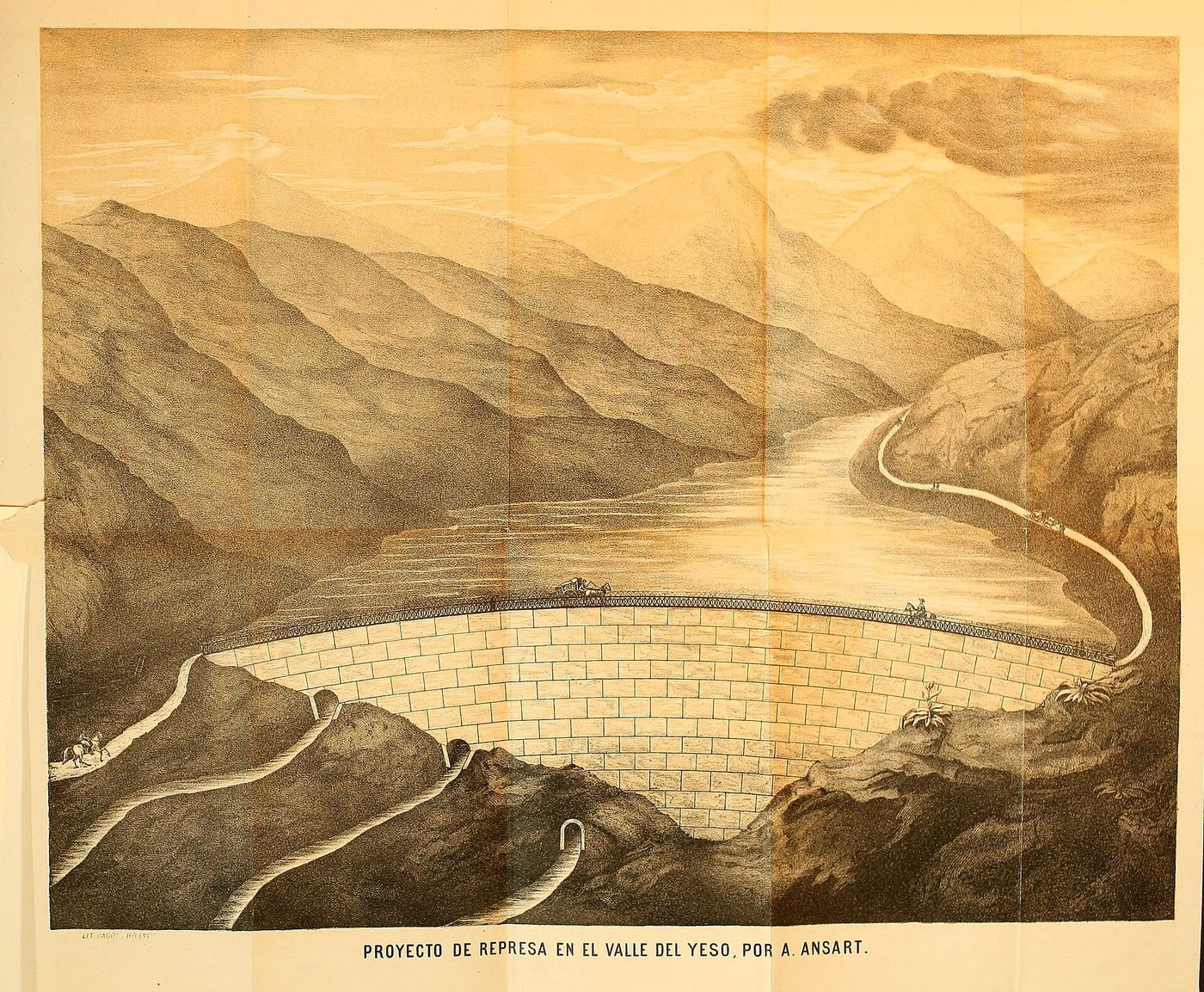
The lagoons have been studied for a long time. A survey report titled Esploración de las lagunas Negra i del Encañado, written in the old Chilean spelling, mapped both lakes and included a proposal by A. Ansart for a dam in the Yeso valley; the reservoir you see today was built in the 20th century and is now the city’s main water reserve. Standing above the dark water of Laguna Negra, it’s worth remembering that much of Santiago’s tap water depends on what happens in these valleys.
Who the winter route suits. Fit walkers who want a guided day in the high Andes, are comfortable in cold conditions and don’t mind that the turquoise reservoir itself is off limits. Who should wait for summer. Anyone who came for the classic photograph, anyone with limited mobility, and anyone uneasy about snow underfoot.
Is Embalse El Yeso worth it?
On a clear summer day with car access, yes: the color and scale are extraordinary. But it’s a five- to six-hour round trip for one viewpoint and a short walk, with rules, dust and no facilities. If you have one Cajón day, El Morado gives you more to do.
The honest trade-offs:
- For it: the most striking landscape within a day of Santiago, a famous view that looks better in person than in photographs, condors overhead, and the drive through the Cajón.
- Against it: the road, the dust and the time; strict cutoffs (last entry 11:00 in summer); no shops, no fuel and no reliable signal; and in winter mode, no access to the reservoir at all.
Our verdict: go in summer mode on a clear weekday, combine it with a picnic and a stop in San José de Maipo on the way down, and treat the turquoise as the reward for a long day rather than the whole point of one. If the park is in winter mode and you’re a keen walker, the guided route to Laguna Negra is the better day out. If you’re short on time, skip El Yeso and choose a closer trip; our comparison of day trips from Santiago sets the options side by side.
When to go
| Period | Likely mode and access | What it’s like | Verdict |
|---|---|---|---|
| December to March | Summer mode in a normal year; car or tour | Warm days, cold nights, clearest turquoise; afternoon wind and dust | The best time for the reservoir |
| April to August | G-455 closed to private vehicles from km 21.7; winter mode, guides only | Snow, ice and short days; reservoir sector closed | For guided winter walks to the lagoons |
| September to November | Transition: in 2026 the park was still in winter mode on 1 October | Snowmelt, unpredictable road; spring snow on the peaks | Check the status weekly; very beautiful when it opens |
Seasons inferred from the operator’s rules and the road closure; check the status page before every trip (October 2026).
Even in summer, El Yeso has its own weather. At around 2,500 m the air is cool and the sun is fierce, and the wind tends to rise through the afternoon, lifting dust off the dry valley floor. Morning visits are calmer, clearer and better for photographs, which fits neatly with the 11:00 last entry. For Santiago’s city weather by month, see Santiago weather by month, but expect El Yeso to be far colder and windier than the city on any given day.
What does a trip to Embalse El Yeso cost?
Entry costs CLP 3,450 (about USD 3.60) for adults and CLP 2,300 for over-60s and children aged 2 to 14, service charge included. Add fuel for about 200 km of mountain driving, or a tour, which in winter mode is the only option. There is nothing to buy at the reservoir, so bring food.
| Item | Price | About (USD) | Notes |
|---|---|---|---|
| Adult entry | CLP 3,450 | 3.60 | Pay online, in cash or by transfer |
| Over-60s and children 2-14 | CLP 2,300 | 2.40 | Same payment options |
| Day tour from Santiago | Varies by operator | – | Check whether entry and lunch are included |
| Fuel | About 200 km round trip | – | Fill up in the city; no fuel at the reservoir |
Prices checked 1 October 2026 on the operator’s page.
Tickets are sold online through the operator’s ticketing partner, and the park also accepts cash and bank transfer. Tours vary widely in what they include, so compare the full price: transport, entry, whether there’s a stop in San José de Maipo, and whether lunch is part of it. For the wider budget, see what a trip to Santiago costs.
A day at El Yeso: two plans that work
By car, summer mode. Leave Santiago by 07:00 to clear the city before traffic and reach the park well before the 11:00 last entry. Stop in San José de Maipo for coffee on the way up, then turn onto G-455 and take the gravel slowly. At the park, walk the Cortina del Embalse, picnic out of the wind, and give yourself time to watch for condors. Start down by early afternoon, when the wind and dust rise, and on a weekend aim to be below San José de Maipo by 16:00 to avoid the worst of the Sunday traffic into Puente Alto.
With a guide, winter mode. Book with one of the certified operators on the park’s registry, confirm the route (reservoir or lagoons), the walking time and the equipment you need, and ask what the price includes. Expect an early pickup in Santiago, a long day and proper cold-weather walking. The reward is the high Cajón in snow and the dark water of Laguna Negra, with almost nobody else there.
El Yeso with children
Children can go, and those aged 2 to 14 pay the reduced CLP 2,300 entry (checked 1 October 2026), but El Yeso is a big day for small people. The drive is long, the last stretch is bumpy and dusty, and at about 2,500 m even a short walk tires young legs quickly.
In summer mode, the Cortina del Embalse walk is short and rated low intensity, which makes it the right scale for a family: about 3 km there and back, with the dam wall to cross and the water to look at. Bring snacks, more water than seems necessary, warm layers and sun protection, and plan a stop in San José de Maipo on the way home so the day doesn’t end with three hours in a car. Keep children well back from the water and the loose slopes.
The winter route to the lagoons is a different matter: a guided mountain walk in cold conditions. Ask your operator directly whether it suits your children’s ages before you book. For gentler days out, our guide to Santiago with kids has the city’s parks, hills and museums.
Why the rules exist
El Yeso’s rules can feel heavy for a viewpoint, but they follow from what the place is. The reservoir is Santiago’s main water reserve, the lagoons around it are natural lakes in fragile high-mountain terrain, and the access road is a gravel track that becomes dangerous in snow. The winter regime, the last-entry times, the bans on pets and drones and the restricted shore all serve one of three purposes: protecting the water, protecting the landscape, or keeping visitors from getting stuck or hurt far from help.
The association that runs the park says the new Parque El Yeso – Laguna Negra was created to protect the reservoir and the natural lagoons. Following the rules is the price of keeping it open.
A checklist for the week, the day and the morning
The week before. Check the park’s status page and confirm which mode is in force. If it’s winter mode, book a certified operator from the registry. If it’s summer mode and you’re driving, buy tickets online and check the road and weather forecast for the upper Cajón.
The day before. Check the status again; rules can change at short notice. Fill the tank, withdraw cash in small notes, download offline maps, and save the park’s numbers: +56 2 3377 6287 for the office and +56 9 5528 5477 for emergencies. Pack food and plenty of water, because there’s nothing to buy at the reservoir.
The morning of. Leave Santiago by 07:00 if you’re driving, so you clear the city and reach the park well before the 11:00 last entry. Wear layers you can add to, sturdy shoes, a hat and sunscreen, and keep a windproof jacket within reach. Tell someone where you’re going and when you expect to be back, since you’ll lose signal on the way up.
Safety, altitude and accessibility
Altitude. The reservoir sits at about 2,500 m. Most visitors feel only breathlessness, but walk slowly, drink plenty of water and watch for headaches or nausea, especially on the higher walks to the lagoons.
Sun, wind and cold. The sun at this height burns quickly, the wind can be strong enough to drive dust and grit, and temperatures drop sharply when clouds roll in. Bring a hat, sunglasses, sunscreen, a windproof layer and something warm even in January. Our list of what to pack for Santiago covers the mountain extras.
The road. Gravel, washboard, blind bends and dust from oncoming vehicles. Drive slowly, keep your headlights on, and don’t attempt it in a low car. In winter mode the road is closed beyond km 21.7 anyway.
No services. No fuel, no shops and no reliable phone signal at the reservoir. Tell someone your plan, download offline maps and carry the park’s emergency number, +56 9 5528 5477. Chile’s national emergency numbers are 133 for police and 131 for an ambulance.
The water. Don’t swim or wade. It is cold, deep and a drinking-water reservoir, and Chile’s tourism board describes shore access as restricted.
Accessibility. El Yeso isn’t easy for visitors with limited mobility. There are no facilities listed at the reservoir, the ground is uneven and the dam trail, though rated low intensity, is at altitude. The view from the road is the most accessible way to see it, by car in summer mode or with a tour. The winter route to the lagoons is a mountain hike. See our guide to accessible Santiago for options closer to the city.
Crime. The reservoir itself is remote rather than risky, but don’t leave valuables visible in a parked car anywhere in the Cajón. The Santiago safety guide covers the city before and after.
Leave no trace. There are no bins, so carry everything out. No fires, no pets, no drones, and stay on the marked trails; the slopes around the reservoir are loose scree that erodes quickly.
How El Yeso fits into a Cajón del Maipo day
El Yeso sits in the upper Cajón, which tempts people to combine it with everything else up there. Most combinations don’t work.
El Yeso and El Morado on the same day: usually no. El Yeso’s summer last entry is 11:00 and El Morado’s is 12:30, both are a long way up the valley, and the El Morado trail to the lagoon takes about five hours round trip. You could, in theory, see El Yeso at opening, drive back down to route G-25 and on to Baños Morales, and start the El Morado walk before 12:30, but you’d be hurrying through both and driving home exhausted in the dark. Pick one.
El Yeso and San José de Maipo: yes. The town is on the way, and a coffee on the plaza going up or a late lunch coming down turns a long drive into a day out.
El Yeso and rafting or riding at San Alfonso: only with an early start. Do El Yeso first, while the morning is calm and before last entry, and stop at San Alfonso for an afternoon activity on the way down. On a weekend, watch the clock for the Sunday traffic.
El Yeso in winter mode and anything else: no. The guided route to the lagoons is a full day in itself.
Beyond El Yeso: Termas del Plomo and the high Cajón
Past the reservoir, the dirt track continues toward the Termas del Plomo, natural hot springs that Chile’s tourism board places at about 9,500 feet (roughly 2,900 m), heated by the volcanic activity of Volcán San José. The track is rough and the springs are remote; this is a trip for a high-clearance 4×4 or a specialist tour, and only when the road is open.
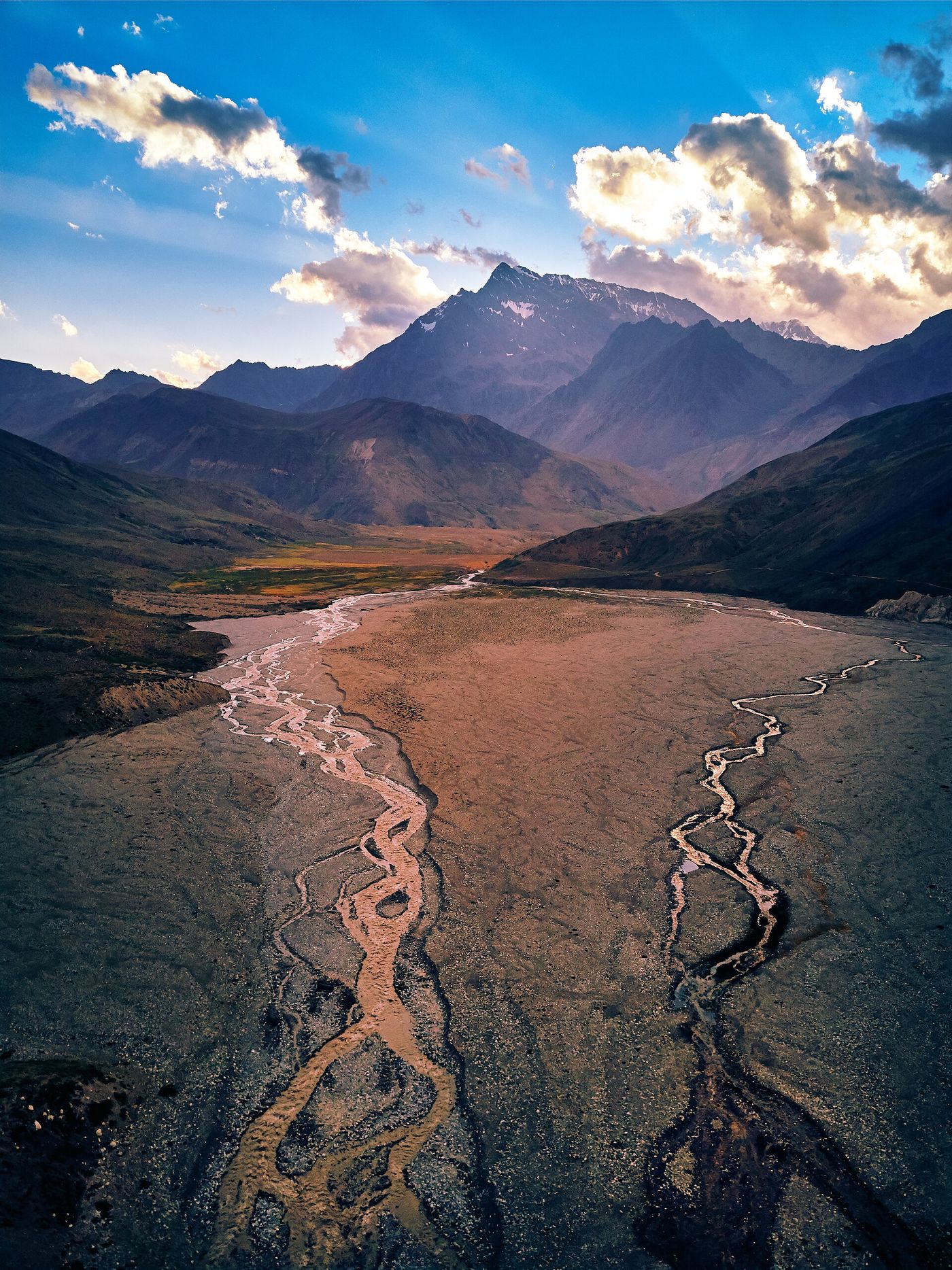
If El Yeso is closed, the rest of the Cajón still makes a fine day: Monumento Natural El Morado’s lagoon trail at Baños Morales (closed on Mondays, last entry 12:30), rafting and riding at San Alfonso, and the Valle de Colina hot springs at the end of route G-25. Our Cajón del Maipo travel guide has all of them, stop by stop, and our guide to the outdoors around Santiago covers the foothill trails inside the city, Yerba Loca and La Campana. Between them, they’re the place to plan whatever comes after El Yeso.
Frequently asked questions
Is Embalse El Yeso open?
On 1 October 2026 it was open only in winter mode: entry with a certified guide or tour operator, via the Puente Caya sector toward Laguna El Encañado and Laguna Negra, with the reservoir sector closed and route G-455 shut from km 21.7. In summer mode it opens Thursday to Monday, 08:00-18:00, last entry 11:00.
How much does it cost to enter Embalse El Yeso?
CLP 3,450 (about USD 3.60) for adults and CLP 2,300 for over-60s and children aged 2 to 14, including the service charge, checked 1 October 2026. Tickets are sold online through the operator’s ticketing partner, and cash and bank transfer are also accepted. Tours charge separately.
Can you drive to Embalse El Yeso?
Only in summer mode. Private vehicles are banned on route G-455 from km 21.7 between April and August, and in October 2026 the park was still in winter mode. When it’s open, the last stretch is unpaved gravel; Chile’s tourism board recommends a 4×4. Allow two and a half to three hours each way.
Is there public transport to El Yeso?
No. The operator lists only private cars and tour-operator transport. Buses serve the lower Cajón del Maipo, and CONAF lists services for El Morado, but nothing runs up route G-455 to the reservoir. Without a car, book a tour with a certified operator.
Can you swim in Embalse El Yeso?
No. It’s Santiago’s main water reserve, Chile’s tourism board says shore access is restricted for safety, and the water is cold enough to be dangerous. The operator lists hiking, mountaineering, birdwatching and photography as the permitted activities, and bans pets and drones.
How high is Embalse El Yeso?
About 2,500 m above sea level. That’s high enough for the sun to burn quickly and for most visitors to feel breathless on the dam trail, and the air is much colder than in Santiago. Bring warm layers, sunscreen and water, and walk slowly.
What is the best time to visit Embalse El Yeso?
December to March in a normal year, when the park is usually in summer mode and private cars can reach the reservoir. Go on a clear morning, before the afternoon wind and dust, and on a weekday if you can. From April to August, only guided winter walks to the lagoons are possible.
Is Embalse El Yeso worth visiting?
On a clear summer day, yes, for one of the most striking views within reach of Santiago. But it’s a five- to six-hour round trip for a viewpoint and a short walk, with strict cutoffs and no facilities. If you only have one day in the Cajón del Maipo, El Morado offers more to do.
Sources
- Asociación Parque Cordillera: Parque Embalse El Yeso (Spanish)
- Asociación Parque Cordillera: Embalse El Yeso (English)
- Asociación Parque Cordillera: certified guides and operators, winter operation 2026 (PDF)
- Chile Travel: Embalse El Yeso
- Chile Travel: Cajón del Maipo hot springs and landscapes
- tur.com: Embalse El Yeso day tour
- CONAF: Monumento Natural El Morado
- Visit Santiago: mountain and nature
- Government of Canada: travel advice for Chile
- Servicio de Impuestos Internos: dólar observado 2026
Image credits
| Photo | Credit |
|---|---|
| Embalse El Yeso (top of page) | Rod Sot rodsot, CC0, via Wikimedia Commons |
| El Yeso in winter | Chang Hyon Lee, CC BY-SA 4.0, via Wikimedia Commons |
| Yeso valley stream | R.A.T.P., CC BY-SA 3.0, via Wikimedia Commons |
| Andean condor | Eduardo Schmeda from Talca, Chile, CC BY 2.0, via Wikimedia Commons |
| Laguna El Encañado | Andesnahuel, CC BY-SA 4.0, via Wikimedia Commons |
| Survey map of the lagoons | Comisión esploradora de las lagunas Negra i del Encañado., public domain, via Wikimedia Commons |
| Wind and dust in the Yeso valley | R.A.T.P., CC BY-SA 3.0, via Wikimedia Commons |
| Proposed Yeso dam, A. Ansart | Comisión esploradora de las lagunas Negra i del Encañado., public domain, via Wikimedia Commons |
| Near Termas del Plomo | Deensel, CC BY 2.0, via Wikimedia Commons |