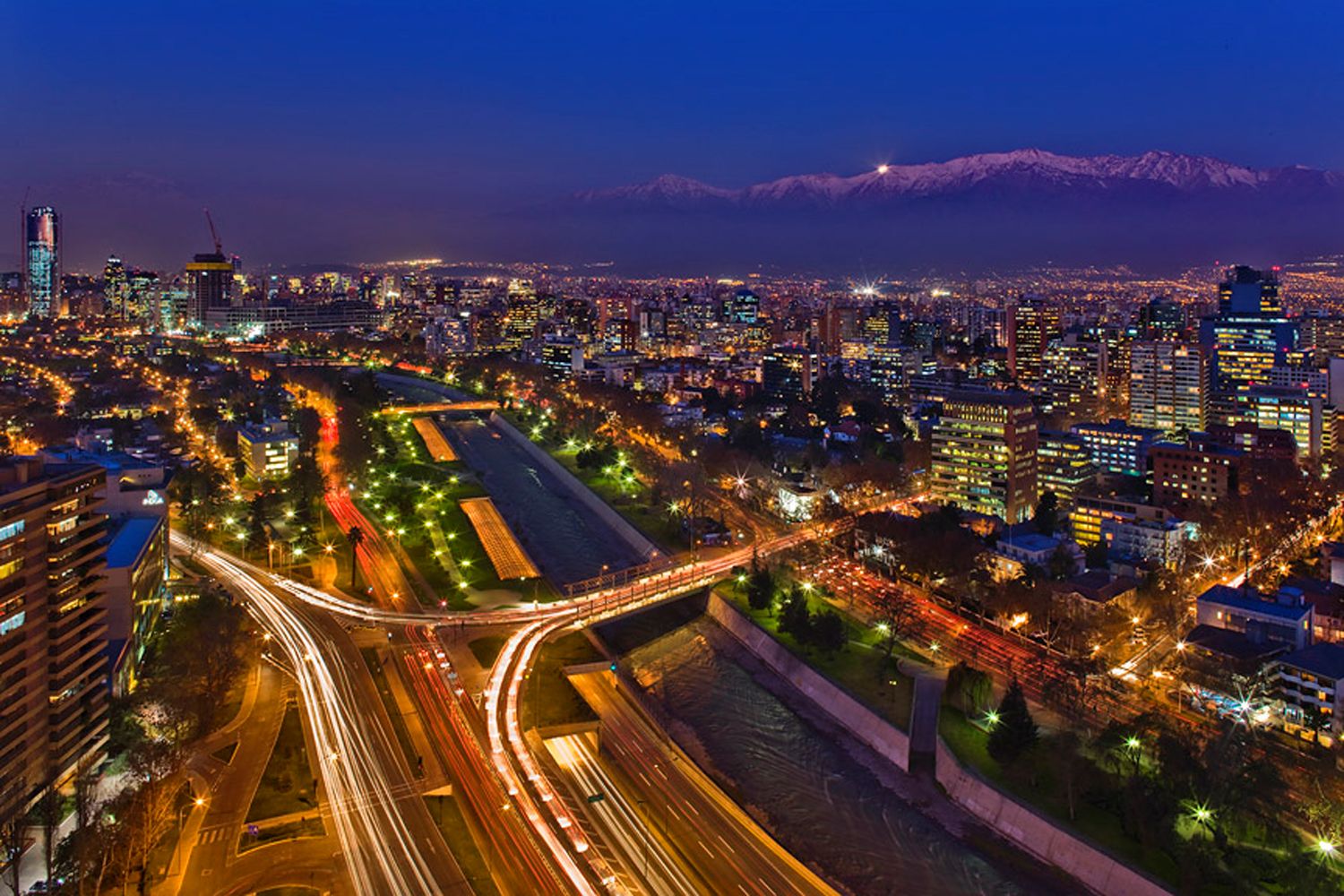
Santiago Chile nightlife runs later than almost anywhere in the Americas: bars fill from 21:00, clubs do not get going until 01:00, and the busiest hour in Bellavista on a Saturday is closer to 02:30 than midnight. The city’s strength is that each barrio does something different — Bellavista for volume and salsa, Lastarria for wine, Barrio Italia for the creative crowd, Ñuñoa for Chileans out with other Chileans, and Brasil for students on a budget. Pick the right one and the night works; pick by proximity to your hotel and it usually does not.
Where should you go out in Santiago?
| Barrio | Crowd | Music | Price band | Peak nights | Get home by |
|---|---|---|---|---|---|
| Bellavista | Mixed, young, most visitors | Reggaetón, salsa, cumbia, rock | Low to mid | Thu–Sat | Booked car |
| Lastarria | 30s and up, couples, visitors | Background, jazz, none | Mid to high | Wed–Sat | Walk or booked car |
| Bellas Artes | Locals in their 20s–30s | Indie, electronica | Low to mid | Thu–Sat | Walk |
| Barrio Italia | Creative, 25–40 | Eclectic, live, vinyl | Mid | Thu–Sat | Booked car |
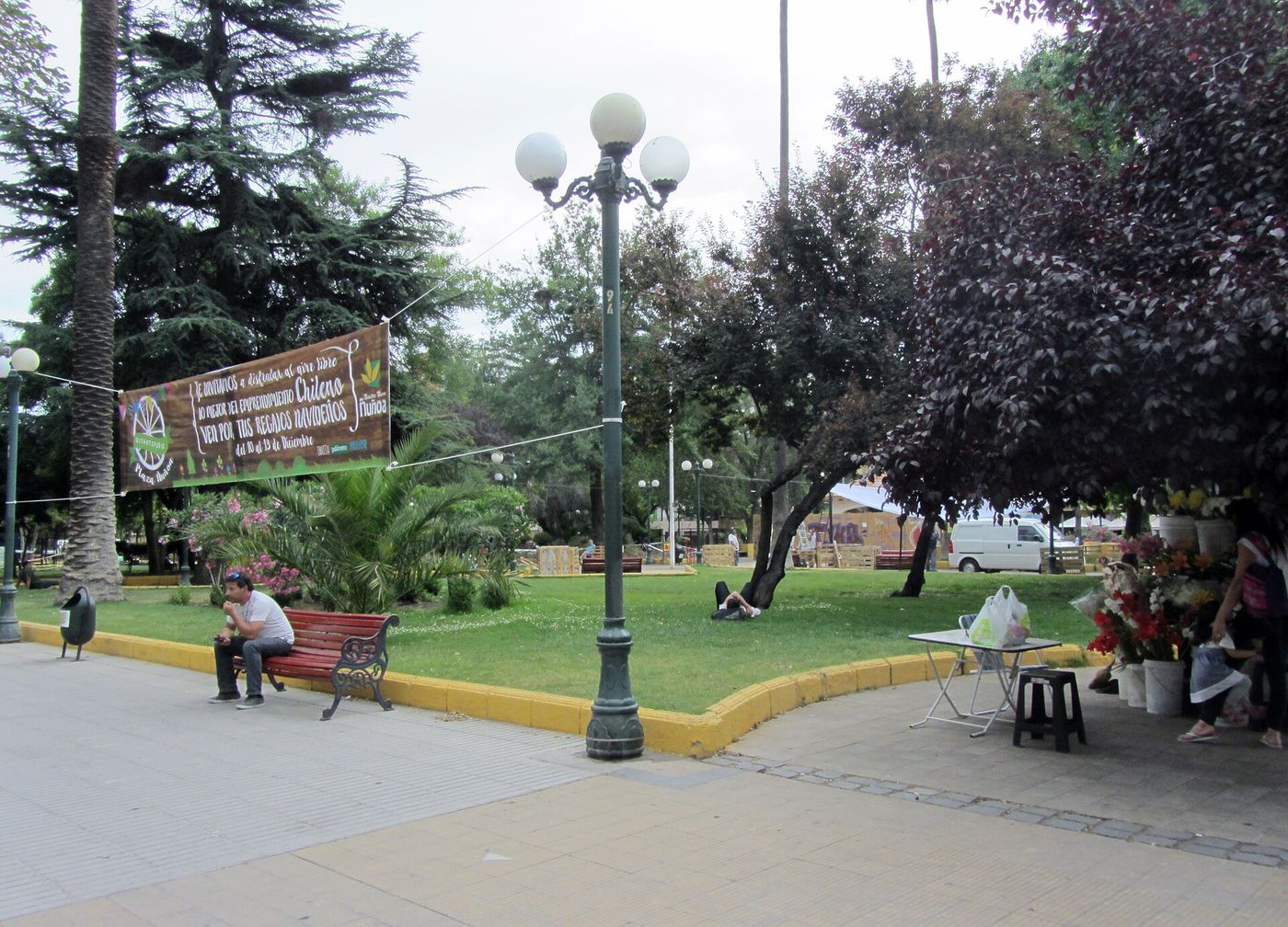
| Ñuñoa (Plaza Ñuñoa) | Chileans, 20s–40s, few tourists | Live bands, rock, cumbia | Low to mid | Thu–Sat | Booked car |
| Barrio Brasil | Students | Loud, cheap, varied | Low | Thu–Fri | Booked car |
| Providencia / Manuel Montt | Local, after-work | Mixed | Mid | Wed–Sat | Walk or Metro |
| El Golf / Vitacura | Business, 35+ | Lounge, none | High | Thu–Fri | Booked car |
| Franklin | Local, growing | Live, DJ, warehouse | Low to mid | Fri–Sat | Booked car |
The short version. First night in Santiago: Lastarria or Bellas Artes for a drink, then walk to Bellavista if you want it louder. Second night: Ñuñoa or Barrio Italia, where you will be among Chileans rather than other visitors. Skip Avenida Suecia entirely — more on that below.
Our Santiago neighborhoods guide covers what each of these barrios is like in daylight, which matters if you want to stay in one of them.
When does a night out actually start?
Later than you think. Restaurants fill between 21:00 and 22:00, bars between 22:00 and midnight, and clubs do not have a real crowd until 01:00 or later. Arriving at a Santiago club at 23:00 means standing in an empty room with the lights still up.
The schedule that works:
| Time | What is happening |
|---|---|
| 18:30–20:30 | Happy hour. Two-for-one deals are common and genuinely good value |
| 20:30–22:00 | Dinner. Kitchens are open, restaurants fill from 21:00 |
| 22:00–00:00 | Bars. This is the best window for actually talking to anyone |
| 00:00–01:30 | Bars peak, clubs start filling |
| 01:30–04:00 | Clubs peak |
| 04:00–05:30 | Closing, depending on the venue and the municipality |
The Metro closes at 23:00, which is the single most important logistical fact about going out here. Last trains run around 23:00 every night — 06:00 to 23:00 Monday to Friday, from 06:30 on Saturdays and from 07:30 on Sundays and holidays. That means the Metro gets you to a bar and almost never gets you home. Budget for a car at the end of the night, every night. The getting around Santiago guide covers the options.
Which nights. Thursday, Friday and Saturday, in that order of increasing intensity. Wednesday works in Lastarria and Providencia. Sunday and Monday are quiet almost everywhere, though Patio Bellavista stays open until 01:00 seven nights a week.
Bellavista: loud, central and the one everyone means
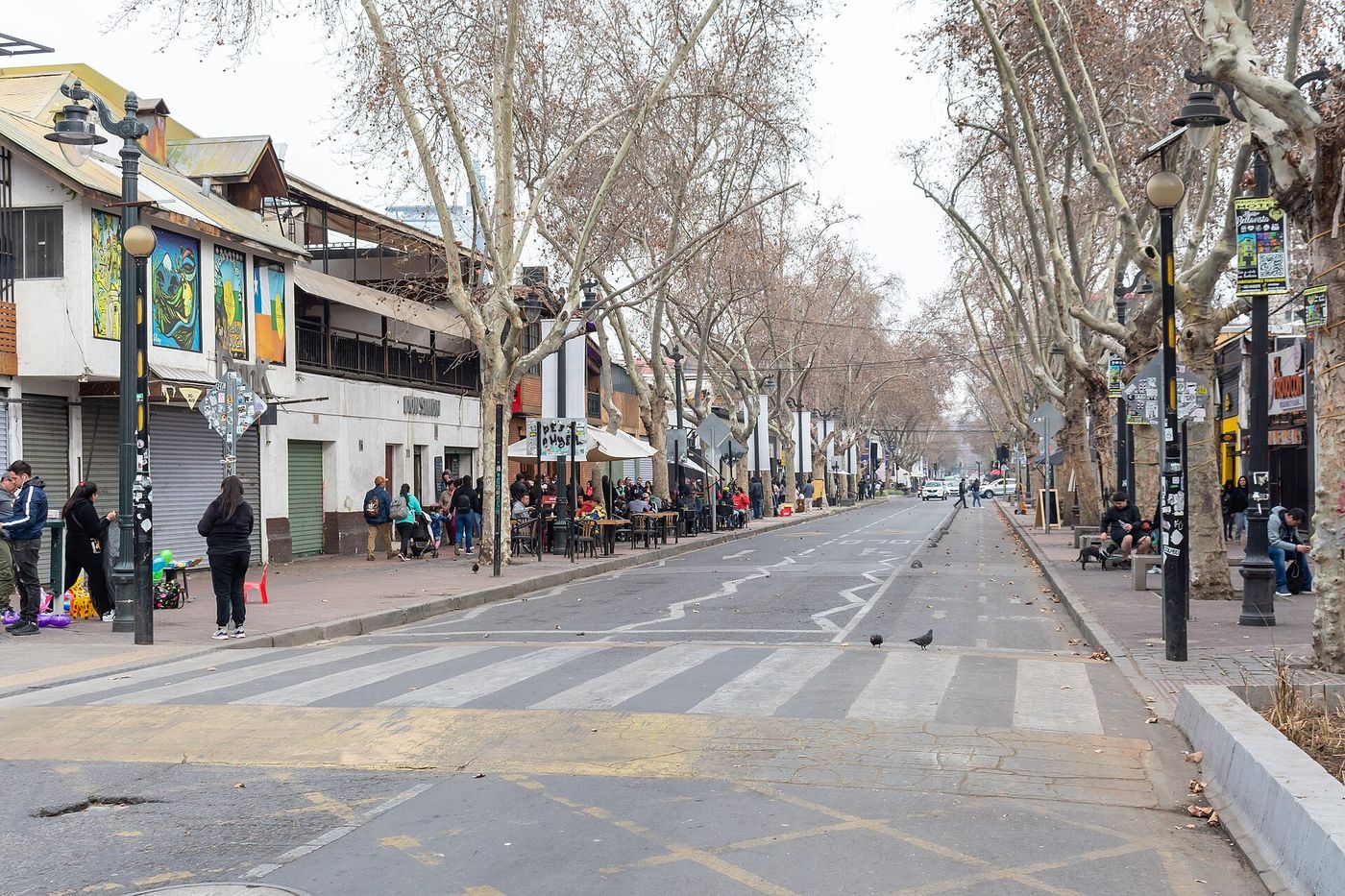
Bellavista is the default answer and the one most visitors end up in. The strip runs along Pío Nono and the streets either side of it — Constitución, Dardignac, Ernesto Pinto Lagarrigue — between the Mapocho and Cerro San Cristóbal, and it is dense with bars, clubs, salsa venues and late-night food.
Patio Bellavista is the covered courtyard at the centre of it, with restaurants, craft stalls and bars around a series of open patios. It opens Sun–Wed 10:00–01:00 and Thu–Sat 10:00–03:00 (checked September 2026). It is the safest, easiest and least interesting version of the barrio — a good starting point and not somewhere to spend the whole night.
What Bellavista is good at. Salsa, which is genuinely well done here with venues where people actually dance rather than pose. Live rock and cumbia in small rooms. Cheap drinks at the Pío Nono end. Volume and choice, on a Saturday, within a few hundred metres.
What it is bad at. Subtlety. The Pío Nono end is the student strip and gets messy after 02:00. The music in a lot of the bigger venues is wall-to-wall reggaetón. And it is the part of the city most consistently named in official advisories.
The safety point, stated plainly. The UK Foreign Office names Bellavista, alongside Avenida Suecia, as an area where drink spiking is reported “particularly” often, and the Government of Canada lists Bellavista among the higher-risk areas of Santiago for visitors. This is not a reason to avoid it — thousands of people have a good night here every weekend — but it is a reason to watch your own drink, not accept one from a stranger, stay with the people you came with, and leave by booked car rather than walking to find one. Our Santiago safety guide goes into the scams in detail.
Lastarria and Bellas Artes: the civilised version
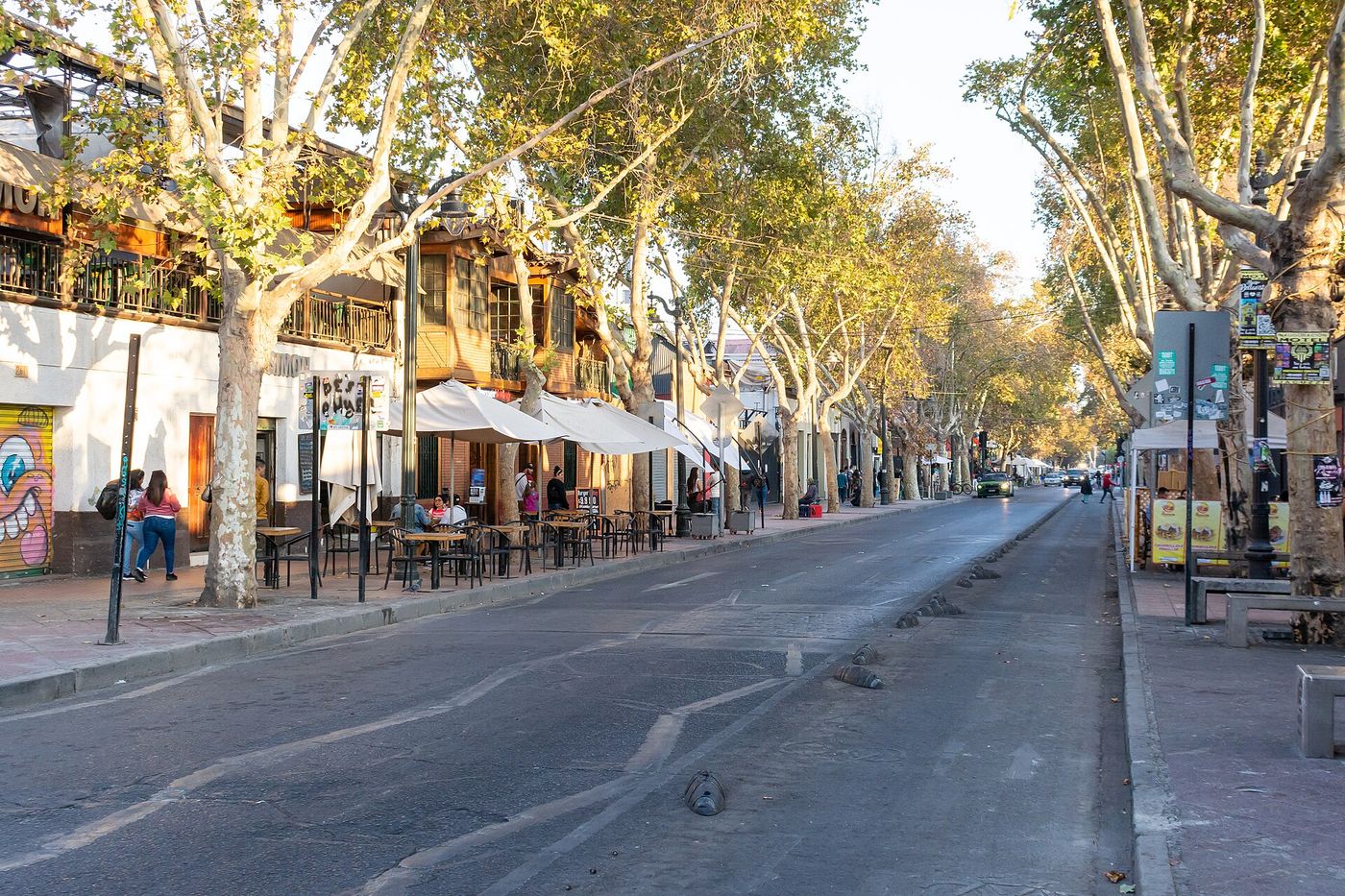
If Bellavista is a night out, Lastarria is an evening. The cobbled streets around José Victorino Lastarria hold wine bars, small restaurants with terraces, and the kind of place where you can hear the person opposite you. It is more expensive, older on average, and far more pleasant if you want to talk.
Wine bars are what this barrio does best, and Chile being Chile, they do it seriously — flights by valley, by varietal, or by producer, with staff who know the difference between a Maipo cabernet and a Colchagua one. If you are interested in the wine itself rather than the buzz, a Lastarria wine bar teaches you more in two hours than a rushed vineyard tour. Our wine tours guide covers the valleys themselves.
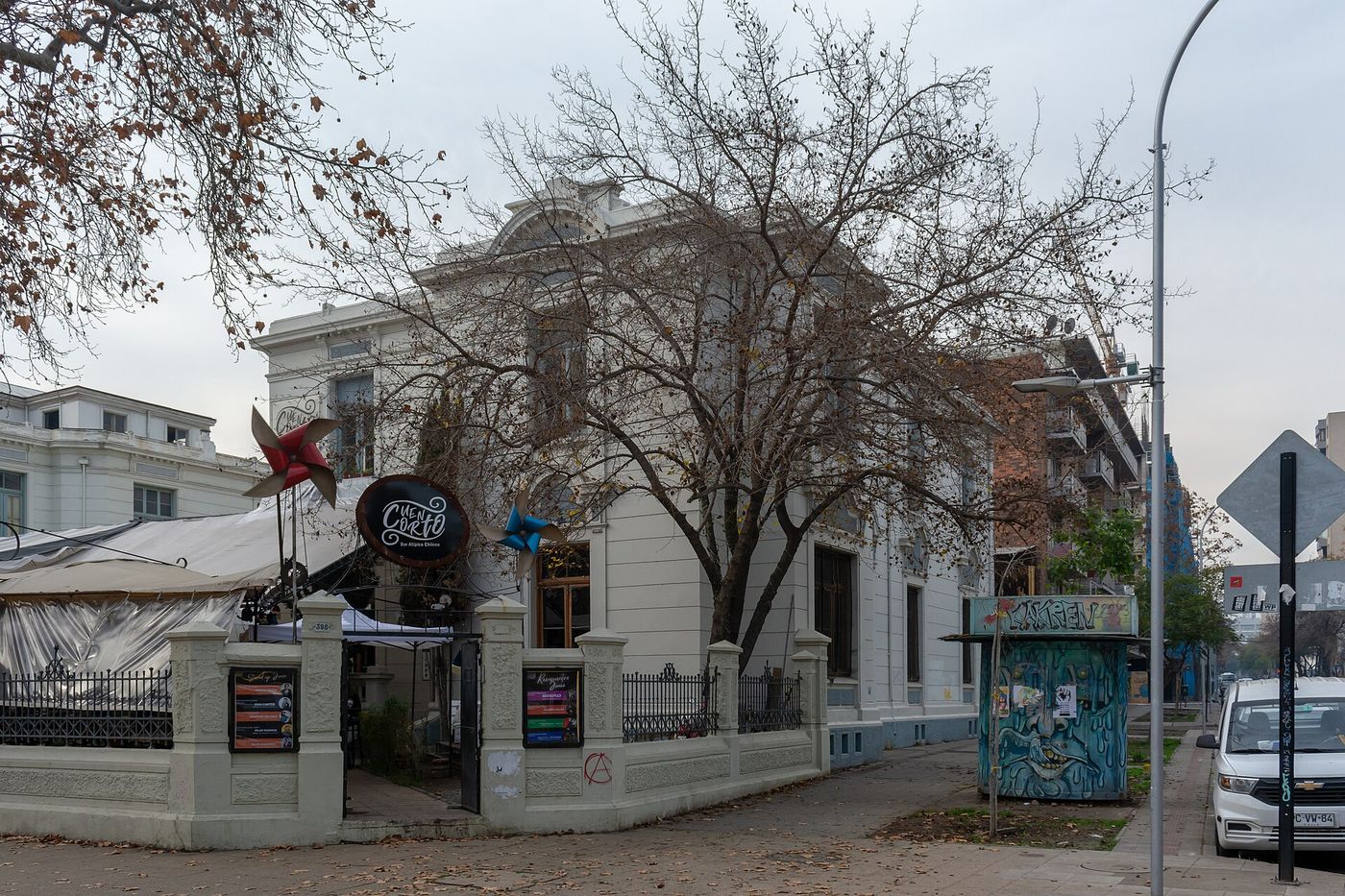
Bellas Artes, across Parque Forestal, is the younger, scruffier, cheaper sibling — more indie, more electronica, more students from the nearby universities, and a handful of small clubs. It is also the best place to sleep if nightlife is a priority, because you can walk home from Lastarria, Bellavista and Bellas Artes itself.
Dress. Smart casual in Lastarria — a shirt rather than a t-shirt for men, and nobody will turn you away for trainers. Anything in Bellas Artes.
Reservations. Worth making for restaurants on Friday and Saturday after 21:00, unnecessary for bars.
Barrio Italia and Ñuñoa: where Chileans go
These two are the answer to “where do locals go”, and they are noticeably different from the visitor-facing barrios.
Barrio Italia turns from design shops into bars in the early evening. The crowd is late twenties to forties, creative, and there for cocktails and conversation rather than dancing. Craft beer is strong here — Chile’s independent brewing scene is good and this is where a lot of it is poured — and several places run live music in small rooms. It empties earlier than Bellavista; by 02:00 things are winding down.
Plaza Ñuñoa is a real town square ringed by bars and theatres, filling on Thursday, Friday and Saturday with Chileans in their twenties and thirties and almost no tourists. Live music is the draw — rock, cumbia, jazz, and a couple of long-standing venues that have been booking bands for decades. Prices are set for people who live here, which means a night out costs perhaps two-thirds of the same night in Lastarria.
Getting to Ñuñoa is straightforward now that Line 6 exists — Ñuñoa station links Lines 3 and 6, and Inés de Suárez on Line 6 is a short walk from the plaza. Getting back is a taxi, because the plaza peaks long after the last train.
Barrio Brasil, west of the centre, is the student version: Plaza Brasil, cheap drinks, hostels, and a young crowd that starts early and stays out. It is good value and it is in a part of the city where you should not be walking around at 03:00 looking for a car. Book one.
Four nights out, planned properly
Rather than a venue list that will be wrong in six months, here are four nights built around what each barrio actually does. Adjust for your own tolerance for noise and late hours.
The first night, low effort. Dinner in Lastarria at 21:00, a wine bar on José Victorino Lastarria afterwards, then a slow walk across Parque Forestal into Bellas Artes for one more. Home on foot by 01:00. This works jet-lagged, works alone, and costs perhaps CLP 45,000 a head.
The big Saturday. Start at Patio Bellavista around 21:30 for food and the first drink, move out into the barrio proper by 23:00 — Constitución and Dardignac rather than the Pío Nono end — and find a salsa venue or a live room by midnight. Book a car home at whatever hour you stop. Budget CLP 60,000 upward.
The local night. Metro Line 6 to Inés de Suárez around 21:00, dinner on Plaza Ñuñoa, a band in one of the live rooms from 23:00, and a taxi back. You will hear less English and spend less money than on any other night in this guide.
The slow one. Barrio Italia from 19:00, when the design shops are closing and the patios are filling. Craft beer or cocktails, dinner in one of the courtyard restaurants at 21:30, and a small live room afterwards. Everything winds down by 01:30, which is the point.
A fifth option, for one specific evening. The terrace bars on the upper floors around Lastarria and Bellas Artes catch the sunset over the city with the Andes behind, and between about 19:30 and 21:00 in summer that view is worth the inflated drink price. Go once, early, and move on afterwards.
What happens on a Sunday or a Monday?
Much less, and it is worth knowing before you plan a short trip.
Sunday is family day in Chile. Restaurants open for a long lunch and many close in the evening. Patio Bellavista runs until 01:00, a handful of Lastarria bars stay open, and almost everything else is quiet. It is a good night for a late dinner and an early finish, not for going out.
Monday is the deadest night of the week. Bars in Lastarria, Bellas Artes and Providencia will be open and near-empty. Clubs do not open at all.
Tuesday and Wednesday pick up gradually, with Wednesday genuinely viable in Lastarria, Providencia and Barrio Italia. Some bars run midweek deals to fill the room.
If your trip is short, front-load the going out towards the end of the week. And note two dates that override everything: 18 and 19 September, Fiestas Patrias, when the city’s nightlife moves wholesale to the fondas — temporary dance halls set up in Parque O’Higgins and other parks, with cueca, barbecue, terremotos and a crowd of all ages. It is not the usual bar scene, it is better, and it only happens twice a year.
What does a night out cost?
Approximate September 2026 ranges. Bar prices are not published anywhere and move quickly, so treat these as orders of magnitude rather than quotes, converted at roughly CLP 950 to USD 1.
| Item | Typical range (CLP) | Approx. USD |
|---|---|---|
| Schop (draught beer), ordinary bar | 3,000–5,000 | 3–5 |
| Craft beer pint | 5,000–8,000 | 5–8 |
| Glass of decent Chilean wine | 4,000–9,000 | 4–9 |
| Cocktail | 7,000–13,000 | 7–14 |
| Pisco sour | 5,000–9,000 | 5–9 |
| Terremoto | 3,000–6,000 | 3–6 |
| Club entry | 8,000–20,000 | 8–21 |
| Late-night completo or empanada | 2,000–4,000 | 2–4 |
| Taxi app across the city at 03:00 | 8,000–20,000 | 8–21 |
A realistic budget. A decent night in Ñuñoa or Brasil — four drinks, some food, a car home — lands around CLP 35,000–45,000. The same night in Lastarria or El Golf is closer to CLP 70,000–90,000. A club night with entry and a few cocktails goes beyond that.
Tipping. Ten per cent is standard and is usually added to the bill as propina sugerida. You can decline it, but almost nobody does. At a bar where you order and pay at the counter, tipping is not expected.
Happy hour is a real institution here, usually 18:30–21:00, often two-for-one, and it is where a lot of the value is. Chilean bars are not cheap by regional standards once happy hour ends.
What should you drink?
Three things are worth ordering because they are Chilean, and one because it is a rite of passage.
Pisco sour. Chilean pisco, lime, sugar, sometimes egg white. Chile and Peru dispute the origin at length and both make it well. The Chilean version is usually sharper and served without bitters. A good one uses a reservado pisco and fresh lime, not a mix.
Chilean wine by the glass. Carmenère is the grape Chile has to itself. Beyond it: Maipo cabernet, coastal sauvignon blanc from Casablanca or San Antonio, and — the genuinely interesting corner — old-vine país and cinsault from Itata and Maule, which almost never leave the country. Ask what is from a small producer; the answer is usually the best thing on the list.
Craft beer. Chile’s independent brewing scene is well established, and Barrio Italia, Bellas Artes and Ñuñoa are where you will find it. Kunstmann from the south is the mainstream one; the smaller Santiago breweries are better.
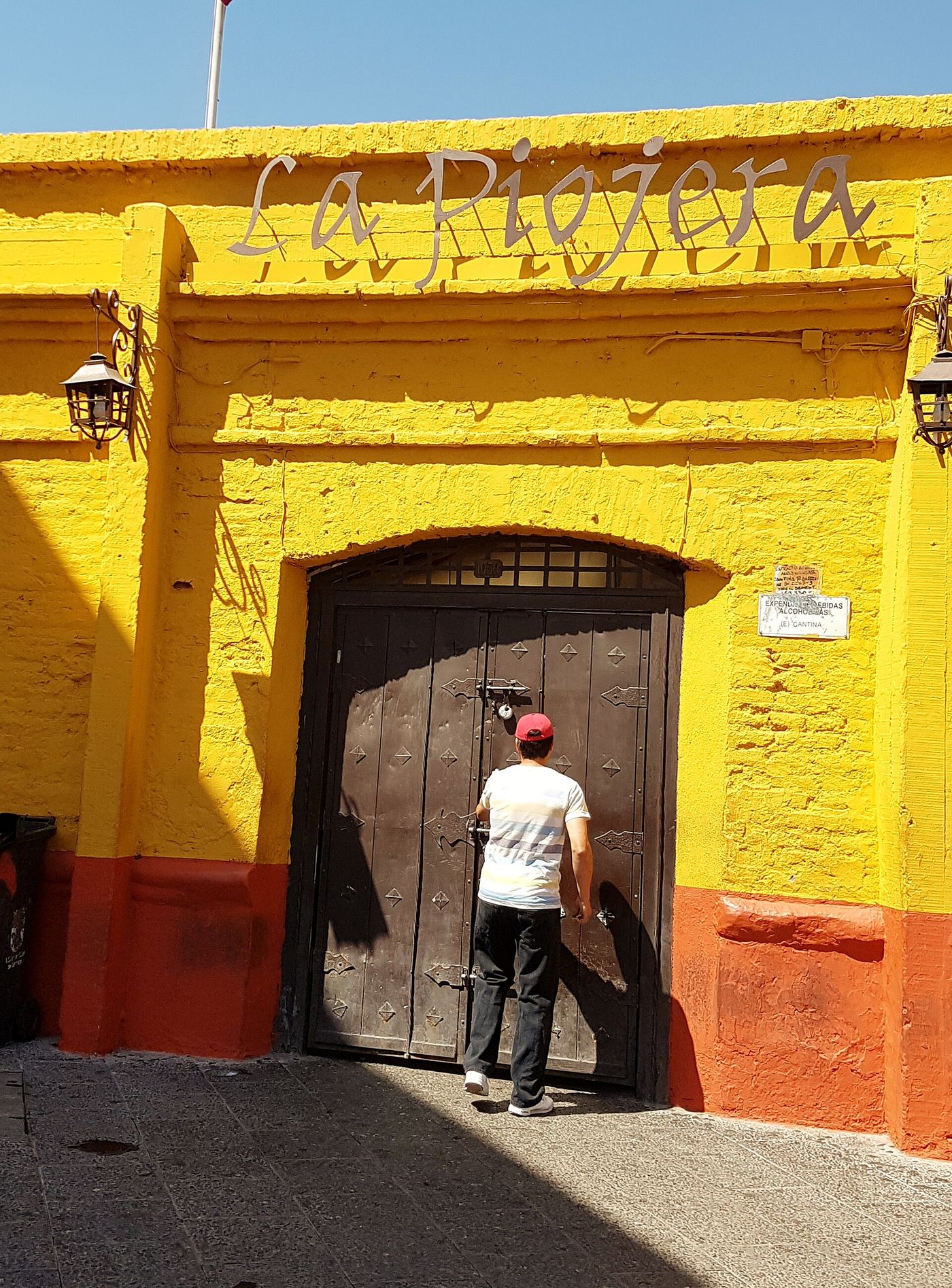
Terremoto. Sweet fermented pipeño wine with pineapple ice cream and a shot of grenadine or fernet, served in a pint glass. It is named “earthquake” for what the second one does to your legs, and it tastes far better than it sounds. The classic place to drink one is La Piojera, the century-old bar near Mercado Central, which is loud, standing-room, entirely unpretentious and a genuine Santiago institution. Have one, look around, and do not have three. The follow-up half measure is called a réplica, an aftershock, which tells you everything.
Late-night food
Chile’s late-night eating is one of the underrated parts of a night out here, and it is a genuinely different tradition from most of the region.
The completo is the national late-night food: a hot dog buried under mashed avocado, chopped tomato and an alarming quantity of mayonnaise. The italiano version is named for the colours of the Italian flag. It costs a couple of thousand pesos, it is sold from stands and small shops across Bellavista and the centre until very late, and it is exactly what it needs to be at 03:00.
Empanadas are everywhere, and the pino version — beef, onion, olive, boiled egg, raisin — is the classic. Baked is standard; fried is better after midnight.
Sopaipillas, fried pumpkin flatbreads, are sold from street carts, especially when it is cold or raining. Ask for them pasadas, soaked in a spiced syrup, or with pebre, the Chilean salsa.
The post-carrete institution is a plate of something substantial at a fuente de soda — old-school diners that stay open late, serving lomito sandwiches, chorrillana (chips under steak, onions and fried eggs, designed for four people at two in the morning), and churrasco with everything on it. The centre and Providencia both have them.
A note on timing. Kitchens in ordinary restaurants close around midnight, sometimes earlier midweek, and the gap between that and 03:00 is filled by the street food above rather than by restaurants. If you want a proper sit-down meal, eat at 21:00 like everybody else. Our food and restaurant guide covers the daytime version of all of this.
How do you get home safely?
The single most important part of a night out in Santiago, and the part most guides skip.
Book a car through an app. This is the default answer and it is what locals do. The apps work well, the drivers are tracked, and the price is agreed before you get in. Do it from inside the bar, not on the street.
Do not flag a taxi at 03:00 in Bellavista. The specific fraud the UK Foreign Office documents involves fare manipulation — its cited example is a visitor charged 5,000,000 CLP instead of 50,000 CLP. If you must take a street taxi, agree the fare first, check the meter is running, and photograph the plate.
Stay with people you came with. The drink-spiking advisories for Bellavista and Suecia are specific and repeated across three governments’ travel advice. Watch your glass, don’t leave it unattended, and don’t accept an already-poured drink from someone you just met.
Carry less. A phone, one card, and enough cash for a car home. Leave the rest at the hotel. Phone snatching near bar entrances and Metro exits is the most common incident type in the city.
Know where you are staying. Have the address written down in Spanish. Bellavista straddles two comunas, and “the hotel near the hill” is not an address.
Walking home is reasonable within Lastarria, Bellas Artes, Providencia and Las Condes, on main lit streets, before about 01:00. It is not reasonable from Brasil, Franklin, Patronato, the historic centre or across the river at 03:00.
What about LGBTQ+ nightlife?
Bellavista is the centre of it, and Santiago is among the more comfortable Latin American capitals in this respect. Chile legalised same-sex marriage in 2021 and has an established, visible scene concentrated in a few streets on the Recoleta side of Bellavista, with a mix of bars, clubs and drag venues that run late at weekends.
Practical notes rather than a venue list, since venues turn over fast: the scene is concentrated enough that asking at one bar will get you directed to the others; Friday and Saturday are the nights; and the same safety advice applies as everywhere else in the barrio — book a car, watch your drink, go with people.
Outside Bellavista, the scene is thinner but present in Providencia and Bellas Artes. Public attitudes in Santiago are broadly relaxed by regional standards, though this is much less true in the outer comunas and outside the capital.
Live music: what to expect
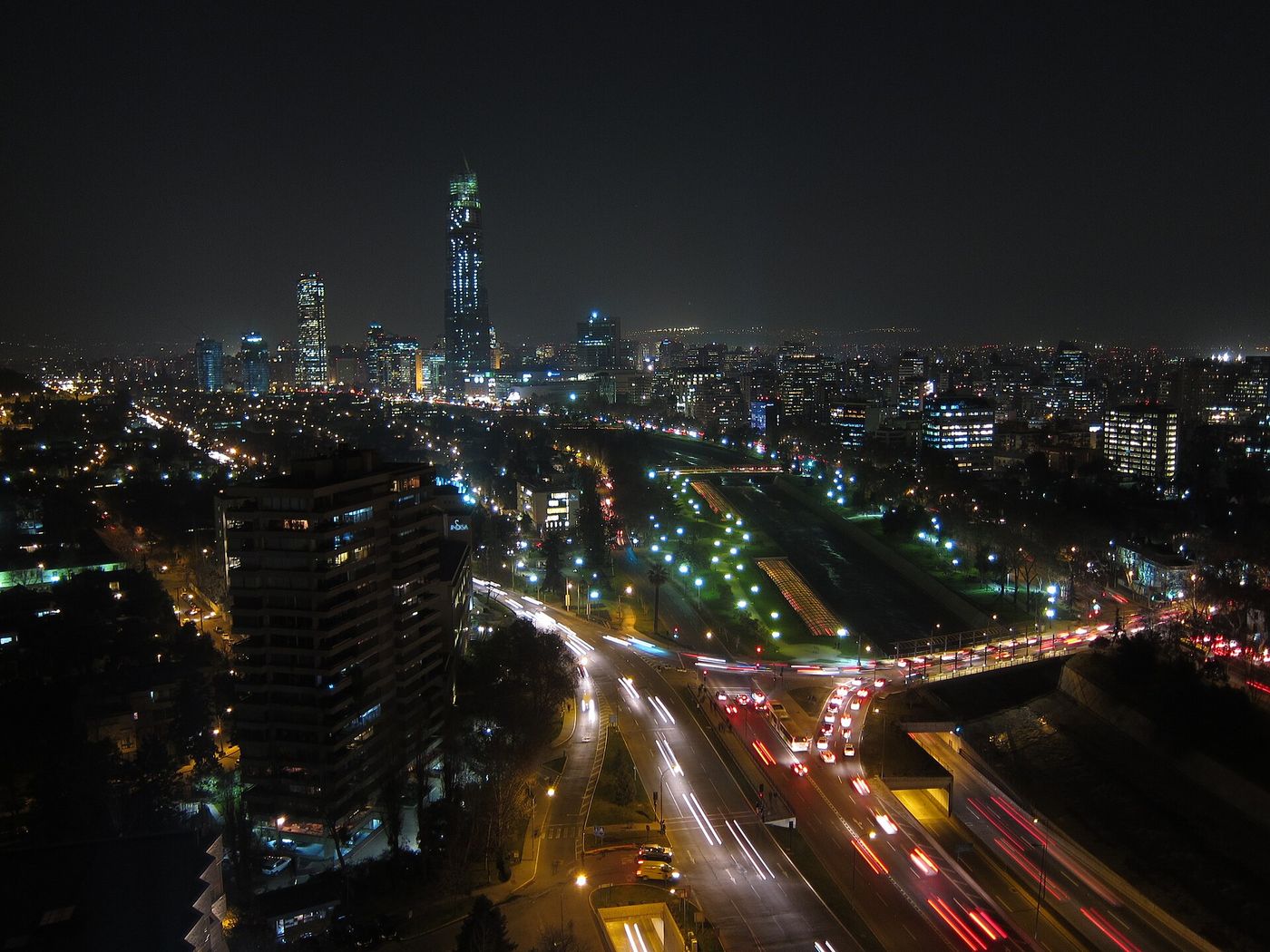
Santiago has a genuine live music culture that operates below the level most visitors see.
Rock and indie are the backbone. Small venues in Bellavista, Ñuñoa and Barrio Brasil book local bands most weekends, tickets are cheap, and sets start late — often 23:00 or midnight rather than the 20:00 you might expect.
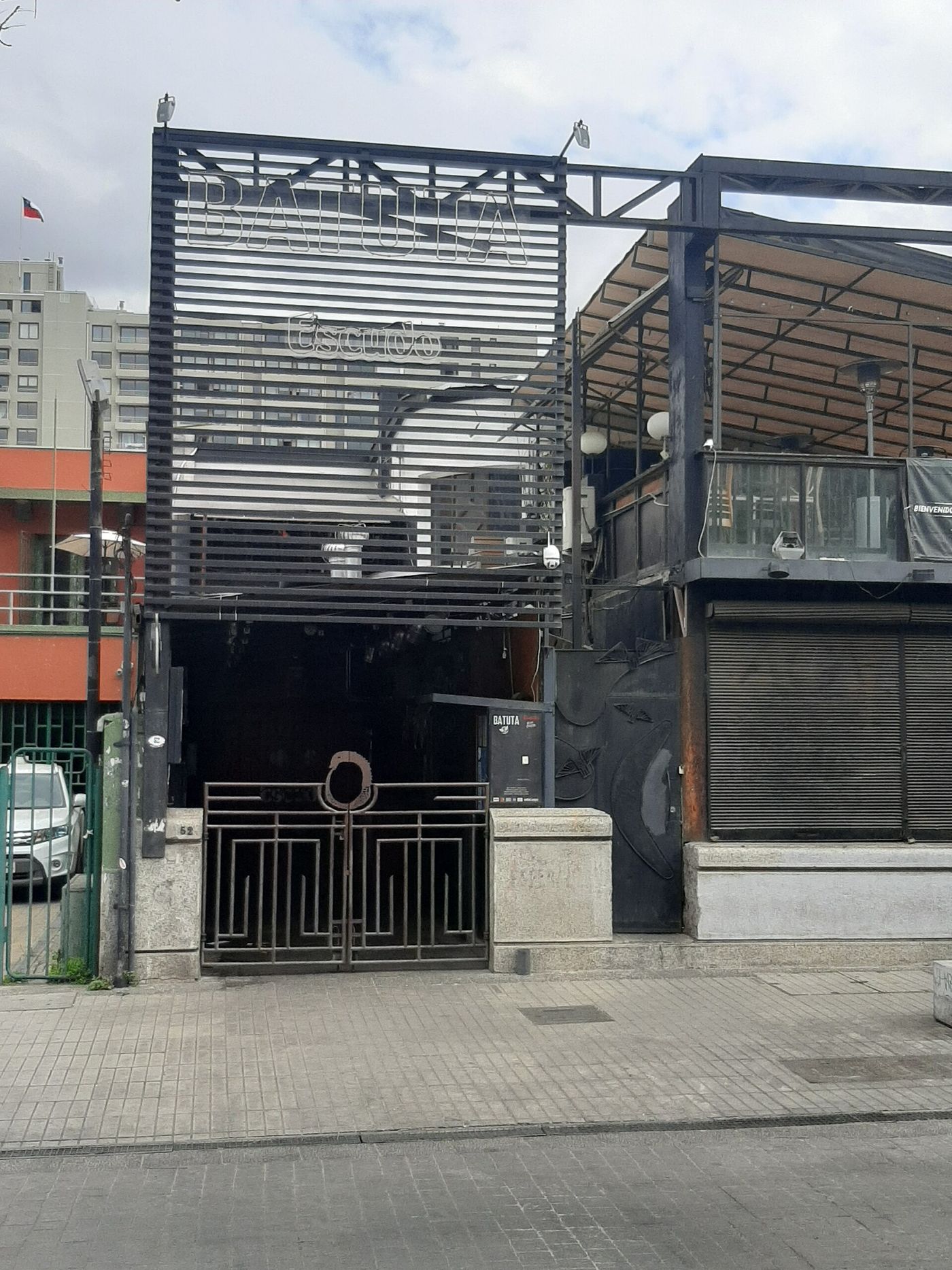
Cumbia is the Chilean party music, and a cumbia night in Ñuñoa or Franklin is one of the more purely enjoyable things you can do here. It does not require you to know how to dance, though everyone around you will.
Salsa has a dedicated scene, mostly in Bellavista, with venues where classes run early in the evening and social dancing takes over afterwards. Beginners are welcome at the early sessions.
Jazz is small but serious, with a handful of long-running clubs in Ñuñoa and Bellas Artes.
Big shows happen at the Movistar Arena and the Estadio Nacional in Ñuñoa, and outdoor festivals fill Parque O’Higgins and Parque Bicentenario in summer. Lollapalooza Chile in March is the largest.
How to find out what is on. Venue social media is the only reliable source; printed listings barely exist. Ask at your hotel, or ask in a bar — Santiaguinos are generous with recommendations and will usually tell you where the good band is playing that night.
What to wear and what to expect at the door
Chile is informal but not scruffy, and the rules vary more by barrio than by venue.
- Bellavista, Brasil, Bellas Artes: anything. Jeans and trainers are the uniform.
- Barrio Italia, Ñuñoa: casual, but people make an effort. No shorts after dark.
- Lastarria, Providencia: smart casual. A collared shirt is never wrong.
- El Golf, Vitacura: the dressiest part of the city. Some lounges will turn away trainers and shorts.
- Clubs: varies enormously. Electronic venues are relaxed, the big commercial clubs less so.
At the door. Bring photo ID — a passport or a copy is the safe option, since bouncers sometimes decline foreign driving licences. The legal drinking age is 18. Cover charges are common at clubs and rare at bars, and some clubs charge more for men than for women, which is standard practice here.
Card or cash. Most bars take cards. Cover charges at smaller venues are often cash only. Carry both.
Going out alone, and meeting people
Santiago is a reasonable city to go out in alone, with a few caveats worth stating.
The barrios that work solo are Bellas Artes, Lastarria and Barrio Italia — smaller venues, bar seating, staff who will talk to you, and short walks home. Ñuñoa works too if you are comfortable in Spanish, because the crowd there is overwhelmingly local.
The ones that do not are the big Bellavista clubs, where the scene is group-oriented and a person standing alone attracts the wrong kind of attention, and anywhere requiring a long journey home.
Language. English is less widely spoken in Santiago’s bars than in most South American capitals aimed at tourists, and Chilean Spanish is genuinely hard — fast, elided, and full of local slang that Spanish speakers from elsewhere struggle with. Cachai (you get it?), bacán (great), la raja (excellent), carrete (a party or a night out), copete (booze), al tiro (right away). Knowing six words of it goes a long way.
Practical solo rules. Tell someone where you are going. Keep your drink with you, including to the bathroom. Book the car home from inside the venue. Carry one card and a little cash, not your passport. And set an end time before you start, because the city will happily keep going until 05:00.
Meeting people. Chileans are friendly but reserved with strangers by Latin American standards, and the way in is usually through an activity rather than a bar: a salsa class, a language exchange, a free walking tour that ends in a bar, a hostel event. A bar on its own rarely produces conversation with locals unless you have Spanish.
Franklin, Providencia and the rest
Three more options worth knowing about once you have done the obvious ones.
Franklin is the newest interesting thing in Santiago nightlife. The old meat-market buildings around the persas have filled with bars, distilleries and warehouse venues, and on a Friday or Saturday the district runs from flea-market rummaging in the afternoon straight into drinking in the evening. It is unpolished, cheap and genuinely local. It is also in a part of the city with nothing to walk to, so plan the car home before you arrive.
Providencia around Manuel Montt and Pedro de Valdivia is the after-work option — mid-priced bars, a mixed local crowd, and the significant practical advantage of being on Metro Line 1 with a short walk home if you are staying there. It is not exciting. It is reliable, and on a Wednesday that matters.
El Golf and Vitacura are the expensive end: hotel bars, lounges, and restaurants where a cocktail costs what four beers cost in Ñuñoa. Worth it if you are staying there on business or want one properly made drink in a quiet room. Not worth crossing the city for.
Barrio Brasil rounds out the list at the other extreme — students, cheap drinks, live music in scruffy rooms, and a crowd twenty years younger than in Lastarria. Good value and good fun; take the same care getting home that you would in the historic centre.
One pattern across all of these: Santiago’s nightlife is neighbourhood-scaled rather than venue-scaled. There is no single street or district that has everything, and the good nights come from picking one barrio and staying in it rather than trying to cross the city twice. The neighborhoods guide is the companion piece to this one for exactly that reason.
What is not worth it?
The honest list:
- Avenida Suecia. Santiago’s nightlife strip in the 1990s, never recovered its reputation, still named in Foreign Office advice for drink spiking. Every other barrio in this guide is better.
- The Pío Nono strip after 02:00. Fine earlier, messy later, and the point at which the bad incidents cluster.
- Club entry to a venue you have not seen inside. Cover charges of CLP 15,000–20,000 buy you access to rooms that vary enormously. Look through the door first, or go somewhere with no cover.
- Pisco sours in a tourist-facing bar. Made with sour mix, and you will conclude that you don’t like pisco sours. Order one where Chileans are drinking.
- A third terremoto. This is not a joke.
- Starting at 21:00 and expecting a club to be busy. You will be the only person there for two hours.
Rooftops, views and the drinking-with-a-view question
Santiago’s setting — a basin ringed by mountains — means a view is worth paying something for, and a small industry has grown up around selling it.
The rooftop bars cluster in Lastarria, Bellas Artes and Providencia, on the upper floors of hotels and converted buildings. The good ones face east towards the Andes; the mediocre ones face anywhere and charge the same. Drinks run at the top of the ranges above, roughly CLP 9,000–15,000 for a cocktail, which is the premium you pay for the view.
When to go. Between 19:30 and 21:00 for sunset, and earlier in winter when the sun goes down before 19:00. The Andes are clearest after rain and in autumn; on a hazy summer or winter day you are paying for a view of the haze. Look east from street level before you commit.
Sky Costanera, the observation deck at the top of the Gran Torre, is the non-drinking version — daily 10:00 to 22:00 with last entry at 21:00, adult CLP 25,000, or CLP 30,000 for the 18:00–20:00 sunset slot (checked September 2026). It is a genuinely spectacular view. It is also roughly the price of three cocktails on a terrace with a similar outlook and a chair.
The free alternative. Walk up Cerro Santa Lucía in the late afternoon — it closes at 20:30 in summer and 19:30 in winter, and it closes entirely when it rains — or take the teleférico up Cerro San Cristóbal before it stops at 19:45. Both give you a better view than most rooftops, for nothing or nearly nothing, and both leave you well positioned to walk down into Lastarria or Bellavista afterwards.
The honest verdict on rooftops. One is worth it, for the novelty and the photographs. Two is a waste of an evening you could have spent in a room where people are talking to each other.
Frequently asked questions
What time does nightlife start in Santiago?
Late. Bars fill between 22:00 and midnight and clubs do not get busy until around 01:00, peaking between 01:30 and 04:00. Restaurants fill from 21:00, and happy hour runs roughly 18:30 to 21:00. Arriving at a club before midnight means an empty room.
Is Bellavista safe at night?
Busy and generally fine until around midnight, with real caveats after that. The UK Foreign Office names Bellavista for drink spiking and the Government of Canada lists it among Santiago’s higher-risk areas. Watch your drink, stay with your group, carry little, and leave by booked car rather than walking.
How much does a night out cost in Santiago?
Roughly CLP 35,000–45,000 in Ñuñoa or Barrio Brasil for drinks, food and a car home, and CLP 70,000–90,000 for the same evening in Lastarria or El Golf. Beer runs CLP 3,000–8,000, cocktails CLP 7,000–13,000, and club entry CLP 8,000–20,000. Happy hour deals are genuinely good value.
Does the Metro run late in Santiago?
No. Last trains are around 23:00 every night, which is before most bars get busy and long before the clubs do. The Metro will get you out but almost never home. Budget for a booked car at the end of every night out.
What is a terremoto?
Sweet fermented pipeño wine with pineapple ice cream and a shot of grenadine or fernet, served in a pint glass. It is named after an earthquake because of its effect, and the second one is called a réplica — an aftershock. La Piojera near Mercado Central is the classic place to try one.
Where do locals go out in Santiago?
Plaza Ñuñoa and Barrio Italia, mostly. Both have large Chilean crowds, very few tourists, and prices set for people who live here. Barrio Brasil is the student version. Bellavista and Lastarria attract more visitors, which does not make them bad, just less representative.
Do you need to book bars or clubs in Santiago?
Bars, no. Restaurants on Friday and Saturday after 21:00, yes. Clubs sometimes sell advance tickets for specific nights or guest DJs, which saves queueing and occasionally saves money. Live music venues generally sell tickets at the door.
What should you wear for a night out in Santiago?
Casual almost everywhere. Bellavista, Bellas Artes and Brasil accept anything. Barrio Italia and Ñuñoa expect a bit of effort but no more. Lastarria and Providencia are smart casual, and El Golf and Vitacura are the only places likely to turn you away for trainers or shorts.
Sources
- Chile Travel — nightlife neighborhoods in Santiago
- Visit Santiago — official city tourism
- Patio Bellavista
- Metro de Santiago — hours and fares
- Santiago Turismo — municipal tourism
- UK Foreign Office — Chile safety and security
- Government of Canada — Chile travel advice
- CONASET — road safety and alcohol law
- Movistar Arena Santiago
- Centro Gabriela Mistral (GAM)
- Wines of Chile
- Biblioteca del Congreso Nacional — Chilean law
Image credits
| Photo | Credit |
|---|---|
| Santiago at dusk (top of page) | Javmoraga, CC BY-SA 3.0, via Wikimedia Commons |
| Calle Pio Nono, Bellavista | Carlos yo, CC BY-SA 4.0, via Wikimedia Commons |
| Bellavista bar frontages | Carlos yo, CC BY-SA 4.0, via Wikimedia Commons |
| Independent bar, Santiago | Carlos Figueroa Rojas, CC BY-SA 4.0, via Wikimedia Commons |
| Plaza Nunoa | Rodrigo Fernández, CC BY-SA 4.0, via Wikimedia Commons |
| La Piojera | Rodrigo Fernández, CC BY-SA 4.0, via Wikimedia Commons |
| Mapocho and Providencia at night | Daniel Nussbaum, CC BY-SA 3.0, via Wikimedia Commons |
| La Batuta, Nunoa | Tommy Boy, CC BY-SA 4.0, via Wikimedia Commons |